

General
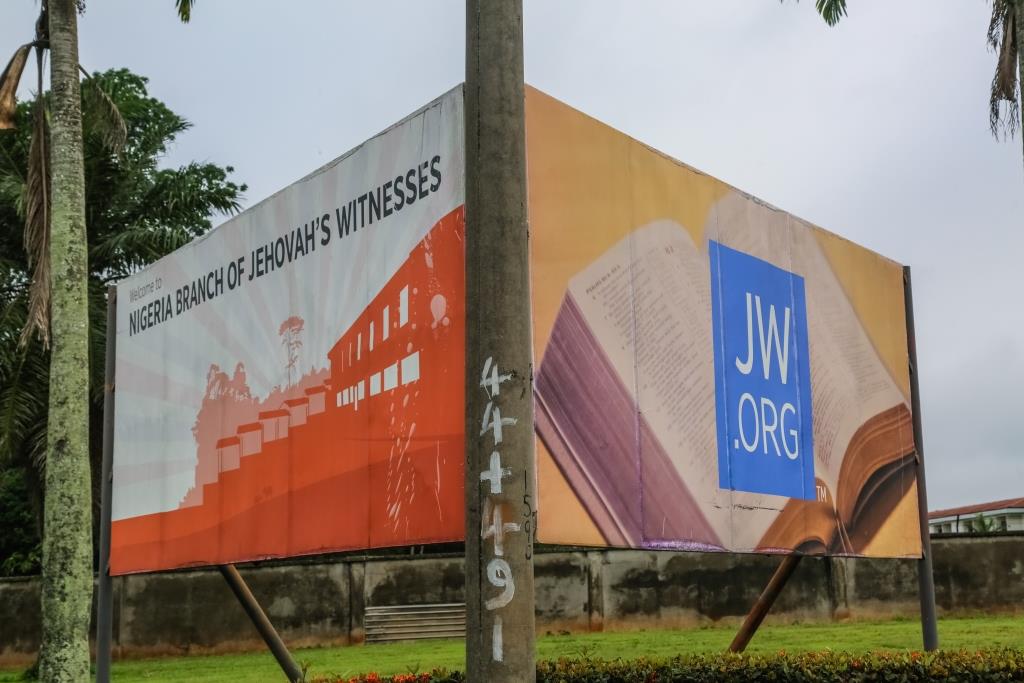
Jehovah’s Witnesses Open Historical Museum in Edo

By Modupe Gbadeyanka
Jehovah’s Witnesses in Nigeria have opened a historical museum in Igieduma Village, Edo State, documenting activities of the religious group in the country for the past 100 years.
The facility was inaugurated recently under an initiative called 100 Years of Courage, highlighting how some people came together to establish the sect in Nigeria in 1921.
Nigeria is a diverse country with a rich cultural and historical heritage. The people making up the country have various social, religious and cultural experiences dating back several centuries.
The advent of Christianity, with its increasingly various denominations, ushered in a new era in the history of the people making up Nigeria. Jehovah’s Witnesses make up a significant part of the Christian populace of Nigeria.
The museum depicts the various influence of non-witness actors that impacted the spread of their activities, both positive and negative.
Early Days
The history of the Witnesses in Nigeria began with the arrival of Claude Brown, also known as Bible Brown, in 1921.
The Museum shows that the Witnesses first established their branch office in Nigeria in the same year and started their evangelical ministry. From the small beginning, they set about reaching the major towns and hinterlands of Nigeria, the missionaries converting local people who in turn helped to spread the Bible message further afield. With limited transportation and mass communication methods available in the early 20’s and 30’s, the museum depicts how the Witnesses used a variety of initiatives, including the sound car, megaphones and phonographs, to spread the message.
Challenges
The museum further documents how the spread of the word of God by Jehovah’s Witnesses in Nigeria had been spiced with various challenges. These included denial of physical access to areas they desired to preach in by local chiefs and religious priests, beatings of new converts by relatives who misunderstood the Witnesses’ beliefs, arson, and in some extreme cases, murder.
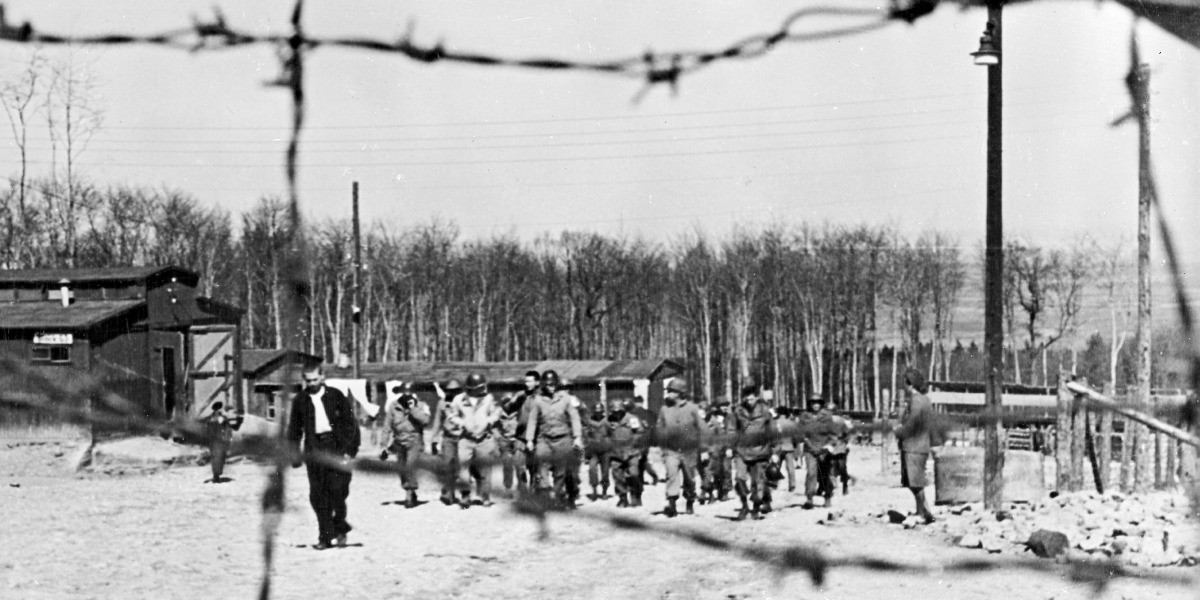
The Nigerian civil war brought a new dimension to the challenges faced by Jehovah’s Witnesses in Nigeria. Pictures and other artefacts in the museum show that the Witnesses in the former Biafran territory were cut off from their Nigerian brothers. With the resulting limited contact, the flow of Bibles and Bible-based publications became strained.
However, in remarkable demonstrations of faith, the Witnesses on both sides risked their lives and freedom to cross the lines to deliver publications and directions to those in the war zone. In heart-touching personal stories, the museum captures the experiences of specific witnesses who took part in the risky undertaking of crossing the war zones to reach their brothers and sisters on the other side.
A cocktail of ingenuity and faith was often on display. Sadly, some Witnesses were killed by soldiers and others for refusing to fight in the war in obedience to God’s command in the Bible – You must not kill (EXODUS 20:13). In interesting twists, some of the soldiers who fought in the war, including some who encountered or even killed Jehovah’s Witnesses for refusing to join the war, became Jehovah’s Witnesses themselves after the war, some becoming elders and missionaries.
In all, the civil war and other challenges did not appear to break the integrity of the Witnesses who continued preaching all through the war and even increased in number, as statistics available at the museum show.
Conventions
The museum featured some of the major milestones in the history of Jehovah’s Witnesses in Nigeria – their conventions or large gatherings. Each year, Jehovah’s Witnesses invite their neighbours, friends, and family to join them for these large gatherings. From Lagos to Port Harcourt, the museum chronicled the district and international convention history of the witnesses. The international conventions involved invited foreign guests and speakers and simultaneous translation into multiple Nigerian languages. The baptism of new converts was a constant feature of these conventions. These large gatherings strengthened the unity of the witnesses and gave immeasurable impetus to their work in the country.
An Interactive Museum
The museum is made to meet modern standards and expectations of information consumption. The museum has audio-video media which tourists can play or view through a special wifi-bluetooth connection and installed TV screens. These help visitors to get additional information about the historical event or character on display but also to relive the event. Tourists are encouraged to come with their phones, tablets or other handheld devices with either Bluetooth or wired headsets to have a more interactive experience.
Tourists React
The first set of tourists to the museum commended the group for the project.
Seun Faluyi, a tourist, said, “It is phenomenal to see how much opposition Jehovah’s Witnesses faced in the early years. But they were not deterred. They were brave; they were courageous. Celine, a teenage tourist, said: I like how interactive it is. Sometimes you forget how much history you have… According to Ayinola Olusoyan, I have been around Jehovah’s Witnesses for some time, although I am not one of them. Today is a great day for me to be here.”
How to book a visit
According to the spokesman of Jehovah’s Witnesses, Olusegun Eroyemi, the public, journalists, tourists, and academics are invited to visit the museum.
The Museum is located at Igieduma village, Uhunmwonde Local Government, Edo State. To book a visit, an individual or group may visit jw.org, click on About Us, select Bethel Tours, and then search for Nigeria on the drop-down menu. Then scroll to Make a Reservation, then click on Create an account to enable them to receive details of the visit reservation by text or email. They would be required to follow the prompts to complete their reservation. The visit is free, with an assigned tour guide.








By Bon Peters
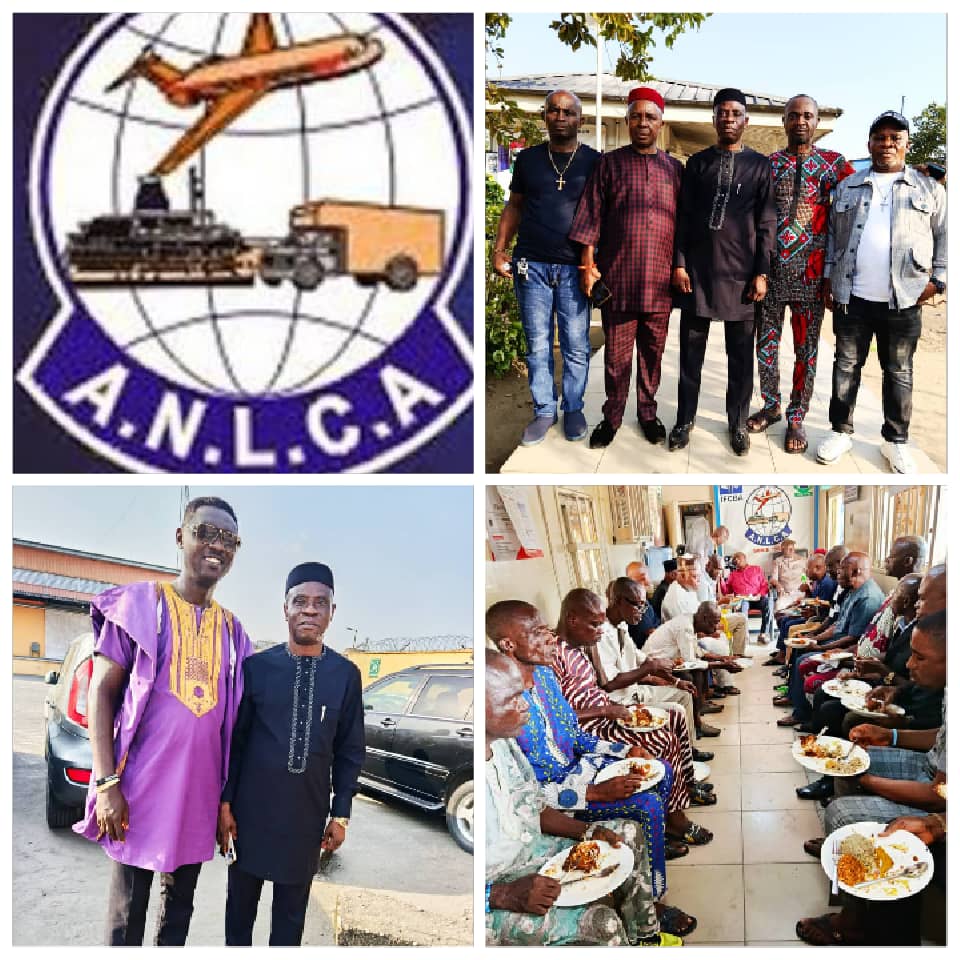
The Airport Chapter of the Association of Nigerian Licensed Customs Agents (ANLCA) at Omagwa Rivers State has praised the Customs Area Controller for Customs Area 1 Command, Comptroller Salamatu Atuluku.
At the end-of-the-year party attended by stakeholders, including the leader of the association’s chapter, Mr Charles Onyema, said the customs officer has done well in stakeholder engagement and trade facilitation.
At the event held last Friday, he said his association has been enjoying a very cordial relationship with other organisation in the ecosystem.
“You can see what is happening today, everybody is working together and our operations here are seamless,” he noted.
He stated that apart from creating a very robust business environment for his members and other stakeholders to operate, he has taken a decision to build and commission a befitting ANLCA Secretariat which would be completed soon and be commissioned by the ANLCA national president, Mr Emenike Nwokeoji.
The ANLCA chapter chief said since “Comptroller Salamatu Atuluku assumed office at Customs Area 1, Port Harcourt Command, it has been a different ball game, facilitating trade and increasing Revenue generation.”
“I remember I told her she was a mother during her maiden visit to the airport.
“You know when you have a woman in charge of an affair, food will not lack, compassion will not lack and motherly love will not lack.
“She is very wonderful in stakeholder engagement, revenue generation and trade facilitation,” Mr Onyema enthused.
Projecting into the future, Mr. Onyema said the year 2026 would be better for his members, adding that he has advised them on financial discipline which he said would help them during the trying period.

By Adedapo Adesanya
The federal government has declared Thursday, December 25, and Friday, December 26, 2025, as public holidays to mark Christmas and Boxing Day respectively.
The government also declared Thursday, January 1, 2026, for the New Year celebration.
The declaration was contained in a statement issued on Monday by the Permanent Secretary of the Ministry of Interior, Mrs Magdalene Ajani, on behalf of the Minister of Interior, Mr Olubunmi Tunji-Ojo.
According to the statement, the Minister urged Nigerians to reflect on the values of love, peace, humility and sacrifice associated with the birth of Jesus Christ.
Mr Tunji-Ojo also called on citizens, irrespective of faith or ethnicity, to use the festive season to pray for peace, improved security and national progress.
He further advised Nigerians to remain law-abiding and security-conscious during the celebrations, while wishing them a Merry Christmas and a prosperous New Year.
Business Post reports that on these public holidays – the foreign exchange market, the Nigerian Exchange (NGX), as well as the NASD Over-the-Counter (OTC) Securities Exchange will not open to trade.

By Modupe Gbadeyanka
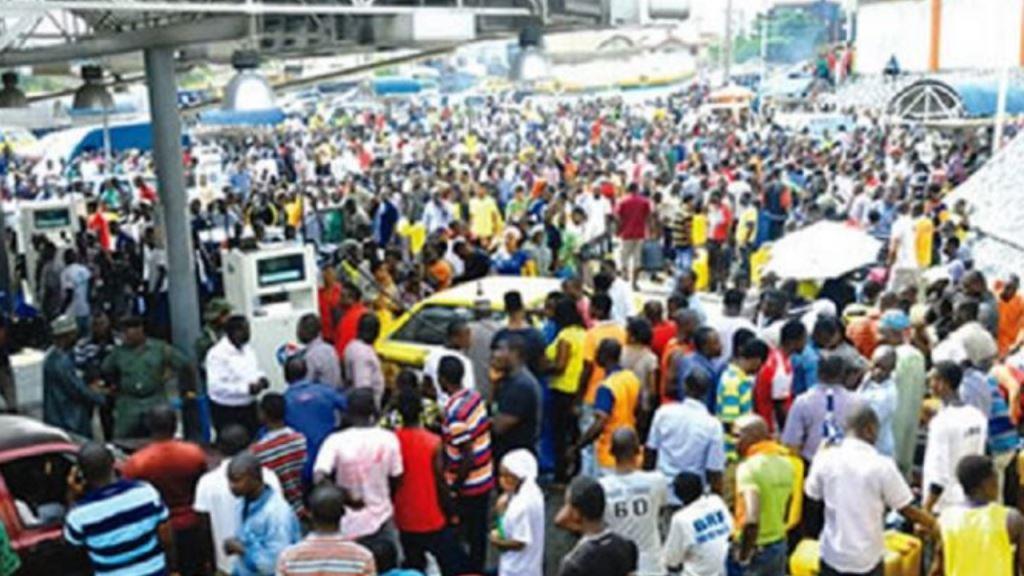
Local crude oil refiner, Dangote Petroleum Refinery, has kicked against attempts to put consumers of premium motor spirit (PMS), otherwise known as petrol, under untold hardship in the country.
The company, which commenced nationwide sales of the product at a pump price of N739 per litre across all MRS Oil Nigeria Plc filling stations, appealed to Nigerians to report any of its marketers who sell above this price.
“Any attempt to create artificial scarcity or manipulate supply to frustrate recent price reductions is unpatriotic and unacceptable.
“We urge regulatory authorities to remain vigilant and take firm action against such practices, especially during this critical festive period,” the Lagos-based refinery said in a statement.
It noted that the significant price reduction was part of its mission to deliver affordable fuel to consumers and stabilize the downstream petroleum market.
With over 2,000 MRS stations nationwide, the new pricing is expected to be implemented across all outlets, ensuring that the benefits of this reduction reach consumers nationwide.
Dangote Refinery applauded marketers who have embraced the new pricing regime and urged others to follow suit in the interest of national economic recovery.
“We commend MRS and other marketers who have demonstrated patriotism by reflecting the reduced price at the pump. We call on others to join this effort as a show of support for Nigeria’s economic recovery,” the refinery stated.
Historically, the festive season has been associated with fuel scarcity and sharp price hikes. However, Dangote Refinery has delivered a decisive market intervention—crashing pump prices at a time when Nigerians typically brace for hardship. Backed by a guaranteed daily supply of 50 million litres, this initiative fundamentally alters the supply dynamics during the holiday period.
By refining locally at scale, the refinery is reducing Nigeria’s exposure to volatile global markets, conserving foreign exchange, stabilizing the Naira, and strengthening energy security. This sustained price cut and steady supply are providing relief to households, businesses, and transport operators nationwide.
Consumers were advised to resist purchasing fuel at inflated prices when cheaper, high-quality alternatives are readily available.
“We encourage Nigerians to avoid buying PMS at excessively high prices when they can access locally refined fuel at N739 per litre from over 2,000 MRS stations nationwide. Report any MRS station selling above N739 per litre by calling 0800 123 5264,” the refinery said.
“We also call on other petrol station operators to patronize our products so that the benefits of this price reduction can be passed on to Nigerians across all outlets, ensuring broad-based relief and a more stable downstream market,” it added, reaffirming its commitment to steady supply, price moderation, and energy security, emphasizing that its operations are anchored on long-term national interest rather than short-term market pressures.
“Our objective remains clear: to ensure consistent supply of high-quality petroleum products at affordable prices for Nigerians, while supporting economic stability and reducing dependence on imports,” the refinery concluded.






-
 Feature/OPED6 years ago
Davos was Different this year
-
Travel/Tourism9 years ago
Lagos Seals Western Lodge Hotel In Ikorodu
-

 Showbiz3 years ago
Estranged Lover Releases Videos of Empress Njamah Bathing
-
 Banking7 years ago
Sort Codes of GTBank Branches in Nigeria
-

 Economy3 years ago
Subsidy Removal: CNG at N130 Per Litre Cheaper Than Petrol—IPMAN
-

 Banking3 years ago
First Bank Announces Planned Downtime
-

 Banking3 years ago
Sort Codes of UBA Branches in Nigeria
-

 Sports3 years ago
Highest Paid Nigerian Footballer – How Much Do Nigerian Footballers Earn
1 Comment