

Economy
C&I Leasing Reduces Share Capital by 75% to 404.3m Shares

By Modupe Gbadeyanka
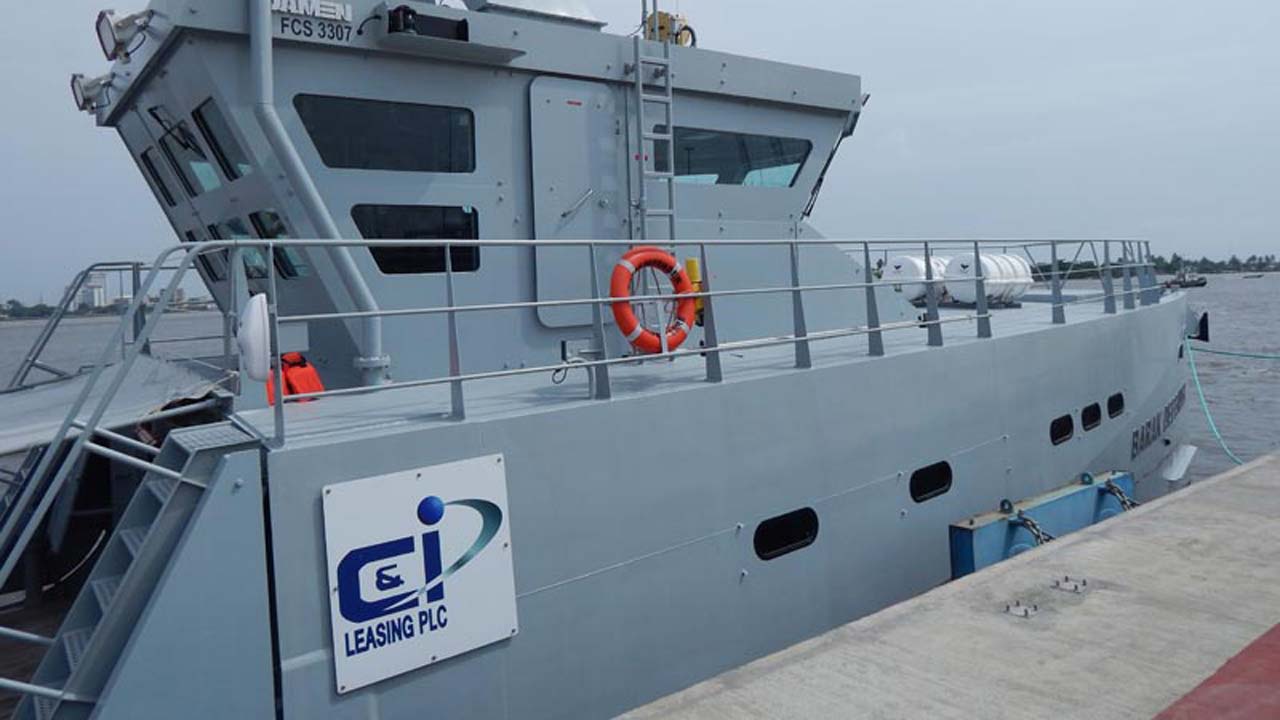
The board of a Nigerian public limited maritime company, C&I Leasing Plc, has announced getting the go-ahead from the Nigerian Stock Exchange (NSE) to reduce its share capital.
In a notice to the market regulatory agency on Monday, the firm said it plans to reduce its share capital to about 404.3 million from 1.6 billion, representing a 75 percent reduction or a ratio of four to one.
“C&I Leasing is pleased to notify its esteemed shareholders,stakeholders, dealing members and the general public that the company has made an application to the Nigerian Stock Exchange and obtained a ‘No Objection’ to its proposal to reduce the company’s issued and paid-up share capital from N808,505,000 being 1,617,010,000 ordinary shares of 50 kobo each to N202,126,250 being 404,252,500 ordinary shares of 50 kobo each by consolidating every four ordinary shares currently held into one new share in the company,” the statement said.
According to the firm, “The share capital so reduced will be added the company’s share premium account,” adding that, “The purpose of the reconstruction is to allow the company to have enough unissued shares to accommodate future plans to raise capital through the equity capital market.”
It added that, “The additional capital will be used to finance the company’s expansion plan, extinguish some liabilities and enhance the company’s capital mix.”
“The qualification date for the share consolidation shall be Wednesday, December 12, 2018 and the shares of the company will be placed on suspension from Thursday, December 13, 2018 to Thursday, December 27, 2018 to allow for the consolidation exercise,” the statement noted.







Economy
Underrated National Currencies in Crypto Exchange: Why NGN and VND Are Emerging as Promising Markets

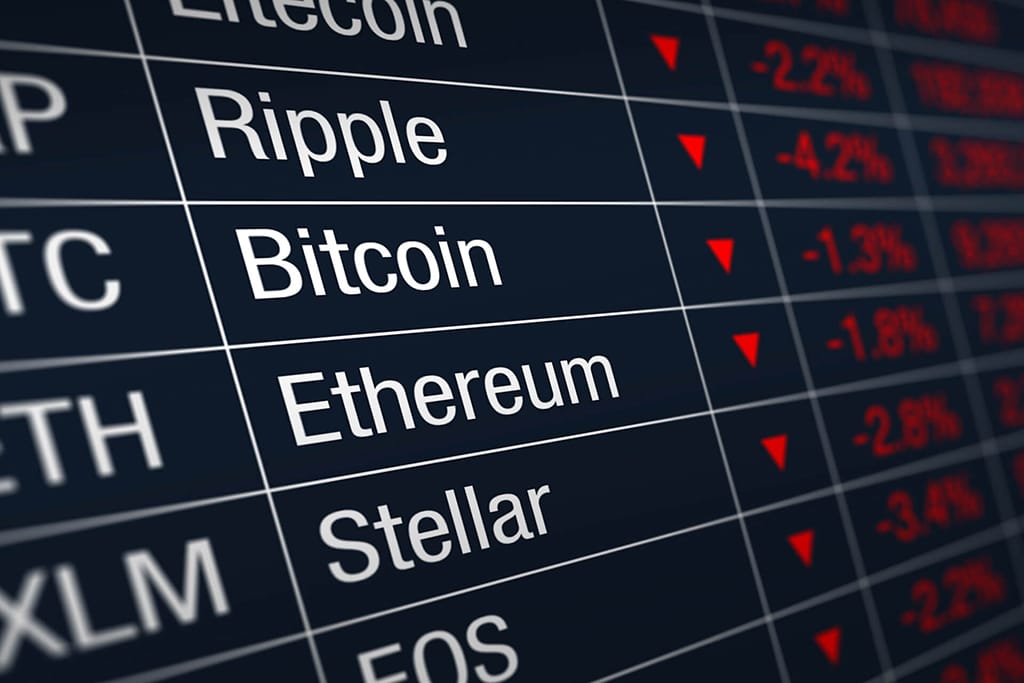
Crypto exchange is no longer limited to familiar pairs involving the US dollar or the euro. When the goal is specific, e.g., buying USDT with a local currency, receiving an international transfer, or cashing out Bitcoin to a bank account, local fiat currencies take centre stage. The Nigerian naira, or NGN, and the Vietnamese dong, or VND, are excellent examples of this trend. Demand for these currencies is driven not by speculation, but by people solving everyday financial needs.
Why Local Currencies Are Becoming More Important in Crypto Exchange
Across developing markets, cryptocurrency adoption is accelerating where traditional financial infrastructure is slow, expensive, or limited. High international transfer fees, volatile exchange rates, and lack of access to foreign currencies have made digital assets an efficient bridge between local and global financial systems.
Between July 2024 and June 2025, the volume of on-chain cryptocurrency transactions in Sub-Saharan Africa exceeded $205 billion, representing approximately 52% year-over-year growth. Transactions below $10,000 accounted for 8% of total volume, compared with roughly 6% globally, indicating that demand extends well beyond stablecoins such as USDT and USDC. In Southeast Asia, meanwhile, crypto adoption is fueled primarily by the digital economy, cross-border commerce, e-commerce, and high retail participation.
NGN: Why Nigeria Has Become One of the World’s Leading Crypto Markets
Following Nigeria’s currency reforms in 2023–2024, the naira depreciated significantly. Access to U.S. dollars remained limited, while the gap between official and market exchange rates widened. As a result, Bitcoin and stablecoins evolved from investment assets into practical tools for payments and savings and drove a demand for USDT to naira exchanges, as well as Bitcoin to naira conversions.
The numbers illustrate the dynamic. In 2023, Nigeria ranked first globally in the peer-to-peer (P2P) cryptocurrency trading sub-index. In 2024, it climbed to second place in the Global Crypto Adoption Index. During the twelve months ending June 2025, Nigeria’s cryptocurrency transaction volume exceeded $92.1 billion—nearly three times that of South Africa.
Demand patterns are equally impressive. Approximately 89% of cryptocurrency transactions in Nigeria involve naira-to-BTC conversions, for which excellent rates can be found on BestChange’s dedicated page with NGN-to-BTC exchange offers. Around 80% of surveyed Nigerians already own stablecoins, while 95% said they would prefer receiving payments in stablecoins rather than in naira. Since 2019, Nigeria has accounted for roughly 60% of all stablecoin inflows into Sub-Saharan Africa. On BestChange, users can also compare offers for exchanging NGN to USDT TRC20, including, as well as the reverse direction, i.e., purchasing naira with crypto, such as BTC to naira or, for example, offers with rates for converting TRX to naira.
International remittances add another major source of demand. In 2024, remittance inflows reached $20.93 billion. While bank transfers cost an average of 15% of the transferred amount, comparable transfers using stablecoins were approximately 60% cheaper.
The legal landscape is also evolving. In 2025, virtual assets were formally brought under Nigeria’s regulatory supervision, while pressure on unregulated platforms increased. As a result, trusted exchange routes and reputable providers are becoming increasingly important in the crypto exchange market.
VND: Why Vietnam Remains Among the Global Leaders in Crypto Adoption
Vietnam paints a different picture. Unlike Nigeria, it faces no major currency instability, yet it has one of the world’s most active retail cryptocurrency markets. In 2025, the country ranked fourth in the Global Crypto Adoption Index, maintaining a top-five position for several consecutive years. Crypto transactions exceeded $200 billion in total during the twelve months ending June 2025.
Two factors consistently drive demand for crypto exchanges with dong: international remittances and Vietnam’s rapidly expanding digital economy. During 2024–2025, annual remittance inflows exceeded $16 billion, creating steady demand for converting foreign assets into Vietnamese dong.
Users looking to cash out can exchange USDT to VND (TRC20 network) or convert crypto from another network, e.g., USDT (ERC20) to Vietnamese dong. The flagship cryptocurrency exchanges are also available in the list of offers for Bitcoin-to-VND conversions. Those moving in the opposite direction can compare offers to convert VND to USDT (TRC20) or dong to USDT (ERC20) on BestChange.
Vietnam’s e-commerce market has also grown to approximately $32 billion, driving additional demand for fast, efficient payment solutions.
Additionally, crypto regulation is gradually becoming more structured. Beginning in January 2026, Vietnamese authorities started accepting license applications from cryptocurrency platform operators, followed by the launch of an accelerated regulatory pilot program later that spring.
How BestChange Helps Find NGN and VND Exchange Offers
In emerging markets, evaluating an exchange route means looking beyond the exchange rate alone. The cryptocurrency, blockchain network, payout method, available reserves, transaction limits, and service reputation all matter.
BestChange allows users to compare these factors before sending funds. For each exchange direction, you can instantly view offers from verified exchange services, including exchange rates, reserves, limits, payout methods, and—perhaps most importantly—reviews from other users.
Before sending cryptocurrency, it is also recommended to check the wallet addresses involved using an AML analyser to reduce compliance risks.
NGN and VND are no longer niche markets. They support real-world financial needs, including international transfers, everyday payments, and holding part of one’s savings in stablecoins.

By Adedapo Adesanya
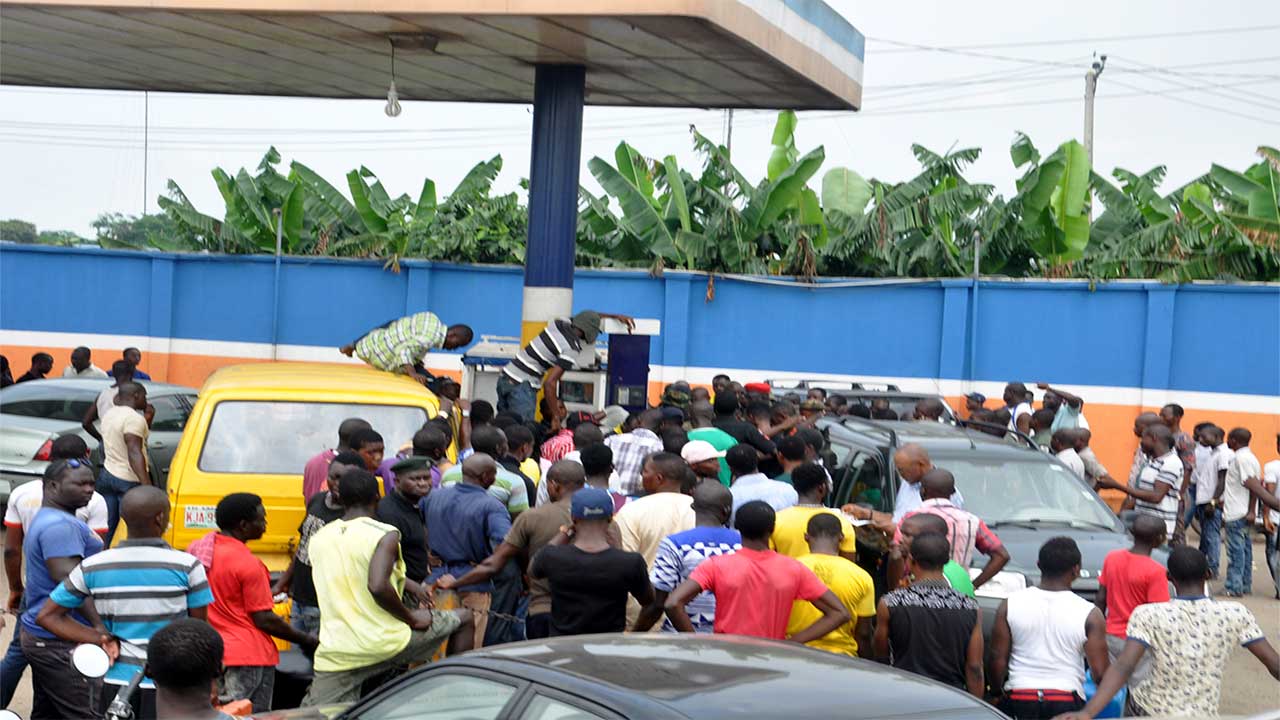
The Independent Petroleum Marketers Association of Nigeria (IPMAN) has warned that member filling stations will stop selling petrol if the federal government tries to enforce a planned price control.
Speaking to Punch Newspapers, the National Publicity Secretary of the fuel marketers, Mr Chinedu Ukadike, said the warning was in response to comments by the Minister of State for Petroleum Resources (Oil), Mr Heineken Lokpobiri, that the government would not tolerate profiteering and other practices that exploit fuel consumers.
Mr Lokpobiri, speaking in Abuja at the opening ceremony of the 2026 General Counsel and Legal Advisers Forum organised by the Nigerian Midstream and Downstream Petroleum Regulatory Authority (NMDPRA), reiterated that although the era of government-fixed petrol prices was over, deregulation did not mean regulators should abdicate their responsibility to protect consumers.
In response, the IPMAN mouthpiece denied allegations of profiteering, saying many marketers are running into losses with the series of reductions carried out lately by the Dangote refinery.
Mr Ukadike said the federal government should first investigate the root cause of the current high petrol prices and boost competition by making sure its refineries work, stressing that marketers will sell what they buy.
“Marketers will shut down if they try somehow to enforce price control. We are going to shut down our stations nationwide. You can’t be regulating a deregulated market. You can’t tell me how much to sell my product without trying to know how much I bought it,” he told the newspaper.
He also said independent marketers are losing money.
“We bought petrol at a particular rate a few days ago; on our way to our filling stations, there was a reduction. We have been struggling with the price. We have been struggling against financial losses. We are also struggling against stagnation due to low patronage of our products. Because those marketers who are purchasing now are purchasing at a lower price, and they are selling cheaper.
“If you don’t bring down your price, you cannot see buyers. This is the beauty of deregulation. If you cannot compete, you will not survive in the market. And because most of us are trading on bank loans, the bank does not know when the price goes up or goes down. Their interest rate is fixed; their return on investment is fixed. So, you must pay them. This is the situation we find ourselves in.”
He also called for increased competition and questioned the current arrangement.
“It is not about going to filling stations to check who is selling at higher prices. Do you know how much I bought the fuel for? Can you have a regulated market in a deregulated economy? You can’t be blowing hot and cold at the same time. The PIA must be followed to the letter. If they try to enforce price control, we will shut down,” he said in parts of the interview.
Crude prices have dropped from a high of $120 during the US-Iran war to as low as $73 a barrel, but this has not translated to a reprieve in the price of petrol at the pump.
By Adedapo Adesanya
Nigeria Employers’ Consultative Association (NECA) has inaugurated the country’s first Environmental, Social and Governance (ESG) Implementation Guide for Micro, Small and Medium Enterprises (MSMEs) to strengthen business sustainability.
The guide was inaugurated on Tuesday during the 2026 Nigeria Employers’ Summit in Abuja in collaboration with the International Labour Organisation (ILO).
Chairman of the NECA ESG Advisory Board, Mr Femi Jaiyeola, described the guide as a milestone for strengthening the competitiveness and sustainability of Nigerian MSMEs.
He said MSMEs remained the backbone of Nigeria’s economy and required practical tools to compete in an increasingly sustainability-driven global business environment.
Mr Jaiyeola said ESG had evolved beyond regulatory compliance into a strategic business tool for attracting investment, improving competitiveness and enhancing long-term enterprise value.
He said ESG also presented significant opportunities for MSMEs and Nigeria’s economy beyond meeting regulatory obligations.
According to him, the guide comes as regulators, financial institutions and global markets increasingly demand sustainable business practices from enterprises of all sizes.
The official said ESG reporting was expected to become mandatory in Nigeria by 2030, urging MSMEs to begin preparations immediately.
He said the guide provided a practical roadmap to help MSMEs adopt ESG principles progressively while delivering measurable business value and organisational resilience.
According to him, ESG adoption will improve access to finance, strengthen business reputation and expand opportunities in international value chains.
He described the guide as a practical tool that would enable Nigerian MSMEs to compete, grow and thrive in a sustainability-driven economy.
Mr Jaiyeola commended ILO consultants and members of the NECA ESG Advisory Board for supporting the development of the implementation guide.
He recalled that NECA, with ILO support, launched an ESG assessment on Dec. 4, 2025, to strengthen sustainability practices across Nigerian businesses.
According to him, the assessment highlighted the need to integrate MSMEs into Nigeria’s ESG framework because of their contributions to economic growth and employment.
Mr Jaiyeola said the implementation guide was the first designed specifically for MSMEs in Nigeria and, to NECA’s knowledge, across Africa.
He expressed confidence that the guide would help MSMEs understand ESG principles and improve competitiveness in local and international markets.
Mr Jaiyeola disclosed that six NECA officials were undergoing specialised ESG training for SMEs at the ILO International Training Centre in Turin, Italy.
He said the officials would train MSMEs across Nigeria’s six geopolitical zones after completing the programme. According to him, the initiative demonstrates NECA’s commitment to building business capacity for sustainability and global competitiveness.

-
 Feature/OPED6 years ago
Davos was Different this year
-
Travel/Tourism10 years ago
Lagos Seals Western Lodge Hotel In Ikorodu
-

 Showbiz3 years ago
Estranged Lover Releases Videos of Empress Njamah Bathing
-
 Banking8 years ago
Sort Codes of GTBank Branches in Nigeria
-

 Economy3 years ago
Subsidy Removal: CNG at N130 Per Litre Cheaper Than Petrol—IPMAN
-

 Banking3 years ago
Sort Codes of UBA Branches in Nigeria
-

 Banking3 years ago
First Bank Announces Planned Downtime
-

 Sports3 years ago
Highest Paid Nigerian Footballer – How Much Do Nigerian Footballers Earn