

Economy
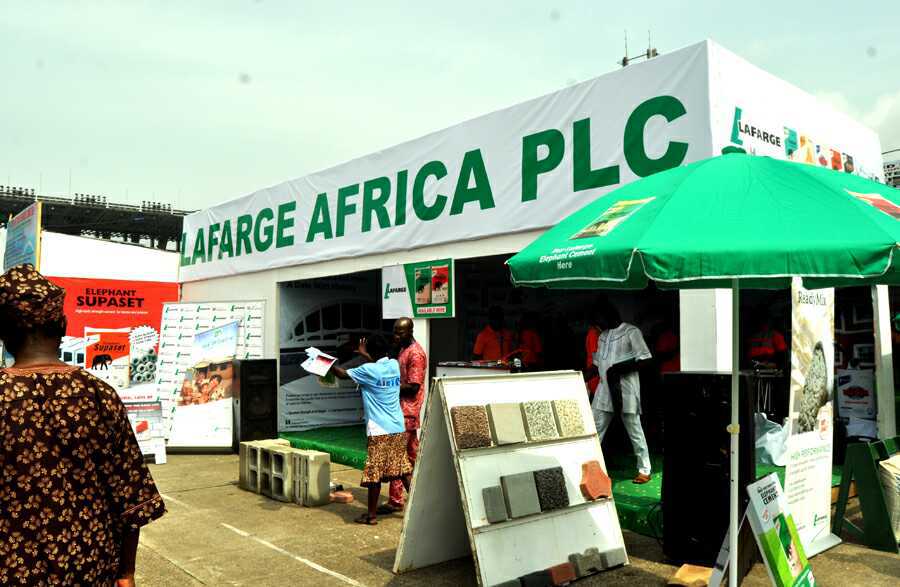
Rights Issue: Stockbroker Wants Forensic Audit of Lafarge Africa

By Dipo Olowookere
The newly inaugurated board of the Securities and Exchange Commission (SEC) has been urged to quickly conduct a forensic audit on Lafarge Africa Plc and other listed companies on the Nigerian Stock Exchange (NSE).
This call was made by a stockbroker in the nation’s capital market, who incidentally is the Managing Director of APT Securities and Funds Limited, Mr Garba Kurfi.
On June 24, 2019, the federal government inaugurated the board of SEC with a directive to make the stability of the capital market a cardinal objective.
The nine-member board, under the chairmanship of Mr Olufemi Lijadu, was inaugurated by the Permanent Secretary in the Ministry of Finance, Mahmoud Isa-Dutse, who charged the members to bring their wealth of experience to bear in restoring investor confidence in the capital market.
The inauguration of the new board came after four years that the last board headed by a former Governor of Anambra State, Peter Obi, was dissolved.
In a report by the Voice of Nigeria (VON), Mr Kurfi was quoted as urging the board to ‘extend forensic audit to public companies whose activities were doubtful such as Lafarge Africa that floated rights issue in 2017 at N42 and another rights issue in 2018 at N12 per share.’
While appealing to the newly constituted board to ensure adherence to 10-year capital market master plan, he said it should also put things right by settling all outstanding issues.
Also giving a task to the board, Mr Sola Oni, a chartered stockbroker, said the board should address the issue of corporate governance gap in the commission by appointing a substantive director-general.
“This is necessary to remove the stigma of corporate governance gap from the commission,” he said, adding that the commission should not continue to operate with an acting director-general and acting commissioners contrary to ethics of corporate governance.
According to him, the new board should strengthen SEC’s advocacy role in the need for government’s constant engagement with stockbrokers before strategic decisions on the financial market operations would be made.
“The capital market should not be treated as a second class platform in the financial market,” Mr Oni said.
He said that there was the need for the harmonization of activities in the market to reduce the financial burden being imposed on stockbrokers in terms of training.
On his part, the Chief Operating Officer of InvestData Ltd, Mr Ambrose Omordion, said the new board should deepen the market by introducing new more trading windows such as cryptocurrency.
Mr Omordion said that they should ensure strong investment education across equity investment to boost investor participation to enhance liquidity in the market.
He said that SEC should partner with other financial market regulators to promote capital market growth and development.
Mr Omordion called for strong technology for easy monitoring back end of all listed and unlisted companies to avoid manipulation, insider trading and others.
Publicity Secretary of Independent Shareholders Association of Nigeria, Mr Moses Igbrude, advised the SEC’s new board to make transparency, integrity and investors’ protection their watchwords.
“The capital market of any country is the barometer to measure its economy, they should ensure companies are properly managed in line with laid down rules and regulations.
“They should engage the companies to know their challenges, and carry such messages to the policy makers to formulate good policies that should enhance business growth,” Mr Igbrude said
He said that the board should engage the Federal Government on issues of multiple taxation, high interest rate, infrastructure deficiency and policy inconsistencies that affected businesses:
“This new board should make it a duty to bring more Nigerians into the market by ways of education, enlightenment to encourage them to know the importance of the capital market and how it can be used to create and grow their wealth.
“They should encourage more companies to list in the market by giving incentives and some privileges to listed entities over unlisted companies.”



By Adedapo Adesanya
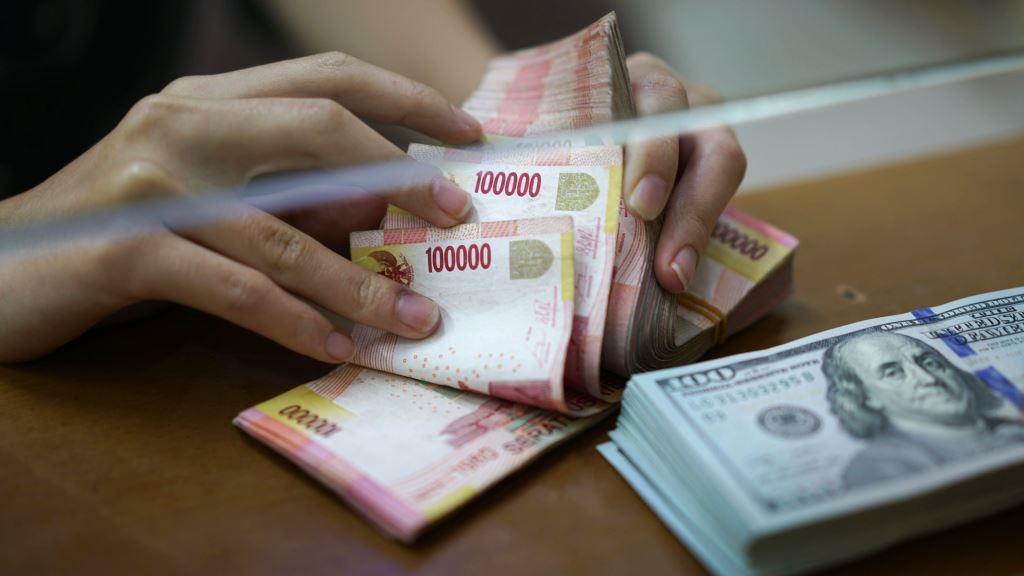
The Naira further appreciated against the US Dollar in the Nigerian Autonomous Foreign Exchange Market (NAFEX) on Thursday, July 16, by 65 Kobo or 0.04 per cent to sell for N1,381.53/$1, in contrast to Wednesday’s closing value of N1,382.18/$1.
This was buoyed by improved FX liquidity to absorb the high demand for Dollars during the trading session.
However, the local currency depreciated against the Pound Sterling in the official market yesterday by N9.48 to close at N1,866.17/£1 versus the preceding day’s N1,856.69/£1, and lost N2.99 against the Euro to quote at N1,582.68/€1 compared with the midweek rate of N1,576.69/€1.
At the parallel market, the Nigerian currency maintained stability against its United States counterpart at N1,405/$1, and at the GTBank FX desk, it remained unchanged at N1,389/$1.
On Thursday, data from the Central Bank of Nigeria (CBN) showed a surge in interbank FX turnover and deal count. Interbank FX activities at the NFEM window increased sharply by 69 per cent to $205.366 million from $121.727 million reported the previous day.
Nigeria’s gross external reserves continue to rise, supported by steady foreign exchange inflows from hydrocarbon receipts, remittances and foreign portfolio investments, boosting market confidence. It settled at $51.893 billion from $51.867 billion the previous day.
The apex bank has also launched a new digital platform that will track every foreign exchange transaction involving Bureau De Change (BDC) operators, marking a major step in its efforts to improve transparency and strengthen oversight of Nigeria’s retail forex market.
In an operational guidance issued on July 15 to authorised dealer banks and licensed BDCs, the CBN introduced the FX BDC Purchase Tracker (FXBT), a centralised electronic portal that will monitor foreign exchange purchases by BDCs from the point of request through approval, settlement and eventual sale.
As for the crypto market, prices were down as the markets weighed fresh US airstrikes on Iran that boosted risk sentiment, with Ethereum (ETH) down by 4.7 per cent to $1,829.37.
Solana (SOL) decreased by 3.6 per cent to $77.49, Dogecoin (DOGE) depreciated by 3.1 per cent to $0.0718, Cardano (ADA) also crashed by 3.1 per cent to $0.1588, Bitcoin (BTC) slumped by 2.9 per cent to $62,820.21, Ripple (XRP) dipped by 2.6 per cent to $1.08, Binance Coin (BNB) fell by 2.3 per cent to $569.02, and TRON (TRX) shrank by 0.8 per cent to $0.3219, while the US Dollar Tether (USDT) and the US Dollar Coin (USDC) traded flat at $1.00 each.

By Aduragbemi Omiyale
In a bid to help investors recover about N270 billion in unclaimed dividends in the capital market, a nationwide enlightenment campaign has been launched by the Securities and Exchange Commission (SEC).
This initiative involves town hall meetings that would go around the country to sensitise Nigerians on the need to claim these fallow funds.
The Director General of SEC, Mr Emomotimi Agama, speaking at a town hall meeting in Lagos, said the regulator is not happy that investors, who worked hard to purchase shares in the stock market, have not claimed their profits for many years, making unclaimed dividends pile up.
“The commission considers this situation unacceptable. Funds belonging to investors should ultimately find their way back to their rightful owners,” the SEC chief, represented at the event by the Director of Registration and Exchanges, Market Infrastructure Department, Ms Hafsat Rufai, stated.
He said during this campaign Nigerians would be informed of the unclaimed monies, the role of the National Investor Protection Fund (NIPF), and the procedures for verifying and recovering legitimate claims, stressing that SEC is committed to ensuring that investors’ funds are returned to their rightful owners.
The DG stated that unclaimed monies administered by the NIPF include return funds from public offers, scheme consideration arising from mergers, acquisitions and corporate restructuring transactions, as well as other capital market-related funds that have remained dormant.
He disclosed that the town hall meetings would be held in the six geopolitical zones and the Federal Capital Territory.
In addition, electronic and social media platforms would be used to broaden public awareness on this issue, with efforts to be made to address the transmission of securities following the death of an investor, noting that many families were either unaware that their deceased relatives owned shares or lacked knowledge of the legal and administrative procedures required to transfer such investments to rightful beneficiaries.
“As a result, valuable investments and returns on investments sometimes remain inaccessible for many years, thereby denying beneficiaries the financial benefits intended for them,” he said, urging investors to maintain proper records of their investments and encouraging families to take proactive steps to preserve inherited wealth.
By Dipo Olowookere
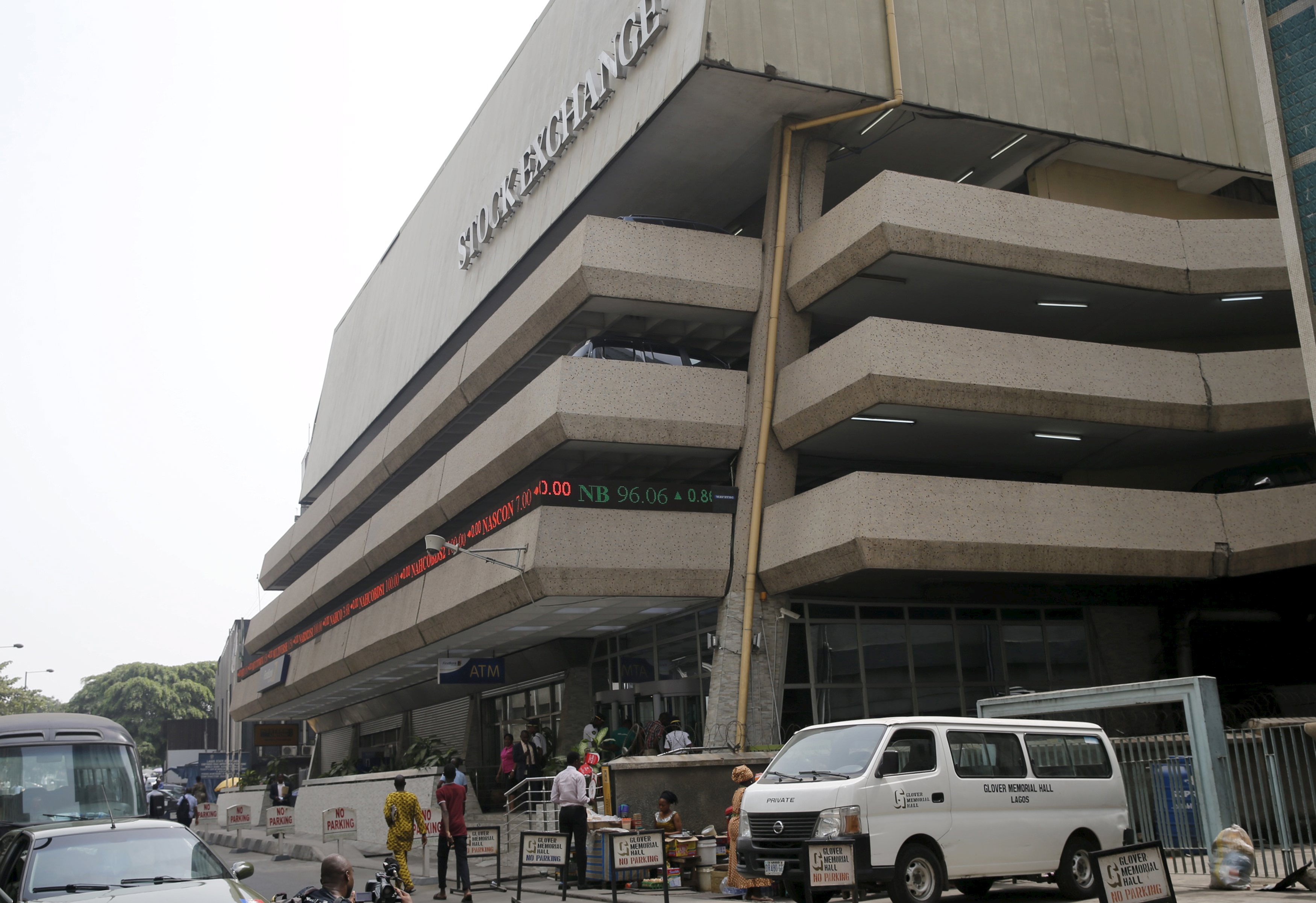
The decision of investors to book profit after the previous session’s gains pulled back Customs Street by 0.09 per cent on Thursday.
The selling pressure was mainly on BUA Cement, which put the Nigerian Exchange (NGX) Limited off-balance during the session.
Analysis of the trading data showed that the industrial goods sector was the sole decliner, losing 2.85 per cent, as a result of the poor performance of BUA Cement at the market yesterday.
The other key sectors of the bourse were bullish, with the banking space up by 2.87 per cent. The consumer goods index appreciated by 0.30 per cent, the insurance counter improved by 0.16 per cent, and the energy segment rose by 0.08 per cent.
At the close of business, the All-Share Index (ASI) went down by 221.14 points to 242,145.61 points from 242,366.75 points, and the market capitalisation decreased by N32 billion to N156.207 trillion from N156.239 trillion.
Eunisell crashed by 10.00 per cent to N189.00, BUA Cement lost 9.99 per cent to quote at N275.60, CAP declined by 9.61 per cent to N142.45, Royal Exchange slipped by 9.55 per cent to N1.42, and Guinea Insurance tumbled by 5.38 per cent to 88 Kobo.
Conversely, First Holdco soared by 9.96 per cent to N87.25, McNichols gained 8.00 per cent to trade at N5.40, UBA appreciated by 7.93 per cent to N44.25, Veritas Kapital jumped by 6.85 per cent to N1.56, and Jaiz Bank chalked up 4.07 per cent to settle at N8.95.
It was observed that the market breadth index was positive after the exchange closed the session with 22 price losers and 27 price gainers, representing strong investor sentiment.
A total of 498.5 million shares valued at N34.9 billion were traded in 39,484 deals on Thursday, in contrast to the 476.3 million shares worth N29.6 billion transacted in 40,992 deals on Wednesday. This indicated that the trading volume grew by 4.66 per cent, the trading value increased by 17.91 per cent, and the number of deals depreciated by 3.68 per cent.
Japaul ended the day as the busiest equity after trading 77.7 million units for N231.5 million, Access Holdings sold 41.2 million units valued at N1.0 billion, First Holdco exchanged 38.8 million units worth N3.4 billion, UBA transacted 31.5 million units for N1.4 billion, and Fidelity Bank traded 23.8 million units worth N495.0 million.
