Connect with us

General

Ethiopia: Dams, Plantations Threat to Kenyans

Published

on

By Dipo Olowookere

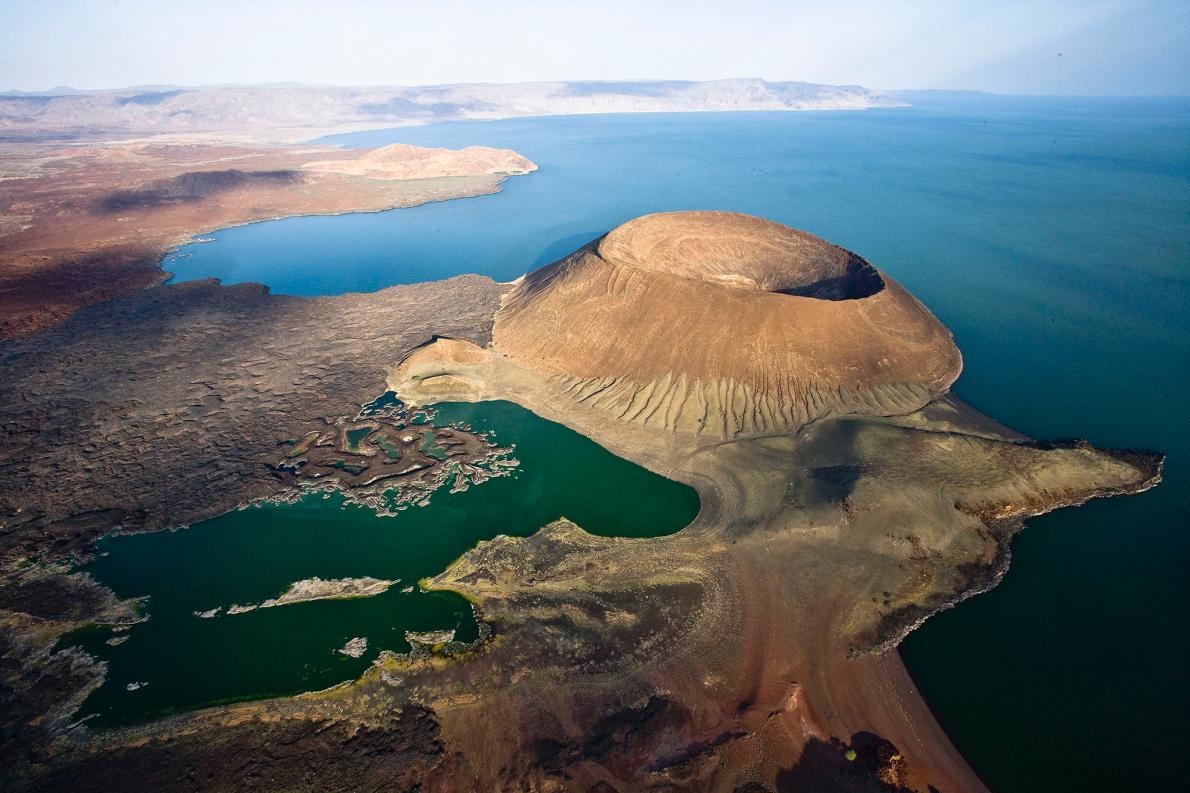
Dropping water levels in Kenya’s Lake Turkana following the development of dams and plantations in Ethiopia’s lower Omo Valley threaten the livelihoods of half a million indigenous people in Ethiopia and Kenya, Human Rights Watch said today.

Based on publicly available data from the United States Department of Agriculture, Lake Turkana’s water levels have dropped by approximately 1.5 meters since January 2015, and further reduction is likely without urgent efforts to mitigate the impact of Ethiopia’s actions.

Human Rights Watch research based on satellite imagery shows that the drop is already affecting the shoreline of the lake, which has receded as much as 1.7 kilometers in Ferguson Gulf since November 2014. The Gulf is a critical fish breeding area, and a key fishing ground for the indigenous Turkana people.

“The predicted drop in the lake levels will seriously affect food supplies in the Omo Valley and Lake Turkana, which provide the livelihoods for half a million people in both Kenya and Ethiopia,” said Felix Horne, senior Africa researcher at Human Rights Watch. “The Ethiopian government’s moves to develop its resources should not endanger the survival of indigenous people living downstream.”

In 2015, the reservoir behind the new Gibe III dam in Ethiopia began filling. Water that previously flowed unimpeded into Lake Turkana, replenishing seasonal drops in lake levels, has since been held behind the Gibe III dam.

In 2015, the annual July-November flood from the Omo River into Lake Turkana did not occur, resulting in a drop of water levels of 1.3 meters from November 2014.

The very limited artificial release of water from Gibe III in 2016 was not enough to replenish water levels in Lake Turkana. As of January 30, 2017, lake levels were approximately 1.5 meters lower than they were two years earlier according to the data.

People living in fishing communities along Lake Turkana who spoke to Human Rights Watch in August 2016, were generally aware of the risks posed by Gibe III but largely uninformed about the plantations and the devastating impact they could have on their livelihoods.

When Human Rights Watch visited communities around Ferguson Gulf on the western lake shores that month, local residents had noticed changes from previous years in the lake levels.

People who depend on fishing for their livelihood said that their daily catch has been reduced. One 50-year-old woman living near Lake Turkana told Human Rights Watch in August 2016: “It has been difficult these days…the main issue has been hunger.

There is reduced water in the lake.” While multiple factors contribute to the decline, including overfishing and unsustainable fishing practices, a further drop in lake levels will most likely reduce catches even further.

The Kenyan government has done little to address the impact from Ethiopia’s Omo Valley development, or to press Ethiopia to take steps to mitigate the damage and to consult with and inform affected communities about the impact of the project.

The governments of Kenya and Ethiopia should urgently work with these communities to ensure upstream industrial works does not devastate their livelihoods, Human Rights Watch said.

In addition to the industrial developments in lower Omo, climate change is exacerbating the already significant problems the Turkana people face in getting sufficient food and water, and maintaining their health and security.

“The Ethiopian government has shown scant regard for the lives and livelihoods of already marginalized communities who are reliant on the Omo River and Lake Turkana for their livelihoods,” Horne said. “In its rush to develop its resources it has not developed strategies to minimize the impact on those living downstream.”

Ethiopia’s Gibe III dam, which opened on December 17, 2016, is a key component of a massive industrial project in the lower Omo Valley that includes a cascade of water-intensive mega dams, and sugar and cotton plantations.

The sugar plantations have been under development in the Omo Valley since 2011. Based on Human Rights Watch estimates derived from satellite imagery, approximately 19,500 hectares of land has been cleared on the east bank of the river for sugar plantation development.

An additional 10,500 hectares has been prepared for irrigation on the west bank. The sugar plantations are planned to be 100,000 hectares. According to the Ethiopian Sugar Corporation, the first of the four sugar processing factories should be ready to begin production in early 2017.

In Ethiopia, livelihoods of those living in the Omo Valley depend on cattle grazing and planting crops in the rich alluvial soil along the banks of the Omo River. This alluvial soil is replenished by the annual flood, which deposits water and nutrient rich sediment along the banks. A lack of floods in 2015 and an inadequate artificial flood in 2016 are making it more difficult to grow food along the Omo River.

Some communities have also reported restricted access to the Omo River and food shortages in 2016.

Furthermore, the plantations necessitate clearing of land used by agro-pastoral indigenous groups including the Bodi and the Mursi. The Bodi have been the most heavily affected, with a significant area of their land cleared.

“The projections of the water drawdown on Lake Turkana, routinely rubbished by Ethiopia’s government, are coming true and lake levels have started dropping,” Horne said. “This should serve as a warning about what could happen if the Ethiopian government continues to ignore the needs of downstream communities in its rush to develop its resources.”


Dipo Olowookere is a journalist based in Nigeria that has passion for reporting business news stories. At his leisure time, he watches football and supports 3SC of Ibadan. Mr Olowookere can be reached via [email protected]

Advertisement
Click to comment

Leave a Reply

Your email address will not be published. Required fields are marked *

General

NECA’s Annual Retreat for Business Managers, Executives Holds April 16

Published

on

NECA Adewale Smatt-Oyerinde

By Aduragbemi Omiyale

The annual retreat for business managers and executives organised by the Nigeria Employers’ Consultative Association (NECA) will take place from April 16 to 18, 2026, at the AAE & T Hotel, Kuto, Abeokuta, Ogun State.

This year’s edition is themed The Resilient Enterprise, People and Systems: Building and Managing Businesses that Outlive Seasons, Cycles and Crises.

The programme aims to equip leaders with the insights, tools, and networks required to build resilient organisations in an increasingly complex business environment.

It will provide a unique platform for executive-level engagement through high-level conversations, peer learning sessions with experienced leaders, strategy reflection workshops, and curated networking opportunities.

Expected to attend are industry leaders, senior executives, and business managers from across sectors. They will explore strategies for sustaining organisational performance through leadership transitions, economic cycles, regulatory shifts, and market disruptions.

Participants will also benefit from interactive discussions focused on strengthening corporate governance, developing agile leadership capabilities, and building organisational systems that can withstand periods of uncertainty and transformation.

A notice from NECA said the event is open to both members and non-members, with participation fees set at N300,000 for members and N320,000 for non-members. Discounts will also be available for Gold and Silver members, subject to applicable terms and conditions.

Interested participants are encouraged to register via the official registration link to secure their place at the retreat, which promises to deliver valuable insights and connections for executives seeking to build enterprises capable of thriving through seasons of change and uncertainty.

The Director-General of NECA, Mr Adewale Smatt-Oyerinde, noted that by convening business managers and senior executives in a collaborative learning environment, the association aims to contribute to the development of stronger, future-ready enterprises that can drive economic growth, create jobs, and support national development even in the face of evolving global and local challenges.

He added that the retreat will provide executives with the opportunity to step away from daily operational demands and engage in deeper strategic conversations with peers and industry experts.

“The theme of this year’s retreat speaks directly to the realities businesses face today. Across sectors, organisations are navigating leadership transitions, regulatory shifts, economic pressures, and technological disruption.

“What distinguishes enduring enterprises is their ability to build strong systems, develop capable leaders, and create organisational cultures that can adapt and respond effectively to change,” the NECA chief said.

Continue Reading

General

Egbin Power Commissions 80 New Staff Housing Units

Published

on

Egbin Power 80 New Staff Housing Units

By Modupe Gbadeyanka

In further demonstration of its unwavering commitment to its workforce, Nigeria’s foremost power generation company, Egbin Power Plc, has unveiled 80 new residential housing units for employees within its plant premises in Egbin, Lagos State.

This comprises 40 fully furnished three-bedroom apartments and 40 furnished studio apartments, all designed to contemporary standards.

The units feature modern infrastructure and thoughtfully planned utilities, creating a safe, comfortable, and conducive living environment that supports both employee productivity and family well-being.

This strategic investment underscores the company’s philosophy that a well-supported workforce is fundamental to sustained operational excellence.

The new housing units are part of a holistic strategy to cultivate a stable, motivated, and future-ready workforce.

This strategy extends beyond infrastructure to encompass robust career development and recognition. Over the past three years, Egbin Power has promoted 112 employees across various cadres, reinforcing a culture that rewards merit, performance, and long-term dedication

“At Egbin Power, our people are our most valuable asset. Even amidst the prevailing liquidity and operational realities within the broader power sector, our focus on employee welfare has remained deliberate and consistent.

“This significant expansion of our residential estate is a tangible expression of that commitment.

“It is one of several key initiatives aimed at ensuring our employees feel genuinely supported, allowing them to thrive both personally and professionally,” the chief executive of Egbin Power, Mr Mokhtar Bounour, said.

Initiated in 2025 and completed in January 2026, this project is the latest milestone in Egbin Power’s structured and ongoing approach to enhancing employee welfare. It reflects the energy firm’s dedication to fostering a culture where every team member feels valued, secure, and motivated.

Continue Reading

General

NGX Group, CSCS, WIMBIZ to Ring Bell for Gender Equality

Published

on

Ring Bell for Gender Equality

By Aduragbemi Omiyale

On Tuesday, March 10, 2026, at the Nigerian Exchange Group House in Lagos, the role of capital markets in promoting gender equality will be reemphasised through the closing gong ceremony in commemoration of International Women’s Day 2026.

The ceremony is part of the global Ring the Bell for Gender Equality campaign, which mobilises stock exchanges worldwide to expand women’s participation in the economy and advance gender-inclusive practices.

In Nigeria, the NGX Group is partnering with the Central Securities Clearing System (CSCS) Plc and Women in Management, Business and Public Service (WIMBIZ) to make it memorable under the theme Rights. Justice. Action. For ALL Women and Girls.

Dignitaries expected at the ceremony include the Minister of State for Foreign Affairs, Mrs Bianca Odumegwu-Ojukwu; the First Lady of Imo State, Mrs Chioma Uzodimma; the Executive Commissioner for Legal and Enforcement at the Securities and Exchange Commission (SEC), Ms Frana Chukwuogor; foremost actor, Ms Funke Akindele; a Director at the NGX Group, Ms Ojinnika Olaghere; and another staffer of NGX Group, Mrs Fatima Wali-Abdulrahman, alongside board members of NGX Group, regulators, capital market stakeholders, and industry leaders.

NGX Group is joining other exchanges worldwide in sounding the NGX Gong to underscore the importance of inclusive leadership, equal opportunities, and stronger market accountability in advancing gender equality.

Continue Reading

Trending