Connect with us

Brands/Products

TRUMP 2.0: How Nigerian Media Is Tracking Trump’s Presidency and Why Brands Should Care

Published

on

donald trump 47th US President
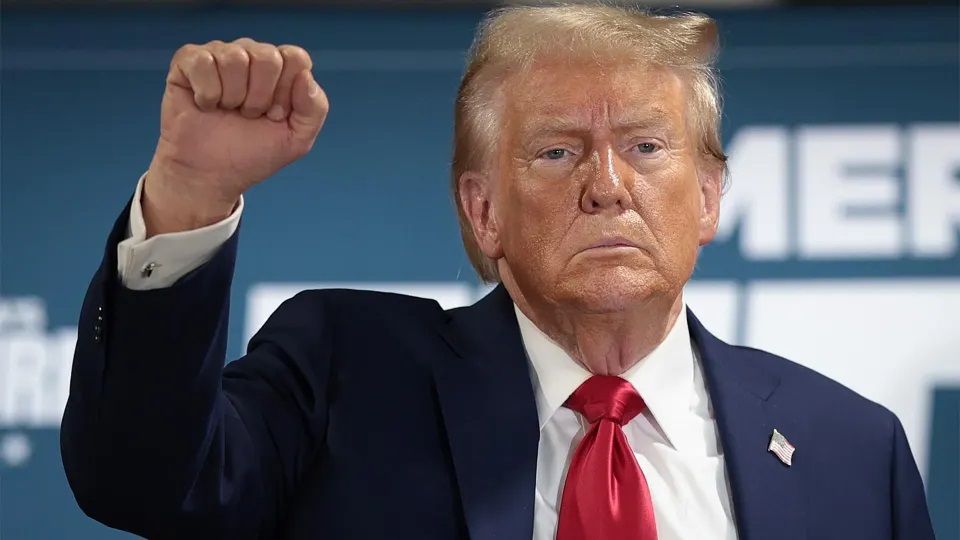
Donald Trump’s inauguration as the 47th President of the United States has once again thrust the world’s attention to the U.S., with Nigerian media providing significant coverage and analysis. From policy implications to economic ties, Trump’s re-entry into the White House holds implications for global geopolitics, especially for Nigeria. This article explores the Nigerian media’s portrayal of Trump’s return to power, the sentiment reflected in the coverage, and the critical role of continuous media monitoring and intelligence for policymakers, businesses, and global brands operating in Nigeria.

Nigerian media has been abuzz with discussions ranging from Trump’s controversial policies during his first term to speculations about what his leadership could mean for Africa. During the inauguration, notable themes of economic revival and national pride were underscored, with Trump promising a “golden age” for America. (NPR.org) Yet, Nigerian outlets have cautiously emphasized the risks his leadership might pose to U.S.-Africa relations, focusing on issues like trade, immigration, and foreign aid.

Nigerian media monitoring and intelligence consultancy P+ Measurement Services have identified a few critical trends in Trump-related coverage within Nigeria:

  1. Media Exposure Share: Analysis shows that 58% of the stories about Trump’s inauguration and its potential impact on Nigeria appeared in major print and online publications such as The Guardian NigeriaDailypost.ng, and ThisDay. Broadcast media accounted for 29% of coverage, while social media discussions made up the remaining 13%. This distribution underscores the importance of print and online platforms in shaping public perception and discourse.
  2. Sentiment Analysis: Neutral to negative sentiments dominated the narrative, with 62% of analyzed articles adopting a cautious tone. Coverage focused on concerns over Trump’s history of unpredictable policies, trade wars, and his limited engagement with Africa during his previous term. Positive sentiment accounted for just 21%, largely emphasizing hopes for improved trade relations or potential policy shifts favoring Africa.
  3. Earned Media Performance: Media intelligence from P+ Measurement Services highlights that Nigeria generated significant earned media exposure about Trump, with mentions of “Nigeria” in U.S. inauguration coverage up by 19% compared to Biden’s inauguration four years ago. However, much of this media engagement stemmed from concerns rather than optimism.
  4. Reputation and Policy Context: Trump’s first presidency saw restrictions on immigration and limited engagement with African development initiatives. Many Nigerian commentators fear his return could amplify these challenges, particularly around visas, trade agreements like AGOA, and strategic defense collaborations.

The results emphasize the necessity of continuous media monitoring and intelligence for three key stakeholder groups in Nigeria:

  • Policymakers: Nigerian government officials must leverage near-real-time media analysis to understand policy shifts in Washington and how they impact Nigeria. With the U.S. being a major trading partner, monitoring Trump’s statements, speeches, and executive orders can provide early warnings about potential changes to tariffs, sanctions, or aid structures. Policymakers can use this data to craft timely responses and maintain Nigeria’s strategic positioning on the global stage.
  • Corporate Brands in Nigeria: Companies engaged in sectors such as agriculture, oil and gas, and technology must monitor global economic trends sparked by Trump’s policies. For example, renewed energy dominance strategies by the U.S. may disrupt Nigeria’s crude oil exports. Similarly, stricter immigration laws could limit talent mobility for Nigerian tech firms with global ties.
  • Global Brands Operating in Nigeria: Multinationals like Procter & Gamble MTN Nigeria , and The Coca-Cola Company must consider how Trump’s “America First” policy could impact supply chains, investments, and partnerships. Continuous media sentiment tracking within Nigerian media offers these brands valuable insights into local consumer behavior and reputation management in response to U.S. policy shifts.

As we look ahead, Trump’s policies and their global implications will continue to shape media narratives in Nigeria. Understanding the evolving landscape requires consistent monitoring and deeper media analysis. Nigerian stakeholders—across public and private sectors—must remain agile, leveraging insights derived from structured media intelligence to safeguard their interests and anticipate changes effectively.

Philip Odiakose is a leader and advocate of PR measurement, evaluation and media monitoring in Nigeria. He is also the Chief Media Analyst at P+ Measurement Services, a member of AMECNIPR and AMCRON

Click to comment

Leave a Reply

Your email address will not be published. Required fields are marked *

Brands/Products

Airtel Africa Launches Starlink Mobile in DRC

Published

on

Airtel Starlink Mobile

By Modupe Gbadeyanka

The first commercial deployment of satellite-to-mobile service in Africa has been launched by Airtel Africa in the Democratic Republic of the Congo (DRC).

This was made possible through the partnership between Airtel Africa and Starlink, enabling customers of Airtel with compatible smartphones to access connectivity in non-terrestrial areas wherever they can see the sky.

Starlink, the world’s largest satellite-to-mobile constellation with 650 launched satellites, enables light-data apps, including WhatsApp messaging, as well as SMS. Customers do not require specialised equipment or a separate device to access the service.

To use the service, customers must have a compatible LTE Android smartphone, an active Airtel DRC data bundle or data roaming switched on. In the future, the service will also be supported on Apple devices.

Recall that the journey to this milestone began when Airtel Africa and Starlink sealed a strategic partnership in December 2025. This was followed by the successful testing of Starlink Mobile data and messaging services in Kenya in March 2026. DRC is the first Airtel Africa market – and the first country in Africa – where the service has progressed to commercial deployment.

The service is expected to be particularly valuable to people and organisations operating in remote areas, including transport and logistics operators, humanitarian organisations, health workers, farmers, mining operations and communities beyond the reach of existing terrestrial networks. It will also support access to essential communications during emergencies, natural disasters and temporary terrestrial network disruptions.

Eligible customers can register through the MyAirtel App to receive free trial access to the service for an introductory 30-day period. Customers travelling to DRC and joining Airtel DRC can also register for the trial after activating an eligible service and downloading the MyAirtel App.

Following the introductory period, customers will continue accessing Starlink Mobile through eligible Airtel data bundles.

“The first-ever commercial launch of Starlink Mobile in Africa is a significant milestone for Airtel Africa through our partnership with SpaceX.

“By combining Airtel’s terrestrial network with Starlink’s satellite technology, we are extending essential connectivity beyond the limits of conventional mobile infrastructure.

“The DRC is leading this important development, and the experience gained here will support the progressive expansion of the service across our markets, subject to country-specific regulatory approvals,” the chief executive of Airtel Africa, Mr Sunil Taldar, stated.

Also commenting, the chief executive of Airtel DRC, Mr Theirry Diasnoma, said, “The commercial launch of Starlink Mobile is an important step in extending essential connectivity across the DRC. Our country’s size and geography mean that many people live, work and travel beyond the reach of conventional mobile infrastructure.

“This service provides an additional layer of connectivity, helping customers remain reachable, informed and connected even in areas where terrestrial coverage is unavailable.”

Continue Reading

Brands/Products

Jumia Raises $50m in IFC-Led Funding to Drive African E-Commerce Growth

Published

on

Jumia

By Adedapo Adesanya

African e-commerce platform Jumia has secured $50 million in post-IPO equity financing, led by a $25 million investment from the International Finance Corporation (IFC), a member of the World Bank Group, as the company strengthens its financial position and accelerates its path to profitability.

The funding round, which also attracted existing major shareholders and selected new investors, comes as Jumia reported strong operational growth in the second quarter of 2026 and reaffirmed its target of achieving adjusted EBITDA breakeven in the fourth quarter of the year and profitability in 2027.

Jumia’s Q2 performance showed continued momentum across its core markets. Revenue increased 14 per cent year-on-year to $52 million, while gross merchandise value (GMV) rose 20 per cent to $216.3 million. Orders grew 28 per cent, quarterly active customers increased 24 per cent, and gross profit climbed 28 per cent to $30.7 million.

The company also reduced its adjusted EBITDA loss by 36 per cent to $8.7 million, pointing to improving operating efficiency as it works towards sustained profitability.

Nigeria emerged as one of Jumia’s strongest-performing markets during the quarter, with GMV rising 36 per cent and orders increasing 34 per cent year-on-year.

The company also recorded a 96 per cent increase in gross items sold from international sellers, driven by an expanding base of Chinese merchants and growing affordable fashion supplies from Turkey.

The new capital comes at a critical stage in Jumia’s turnaround strategy. Its liquidity position stood at $48.3 million at the end of the quarter, representing a $14.3 million decline during the period. The additional funding is therefore expected to strengthen its runway as the company moves towards its 2026 breakeven target.

Beyond strengthening Jumia’s balance sheet, the IFC investment is expected to expand economic opportunities across the markets where the company operates.

The World Bank Group said the investment could enable about 60,000 local active sellers annually to participate more fully in the digital economy, support approximately 1,800 direct jobs and create income-generating opportunities for more than 100,000 independent sales agents.

The IFC said the investment would support Jumia’s next phase of growth by strengthening its integrated marketplace and logistics network, while expanding access to digital commerce tools and services for businesses across Africa.

According to the development finance institution, stronger digital commerce infrastructure can help entrepreneurs and small businesses increase sales, improve productivity, access wider markets and connect consumers with a broader range of affordable products.

“The support of the World Bank Group is a milestone for Jumia and for African e-commerce more broadly,” Jumia Chief Executive Officer, Mr Francis Dufay, said.

He added that the investment validates the company’s efforts to improve its business discipline while recognising its impact on small businesses, jobs and consumers across its eight markets.

“With partners like the IFC, we can accelerate the digital commerce infrastructure Africa needs,” Mr Dufay said.

IFC Director for Equity, Funds, and Venture Capital, Mr Farid Fezoua, said Jumia demonstrates how pan-African e-commerce platforms can expand economic opportunities at scale.

“Our investment supports the company’s next phase of growth while contributing to creating jobs, digitising supply chains and distribution channels, and mobilising private investment,” Mr Fezoua said.

Jumia, however, continues to face operational pressures, including supply disruptions affecting phones and electronics, higher fuel costs and weaker demand in Ivory Coast amid falling cocoa prices.

The company also exited Algeria earlier in 2026, while its continued shift from first-party to third-party sales is changing its revenue structure.

Continue Reading

Brands/Products

Airtel Nigeria Expands Retail Footprint with 350 New Experience Centres

Published

on

Airtel Nigeria SIM update

By Modupe Gbadeyanka

As part of efforts to expand its national retail footprint, Airtel Nigeria has rolled out 350 of the planned 500 premium experience centres designed to bring faster, more convenient service closer to millions of Nigerians.

Built as compact, high-efficiency touchpoints, the newly launched shops are designed to enable subscribers complete all transactions such as Home Broadband, Fibre and Outdoor Units Subscription, Postpaid Plan Subscription, Enterprise Applications Enquiry and Subscription, as well as Prepaid Product services such as SIM registration and Data Plan purchase, other enquiries and comprehensive account support.

They have been integrated into Airtel Nigeria’s broader customer experience agenda, which have seen the company continue to invest in digital self-service platforms, AI-powered customer support, nationwide customer forums, and significant network expansion across the country.

The rollout emphasises the organisation’s continued investment in customer experience and responds directly to feedback from customers seeking quicker access to everyday services without the longer waiting times that may be associated with larger retail centres.

At a symbolic launch held at City Mall, Onikan, Lagos, the Director of Sales and Distribution for Airtel Nigeria, Mr Joypratip Sengupta, said, “Our goal is to demonstrate our dedication to exceptional quality of service, and these new shops, by their design, location, and equipment fit right within our goal to deliver superior service to every one of our customers.”

He added that the expansion reflects Airtel Nigeria’s belief that excellent customer experience goes beyond technology to ensuring customers can receive support whenever and wherever they need it.

“Our business at Airtel is to ensure that we bring our services closer to our customers, and everything we do is centred on putting the customer first. These experience centres are open to help customers carry out their transactions faster and with greater ease.

“Whether you want to replace a SIM, purchase one of our routers, recharge airtime or data, or resolve any service issue, you can now do so more conveniently and closer to where you are,” he further stated

He explained that the initiative represents a significant update to Airtel’s retail strategy, placing greater emphasis on accessibility, speed, and convenience.

“These express shops are designed to reduce traffic at our larger shops while giving customers faster access to the services they need. More importantly, they reinforce our vision of building the most accessible customer service network in Nigeria. As the telecom operator with the country’s largest retail footprint, we will continue expanding into more neighbourhoods, making it easier for customers to connect with Airtel wherever they are,” Mr Sengupta noted.

In her remarks at the launch, the Head of Shops and Retail Postpaid Business at Airtel Nigeria, Ms Lynda Amechi, disclosed that the new retail model was born from listening to customers and reimagining how Airtel delivers its services.

“At Airtel, some of our best ideas come directly from our customers. One of the recurring concerns we received was the time customers sometimes spent waiting at our larger experience centres, even when they only needed simple transactions completed.

“We listened carefully and realised that many of these requests could be resolved within minutes if we brought our services closer to the communities where customers live and work.” She said.

Continue Reading