

General
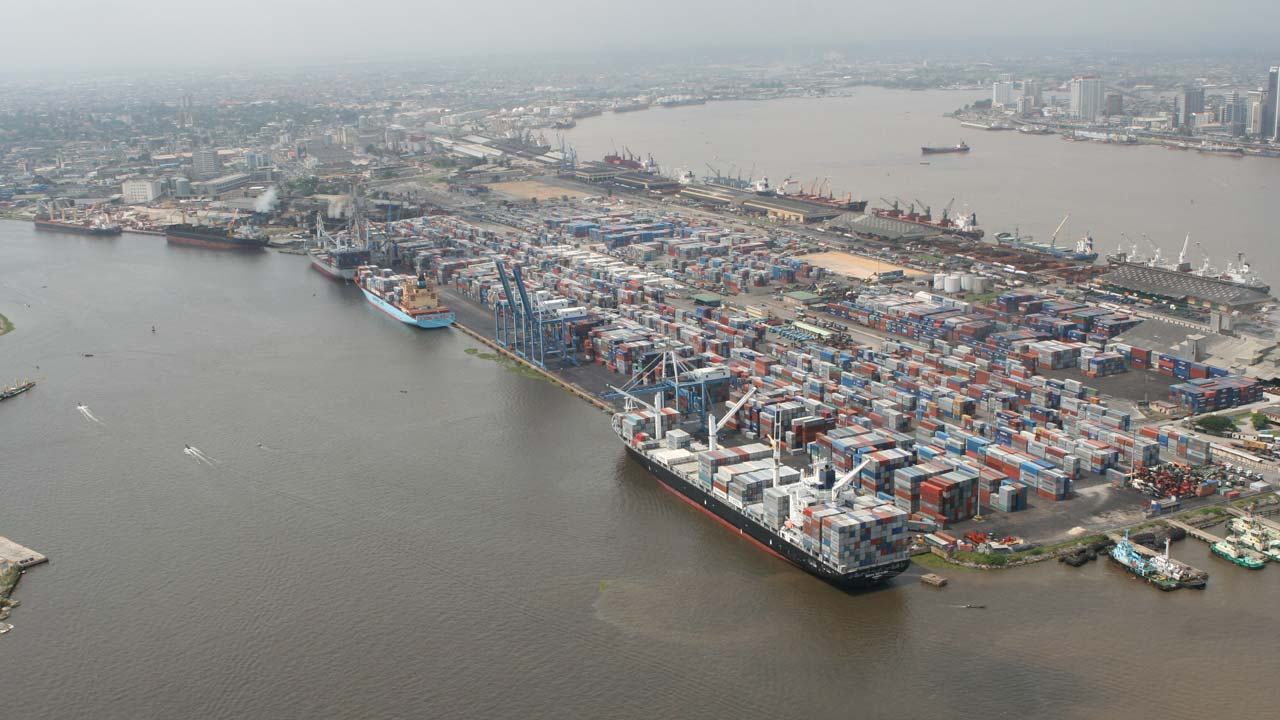
Shippers Lament High Berthing Charges in Nigeria, Seek Reduction

By Adedapo Adesanya
Shipping stakeholders under the aegis of the Shipping Agencies, Clearing and Forwarding Employers Association (SACFEA) have called on the federal government to urgently reduce taxes for shippers.
The group warned that exorbitant port charges are driving business away from Nigerian ports to neighbouring countries.
At a recent press conference in Lagos, SACFEA Chairman, Mrs Boma Alabi, highlighted that it now costs around $200,000 to berth an average cargo vessel in Nigeria, following a recent 15 per cent increase in marine service charges by the Nigerian Ports Authority (NPA).
She decried that this is in stark contrast to other countries, drawing examples that the same service costs just $15,000 at Ghana’s Tema Port, noting that Nigeria’s fees are 1,233 per cent higher in Ghana.
She added that this would force the hands of stakeholders to try cheaper alternative routes, cutting them out of the equation.
Mrs Alabi said that neighbouring ports, including those in Cotonou and Lome, offer significantly lower berthing charges, making Nigerian ports uncompetitive.
For example, she said berthing a vessel costs $26,000 in Lome (Togo), $27,000 in Cotonou (Benin Republic), $29,000 in Singapore, $21,000 in Shanghai, and $60,000 in Abidjan (Cote d’Ivoire).
The SACFEA chairman pointed out that smaller neighbouring countries have taken advantage of Nigeria’s high costs to attract cargoes originally destined for Nigerian ports.
She cited Terminal 3 at Ghana’s Tema Port, a dedicated container terminal with three berths capable of handling ships up to 366 meters in length and 16 meters draught – which processes 1.9 million Twenty Equivalent Units (TEUs) annually compared to Nigeria’s 1.2 million TEUs.
Mrs Alabi expressed concern that increased charges and indirect taxes are making Nigeria’s business environment hostile to investment.
She warned that no new factories or manufacturing companies are emerging while the unemployment rate continues to climb.
“We were not informed about the charges before the government implemented them,” Mrs Alabi said, adding that “The government should make ports competitive and attractive through reduced charges. Lower charges will increase cargo throughput, generating more revenue and creating jobs for the youth.”
She also listed multiple charges from government agencies, decaying quay aprons, congested port access roads, poor road conditions, and illegal tolls as factors contributing to the high cost of doing business at Nigerian seaports.


