Connect with us

Health

Lagos Raises Alarm on Cerebrospinal Meningitis

Published

on

By Modupe Gbadeyanka

Commissioner for Health in Lagos State, Dr Jide Idris, has alerted members of the public on recorded cases of Cerebrospinal Meningitis (CSM) in some states in the country and the need to report suspected case to the nearest public health facility.

Dr Idris said the spread is caused by a new strain of CSM causative agent, known as Neisseria Meningitides type C, which is slightly different from the causative agent of the seasonal CSM and that the disease, was a dangerous and a life threatening one because it affects the thin layers of the tissue around the brain and spinal cord of an infected person.

He further explained that Cerebrospinal Meningitis is an epidemic prone disease that spreads from person to person through contact with discharges or droplets from nose and throat of an infected person. It can also be transmitted through kissing, sneezing and coughing especially amongst people in close quarters, hotels, refugee camp, barracks, public transportation and areas with poor ventilation or overcrowded places.

The Commissioner noted that though seasonal Meningitis outbreak usually affects mainly the Northern States that fall within the meningitis prone belt of the country, it is not impossible that outbreaks can occur in other parts of the country, Lagos inclusive, in view of the phenomenal climatic change as well as the high human migration.

He, however, maintained that no case of CSM has been recorded in Lagos State contrary to what has been published, adding that, “But as a responsive government, we deem it fit to alert the public on the inherent danger of the disease”.

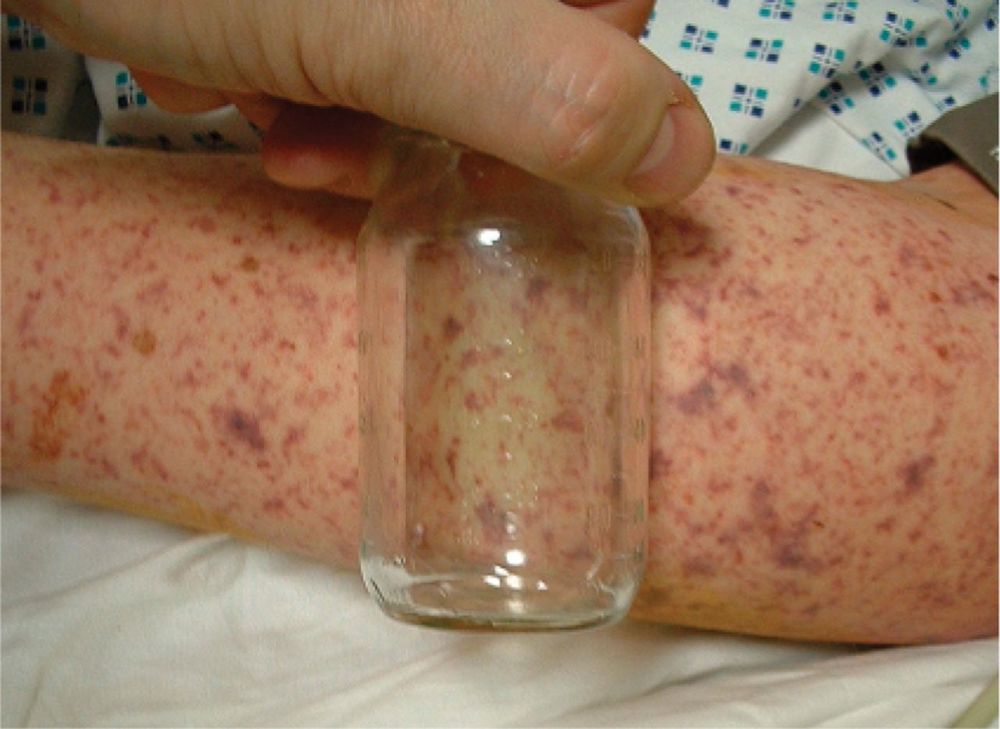
Dr Idris explained that the symptoms of the disease include high body temperature, pain and stiffness of the neck, headache, vomiting, restlessness and confusion, stressing that it may result in the death of the victim if not promptly and properly managed.

The Commissioner, therefore, emphasized the need for the observance of high standards of personal and environmental hygiene as a preventive measure against the disease. He also noted that such measures should include washing of hands with soap and water frequently, avoiding direct contact with the discharges from an infected person and covering the mouth and nose when coughing and sneezing.

“It is strongly advised for people to avoid overcrowding in living quarters, provide cross ventilation in sleeping and work-rooms and other places where many people come together and get vaccinated with CSM vaccine when traveling to areas where Meningitis outbreaks have been reported”, he added.

Dr Idris noted that health workers in the State, the State Epidemiology team and the Disease Surveillance and Notification Officers (DSNOs) in all the 57 Local Governments and Local Council Development Areas have been placed on high alert in order to intensify the disease surveillance and monitoring activities.

He said the health workers are also advised to avoid close contact with suspected and probable cases of CSM based on the case description, ensure proper disposal of respiratory and throats secretions of cases, report suspected or probable cases, observe universal safety precautionary measures and make use of personal protective equipment when in contact with such cases as highlighted in the Fact-Sheets earlier forwarded to them.

While urging residents to take responsibility for their health and report cases of the symptoms aforementioned to the nearest public health facility or the Ministry of Health, the Commissioner stated that the State Government had put in place all the necessary measures towards prevention of outbreak of CSM in Lagos State.

Dr Jide Idris, therefore, advised the general public to remain calm and report suspected cases to the nearest public health facility or contact Disease Surveillance Officers of the Ministry of Health on the following numbers 08037170614, 09087106072, 08023169485, 08052817243, 08026441681.


Modupe Gbadeyanka is a fast-rising journalist with Business Post Nigeria. Her passion for journalism is amazing. She is willing to learn more with a view to becoming one of the best pen-pushers in Nigeria. Her role models are the duo of CNN's Richard Quest and Christiane Amanpour.

Click to comment

Leave a Reply

Your email address will not be published. Required fields are marked *

Health

NAFDAC Strengthens Regulation of Blood, Blood Products in Nigeria

Published

on

blood products

By Modupe Gbadeyanka

As part of its efforts to safeguard public health in Nigeria, the National Agency for Food and Drug Administration and Control (NAFDAC) has strengthened its regulatory framework for blood and blood products.

A statement signed on Thursday by the Director General of NAFDAC, Prof Mojisola Adeyeye, disclosed that to achieve its goal, the agency will collaborate with relevant authorities and stakeholders to establish a robust regulatory framework that promotes the availability of safe, quality-assured and efficacious blood and blood products, while strengthening public confidence in Nigeria’s healthcare system.

NAFDAC said it intends to partner with government institutions, healthcare providers, blood establishments, development partners and other stakeholders for the robust oversight.

Mrs Adeyeye disclosed that already, her organisation has received the support of the Minister of Health and Social Welfare, Prof Ali Pate.

According to her, NAFDAC has been given the mandate to regulate blood and blood products in line with global best practices and the World Health Organisation (WHO) recommendation that these products be subject to oversight by National Regulatory Authorities (NRAs) for medicines.

She said blood and blood products are classified as essential medicines and must be consistently available with assured quality, safety and affordability, stressing that the aim is to protect patients throughout the blood transfusion chain.

Effective regulatory oversight will support the quality and safety of blood products from donor assessment and collection through testing, processing, storage, transportation and use, the NAFDAC chief noted.

Several African countries, including Egypt, Ghana, South Africa, Tanzania, Zimbabwe, Senegal and Rwanda, have already established regulatory oversight of blood and blood products by their NRAS, she added.

Mrs Adeyeye pointed out that NAFDAC’s renewed regulatory preparedness builds on its broader transformation into a modern, science-based regulatory authority.

Already, it has attained WHO Maturity Level 3, completed WHO Global Benchmarking ML3 re-assessment, obtained WHO prequalification for its drug laboratory, and established internationally accredited laboratory and quality management systems. These capabilities provide a strong foundation for the effective regulation of blood and blood products.

As part of its preparedness, NAFDAC has established a dedicated Vaccines, Biologicals and Medical Devices Registration and Regulation Directorate to oversee the registration and regulation of these products.

The agency established a Vaccines, Biologicals and Medical Devices Laboratory Services many years ago, but became a Directorate in 2024, responsible for quality control, including laboratory testing and lot release, while the Directorate of Evaluation and Research provides oversight of Good Manufacturing Practices. An ultra-modern laboratory facility is also being developed to further strengthen its capacity for the assessment and quality control of vaccines and biologics.

Continue Reading

Health

GoMed Offers Nigerian Students Free Reproductive Health Services

Published

on

GoMed digital self-care platform

By Modupe Gbadeyanka

An organisation known as GoMed Nigeria is offering free reproductive health services to Nigerian students through a digital self-care platform.

This is being delivered through a partnership with the United Nations Population Fund (UNFPA) and the Lagos State Government.

The pilot scheme will be available to students of the University of Lagos. They will enjoy easier and more private access to essential health products, accurate information, and professional support.

Young Nigerians face some of the highest rates of unintended pregnancy and unmet need for contraception in the world.

Cost, distance, stigma, misinformation, and fears about confidentiality routinely stop students from seeking the products and guidance they need, with consequences that include unintended pregnancy, unsafe abortion, sexually transmitted infections and interrupted education.

The self-care platform is designed to remove each of these barriers. Through the platform, students receive free contraceptives and other sexual and reproductive health commodities provided through the Lagos State Ministry of Health and UNFPA, exclusive discounts on health essentials, and fast, discreet delivery directly to campus and student hostels.

Students can also access trusted sexual and reproductive health information and services through UNFPA’s SoftLife 247 and U-Plan platforms. Through U-PLAN, they can chat directly with qualified Family Planning Service Providers to receive accurate information and address their concerns. They can also confidently engage with GoMed’s registered pharmacists for confidential, judgement-free guidance on medicines and other health products.

“Students should be able to get reliable health information and essential products without cost, distance or fear of judgement becoming barriers.

“This platform brings free sexual and reproductive health commodities, other affordable health products and professional guidance together, with discreet delivery directly to students on campus,” the chief executive of GoMed Nigeria, Mr Anthony Edeki, said.

Also speaking, UNFPA in Nigeria Resident Representative, Muriel Mafico, said, “As the UN agency mandated for “Sexual and Reproductive Health and Rights”, we are committed to reducing preventable maternal deaths and addressing the unmet need for family planning, including by providing and overseeing access to life-saving commodities worldwide.

“Working alongside our partners, we’re helping roll out the digital Self-Care Platform—so that vital, life-changing information can reach more people, more easily. Together, we want to empower Nigeria’s next generation to make informed health choices and achieve stronger health outcomes and a brighter future.”

Continue Reading

Health

FG Approves Framework for 24-hour Electricity to Hospitals

Published

on

24-hour Electricity to Hospitals

By Modupe Gbadeyanka

A financing framework to accelerate the electrification of health facilities nationwide has been approved by the federal government.

The approval was announced at the third meeting of the Inter-Ministerial Steering Committee (IMSC) of the Nigeria Power for Health Initiative (NPHI), a presidential programme jointly coordinated by the Federal Ministries of Power and Health and Social Welfare.

The committee was constituted to ensure reliable electricity in at least 30 per cent of Nigeria’s health facilities by the end of 2027.

At the meeting, chaired by the Minister of State for Health and Social Welfare, Mr Isiaq Salako, and co-chaired by the Minister of Power, Mr Joseph Tegbe, members of the Inter-Agency Technical Committee (IATC) presented the recommendations under consideration.

Speaking at the meeting, Mr Salako said the Steering Committee approved a financing framework to mobilise investment for healthcare electrification, alongside a facility energy management framework requiring participating hospitals to build sustainable systems for managing their energy infrastructure.

He said the committee also cleared eight (8) private sector proposals for further engagement, drawn from about 70 submissions received during the National Healthcare Electrification Investor Matchmaking Week in Lagos.

The Health Minister added that Energy Management Teams are already in place at federal tertiary hospitals, with state governments being encouraged to set up similar structures. The initiative will now be institutionalised through dedicated budgetary provisions and a full-time Project Coordination Unit to oversee implementation.

On his part, Mr Tegbe declared that the initiative must now move from announcements to actual project delivery.

Describing the NPHI as one of the President Bola Tinubu administration’s flagship programmes, he said the emphasis should shift towards commissioning completed projects that Nigerians can see for themselves, rather than further groundbreaking ceremonies and public messaging.

He emphasised the need for teaching hospitals, state hospitals, and primary healthcare centres to be fully energised, noting that the Rural Electrification Agency has already energised 5 Federal Teaching Hospitals and several other health facilities nationwide.

He also tied the initiative directly to patient outcomes, arguing that dependable power would end hospitals’ reliance on emergency generators, and pledged that the Ministry would continue to prioritise the initiative’s funding needs while ensuring value for money.

Continue Reading