Connect with us

Banking

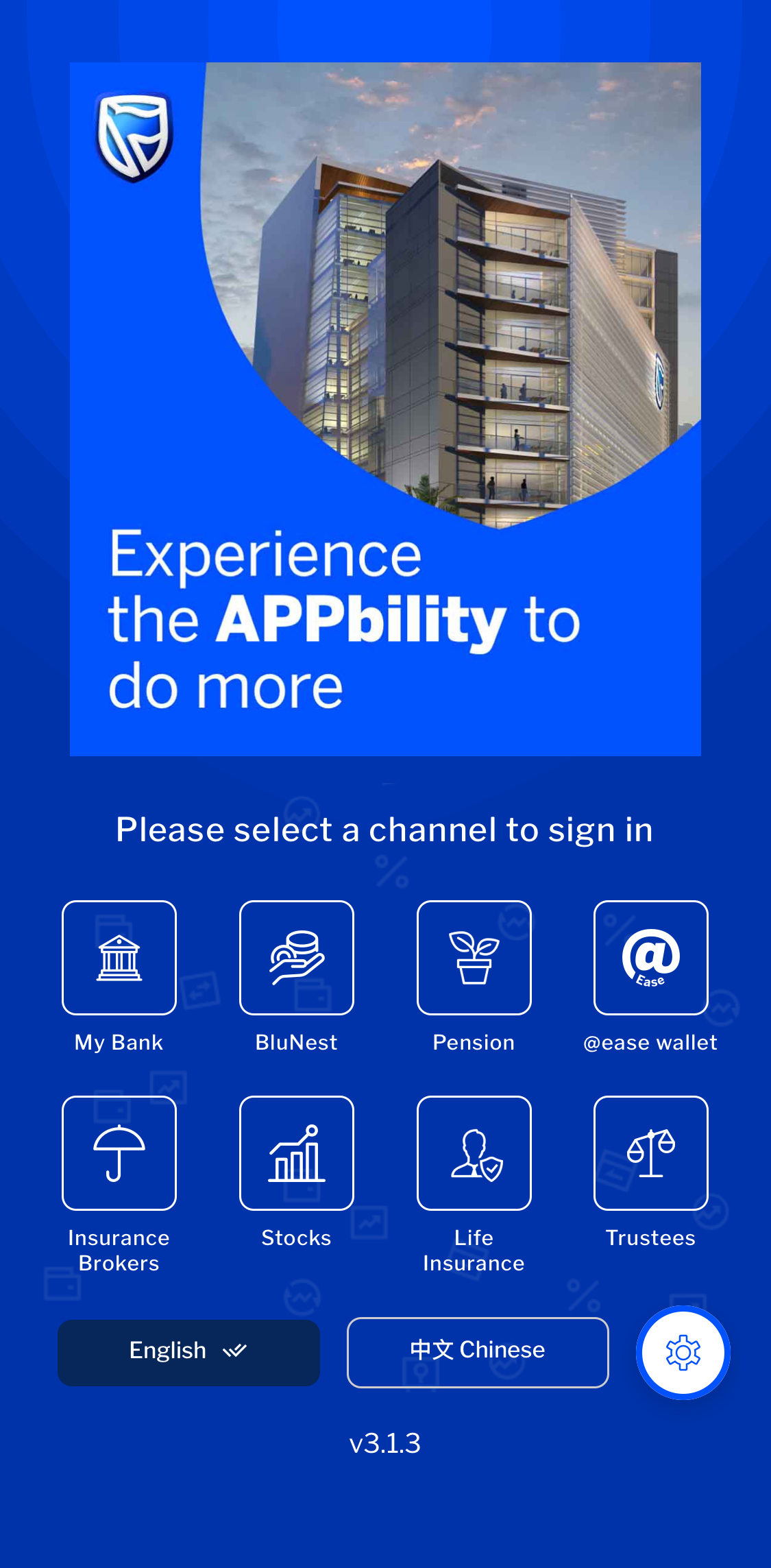
In-Depth Review of Stanbic IBTC Mobile App 3.0

Published

on

Stanbic IBTC Mobile App 3.0

Securing the Future of Finance: Unpacking the Robust Security Architecture of Stanbic IBTC Mobile App 3.0

In an era where digital interactions drive everyday banking, the security of financial transactions has become paramount. Stanbic IBTC Bank’s Mobile App 3.0 establishes a new standard for secure digital banking through a meticulously designed, multi-layered security architecture. Each customer interaction is guarded by a suite of advanced security measures, ensuring both protection and peace of mind for users navigating the digital landscape.

Comprehensive Multi-Layered Security Framework

The Stanbic IBTC Mobile App 3.0 employs a comprehensive approach to security, integrating advanced encryption, biometric and multi-factor authentication, secure coding standards, and behavioural risk profiling. This layered defence strategy is designed to counteract evolving cyber threats, meaning every login, transaction, and exchange of information remains protected. Such a holistic framework empowers customers to confidently manage their finances, knowing that robust safeguards are in place at every step.

A Shared Commitment to Security

Stanbic IBTC’s dedication to security extends beyond technological solutions; it embodies a culture of shared responsibility. As highlighted by Abumere Igboa, Chief Information Security Officer at Stanbic IBTC Holdings PLC: “Stanbic IBTC prioritises the safety of its customers and continually ensures the security of its digital platforms with innovative technology to detect, monitor and protect against online threats during financial transactions. Staying safe and secure online is a shared responsibility that begins with you and me. We must jointly support and remain committed to a safer Cyber space. Should you notice any suspicious activity when using any of our digital and online platforms, don’t delay – act promptly and reach out to our 24/7 customer support centre.” This philosophy fosters an environment where cutting-edge security tools are complemented by customer empowerment, creating a vigilant and resilient banking ecosystem.

Biometric and Multi-Factor Authentication

At the heart of the app’s security is its robust biometric and multi-factor authentication (MFA) system. This foundation ensures secure and seamless digital access by requiring multiple independent identity verification methods, moving beyond the limitations of traditional passwords. The result is a significant reduction in the risk of account takeovers, strengthening overall account security. The biometric authentication feature enables customers to utilise fingerprint or facial recognition on compatible devices, combining convenience with stringent protection. By making unauthorised access exceedingly difficult, the app upholds the premium security standards expected by its users.

Encryption and Data Security

Encryption is integral to every interaction within the app, safeguarding sensitive data both in transit and at rest. This protection prevents unauthorised interception or tampering, ensuring that critical information—such as transaction details and personal identifiers—remains inaccessible to unauthorised parties. Together, these measures create a comprehensive “defence-in-depth” security strategy.

Customer Empowerment and Self-Service Safeguards

The app further empowers users with self-service security features, allowing them to instantly immobilise their accounts upon detecting suspicious activity. Additionally, a USSD fallback option (9091*911#) is available for blocking accounts, enabling immediate action in cases such as device loss. This ensures that customers retain control and can act swiftly to protect their financial assets.

Redefining Premium Banking Security

Stanbic IBTC Mobile App 3.0 stands as a model for layered, intuitive, and resilient banking security. By embedding sophisticated features into a unified platform, the bank reinforces its commitment to safeguarding customer funds and cultivating lasting trust in an increasingly digital world. To experience these enhanced security measures first-hand, download the app from the Google Play Store or Apple App Store today, and embrace a future where financial security is at the forefront.


Advertisement
Click to comment

Leave a Reply

Your email address will not be published. Required fields are marked *

Banking

CBN Orders IMTOs to Open Naira Settlement Accounts, Stops Dollar Payments

Published

on

CBN IMTOs

By Modupe Gbadeyanka

In a bid to strengthen the Naira and ensure transparency, traceability, and effective monitoring of all transactions, the Central Bank of Nigeria (CBN) has directed all International Money Transfer Operators (IMTOs) in the country to open Naira settlement accounts for all transactions.

In a circular dated Tuesday, March 24, 2026, the apex bank said IMTOs have till May 1, 2026, to fully adhere to this directive and others.

It noted that transactions must be “routed strictly through their designated settlement accounts, maintained with Authorised Dealer Banks (ADBs) in Nigeria.”

With this development, diaspora remittances must be paid to beneficiaries in the local currency.

“All transactions arising from international money transfer operations, including disbursements to beneficiaries and any related settlements, must be processed exclusively through the IMTO’s settlement account(s) held with any ADB of their choice.

“IMTOs may use their discretion to designate their existing accounts or open new settlement accounts and may operate accounts with multiple ADBs in line with their business strategy,” the central bank emphasised.

“Settlement accounts shall only be credited with remittance flows and proceeds of foreign exchange conversions by licensed IMTOs (or their agents) with authorised market participants in the Nigerian Foreign Exchange Market (NFEM),” the notice also declared.

It stressed further that, “IMTOs shall ensure that their settlement accounts are properly designated for this purpose and operated in accordance with existing regulatory guidelines. A list of designated settlement accounts shall be advised by each licensed 1MTO to the Director, Trade and Exchange Department, and updated regularly as necessary.”

The CBN said to “support market efficiency and enhance pricing outcomes for 1MTO transactions, ADBs may process foreign currency transfers from 1MTO settlement accounts to other ADBs and approved market participants, including licensed BDCs.”

“IMTOs shall observe real-time market prices from the Bloomberg BMATCH and utilise this as guidance for pricing transactions with their customers and Authorised Dealers.

“This will improve price discovery, reduce information asymmetry between 1MTOs and banks, and encourage increased participation in the official FX market,” the disclosure stated.

Concluding, the apex bank said, “All IMTOs are required to ensure full compliance with this directive and maintain adequate records of related transactions for regulatory review and audit purposes,” reminding them to “maintain acceptable standards and comply with AML/CFT/CPF requirements.”

Continue Reading

Banking

Court Nullifies Dissolution of Union Bank Board by CBN

Published

on

union bank nigeria

By Aduragbemi Omiyale

The dissolution of the board of Union Bank of Nigeria (CBN) by the Central Bank of Nigeria (CBN) in January 2024 has been nullified by a Federal High Court in Lagos.

In a judgment on Wednesday, Justice Chukwujekwu Aneke ordered the immediate reinstatement of the affected board members.

This ruling has now invalidated all actions taken by the central bank regarding the lender’s leadership change.

Justice Aneke held that the apex bank had no authority to remove the board members, declaring the CBN’s action as “ultra vires.”

Over two years ago, the central bank changed the boards of Union Bank, Polaris Bank, and Keystone Bank, accusing them of violating “sections of the Banks and Other Financial Institutions Act (BOFIA) 2020.”

The sacking of the Union Bank board happened after it was speculated that its acquisition by Titan Trust Bank was suspicious, with some alleging that the embattled former Governor of the CBN, Mr Godwin Emefiele, sold the lender to a proxy.

“This action became necessary due to the non-compliance of these banks and their respective boards with the provisions of Section 12(c), (f), (g), (h) of the Banks and Other Financial Institutions Act, 2020. The Bank’s infractions vary from regulatory non-compliance, corporate governance failure, disregarding the conditions under which their licenses were granted, and involvement in activities that pose a threat to financial stability, among others,” a part of the statement issued by the Acting Director for Corporate Communications at the CBN, Mrs Sidi Ali Hakama, said.

Later, the apex bank appointed Ms Yetunde Oni as the chief executive of Union Bank, with Mannir Ubali Ringim appointed as an executive director.

After the CBN’s action, Titan Trust Bank, Luxis International, and Magna International, which are the core shareholders of Union Bank, challenged the legality of the action in court.

They asked the court to restrain the CBN, Union Bank and the appointed directors from taking further steps pending the determination of the suit.

At today’s judgment, Justice Aneke granted this prayer, restraining the central bank, its agents and appointees from taking any further steps concerning the financial institution, including actions relating to its proposed recapitalisation or any associated measures.

Continue Reading

Banking

Access Bank, King’s Trust International Partner on Africa’s Sustainable Growth

Published

on

access bank king's trust international

By Modupe Gbadeyanka

A partnership to expand opportunity, entrepreneurship, and sustainable livelihoods for young people across Africa has been signed by Access Bank and King’s Trust International (KTI).

The cooperation marks a significant milestone in advancing cross‑sector collaboration to address youth unemployment, foster entrepreneurship, and drive inclusive growth across Africa.

Under the agreement, Access Bank will support the delivery of KTI’s programmes that empower young people across several African countries, supporting them to gain skills and find pathways into meaningful employment and self-employment across Africa.

It was learned that the collaboration brings together KTI’s expertise in youth development with Access Bank’s pan‑African reach and long‑standing commitment to inclusive and sustainable growth.

Through this alliance, the two organisations will work to equip young people with the skills, confidence and support needed to build successful futures through employment and entrepreneurship.

“At Access Bank, we believe that empowering young people is fundamental to Africa’s sustainable growth. Our partnership with King’s Trust International reinforces our commitment to entrepreneurship, job creation and inclusive development, while enabling us to play a purposeful role in shaping the continent’s future,” the chief executive of Access Bank, Mr Roosevelt Ogbonna, stated.

The chief executive of KTI, Mr Will Straw, while also commenting, said, “This partnership with Access Bank reflects a shared commitment to unlocking the potential of young people across Africa. By combining our experience in youth development with Access Bank’s scale and leadership across the continent, we can create meaningful pathways to opportunity and long‑term impact.”

The signing ceremony was witnessed by senior leaders and representatives from both organisations, alongside distinguished guests, including Mr Aigboje Aig‑Imoukhuede, who is the co-Chair of KTI Africa Advisory Board and Chairman of Access Holdings Plc.

Continue Reading

Trending