Connect with us

Sports

Play-to-Own Economies in Mainstream Games

Published

on

Digital Gaming Economies

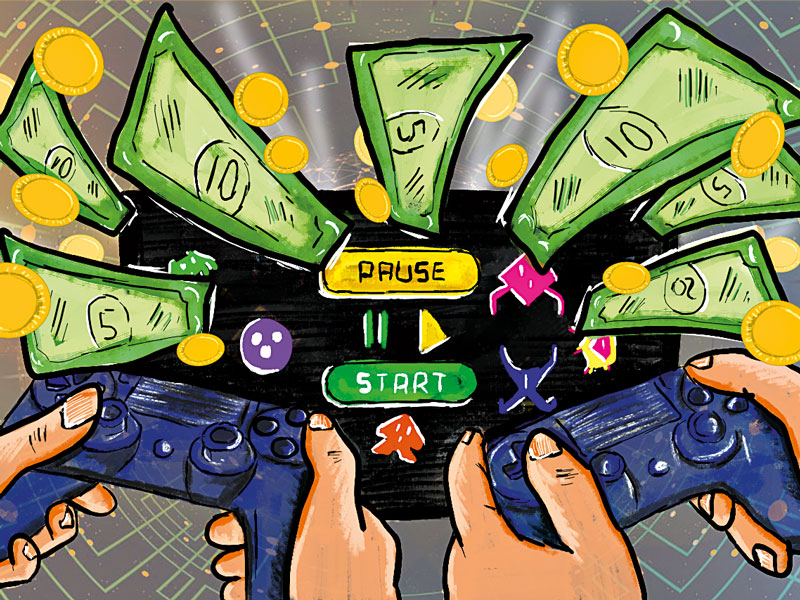
Have you ever stopped to think about the value of your digital inventory? For decades, gamers have poured thousands of hours—and often thousands of dollars—into unlocking rare character skins, powerful weapons, and unique mounts. In the traditional gaming world, these items are essentially “rented.” You pay for the privilege of using them, but you don’t actually own them. If the game server shuts down tomorrow, your prized possessions vanish into the digital ether.

However, a massive shift is occurring in the industry. The rise of “Play-to-Own” (PtO) economies is beginning to rewrite the rules of digital property. In this new model, players are no longer just consumers; they are owners who can trade, sell, and profit from the time and effort they invest in their favourite virtual worlds.

From “Pay-to-Play” to “Play-to-Own”

To understand why this is such a big deal, we have to look at the evolution of how we spend money in games. For a long time, the relationship was simple: you bought a disc, and you played the game. Then came microtransactions and “loot boxes,” where players spent money for a chance to get a cosmetic item.

Play-to-own takes this a step further by utilizing blockchain technology and decentralized markets. When you earn an item in a PtO game, it is minted as a unique digital asset that belongs to you, not the developer. This creates a “player-driven” market where the community decides the value of items based on scarcity and demand.

Economic Model Traditional Mainstream Gaming Play-to-Own (PtO) Ecosystems
Ownership Developer-controlled; items are “licensed.” Player-controlled; items are true digital assets.
Tradeability Locked to the account; rarely sellable. Openly tradeable on external marketplaces.
Value Retention Sunk cost; money spent is gone forever. Potential for appreciation and resale value.
Governance Top-down decisions by the studio. Often includes community voting on updates.

The Thrill of the Digital Market

The excitement of a play-to-own economy isn’t just about the gameplay itself; it’s about the adrenaline of the market. Watching the price of a rare “mythic” sword rise on a secondary marketplace can be just as engaging as the quest used to obtain it. This blend of entertainment and financial strategy is drawing in a demographic that enjoys calculated risks and high-energy environments.

This crossover is becoming increasingly visible as gamers look for more variety in their digital entertainment. For instance, many people who enjoy the strategic management of a gaming portfolio also find themselves drawn to the fast-paced, high-stakes atmosphere of a Spin City casino. Just as a player in a play-to-own game must decide the perfect moment to “cash out” their rare assets, a visitor at an online casino balances probability and intuition to make their next move. Both environments reward those who can stay cool under pressure and understand the ebb and flow of a marketplace. This synergy suggests that the future of digital fun isn’t just about the game mechanics, but the thrill of having “skin in the game” and the chance to walk away with more than just a high score.

The Mechanics of a Healthy Economy

For a play-to-own game to survive in the mainstream, it can’t just be about the money; the game actually has to be fun to play. We’ve seen early “play-to-earn” models fail because they felt more like a job than a hobby. The new “play-to-own” philosophy focuses on “fun-first” development.

Here are the four pillars that define a successful mainstream play-to-own economy:

  • Sustainable scarcity: If everyone has a “legendary” item, no one does. Developers must balance item drops to ensure value remains high for dedicated players.
  • Interoperability: The “holy grail” of PtO is the ability to take an item from one game and use it in another, creating a cross-platform digital wardrobe.
  • Active sinks: To prevent inflation, games need ways to “consume” assets, such as combining two rare items to create a more powerful third one.
  • Low barrier to entry: Mainstream players won’t jump through hoops. The best systems make the “ownership” part invisible until the player is ready to trade.

Overcoming the “Gamer Skepticism”

Despite the benefits, the transition to play-to-own hasn’t been without its hurdles. Many mainstream gamers are wary of “monetization” in their favourite series. They fear that adding a financial layer to gaming will ruin the immersion or create a “pay-to-win” environment where the wealthiest players always come out on top.

To win over this crowd, developers are focusing on “cosmetic-only” ownership. This means you can’t buy your way to power, but you can own the rarest, coolest-looking armour in the game. It allows for prestige and profit without breaking the competitive balance of the match. It’s about honouring the player’s time—acknowledging that if you spend 500 hours mastering a game, you should have something tangible to show for it.

A New Era of Value

The shift toward play-to-own economies represents the “coming of age” of the digital world. We are moving away from a time when digital items were considered “fake” or “worthless” and toward a future where our online time has a measurable value.

Whether you are a casual player looking to recoup some of the money you spent on a battle pass, or a hardcore trader hunting for the next big digital collectible, the message is the same: the wall between “virtual” and “real” value is crumbling. As mainstream studios continue to experiment with these programmes, the next big “stadium sport” might not just be about who plays the best, but who owns the most significant piece of the digital world. The pixels are finally becoming yours to keep.


Click to comment

Leave a Reply

Your email address will not be published. Required fields are marked *

Sports

How Cryptocurrency Is Changing the Online Casino Landscape

Published

on

Online Casino Landscape

Cryptocurrency has moved well beyond its origins as a niche financial instrument. Today it functions as a practical payment method across many industries — and online casinos are among the sectors most visibly affected by this shift. Players who access platforms through Pinco casino siteleri giriş and similar entry points are increasingly finding crypto listed alongside traditional payment options. The reasons for this go beyond convenience.

This article examines how cryptocurrency is reshaping the way online casinos operate and how players experience them.

Casino Payment Systems: The Shift Toward Crypto

Traditional payment methods in online casinos — bank cards, e-wallets, bank transfers — come with a set of limitations. Processing times can be slow. Fees are sometimes significant. Some banks block transactions to gambling platforms entirely. Cryptocurrency addresses each of these friction points directly.

Speed and Transaction Costs

Blockchain-based payments process faster than conventional bank transfers. Deposits made with BTC or USDT typically reflect within minutes. Withdrawals follow a similar timeline depending on the network used.

Transaction costs vary by blockchain. Networks like TRC-20 for USDT offer very low transfer fees. This is a meaningful difference for players who make frequent deposits or withdrawals.

Privacy in Transactions

Crypto transactions do not require sharing bank account details or card numbers with the platform. The payment is made wallet-to-wallet. While the blockchain itself is a public ledger, personal identity is not directly attached to a wallet address.

This level of privacy appeals to players who prefer to keep their financial activity compartmentalized. It is one of the most frequently cited reasons for switching to crypto payments at online casinos.

How Crypto Is Changing Casino Game Design and Operations

The influence of cryptocurrency extends beyond payments. It is beginning to affect the deeper structure of some casino platforms.

Provably Fair Gaming

One development closely linked to crypto casinos is provably fair technology. This system allows players to independently verify that a game outcome was not manipulated. It uses cryptographic hashing to ensure the result is verifiable after each round.

Traditional online casinos rely on third-party auditors to certify fairness. Provably fair systems give players direct verification capabilities. This represents a structural shift in how trust is established between operator and player.

Crypto-Native Casino Platforms

Some platforms are built from the ground up entirely around cryptocurrency. These accept only crypto for deposits and withdrawals, display balances in digital currency, and sometimes operate without traditional account registration. The target audience is players who are already comfortable managing crypto wallets and prefer a fully integrated experience.

Feature Traditional Payment Crypto Payment
Deposit speed Minutes to hours Under 10 minutes
Withdrawal speed 1–5 business days 1–3 hours typically
Privacy level Low High
Bank blocking risk Present Absent
Provably fair option Rarely available Commonly available

The contrast is clear across most practical categories. For players who value speed and privacy, the case for crypto is straightforward.

Challenges and Considerations

Crypto is not without complexity. Price volatility affects BTC and similar coins. A deposit made in BTC at one value may be worth a different amount by the time a withdrawal is processed. Stablecoins like USDT solve this problem by pegging value to a fiat currency.

Regulatory frameworks around crypto gambling are also still developing in many markets. Players should review the terms of their platform to understand how crypto balances are handled and whether any conversions occur automatically.

Pinco Casino and Crypto Access

Pinco operates as an online casino platform that supports modern payment methods, including cryptocurrency. Players access the platform through the official Pinco giris page and manage deposits and withdrawals from the cashier section. Pinco casino giriş is accessible on both desktop and mobile, and the Pinco casino cashier clearly lists available payment options, including supported crypto methods.

As cryptocurrency adoption continues to grow, its role in online casino platforms will likely expand further. The combination of faster transactions, greater privacy, and emerging technologies like provably fair gaming makes crypto a lasting part of the industry’s structure — not a temporary addition.

Continue Reading

Sports

Connecting Filipino Cultural Perya Game to Today’s GameZone Platform

Published

on

perya game

Perya game have been a vibrant and enduring element of Filipino tradition, commonly featured at town fiestas, carnivals, and communal events. These games transcend mere amusement, embodying shared cultural experiences, fostering social bonds, and offering the delight of uncomplicated gameplay. Over the years, the traditional form of perya entertainment has transitioned into modern digital platforms such as GameZone. This evolution highlights how Filipino entertainment adapts to technological progress while maintaining its unique cultural identity.

Origins and Essence of Traditional Perya Games

The essence of Perya games lies in local fairs called peryahan, which are staple gatherings during festivals and town celebrations. These lively venues serve as hubs for lighthearted fun, presenting a variety of quick and simple games designed to entertain a broad audience. The environment is often energetic, filled with vibrant color schemes, enthusiastic crowds, and the sounds of anticipation and enjoyment radiating from countless booths.

A classic example is the Color Game, a favorite among fairgoers for its simplicity and excitement. Success depends on predicting the next color outcome, creating an engaging mix of chance and thrill. Alongside this, games such as Bingo hold a prominent place in the perya lineup. These games are readily accessible to people of all ages and skill levels due to their straightforward rules and reasonable winning odds. They contribute significantly to the inclusive atmosphere that characterizes peryahan game gatherings.

The bustling perya environment acts as a backdrop that magnifies the excitement. Families and friends drift from one colorful booth to another, sharing laughs, testing luck, and connecting socially. This dynamic blend of simple gameplay and social interaction forms the core of the traditional Perya culture.

Why Perya Games Became a Filipino Tradition

Perya games secured their place in Filipino culture because of two key elements: accessibility and community engagement. The uncomplicated nature of the games lowers barriers for participation, allowing anyone, regardless of age or background, to join in with ease.

The festive setting encourages socialization, where people meet, bond, and celebrate together. Interactions grow naturally from the shared joy of playing, generating strong community ties anchored in cultural practice. Such social interactivity ensures the continuation and relevance of Perya games, blending pastime with tradition.

Even as entertainment options widened in the Philippines, the appeal of Perya games endures. Their ability to combine simple gameplay with meaningful social gathering sustains their popularity in contemporary times.

The Digital Shift: From Fairgrounds to Screens

As global lifestyles shifted toward digital consumption of entertainment, Filipino traditional games experienced a similar evolution. Though technology prompted new habits, the core enjoyment of Perya games didn’t fade but transformed into online formats.

GameZone represents this transformation by reimagining perya classics in a digital context. This platform captures the vibrant excitement of traditional games while enhancing accessibility, enabling a broader audience to engage anytime, anywhere. The convenience of digital interaction suits today’s fast-paced life, where mobile and internet access prevail.

Players now find familiar perya-style games on GameZone’s platform, presented in an organized and user-friendly manner that preserves the spirit of celebration and friendly competition synonymous with the original fairs.

GameZone: Digital Hub for Perya-Inspired Entertainment

GameZone stands out as a major platform translating the perya experience into the digital era. It replaces physical carnival booths with an interactive online interface optimized for mobile devices. Through immersive graphics, intuitive gameplay flows, and easily navigable design, the lively atmosphere of Perya games is replicated for digital audiences.

As a PAGCOR-licensed operator, GameZone ensures compliance with regulation standards, reinforcing trust and transparency. Its structured environment provides players with a consistent, secure, and fair gaming experience, bridging traditional culture with modern entertainment expectations.

This platform’s design supports both casual players seeking nostalgia and new participants eager to explore Filipino cultural games in a convenient form.

Tradition Meets Innovation: The Evolving Perya Experience

The relationship between traditional Perya games and GameZone is evolutionary rather than substitutive. Foundational traits such as simplicity, fast gameplay, and excitement remain central. Meanwhile, digital enhancements add new layers of accessibility and interaction.

Instead of physically visiting peryahan venues, players can instantly connect via smartphones. This transition exemplifies how entertainment adapts to contemporary lifestyles, making cultural heritage available without geographical or temporal constraints.

GameZone effectively acts as a cultural and technological bridge, preserving the essence of perya while embracing the affordances of digital innovation.

Appeal of GameZone to Contemporary Gamers

Modern users gravitate towards GameZone’s blend of familiarity and convenience. Traditional perya games become accessible anytime across devices, removing the need for physical attendance or coordination.

With popular games like Color Game perya and Bingo offered in a digital format, players retain cultural connections while enjoying enhanced usability. The platform’s structured setup also appeals to those seeking orderly, safe gameplay environments, alongside social features that echo the communal nature of traditional fairs.

This digital accessibility combined with cultural preservation creates a compelling draw for players balancing heritage and modern preferences.

Sustaining Filipino Gaming and Cultural Heritage Digitally

GameZone plays a critical role beyond entertainment, acting as a guardian of Filipino gaming culture. By digitizing traditional Perya games, the platform facilitates the transmission of cultural identity to current and future generations.

Structured online presentations maintain the communal spirit intrinsic to perya experiences, making cultural games relevant in a technology-driven world. Younger players, accustomed to digital media, find in GameZone a way to experience Filipino traditions aligned with their contemporary lifestyles.

Thus, GameZone links the past and present, ensuring tradition remains alive, albeit in an updated form that resonates with today’s audiences.

perya game GameZone

Frequently Asked Questions

Q1. What are Perya games in Filipino culture?
Traditional fair games commonly played during festivals and community events, characterized by simple rules and social interaction.

Q2. How does GameZone relate to traditional Perya games?
GameZone adapts these cultural games into digital versions, increasing accessibility for modern players through online platforms.

Q3. Which types of games are associated with Perya culture?
Games such as Color Game and Bingo that feature straightforward mechanics and quick, engaging play are staples of Perya entertainment.

Continue Reading

Sports

Top 7 Crypto eSports Betting Platforms in 2026

Published

on

Crypto eSports Betting Platforms

Thanks to crypto eSports betting platforms, you can place wagers on your favorite Counter-Strike 2 tournaments or Dota 2 championships using bitcoin, ethereum, litecoin, and many other cryptocurrencies. This can often be done within seconds and with minimal fees.

Here’s how the seven best stack up and what makes each one worthy of your attention.

Quick Overview

  • Dicey is Solana-native with a sleek interface built for the crypto-first generation.
  • Thunderpick offers deep market coverage across different leagues, alongside its own annual World Championship tournament.
  • Cloudbet is one of the longer-running names in crypto sports betting.
  • Stake, BC.Game, Lucky Block, and Cryptorino each bring distinct strengths in bonuses, crypto variety, design, and user experience.

What Makes a Crypto eSports Betting Platform the Best?

Licensing and regulatory compliance come first. A platform without proper licenses might be an unnecessary risk. After that, the depth of eSports coverage matters, since some platforms carry only the most popular titles, whereas others go deep into regional leagues. User experience and security protocols rank high on the priorities list as well.

Cryptocurrency support should go beyond bitcoin and ethereum. Transaction speed needs to be fast enough to keep pace with live eSports action, where odds shift quickly. Bonus terms are worth reading closely, too. Wagering requirements vary widely and can make an attractive offer effectively worthless.

Dicey

dicey betting platform

Overview

Dicey is a crypto casino and a sportsbook that runs on the Solana blockchain and was developed by the team behind Magic Eden, one of the best-known names in NFT and Web3 that has repositioned itself around Dicey.

Many crypto betting platforms are traditional sportsbooks that simply added cryptocurrency payment options as an afterthought, but Dicey hasn’t done that. Unlike most, it was built around blockchain from the very start.

The platform benefits from Solana’s near-instant transaction finality and negligible gas fees, in addition to bringing all the records on-chain.

User Experience

Dicey’s interface reflects its gaming-first, Web3-native origins. The design is clean and avoids the cluttered layouts common on older crypto gambling sites. Navigation is intuitive, and the platform performs smoothly, be it on desktop or mobile.

Because Dicey is still scaling, its eSports betting section is growing. But it also means you’re getting in early on a platform that, thanks to being run by the same team as Magic Eden, already has a solid infrastructure. This is why it’s worth tracking as the coverage expands.

Thunderpick

Thunderpick

Overview

Thunderpick was founded as a platform by gamers with other gamers in mind. It covers all major eSports titles, including CS2, Dota 2, League of Legends, Valorant, and Call of Duty. The platform holds a gaming license and has built a community through its Discord channel and influencer network, not to mention the Thunderpick World Championship, its own CS2 tournament series.

Thunderpick accepts bitcoin, ethereum, litecoin, XRP, dogecoin, and cardano, among others. Deposits are instant, and withdrawals are processed immediately in most cases.

User Experience

The interface at Thunderpick is well-organized and fast-loading, with eSports prominently positioned. Live streaming is integrated directly into the betting interface and the welcome bonus comes with competitive wagering requirements.

BC.Game

BC.Game betting platform

Overview

BC.Game covers a wide range of sports and has a comprehensive eSports section that includes live streaming directly on the platform. The welcome bonus structure is multi-tiered and BC.Game supports in-platform crypto trading.

It accepts an exceptionally large number of cryptocurrencies, and that flexibility is a real advantage if you hold a diverse range of altcoins and prefer not to convert everything to bitcoin before depositing. It also has a provably fair system.

User Experience

BC.Game’s interface is busy but functional. The eSports section is well-covered, and the live stream feature activates automatically when you select an eSports event. The expert tips feature adds a layer of analytical support that newer bettors will find useful. Mobile performance is strong, and 24/7 customer support is available.

Lucky Block

Lucky Block betting platform

Overview

Lucky Block holds an eGaming license and supports a broad range of cryptocurrencies. The eSports section covers more than a dozen titles, including Counter-Strike, Dota 2, League of Legends, Valorant, and FIFA, with markets spanning major international tournaments and regional league matches.

The platform offers a digital lottery, an NFT marketplace, and the option to buy crypto directly on Lucky Block using a credit card. Live streaming is available for eSports events, and the cash-out feature works for both pre-match and live bets.

User Experience

Lucky Block’s interface is modern and well-organized, with a fast-loading mobile experience that works smoothly across iOS and Android devices. The sportsbook is accessible via Telegram as well.

Cryptorino

Cryptorino betting platform

Overview

Cryptorino offers a simple registration and usage experience. The sportsbook covers an expansive range of sports alongside a solid eSports section that includes CS2, Dota 2, League of Legends, Valorant, and more.

It supports bitcoin, ethereum, litecoin, dogecoin, and USDT, with near-instant deposits and withdrawals. The wagering requirement on the welcome bonus is on the higher side and should be noted before committing.

User Experience

The interface at Cryptorino is straightforward and the live betting section lets you track multiple matches at once, with real-time odds updating cleanly. If anonymity and eSports coverage are your two priorities, this platform is worth a look.

Cloudbet

Cloudbet betting platform

Overview

Cloudbet operates under a gaming license and accepts bitcoin, ethereum, USDT, XRP, litecoin, and many other cryptocurrencies. The welcome bonus matches your first deposit with a playthrough requirement that is lower than most.

The sportsbook covers football, basketball, tennis, MMA, cricket, eSports, and more, with pre-match, live, and futures markets available. Cloudbet also features virtual sports and a full casino section, though the sportsbook is the heart of the experience.

User Experience

Cloudbet’s interface is clean and logically organized, with neatly categorized events. Deposits and withdrawals process within minutes, and the loyalty program rewards ongoing activity with redeemable points.

Do note that Cloudbet doesn’t accept wagers from the US, UK, Australia, Belgium, China, Germany, Netherlands, Singapore, and Spain, among others.

Stake

Stake Betting platform

Overview

Stake lists a broad selection of sports markets and a deep eSports section. The platform’s eSports coverage spans CS2, Dota 2, Valorant, League of Legends, and many more. It has built a reputation partly through sponsorship deals with sports teams and partnerships with streamers.

It supports a wide range of cryptocurrencies with fast transaction speeds. The deposit match bonus for new players is aimed at higher rollers and carries a minimum deposit threshold to claim it. The clean browser-based interface requires no app download and performs well across devices.

User Experience

Stake is one of the better ones on this list thanks to the quality of its betting interface. eSports-specific filters make it easy to locate the game, tournament, and market you are looking for. Live betting is responsive, and the crypto wallet integration means you can fund your account and place a live wager in the same session.

Still, some geo-restrictions apply, as Stake currently doesn’t accept UK players. It’s also unavailable in other countries, including Australia, US, France, Germany, Netherlands, and more.

Final Verdict

The right platform depends on what you value most, be it coverage depth, coin support, bonus terms, or how long a platform has been operating. Whichever you choose, verify its current licensing status, review bonus terms carefully before claiming any offer, and wager responsibly within limits you are comfortable with.

Continue Reading

Trending