Connect with us

Technology

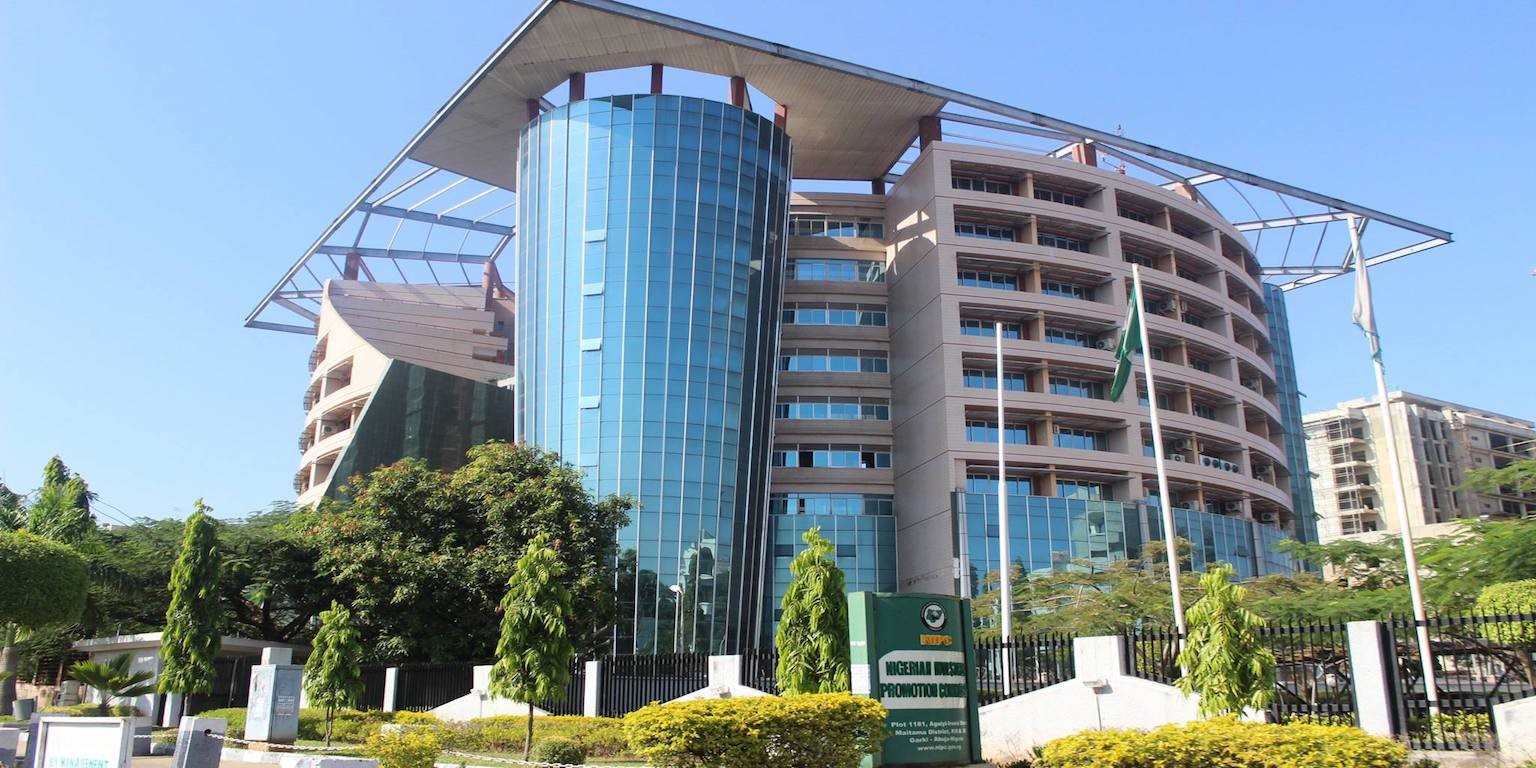
NCC Begins Review of National Telecommunications Policy After 26 Years

Published

on

Nigerian Communications Commission NCC

By Adedapo Adesanya

The Nigerian Communications Commission (NCC) has commenced a comprehensive review of the National Telecommunications Policy 2000 (NTP), 26 years after its approval, citing rapid technological advancements and shifting market dynamics as the primary catalysts for the reform.

In a consultation paper released to the public, the commission said it is seeking input from stakeholders, including telecom operators, tech companies, legal experts, and the general public, on proposed revisions designed to reposition Nigeria’s telecommunications framework to match current digital demands. Submissions are expected by March 20, 2026.

The NTP 2000 marked a turning point in Nigeria’s telecom landscape. It replaced the 1998 policy, introducing full liberalisation and a unified regulatory framework under the NCC, and paved the way for the licensing of GSM operators such as MTN, Econet (now Airtel), and Globacom in 2001 and 2002.

Prior to the NTP, the sector was dominated by Nigerian Telecommunications Limited (NITEL), a government-owned monopoly plagued by obsolete equipment, low teledensity, and poor service. At the time, Nigeria had fewer than 400,000 telephone lines for the entire country.

However, the NCC noted that just as the 1998 policy was overtaken by global developments, the 2000 framework has become structurally misaligned with today’s telecom reality, which encompasses broadband, 5G networks, satellite internet, artificial intelligence, and a thriving digital economy worth billions of dollars.

“The rapid pace of technological change and emerging digital services necessitate a comprehensive update to ensure the policy continues to support economic growth while protecting critical infrastructure,” the Commission stated.

The review will target multiple chapters of the policy. Key revisions include: Enhancements on online safety, content moderation, digital services regulation, and improved internet exchange protocols; a modern framework for satellite harmonisation, coexistence with terrestrial networks, and clearer spectrum allocation to boost service quality, and policies to address fiscal support, reduce multiple taxation, and lower operational costs for operators.

The NCC is also proposing entirely new sections to the policy to address emerging priorities. Among the key initiatives are clear broadband objectives aimed at achieving 70 per cent national broadband penetration, with a focus on extending connectivity beyond urban centres to reach rural communities.

The review also seeks to formally recognise telecom infrastructure, including fibre optic cables and network masts, as Critical National Infrastructure to prevent vandalism and enhance security.

In addition, the commission is targeting the harmonisation of Right-of-Way charges across federal, state, and local governments, alongside the introduction of a one-stop permitting process for telecom deployment, designed to reduce bureaucratic delays and lower operational costs for operators.

According to the NCC, the review aims to make fast and affordable internet widely accessible. “The old framework was largely voice-centric. Today, data is the currency of the digital economy,” the commission said, highlighting the need to close the urban-rural broadband divide.

The consultation process is intended to gather diverse perspectives to ensure the updated policy reflects current technological trends, market realities, and consumer needs. By doing so, the NCC hopes to maintain the telecommunications sector’s role as a key driver of economic growth and digital inclusion.


Adedapo Adesanya is a journalist, polymath, and connoisseur of everything art. When he is not writing, he has his nose buried in one of the many books or articles he has bookmarked or simply listening to good music with a bottle of beer or wine. He supports the greatest club in the world, Manchester United F.C.

Advertisement
Click to comment

Leave a Reply

Your email address will not be published. Required fields are marked *

Technology

TikTok Invests Fresh $200K in AI Media Literacy in Africa

Published

on

TikTok AI Media Literacy Tokunbo Ibrahim

By Modupe Gbadeyanka

An additional $200,000 will be invested in Artificial Intelligence (AI) media literacy initiatives across Sub-Saharan Africa, TikTok announced during its third annual Sub-Saharan Africa Safer Internet Summit in Nairobi, Kenya.

The platform hosted government officials, regulators, online safety partners and industry leaders for the event, reinforcing its commitment to collaborative approaches to online safety.

The funds will be provided in ad credits to help support local organisations in the region to expand AI media literacy.

This investment builds on the company’s initial $2 million AI Literacy Fund, launched in November 2025, which awarded 20 global non-profits to create content that boosts public understanding of AI.

In Sub-Saharan Africa, TikTok initially supported three organisations to advance digital literacy and combat misinformation.

“With the rapid advancement of AI, we are committed to educating our community online, so they feel empowered to have responsible experiences with AI, whether that’s as viewers or creators.

“We are partnering with trusted local organisations that communities already know and rely on, because their expertise and deep local connections are essential to making AI literacy programs truly impactful,” the Global Head of Partnerships, Elections and Market Integrity at TikTok, Mr Valiant Richey, stated.

Earlier, the Head of Government Relations and Public Policy for Sub-Saharan Africa at TikTok, Ms Tokunbo Ibrahim, said, “As we host the 3rd Annual Safer Internet Summit here in Kenya, our mission is clear: to share learnings, insights, tackle common challenges and collaboratively advance actionable solutions that protect citizens online.

“By bringing together a diverse coalition of policymakers, tech innovators, and creators, we are ensuring that the conversations we have at this Summit are all-inclusive and lead to a more resilient digital landscape.”

The summit featured expert panels and discussions on critical topics, including TikTok’s Trust and Safety efforts, protecting young people online, and policy frameworks for responsible AI governance.

A key highlight of the event was showcasing how TikTok uses AI to transform how people share their creativity and discover new passions, while ensuring the community remains safe through transparent and responsible AI practices.

The platform also shared more about how recent advancements in AI are helping the platform moderate content faster and more consistently at scale, by improving automated moderation and empowering human teams with better moderation tools.

With over 100 million pieces of content uploaded daily to TikTok, these advances, which work alongside human moderation teams, are helping get violative content down faster, reducing the likelihood of the community seeing it.

According to the latest Community Guidelines Enforcement Q3 2025, TikTok removed over 14 million videos across Sub-Saharan Africa, with 96.7 per cent detected and removed proactively using automated technology, underscoring TikTok’s commitment to proactive moderation and swift action.

Continue Reading

Technology

Interswitch Technovation 4.0 Hackathon Winners Share N10m

Published

on

Interswitch Technovation 4.0 Hackathon

By Modupe Gbadeyanka

The winners of the Technovation 4.0 Hackathon, themed The Wicked Hackathon, organised by Interswitch, have been given N10 million in cash prizes for their efforts.

At the one-day finale event, which took place on Wednesday, March 4, 2026, at the Interswitch Innovation Lab and Co-Working Space, the money was shared among the top teams whose innovative solutions stood out during the rigorous multiple phases of the competition.

Team Quickteller Fashion emerged as the overall winner, securing the grand prize of N4 million for a solution that impressed judges with its originality, practicality, and strong strategic relevance. Team Kampe claimed second position with N2.5 million, while Team Stable placed third, receiving N1.5 million. Up to N300,000 worth of cash prizes were also awarded to the fourth, fifth and sixth qualifying teams.

For nine months, cross-functional teams from across the organisation collaborated to conceptualise, validate, develop, and refine solutions, moving from raw ideas to minimum viable products (MVPs) with ready-to-market potential and deployment across the business.

The atmosphere at the grand finale reflected that of preparation and anticipation as the top 9 teams presented their innovations through live demonstrations and detailed pitches, fielding questions from a distinguished panel of judges before the top three winners were selected. Each presentation highlighted rigorous validation processes, thoughtful market considerations, and a strong emphasis on measurable impact.

While many of the solutions remain confidential due to their strategic relevance, the diversity and depth of ideas showcased during the hackathon’s final underscored the organisation’s growing culture of intrapreneurship and structured innovation. The projects illustrated how technology-driven thinking can unlock efficiencies, strengthen operational capabilities, and open new pathways for growth across the digital payments and commerce ecosystem.

“Technovation continues to reflect who we are as an organisation, bold, forward-thinking, and deeply committed to building impactful solutions from within. Over the years, we have seen ideas conceived during this programme evolve into meaningful capabilities that strengthen our ecosystem.

“The passion, discipline, and ingenuity demonstrated by our teams this year reinforce our belief in the power of African innovation to solve complex challenges and shape the future of technology on the continent,” the Chief Innovation Officer for Interswitch, Ms Adaobi Okerekeocha, stated.

Continue Reading

Technology

Google Introduces Yorùbá, Hausa Language Support for AI Search Features

Published

on

google AI Search

By Modupe Gbadeyanka

The language support for its AI Search features has been expanded by Google, with the inclusion of Yoruba and Hausa in Nigeria.

This is part of a broader effort to make AI more inclusive across the continent, with support now extending to a total of 13 African languages.

Under the AI Overviews and AI Mode, speakers of both Nigerian languages can utilise AI-powered Search experiences in their mother tongue for quick summaries and conversational exploration.

This means existing AI features in Google Search are now accessible to people like the student in Kano asking a question in Hausa, and the trader in Ibadan seeking advice in Yorùbá.

By addressing language barriers, this update ensures that technology reflects the identity and culture of the people it serves. With this expansion, more people can now use AI Mode to ask complex questions in their preferred language, while exploring the web more deeply and naturally through text or voice.

The 13 languages now supported across Africa include Afrikaans, Akan, Amharic, Hausa, Kinyarwanda, Afaan Oromoo, Somali, Sesotho, Kiswahili, Setswana, Wolof, Yorùbá, and isiZulu.

These languages were chosen based on the vibrant search activity across the continent, ensuring that our AI experiences reach the communities that need them most.

Commenting on the development, the Communications and Public Affairs Manager for Google in West Africa, Taiwo Kola-Ogunlade, said, “Building a truly global Search goes far beyond translation — it requires a nuanced understanding of local information.

“With the advanced multimodal and reasoning capabilities of our custom version of Gemini in Search, we’ve made huge strides in language understanding, so our most advanced AI search capabilities are locally relevant and useful in each new language we support.

“This is about ensuring Nigerians can converse with Search in their mother tongues, making information more helpful for everyone.”

To use AI Overviews and AI Mode in the local language, users must open the Google app on an Android or iOS device, or via the Web. They are required to tap on AI Mode within the Search experience. Thereafter, they can type or speak the question in their preferred language, such as Hausa or Yorùbá, and let the AI guide the journey.

Continue Reading

Trending