

Showbiz
Warner Bros Discovery and Paramount Skydance Clear Shareholder Vote

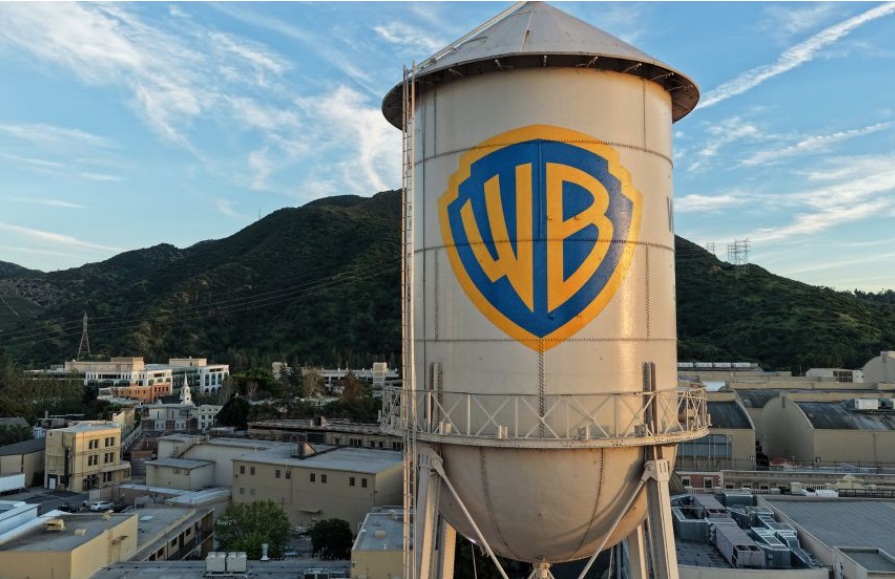
Over 1.7 billion votes in favor against roughly 16.3 million opposed. Warner Bros Discovery shareholders approved the $110 billion Paramount Skydance merger on April 23, and the margin was not close. Anyone running 1xbet site ROI numbers across entertainment sector positions watched WBD shares trade in a tight band near the $31 cash offer through April, the kind of price action that confirms what the wagering markets had already settled on. Paramount beat Netflix in a months-long bidding war for Warner Bros that started in late 2025, and David Ellison now sits weeks away from running the largest media conglomerate assembled since the breakup of the old studio system.
What the $110 Billion Deal Looks Like on Paper
Paramount acquires 100% of WBD in an all-cash deal backed by committed investment from the Ellison family and RedBird Capital Partners. The SEC filing from February 27 laid out the financial architecture, and the numbers below capture the key terms.
| Deal Detail | Figure |
| Price per WBD share | $31 cash |
| WBD equity value | $81 billion |
| Enterprise value | $110 billion |
| EBITDA multiple | 7.5x (synergized 2026) |
| New Paramount shares issued | $47 billion at $16.02 |
| Minimum annual theatrical releases | 30 films |
Warner Bros film studio, HBO, CNN, TBS, TNT, CBS, Nickelodeon, and both companies’ television and film libraries all end up under one roof. Paramount committed to 30 theatrical releases a year in the filing, and the streaming side is where the growth bet sits. That much content in one place gives the merged entity a licensing position nobody else in the industry can match, and it also gives every sportsbook chasing broadcast-integration deals exactly one phone number to call when they want their odds overlays sitting alongside live sports.
How the Bidding War Played Out
Netflix went after WBD first. Paramount Skydance came in over the top, and by February 26 WBD’s board called it a superior proposal, with the definitive agreement signed the next morning. They set the shareholder vote for April 23 at 10 AM. It went 1.743 billion shares in favor, 16.3 million against, and 2.37 million abstaining.
Wagering markets had the outcome priced in long before the ballots were counted. Polymarket contracts on deal completion traded heavily through March and April at implied probabilities above 75%, and the gap between WBD’s trading price and the $31 offer shrank to under a dollar heading into the meeting. Anyone holding the deal-completion side of those contracts walked into the vote with a position the markets had already validated. The question on the table was the timing of the cash, not the outcome of the vote.
Regulatory Review and What Stands Between the Vote and Completion
Antitrust regulators on both sides of the Atlantic get the file next, along with a North American competition bureau that opened its review the same day shareholders voted. Hollywood is not thrilled either. Several high-profile entertainment figures have gone public with concerns about what a combined entity this size does to creative independence and working conditions on set.
For the sports betting industry, the regulatory holdup creates an unusual planning window. Sportsbooks running broadcast-integrated products, the kind that overlay live odds on game telecasts and tie promotions to specific media properties, typically negotiate those deals broadcaster by broadcaster. A combined Paramount-WBD would shrink the negotiating universe to one entity sitting on AFC football coverage at CBS, the cable sports wing through TNT, and the streaming distribution running underneath both. That changes leverage on both sides of the table.
Specific properties make the leverage explicit. NFL AFC games and college football sit at CBS. MLB postseason and the cable sports tier live at TNT. March Madness has been split between the two networks since 2011 under a deal that runs through 2032, which means a closed merger puts the entire tournament on one combined network platform for the first time. Sportsbooks negotiating in-stream odds overlays, contextual ads, and content partnerships across those properties currently run two separate tracks for the two broadcasters. After integration, those tracks collapse into a single conversation.
Ellison’s pitch to regulators has to be that consumers benefit and competition survives in streaming, theatrical distribution, and sports broadcasting. If the deal closes, premium scripted content, live sports rights, and cable news distribution all land under one company.
What Oddsmakers and Prediction Markets Are Watching
Completion timelines for deals this size typically stretch six to twelve months past the shareholder vote. Wagering lines on the merger closing before the end of 2026 reflect a split opinion, with Polymarket traders pricing it at roughly 55%. Regulatory conditions could push the timeline into early 2027. Books pricing media-sector futures contracts beyond the close itself, including first quarterly earnings and the sports-rights renewal cycles that follow, have already started taking positions, which is the cleanest tell that the integration is being priced as something more than a paperwork formality. Contracts pricing tighter regulatory conditions, including potential divestitures or behavioral remedies, have started attracting their own volume. That is a step further out the curve than where prediction markets typically sit on M&A timelines this early in the process.


