

Connect with us

Media OutReach

Post-Pandemic Health Upgrade Drives Global Brands to Southeast Asia: High-Purity Omega-3 Leader WHC Selects Singapore as Strategic First Hub

Published

on

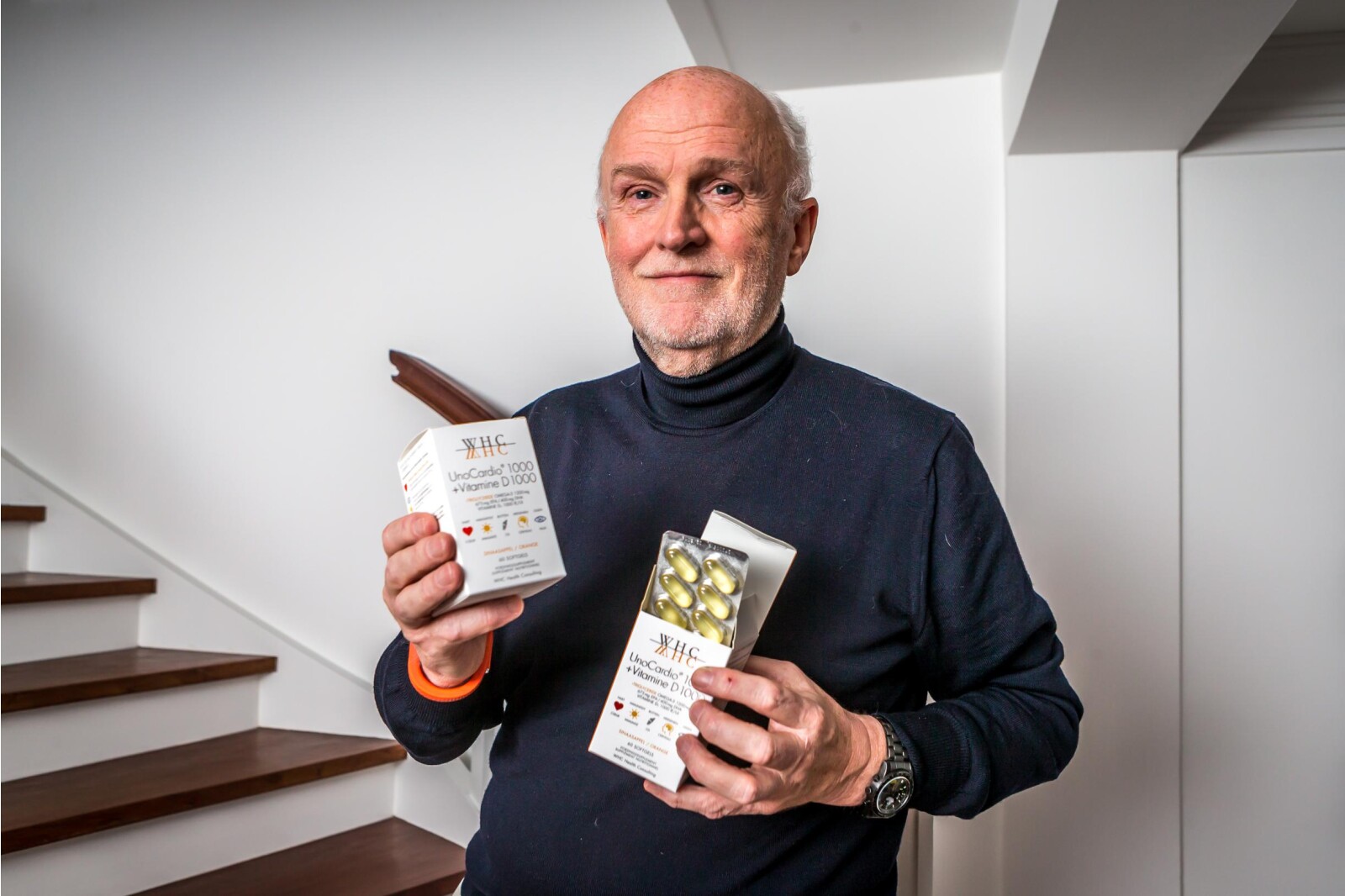
SINGAPORE – Media OutReach Newswire – 30 June 2026 – WHC, the Belgium-based premium Omega-3 brand, today officially announced the launch of its flagship fish oil supplement, UnoCardio 1000, in Singapore, marking its strategic entry into the Southeast Asian market. This milestone expansion comes at a pivotal time, as Southeast Asia’s nutraceutical market enters a sophisticated new era driven by unprecedented post-pandemic health awareness. Within this landscape, Singapore—with its high disposable income and rigorous regulatory framework—stands as the premier strategic hub for top-tier international brands establishing their presence in the Asia-Pacific.

Singaporean Consumers Pivot to “Specialist” Brands

Despite industry growth, the supplement market faces increasing category fragmentation. Most traditional brands prioritize product line expansion to achieve mass reach. While this offers variety, it often struggles to maintain the R&D depth and extreme optimization required for individual components.

For Singapore’s “Smart Consumers” who prioritize “Health ROI,” high transparency has driven a preference for “Specialist Brands” with deep scientific expertise over generalists. These consumers demand uncompromising purity to ensure precise, effective nutritional outcomes. Amidst this consumer awakening, WHC, the premium Belgian Omega-3 specialist, officially enters Singapore. Diverging from traditional multi-line expansion, WHC has spent 26 years adhering to a philosophy of “Subtractive Focus”—concentrating all R&D resources on the ultimate purification of Omega-3 to deliver pure, cellular-level nutrition.

The Gold Standard of Omega-3: Why WHC Leads the Global Omega-3 Market

Founded by Jo Wyckmans, Europe’s “Father of Omega-3,” WHC leverages his deep expertise in co-developing the manufacturing infrastructure for pharmaceutical giant KD Pharma. Utilizing patented Supercritical Fluid Chromatography (SFC) technology, WHC achieves an industry-leading Omega-3 concentration of over 95%. By combining sustainably sourced deep-sea fish with pharmaceutical-grade craftsmanship, WHC has become synonymous with high-performance cellular nutrition worldwide.

Four Core Competencies

To deliver tangible health returns, WHC establishes the ultimate ceiling for premium fish oil in Singapore through four key product benchmarks:

  • Pharmaceutical-Grade 95% High Concentration : WHC fish oil sets a clear boundary against generic alternatives that offer only 30%-50% purity. This made in Europe, GMP-compliant High-concentration fish oil delivers clinical-grade efficacy directly to the cells.
  • Joint R&D with KD Pharma: As a GOED member, WHC partners with pharmaceutical giant KD Pharma, utilizing Supercritical Fluid Chromatography (SFC) technology to pioneer a new era in high-purity extraction.
  • Patented rTG Form & Certifications: Sourced from short-cycle small deep-sea fish to ensure purity, WHC uses the highly bioavailable rTG form, delivering a 4x higher absorption rate than standard oils. Efficacy and safety are guaranteed by IFOS 5-star and Labdoor top rankings.
  • Localized Formulation Strategy : WHC addresses the chronic Vitamin D deficiency prevalent among Southeast Asian urban professionals due to air-conditioned offices. Its flagship UnoCardio 1000 combines high-purity Omega-3 with Vitamin D3, offering the perfect synergy for modern lifestyles.


Elevating Industry Standards

WHC’s entry into Singapore marks a definitive shift in Southeast Asia’s wellness market toward scientific transparency. As pharmaceutical-grade purity becomes the new benchmark, the regional industry’s focus is moving from marketing-driven tactics to genuine R&D depth, effectively raising the professional barrier to entry.

Hashtag: #WHC

The issuer is solely responsible for the content of this announcement.

About WHC

Founded in Belgium in 2009 by Jo Wyckmans, the “father of Omega-3,” WHC focuses on the research and innovation of high-purity fish oil and has become a leading global brand of fish oil nutritional supplements. Since its inception, it has always adhered to the principles of purity, environmental protection, and high efficacy, committed to providing global consumers with the highest quality Omega-3 products, and has been highly recognized in the European, American, and Chinese markets.

Media OutReach

Sri Lanka Bar Smoke & Bitters Honoured With Coveted Michter’s Art Of Hospitality Award As Part Of Asia’s 50 Best Bars 2026

Published

on

The acclaimed island bar becomes the first Sri Lankan venue to receive this prestigious hospitality award

LONDON, UNITED KINGDOM – Media OutReach Newswire – 30 June 2026 – Sri Lanka’s celebrated coastal venue Smoke & Bitters has been named winner of the Michter’s Art of Hospitality Award in the run-up to Asia’s 50 Best Bars 2026.

Voted for by more than 300 members of the Asia’s 50 Best Bars Academy, this award recognises an establishment that has delivered exceptional hospitality over the past 18 months, setting a new benchmark for guest experience across the region.

Located on Pehembiya Beach in Dikwella on Sri Lanka’s southern coast, Smoke & Bitters has risen steadily since opening in January 2020. In 2025, it ranked No.14 on Asia’s 50 Best Bars and No.67 on the extended list of The World’s 50 Best Bars, becoming the first bar in Sri Lanka to feature on the global ranking. The venue has also been named The Best Bar in Sri Lanka on the Asia’s 50 Best Bars list for four consecutive years.

The brainchild of co-founders Don Ranasinghe and Lahiru Perera, Smoke & Bitters was created to showcase Sri Lanka’s culinary heritage and ingredients through a contemporary cocktail and dining experience. Their commitment to authenticity means all dishes are cooked using traditional wood fire – either smoked or chargrilled – as signified by ‘Smoke’ in the name, while ‘Bitters’ reflects bitters from indigenous Sri Lankan herbs and spices which dominate a cocktail menu inspired by myriad global cultures.

Beyond its culinary and cocktail philosophy, hospitality lies at the core of the Smoke & Bitters experience. Reflecting Sri Lanka’s culture of warmth and generosity, the team delivers service that is relaxed yet attentive, creating an easy-going beachfront setting where guests feel genuinely welcomed. This balance of informality and care has become a defining feature of the bar and underpins its recognition with the Michter’s Art of Hospitality Award.

The drinks menu draws inspiration from early Tiki pioneers while integrating local ingredients and techniques. Signature serves such as the Bananarama combine smoked wild bee honey with Rockland arrack, banana peel, falernum and smoked hellfire bitters, reflecting the bar’s flair for layering smoke and spice. The playful Mai Chai blends Ceylon chai tea with rum, triple sec, spiced orgeat and chai syrup, lifted by elemakule tiki bitters, while Pani Like Dodang balances Sri Lankan sweet orange and gin with ginger honey, triple sec, salt and pepper, mint and orange bitters. The bar has become recognised for its ingredient-led cocktails built around seasonal local produce such as rambutan, mangosteen and woodapple, underscoring its commitment to celebrating Sri Lanka’s natural bounty.

Emma Sleight, Director of Content & Creative for Asia’s 50 Best Bars, says: “Smoke & Bitters has played a pivotal role in redefining perceptions of Sri Lanka’s bar scene. Its commitment to local ingredients, open-fire cooking and heartfelt hospitality creates an experience that feels both deeply personal and globally relevant. Congratulations to Don, Lahiru and the entire team on this well-deserved recognition.”

Don Ranasinghe & Lahiru Perera, Co-Founders of Smoke & Bitters say: “It’s honestly pretty crazy to receive the Michter’s Art of Hospitality Award and see Sri Lankan hospitality being recognised on this level. We’ve always believed there’s something really special about the way people welcome and look after you on our island, so this means a huge amount not just to our team, but to the wider hospitality community in Sri Lanka as well. From day one, Smoke & Bitters has been about creating a warm, relaxed space genuinely rooted in our culture—so to be recognised for our hospitality is incredibly meaningful.”

Matt Magliocco, Executive Vice President for Michter’s, says: “Congratulations to Don Ranasinghe, Lahiru Perera, and the entire Smoke & Bitters team on winning the Art of Hospitality Award. Smoke & Bitters has become recognised as a destination for thoughtful hospitality, and we’re delighted to celebrate this well-deserved achievement.”

The Michter’s Art of Hospitality Award is the first of two special accolades to be announced ahead of the 11th edition of Asia’s 50 Best Bars, sponsored by Perrier. The 2026 edition will culminate in a live awards ceremony at Wynn Palace, Macau on 28 July, featuring a red-carpet celebration and the official unveiling of The Best Bar in Asia 2026.

This year’s programme is designed to encourage dialogue and creative exchange within the drinks industry, with curated events such as the Bartenders’ Feast, highlighting Macau’s vibrant food and beverage culture, and Meet the Bartenders, an intimate media roundtable. The ceremony will also be livestreamed on the 50 Best YouTube channel, allowing bar professionals and enthusiasts around the world to take part virtually.

About Asia’s 50 Best Bars

Asia’s 50 Best Bars is the first regional event of The World’s 50 Best Bars brand, created in 2016 with the purpose of showcasing the best and most innovative talent in the drinks industry in this region. The annual ranking is based on the votes of the Asia’s 50 Best Bars Academy, comprising the most knowledgeable and travelled members of the bar industry, drinks media and mixology experts from across Asia. The Academy spans dozens of cities across the continent, reflecting the relative development and importance of bar scenes in different locations and the diversity of the drinking scene in Asia. Asia’s 50 Best Bars, The World’s 50 Best Bars, North America’s 50 Best Bars and Europe’s 50 Best Bars are owned and organised by William Reed, the group behind The World’s 50 Best Restaurants, The World’s 50 Best Hotels and The World’s 50 Best Vineyards.

About the host destination partners Wynn Macau and Wynn Palace

Wynn Macau is a luxury integrated resort in Macau with two iconic towers featuring a total of 1,014 spacious rooms, luxury retail, 11 food and beverage outlets, two spas, a salon and a pool. The resort proudly boasts three distinct entertainment experiences, including the choreographed Performance Lake, blending lofty plumes of water, gracefully choreographed, powerful LED lights and fire effects.

For more information, visit press.wynnmacau.com.

Wynn Palace is Wynn’s second luxury integrated resort. Located in the Cotai area, it features a 28-storey hotel with 1,706 exquisitely furnished rooms, versatile meeting facilities, renowned luxury retail, 12 food and beverage outlets, an upmarket food hall featuring 6 standalone restaurants and a variety of additional food offerings, Macau’s largest spa, a salon and a pool. The resort also features a variety of entertainment experiences, including the dazzling eight-acre Performance Lake, the unique SkyCab, an immersive entertainment center, largescale floral sculptures and an extensive collection of Western and Asian art displays.

For more information, visit press.wynnpalace.com.

About the Award Sponsor Michter’s:

Based in Louisville, Kentucky, Michter’s celebrates an extraordinarily rich heritage tracing back to 1753. The Michter’s team spares no expense in its efforts to produce the greatest American whiskey possible, with tremendous attention given to every step in the production process. Michter’s has received extensive critical acclaim for its line of Bourbon, Rye, Sour Mash, and American whiskeys.

Our Partners

  • Wynn Resorts Macau – Official Host Destination Partner
  • Perrier – Official Water Partner, sponsor of The Best Bar in Asia
  • SevenRooms – Official Booking Platform Partner, sponsor of SevenRooms Best Bar Design Award
  • Doordash – Official Delivery Partner
  • Michter’s – Official American Whiskey Partner, sponsor of Michter’s Art of Hospitality Award
  • Nikka Whisky – Official Whisky of the World Partner, sponsor of Nikka Highest Climber Award
  • Ketel One – Official Vodka Partner, sponsor of Ketel One Sustainable Bar Award
  • Three Cents – Official Mixers Partner, sponsor of Three Cents Best New Opening Award
  • Siete Misterios – Official Mezcal Partner, sponsor of Siete Misterios Best Cocktail Menu Award
  • NOAM – Official Beer Partner
  • Roku Gin – Official Gin Partner, sponsor of Roku Industry Icon Award
  • Altos Tequila – Official Tequila Partner, sponsor of Altos Bartenders’ Bartender Award
  • Cointreau – Official Orange Liqueur Partner, sponsor ceremonial scarves
  • Rémy Martin – Official Cognac Partner, sponsor of Rémy Martin Legend of the List Award
  • Langjiu – Official Baiju Partner
  • Torres Brandy – Official Brandy Partner, sponsor of a Best in Destination Award
  • Monkey Shoulder – Official Scotch Whisky Partner, sponsor of a Best in Destination Award
  • Disaronno – Official Italian Liquor Partner, sponsor of a Best in Destination Award
  • Amaro Lucano – Official Amaro Partner
  • Campari – Official Bitters Partner
  • Mancino Vermouth – Official Vermouth Partner
  • Back to the Roots – Official Root Beer Liqueur Partner

Hashtag: #Asia’s50BestBars


The issuer is solely responsible for the content of this announcement.

Continue Reading

Media OutReach

Save the Children Hong Kong’s Play to Thrive: Prioritising Personal Growth Over Competitive Success

Published

on

World Cup Fever Returns: Learning Emotional Management on the Pitch

HONG KONG SAR – Media OutReach Newswire – 30 June 2026 – The four-yearly World Cup is in full swing, and the football fever once again sweeps the globe. The pitch has long been known as a “proving ground” for heroes; even for world-class players with years of experience, the joy of scoring a goal is often balanced by the sight of others in tears, frustrated by a defeat. The prowess of these players will be etched into the hearts of countless children, inspiring a lifelong love for the sport.

Save the Children Hong Kong firmly believes that the football pitch is more than just a venue for competition—it is an ideal classroom for Social-emotional Learning. For eight-year-old Kai-long, the setbacks and failures experienced on the pitch have proven far more vital to his personal growth than mastering technical skills or perfecting “step-overs”.

The Play to Thrive programme empowers children to master emotional management and communication skills while staying active in sports. Compared to a “Zidane turn”, these are the skills that will truly serve them for a lifetime.

On the training ground, eight-year-old Kai-long’s skills are clearly “a cut above the rest”. From the way he carries the ball to the power of his strikes, he already carries himself like a mini professional. During internal matches, he frequently finds the back of the net, scoring multiple goals for his side.

However, the moments that truly bring a smile of approval to the coaches and teachers are not Kai-long’s technical displays, but his small yet heart-warming gestures. For instance, he is seen helping teammates by steadying the inflatable goalposts during shooting drills. Even when knocked down during a match, if the coach does not blow for a foul, Kai-long doesn’t complain; he simply brushes it off with a smile and gets straight back to chasing the ball.

When Excellence Becomes a Burden: Children Trapped by the Need to Win

“He has a personality that tends to be quite fixated on winning and losing. Because of his own performance, or because his classmates’ performance didn’t meet his expectations, he would sometimes experience emotional ups and downs,” explains Mr. Lui, the PE teacher. He admits that while Kai-long’s football skills are outstanding, his stubborn nature previously caused friction with teammates and classmates. Mr. Lui noted that since Kai-long was already a member of the school’s reserve team, he recommended him for the Play to Thrive programme not to “learn football”, but in the hope that he would learn how to get along with others.

Consequently, what moved Mr. Lui the most was not Kai-long’s “goal-scoring show”, but his reaction during a match when other students deliberately moved the inflatable goalposts. Instead of complaining or losing his temper as he might have done in the past, Kai-long continued to play with a smile on his face. “Previously, he might have called it unfair or had an emotional outburst, but today he didn’t complain; he even found it quite funny. He is no longer fixated on winning or losing.”

In the eyes of his father, Chung, Kai-long has been a child with extremely high expectations of himself and a drive for perfection since he was young. “Whether it is schoolwork or his behaviour, he hopes to be a good role model and be very well-behaved.” However, Chung also mentioned that this perfectionist streak serves as a source of pressure for Kai-long.

Interpersonal Skills Are More Important Than Footballing Ability

Chung admits that Kai-long used to be very fixated on winning and losing: “In the past, if he lost a game of football against his elder brother, he would be resentful; when he was younger, he even tried to hit him.” While it is natural to crave goals and seek victory on the pitch, Chung also believes that how one treats others and interacts with peers is a vital part of growing up, which is why he enrolled Kai-long in Play to Thrive.

“Football is a natural educational tool,” says Ms. Wong Shek Hung, Director of Hong Kong Programmes at Save the Children Hong Kong. She explains that experiencing victory, defeat, and frustration is inevitable in sports, providing the perfect opportunity for children to learn emotional management. She adds that Play to Thrive originated from a community football programme developed by Save the Children UK for children in Jordan and Indonesia.

The core of the programme lies in integrating Social-emotional Learning into football training to help children build five core competencies: self-awareness, self-management, social awareness, relationship skills, and responsible decision-making. Furthermore, the programme is open to all children regardless of gender, ethnicity, or background, allowing them to master self-awareness, emotional regulation, and team communication skills within a diverse and inclusive environment.

No Ordinary Football Training

As this is unlike conventional football training, every coach is required to undergo professional training covering “Child Safeguarding” and emotional support knowledge. Ms. Wong Shek Hung notes that during the “debriefing” session at the end of each practice, coaches guide the children to reflect on their experiences on the pitch, attempting to translate these moments into emotional literacy. The ultimate goal is “to let children learn how to become ‘masters of their own emotions’.”

Demonstrating Personal Growth and Cultivating Leadership Skills

Mr. Lui noticed that after joining the programme, Kai-long not only showed progress in his personal emotional management but also learned how to consider things from others’ perspectives. During PE lessons, Kai-long has become more willing to take the initiative to help his classmates and has learned to accept teammates with different abilities, even proactively coaching others. “He gets along with his classmates much more harmoniously now; the barriers that existed before have disappeared,” Mr. Lui remarked. He further revealed that Kai-long’s form teacher, having observed this growth, officially appointed him as a class monitor for the second term.

His father, Chung, observed that since joining the programme, Kai-long has demonstrated a level of resilience rarely seen before. He recalled a match where Kai-long served as both captain and goalkeeper; even when facing conceded goals and falling behind, “his first instinct wasn’t to feel discouraged, but rather to keep encouraging his teammates from the back to keep running and keep attacking.”

Ms. Wong Shek Hung reaffirmed that this is precisely the philosophy of Play to Thrive: “We emphasise ‘Football Second, Growth First’, ensuring that even if children lose a match, they learn to handle their emotions, communicate, and cooperate throughout the process.”

Building Resilience: Transforming Lives Through Football

Ms. Kalina Tsang, CEO of Save the Children Hong Kong, stated that she has always believed football is a powerful tool for building resilience in children: “We have always been concerned about children’s physical and mental well-being. Football is more than just a sport; beyond honing technical skills, it can be used to build a child’s resilience. By combining football training with Social-emotional Learning, and under the guidance of professionally trained coaches, Play to Thrive ensures that the sweat shed by children on the pitch is transformed into self-awareness and emotional management skills.” Ms. Tsang also noted that Kai-long’s growth perfectly embodies the programme’s success. She said, “We are deeply gratified to see Kai-long progress from initial emotional fluctuations to confidently cooperating with teammates and facing victory or defeat positively—improving both on a personal level and in his interactions with peers.”

As for Kai-long himself, it is difficult for an eight-year-old to describe his transformation in detail. But when asked what was different about him, he said with an innocent smile, “I used to blame my teammates for not passing the ball, but now I’ve learned not to. I tell them: ‘It’s okay, pass it again next time. We’ll win the ball back together.'”

Launched in Hong Kong in 2023, the Play to Thrive programme is a service that integrates Social-emotional Learning with football training. It aims to create a safe and supportive space for schoolchildren, promoting their physical, social, and mental health through sport. The programme currently operates across various districts in Hong Kong, including community teams in areas such as Sham Shui Po and Tin Shui Wai. The school-based project collaborates with over 30 primary schools across the territory, integrating football training into school life to help students recognise and manage their emotions, build healthy interpersonal relationships, and enhance their confidence and resilience. In response to the current situation where up to 39% of primary and secondary students in Hong Kong face mental health challenges, the programme places special emphasis on SEL to help children master effective communication and emotional management both on and off the pitch.

In 2025 alone, the community and school projects of Play to Thrive held a total of 744 training sessions, with total service hours exceeding 1,000 hours. The programme reached 1,120 children and their families across Hong Kong, establishing close partnerships with 32 schools and 4 non-profit organisations. In terms of impact assessment, participant satisfaction was high, with satisfaction rates for the community and school projects reaching 80% and 75%, respectively.

Interview Video: https://savethechildren.click/PTT-KaiLong-Video-2026
Hashtag: #SavetheChildrenHongKong #香港救助兒童會 #mentalhealth #精神健康 #football #足球 #WorldCup #世界盃


YouTube:

The issuer is solely responsible for the content of this announcement.

Save the Children Hong Kong

Save the Children believes every child deserves a future. In Hong Kong and around the world, we do whatever it takes – every day and in times of crisis – so children can fulfil their rights to a healthy start in life, the opportunity to learn and protection from harm. With over 100 years of expertise, we are the world’s first and leading independent children’s organisation – transforming lives and future.

Established in 2009, Save the Children Hong Kong is part of the global movement which operates in around 100 countries. We work with children, families, schools, communities and our supporters to deliver lasting change for children in Hong Kong and around the world.

Continue Reading

Media OutReach

Competition, Workplace Safety and Financial Pressures Shape Risk Agenda for Korean Businesses, Aon Survey

Published

on

  • Competition rises as the top risk, reflecting intensifying markets, while workplace safety accountability remains high amid a stricter regulatory environment
  • Liquidity and natural catastrophe risks point to growing pressure on financial resilience

SEOUL, SOUTH KOREA – Media OutReach Newswire – 30 June 2026 – Aon plc (NYSE: AON), a leading global professional services firm, today released the findings from South Korea for its 2025 Global Risk Management Survey, revealing that competition, workplace safety accountability and financial pressures are shaping the country’s risk agenda.

The survey, which gathered responses from nearly 3,000 organisations across 63 countries and 16 industries, highlights a risk environment shaped by digital transformation, economic uncertainty, geopolitical pressures and climate exposure.

Competition Tops the Risk Agenda in Korea

According to the survey, “Increasing competition” is the number one risk for organisations in Korea, compared with fifth globally. It also ranks as the top future risk over the next three years. The findings point to pressures in Korea’s market environment, where a relatively concentrated domestic market and high industry density are driving sustained competition.

Half of Korean respondents report financial losses linked to competition, above both the Asia Pacific (APAC) benchmark of 44.1 percent across APAC and global benchmark of 42.8 percent. Despite this impact, only 17.4 percent of Korean organisations report having a formal plan or review in place for competition risk, highlighting an opportunity to strengthen preparedness relative to exposure.

For Korean businesses, competition is no longer just a commercial issue – it is becoming a material driver of financial outcomes, with implications for margin pressure, investment capacity and long-term growth. This dynamic is closely linked to financial resilience, with sustained competition increasing the importance of liquidity and capital allocation decisions as businesses invest to maintain market position.

“Korea’s risk profile shows how structural market pressures are translating into tangible business impact,” said, Terence Williams, head of Commercial Risk for Aon in APAC. “Competition, regulation and financial volatility are converging, increasing the need for more connected risk strategies that link resilience with capital and growth decisions.”

Workplace Safety Accountability Remains a Major Concern

“Workplace accidents” remain among the top risks for Korean organisations, driven by stronger regulatory enforcement and increased accountability for organisations and senior management under the expanded Serious Accidents Punishment Act. Survey responses show that 64.3 percent of Korean organisations have a plan or formal review in place for work injuries, while over half (57.1 percent) are evaluating insurance or risk transfer solutions for this exposure. This suggests that workplace safety is being treated not only as a compliance requirement, but as a material governance and financial priority.

Financial Resilience Is Increasing in Importance

Natural catastrophe and liquidity risks are increasing in importance within Korea’s risk profile. “Weather and natural disasters” rank sixth among current risks, while “cash flow and liquidity risk” returns to the top 10 for the first time since 2019.While Korea is less exposed to large-scale catastrophe events than some APAC markets, recent extreme weather has still resulted in significant economic losses, including wildfires and flooding in 2025.

At the same time, cash flow and liquidity pressures are intensifying amid macroeconomic volatility, trade uncertainty and sustained competitive pressure. Survey data show that 78.6 percent of Korean organisations have a plan or formal review in place for liquidity risk – the highest level of preparedness among all top risks. The findings indicate that liquidity is closely linked to competitiveness, with sustained investment in talent, expansion and technology critical to maintaining market position.

2025 Top Ten Business Risks for Korea

The breadth of risks shaping Korea’s business environment is reflected in the current top ten rankings:

  1. Increasing Competition
  2. Economic Slowdown/Slow Recovery
  3. Business Interruption
  4. Work Injuries
  5. Property Damage
  6. Weather/Natural Disasters
  7. Regulatory/Legislative Changes
  8. Exchange Rate Fluctuation
  9. Cash Flow/Liquidity Risk
  10. Cyber Attacks/Data Breach

Future Risks Outlook

The findings suggest that Korean businesses are navigating an increasingly complex risk landscape shaped by both domestic pressures and global disruptions. “Increasing competition” remains the top future risk, while “cyber attacks and data breaches” continue to rise as organisations adapt to evolving operating environments.

Looking ahead, the survey highlights how these risks are expected to evolve as businesses position for growth:

  1. Increasing Competition
  2. Economic Slowdown/Slow Recovery
  3. Work Injuries
  4. Regulatory/Legislative Changes
  5. Cyber Attacks/Data Breach

A Greater Need for Structured, Data-Led Risk Management

The findings highlight a clear opportunity for Korean organisations to strengthen how risk is measured, managed and linked to strategic decision making. Compared with global peers, adoption of enterprise-wide risk management frameworks and quantitative analysis remains relatively limited. For example, only 22.2 percent of Korean organisations report that they have assessed increasing competition risk, and the same proportion report having developed continuity or risk management plans for it.

Cyber risk appears more mature, with 33.3 percent of organisations having developed continuity plans for cyber exposures.

More broadly, only 25 percent of Korean organisations report using a structured, enterprise-wide process to identify major risks, and just 2.9 percent use quantitative analytics tools to model risk scenarios and insurance strategies.

“The survey highlights a clear opportunity for Korean organisations to strengthen enterprise risk management and analytics capabilities,” said Kevin Kim, CEO of Korea for Aon. “By building stronger internal data, processes and expertise, businesses can move from reacting to risk toward making more confident, forward-looking decisions that support growth and capital efficiency.”

Hashtag: #Aon

The issuer is solely responsible for the content of this announcement.

About Aon

(NYSE: AON) exists to shape decisions for the better — to protect and enrich the lives of people around the world. Through actionable analytic insight, globally integrated Risk Capital and Human Capital expertise, and locally relevant solutions, our colleagues provide clients in over 120 countries with the clarity and confidence to make better risk and people decisions that help protect and grow their businesses.

Follow Aon on and sign up for news alerts .

Continue Reading

Trending

