

General
Nigeria, IBSN to Strengthen Border Security, Management

By Aduragbemi Omiyale
The Nigerian government is collaborating with the Integrated Border Security Network (IBSN) to strengthen border security and management through improved institutional capacity, training, provision of equipment and regional cooperation.
This partnership will complement a similar tie with the International Organisation for Migration (IOM) for the development of a National Border Strategy, where a five-year framework for improving border management and positioning Nigeria to play a stronger role in regional security is to be designed.
The Minister of Interior, Mr Olubunmi Tunji-Ojo, welcomed the collaboration with IBSN, noting that the organisation’s objectives align with Nigeria’s efforts to strengthen border governance and address emerging security challenges.
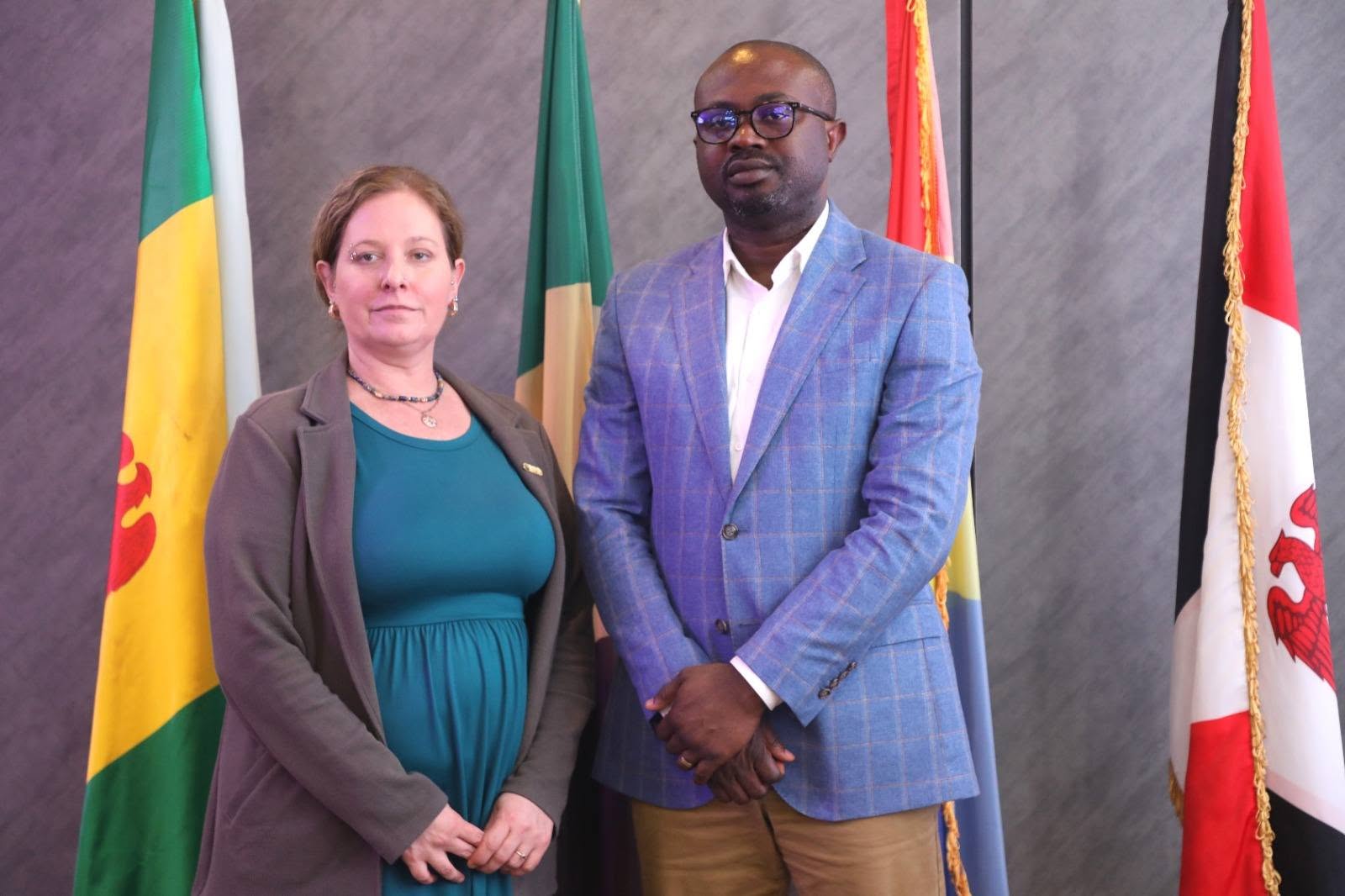
Speaking when he received the Coordinator of IBSN, Ms Sarah Elizabeth Crawford, at the Ministry of Interior in Abuja, the Minister described the IBSN initiative as a laudable intervention, assuring the delegation of the government’s support and willingness to work closely with the network to ensure its success.
Mr Tunji-Ojo expressed the Ministry’s interest in the outcome of the ongoing joint baseline assessment, emphasising the need for the exercise to identify the country’s actual needs and priorities, particularly in the areas of personnel training, equipment and institutional strengthening.
He also highlighted the importance of adopting a holistic approach to border management, stressing that capacity building must go beyond training to include strengthening the institutions responsible for securing and managing the country’s borders.
The Minister expressed optimism that the partnership would deliver practical results in strengthening Nigeria’s border institutions and enhancing security across the West African sub-region.
He also expressed confidence that the forthcoming stakeholder meeting to review the baseline assessment would provide clear direction for the partnership and guide the next steps towards achieving its objectives.
Earlier, Ms Crawford explained that the network operates across nine West African countries with support from six international partners, including Germany, Italy, the United States, Canada, the United Kingdom and the Netherlands, alongside agencies such as INTERPOL.
She said the initiative seeks to strengthen regional border security through coordinated interventions, effective resource allocation and the elimination of duplication of existing programmes.
The leader of the team added that the ongoing baseline assessment in Nigeria would identify the country’s specific needs and inform a three-year strategic roadmap for the region.
Ms Crawford also highlighted the emerging trend of importing precursor chemicals for local drug production, stressing the need for specialised training, improved intelligence sharing and stronger international cooperation to address evolving security threats.