

Economy
Reps Approve Tinubu’s $20.5bn, £1.04bn Loan Requests

By Adedapo Adesanya
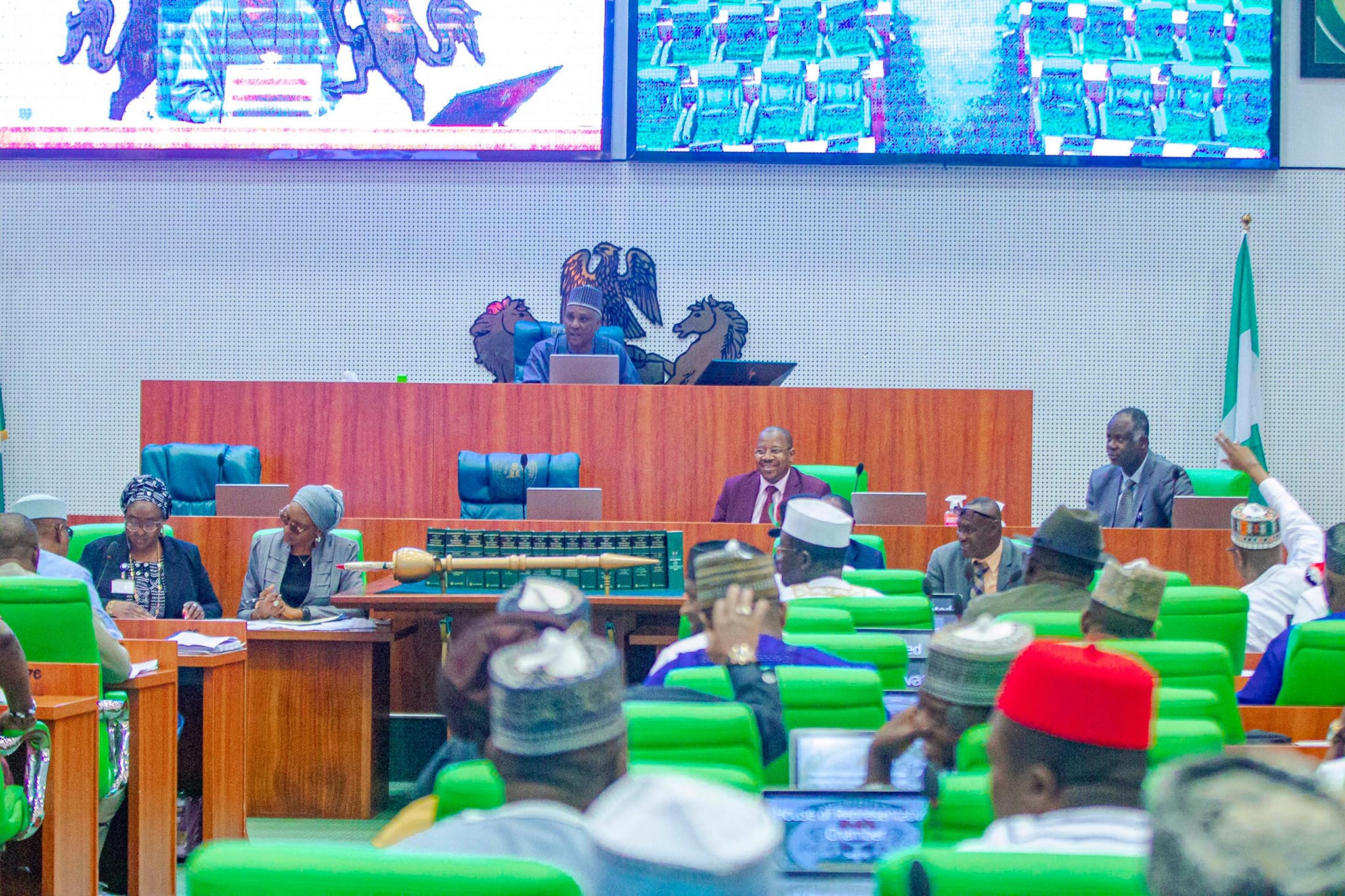
The House of Representatives has approved a $20.5 billion supplementary borrowing plan for the 2026 and 2027 fiscal years, alongside an external loan of £1.04 billion to support the federal government’s spending and development projects.
The approval followed the consideration of a report by the House Committee on Aids, Loans and Debt Management.
According to the committee, the proposed funds should be used strictly for capital projects captured in the 2026 Appropriation Act and not diverted to recurrent expenditure.
The committee also recommended that the Debt Management Office (DMO) submit quarterly reports to the House of Representatives detailing the drawdown, utilisation and repayment of the loans.
The lawmakers said the supplementary financing plan was designed to support critical national needs and ongoing projects across the country.
The approval comes as the federal government seeks additional financing to meet its budgetary and infrastructure commitments.
The lawmakers said the borrowing arrangements would support development priorities, strengthen economic stability and ensure the continuation of key projects.
The latest approval adds to the government’s borrowing plans as it seeks funding for public expenditure and infrastructure development.
President Bola Tinubu had, on October 27, written to the National Assembly seeking approval to process the external loans.
He explained that the proposed borrowing was intended to finance critical projects across infrastructure, agriculture, healthcare, education, water supply, security and employment generation.
He said the projects were selected following technical and economic evaluations and were expected to support the administration’s reform agenda and accelerate Nigeria’s socio-economic development.
President Tinubu further stated that most of the projects would be implemented across the 36 states and the Federal Capital Territory, with the funds expected to help generate employment, promote skills acquisition, encourage entrepreneurship, reduce poverty and improve food security.
He also argued that Nigeria’s infrastructure financing gap and the scale of resources required to address the country’s development needs had made additional external borrowing necessary.