Connect with us

Banking

FCMB Gets Regulatory Permit to Expand Banking Operations in UK

Published

on

By Modupe Gbadeyanka

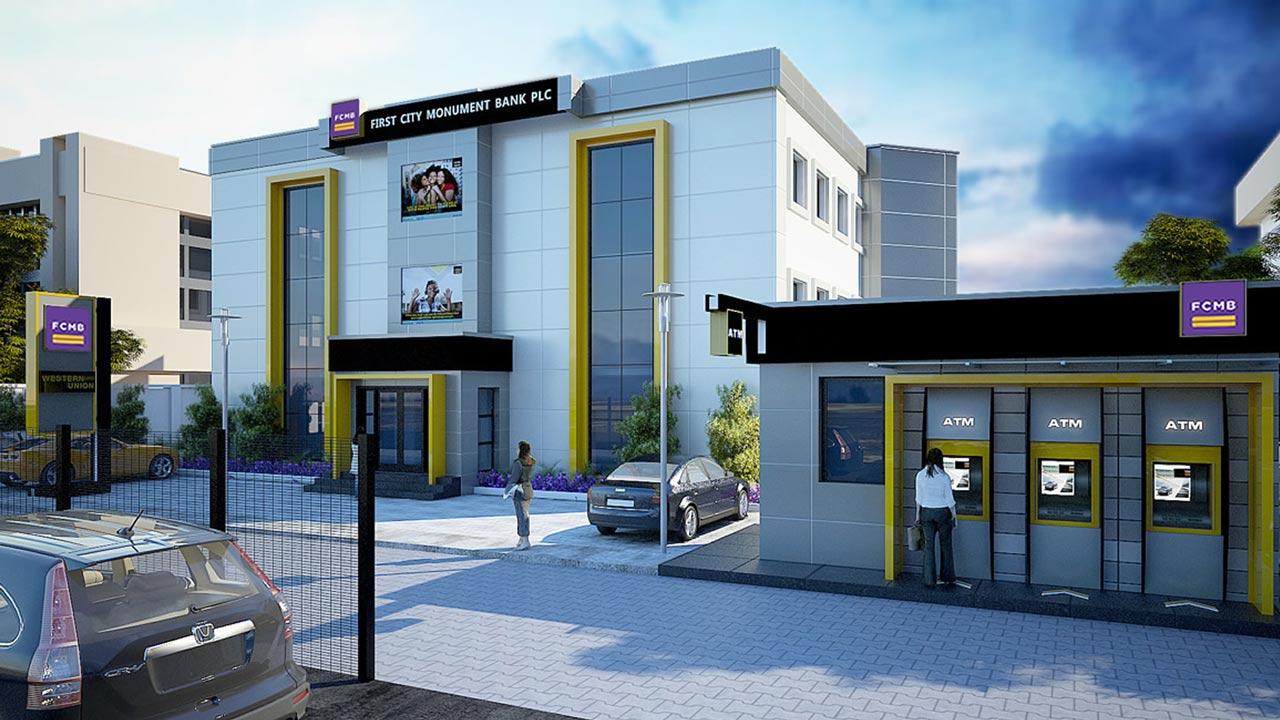
Permission has been given to the United Kingdom subsidiary of Nigerian lender, First City Monument Bank (FCMB) Plc to expand its banking services in the region.

A statement issued by FCMB explained that its branch in the UK, FCMB Bank (UK) Limited, now has the approval to carry out retail (investments) services.

With this permit, individuals and business enterprises seeking to transact their banking services between Nigeria and other African countries and desire to maintain a banking relationship in the City of London now have the opportunity to do so.

“Based on this approval, FCMB Bank (UK) Limited is now able to extend the level of excellent banking services its corporate and institutional customers currently receive to high net worth individuals and Small and Medium-scale Enterprises,” the statement said.

Business Post gathered that the new permission was granted to the financial institution by the Prudential Regulation Authority and became effective on Friday, June 8, 2018.

According to the statement, the bank has completed arrangements to formally launch its personal and business banking proposition on July 19, 2018 in London and subsequently on July 31, 2018 in Lagos.

Commenting on the development, the chief executive of FCMB Bank (UK) Limited, Mr James Benoit, described the approval and extension of services as a major achievement that would enable the bank to deliver its promise of being the corporate and private bank for African-oriented entrepreneurs, investors and professionals across all their banking needs.

According to him, “The bank will be expanding its premises and entering into partnerships with Fintech providers to open up service options to our clients and enhance their overall banking experience.”

On his part, the chief executive of FCMB Group Plc, Mr Ladi Balogun, “Our successful UK platform has proven to be of great importance to the Nigeria stockbroking and international trade finance activities of FCMB Group.”

“Leveraging our deep networks in Africa’s biggest economy, the importance of a London presence to many of our personal and business banking customers, and technological innovation, we welcome this opportunity to meaningfully serve more of our customers and grow the value of our UK franchise,” he added.


Modupe Gbadeyanka is a fast-rising journalist with Business Post Nigeria. Her passion for journalism is amazing. She is willing to learn more with a view to becoming one of the best pen-pushers in Nigeria. Her role models are the duo of CNN's Richard Quest and Christiane Amanpour.

Advertisement
Click to comment

Leave a Reply

Your email address will not be published. Required fields are marked *

Banking

Africa Energy Bank to Start Operations June as Nigeria Hands Over Headquarters

Published

on

african energy bank hq

By Adedapo Adesanya

The African Energy Bank (AEB), a pan-African financial institution established to mobilise capital for the continent’s energy development and strengthen regional energy value chains, will begin operations in June 2026.

This came as Nigeria officially handed over the headquarters of bank at a ceremony held on the sidelines of the ongoing Nigeria International Energy Summit (NIES).

The president of the African Petroleum Producers’ Organisation (APPO) and Côte d’Ivoire’s Minister of Mines, Petroleum and Energy, Mr Mamadou Colibaly, praised Nigeria for its leadership in bringing the initiative to fruition, as he disclosed the bank was expected to commence operations in four months’ time.

“We are committed to launching this bank no later than June. I sincerely thank our partners for providing the headquarters and office that make this take-off possible. The African Energy Bank represents Africa’s commitment to finance, develop, and secure its own energy future by Africans, for Africans,” he said.

The African Energy Bank is a joint initiative of APPO member states and the African Export-Import Bank (Afreximbank), established to mobilise domestic and regional capital for Africa’s energy infrastructure, reduce dependence on external financing, and align energy investments with the continent’s long-term development and industrialisation agenda.

While performing the handover, Nigeria’s Minister of State for Petroleum Resources (Oil), Mr Heineken Lokpobiri, said the country had fulfilled all its responsibilities as host nation.

“Nigeria has met every obligation as host. The headquarters is ready, strategically located, and fully equipped, and we are prepared for immediate take-off.”

The ceremony highlighted a growing consensus among African leaders on the need for the continent to take greater ownership of its vast natural resources.

Through tailored financial instruments, the bank is expected to support projects across the energy value chain, including exploration, refining, renewable energy integration, and local content development, with a focus on job creation and economic value addition.

The African Energy Bank has been touted as not just another financial institution, but a strategic pillar in Africa’s quest for economic independence and long-term energy security

The African Energy Bank is a pan-African financial institution jointly promoted by APPO member states and Afreximbank to provide tailored financing solutions for energy projects across the continent, strengthen regional energy markets, and support sustainable development through improved access to capital.

Continue Reading

Banking

Polaris Bank Assures MSMEs Access to Finance for Non-Oil Exports

Published

on

Polaris Bank Non-Oil Exports

By Modupe Gbadeyanka

Entrepreneurs in the micro, small and medium-sized enterprises (MSMEs) sector in Nigeria have been assured access to finance by Polaris Bank Limited to strengthen the country’s non-export ecosystem.

The financial institution gave this assurance at the NAHCO and NACCIMA Export Group Programme themed Breaking Barriers: Helping SMEs Navigate Export Procedures for Agro Products and Other Commodities.

An executive director at Polaris Bank, Mr Chris Ofikulu, underscored the national importance of export diversification and the central role of MSMEs in building a resilient economy.

He noted that reducing Nigeria’s dependence on oil revenues requires coordinated action across the public and private sectors to strengthen non-oil exports, particularly within agro-exports and commodity trade.

“Expanding non-oil exports is not optional; it is a strategic imperative for building a resilient, inclusive and competitive Nigerian economy. SMEs, particularly in agro-exports and commodity trade, hold the key to unlocking our true comparative advantage.

“Polaris Bank remains committed to providing the finance, advisory support and partnerships required to help them scale confidently and compete globally,” Mr Ofikulu said.

Also addressing stakeholders, the Team Lead for Trade Services at Polaris Bank, Mr Olaleye Arinola, highlighted the importance of removing trade and payment bottlenecks that limit exporter competitiveness and cash flow, emphasizing the lender’s focus on building confidence and certainty into the export process through practical financial and advisory support.

“Exports cannot grow if finance and payments remain obstacles. At Polaris Bank, our focus is on removing friction from international trade by ensuring SMEs get paid faster, safer and with greater certainty through efficient trade finance, secure cross-border payments and hands-on guidance across documentation, FX and compliance,” Mr Arinola said.

It was gathered that the one-day engagement brought together regulators, industry stakeholders, exporters and trade bodies to advance practical solutions for easing trade barriers, improving access to finance and building a more resilient and diversified Nigerian economy.

The programme also marked the formal introduction and launch of the NACCIMA Export Group and the NAHCO Export Support Centre for MSMEs in Nigeria, creating a structured platform for exporters to access trade facilitation services, logistics support, regulatory guidance and financial solutions across the export value chain.

The engagement also focused on addressing structural challenges confronting exporters, including infrastructure gaps, port inefficiencies, logistics constraints, standards and certification requirements, and policy consistency.

Participants emphasized the need for stronger public-private collaboration among government agencies, trade bodies, financial institutions and logistics partners to simplify export procedures and improve market access for Nigerian SMEs.

As part of its partnership with the business and trade community, Polaris Bank unveiled a Dedicated Help Desk for NACCIMA members, designed to provide direct access to trade finance and payment support, fast-track resolution of export-related enquiries, and personalized advisory services on FX documentation and regulatory compliance.

Continue Reading

Banking

Moniepoint Processes N412trn Transactions, Disburses N1trn Loans in 2025

Published

on

Moniepoint-Logo_Coloured

By Adedapo Adesanya

Nigerian financial services firm, Moniepoint Incorporated, processed N412 trillion in transaction value and disbursed more than N1 trillion in loans to small businesses in 2025, as the company continues to grow Nigeria’s expanding retail payments and credit structure.

The company said it handled more than 14 billion transactions during the year and now powers about 80 per cent of in-person payments nationwide, underscoring the increasing concentration of payment flows through a small number of fintech platforms.

Moniepoint also averaged 1.67 billion monthly transactions in 2025 and grew its card user base by 200 per cent, with its cards being used 1.7 million times daily.

The organisation also processed over 500,000 data renewals daily, while customers spent N90 million ($64,264) daily at gyms.

Moniepoint N412trn Transactions

Moniepoint’s scale reflects a broader shift in Nigeria’s payments landscape, where point-of-sale terminals and digital transfers have become central to everyday commerce, from neighbourhood shops to open-air markets.

Founded in 2015, Moniepoint has evolved from a backend technology provider into Nigeria’s largest merchant acquirer, offering payments, banking, credit, foreign exchange and business management tools to more than 6 million active businesses.

The company said it expanded lending to small businesses that are often excluded from bank credit, disbursing more than N1 trillion in loans through its microfinance banking unit in the year under review.

“Our focus has been on building infrastructure that works for how businesses actually operate,” said Mr Tosin Eniolorunda, Moniepoint’s founder and chief executive, pointing to the prevalence of informal trade in Africa’s largest economy.

In 2025, Moniepoint became a unicorn after it raised more than $200 million in a Series C funding round backed by investors including Development Partners International, Google’s Africa Investment Fund, Visa, the International Finance Corporation and Verod Capital, providing capital to scale its payments and financial services operations.

Beyond acquiring, the company said its switching and processing subsidiary, TeamApt Ltd, secured licences from Mastercard and Visa to operate as a processor and acquirer, enabling it to handle international card payments and provide switching services to other businesses across Africa. Its web payments gateway, Monnify, processed N25 trillion in transactions during the year.

Recently, the Central Bank of Nigeria (CBN) upgraded Moniepoint’s microfinance bank to a national microfinance bank licence, allowing it to expand its footprint across the country and broaden the range of products that it can offer.

Moniepoint founders Tosin Eniolorunda and Felix Ike

Continue Reading

Trending