Connect with us

Feature/OPED

Legality of Marijuana in Nigeria: A Legal Opinion

Published

on

By Kayode Ajulo

Abstract

In recent times, there have been calls from different quarters on the need to legalize the use of Marijuana in Nigeria. This legal opinion considers the mischief behind the laws proscribing the production, possession, sale and use of Marijuana and thereafter considers the benefits of legalizing Marijuana in Nigeria.

Introduction

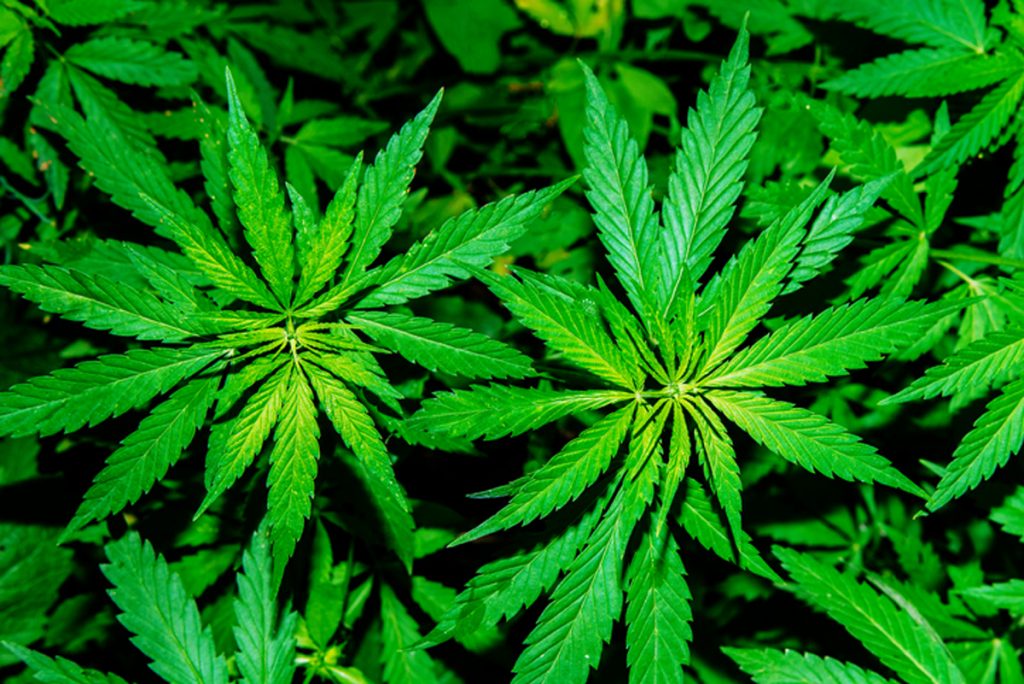
Classified as an illicit drug in many countries, marijuana is outlawed by many governments. In Nigeria, it is often referred to as ‘Indian hemp’. In the country, Cannabis Sativa, which has enjoyed use as fibre, seed and seed oils, medicinal purposes, and as a recreational drug, traces its origin to Central and South Asia. The drug also has many other aliases igbo, dope, ganja, sensi, kuma, morocco, eja, kpoli, weed, trees, etc. Though usually smoked, the plant can be soaked in alcoholic drinks dubbed ‘monkey-tail’, and consumed mostly in the south-south parts of the country.

Some people cook food with it, some boil it to drink as tea, while others just chew the plant and seeds or buy online from platforms like Buy Weed Packs.

Physiologically, cannabis causes euphoria, relaxes the muscles and increases appetite. On the downside, the drug can impair motor skills, cause anxiety and paranoia and decrease short-term memory.

Deemed an illicit drug by the law, it had always been an offence in Nigeria to smoke marijuana, and it has largely been frowned upon by society. However, paradoxically, despite the increased hounding of growers, sellers, and users, marijuana appears to be consumed in ever greater quantities.

The agency saddled with the enforcement of drug laws in Nigeria is the National Drug Law Enforcement Agency (NDLEA). The agency has the job of curtailing the consumption of drugs in Nigeria. The general powers of the agency are contained in section 3 of the NDLEA Act.

Under the NDLEA Act, which came about by the promulgation of Decree Number 48 of 1989, the possession or smoking of cannabis, or even allowing one’s premises to be used for dealing in cannabis, can result in a prison sentence from 15 years to life. Its precursor, the Indian Hemp Act, was even harsher, carrying a maximum sentence of death.

Marijuana in Nigeria

Statistics show that cultivation to transportation and to sales, the marijuana industry connects different cities throughout Nigeria. At many outdoor markets and public motor garages, it is not strange to see marijuana smokers puffing away.

The 2011 United Nations Office on Drugs and Crime (UNODC) World Drug Report stated that cannabis use was prevalent among 14.3 per cent of 15 to 64-year-olds in Nigeria. The same report in 2014 revealed that Nigeria had made the highest number of cannabis seizures of any African country. Following this report, the NDLEA launched a programme dubbed ‘Operation Weed Eaters’ that aimed to rid the country of cannabis.

While marijuana can be grown in all parts of the country, according to the NDLEA, the states that are notorious for cultivating the plant are Ondo, Ogun, Osun, Oyo, Ekiti, Edo and Delta. In September, the NDLEA destroyed cannabis farms in Ute and Ose local government areas in Ondo State and arrested 30 suspects, seizing 31 kilograms of dried weed suspected to be marijuana in the Suleja area.

Between January and June 2014, NDLEA arrested 4,511 suspected drug traffickers and seized 47,423 kilograms of drugs. Of that number, cannabis accounted for 45,875 kilograms. Though these seizure figures are high, large quantities of marijuana still find their way to the market baffling the law enforcement system.

Legalizing Marijuana in Nigeria

It is important to note that many countries, including Nigeria, have enacted harsh laws against the cultivation, possession or sale of cannabis. In fact, dealing or using marijuana in countries such as Singapore, China, Malaysia, United Arab Emirates, and Saudi Arabia could land one from four years in jail to public beheadings.

But in recent years, some nations have adopted a different strategy, of decriminalizing marijuana usage as a way of combating it. These societies have also often reduced the penalties for possession of small quantities of cannabis, so that it is punished by confiscation or a fine rather than by imprisonment. The idea has been to focus more resources on those who traffic the drug while individuals who use a one hitter for personal consumption face less severe consequences, aligning with the trend towards more lenient enforcement of cannabis laws.

Uruguay made history by becoming the first country to legalise cultivation, trade and usage of marijuana in December 2013. In countries as varied as the Netherlands, Germany, Mexico, Peru, and Canada, the emphasis has shifted towards the decriminalization of marijuana. Jamaica, a country where marijuana smoking has long been popular, is set to decriminalize it too.

In 2018, Thailand’s military government unanimously approved medical marijuana use, which would make it the first country to legalize cannabis use in any form in Southeast Asia.

There are several laws in Nigeria that prohibit cultivating, possessing and using Marijuana.

Section of 11 of the NDLEA Act provides that:

Any person who, without lawful authority-

(a) imports, manufactures, produces, processes, plants or grows the drugs popularly known as cocaine, LSD, heroin or any other similar drugs shall be guilty of an offence and liable on conviction to be sentenced to imprisonment for life; or

(b) exports, transports or otherwise traffics in the drugs popularly known as cocaine, LSD, heroin or any other similar drugs shall be guilty of an offence and liable on conviction to be sentenced to imprisonment for life;

(c) sells, buys, exposes or offers for sale or otherwise deals in or with the drugs popularly known as cocaine, LSD, heroin or any other similar drugs shall be guilty of an offence and liable on conviction to be sentenced to imprisonment for life; or

(d) knowingly possesses or uses the drugs popularly known as cocaine, LSD, heroin or any other similar drugs by smoking, inhaling or injecting the said drugs shall be guilty of an offence and liable on conviction to imprisonment for a term not less than fifteen years but not exceeding 25 years.

See also Okewu v FRN (2012) LPELR-7834(SC); Nwadiem v. FRN (2018) LPELR-9845 (CA)

Similarly, section 7 of the Indian Hemp Act prohibits the use of Indian hemp.

From the above provisions, the law proscribes the illegal cultivation, use, sell and possession of Narcotics. The poser from the above is “whether there could be instances of legal cultivation, use, sell and possession of Narcotics?”

A careful perusal of the National Drug Law Enforcement Agency Act will reveal that there was no mention of legal use of Narcotics. What could appear to seem as a provision for legal use is provided for under section 3 of the NDLEA Act. The section provides that:

(1) Subject to this Act and in addition to any other functions expressly conferred on it by other provisions of this Act, the Agency shall have responsibility for-…

(h) the facilitation of rapid exchange of scientific and technical information and the conduct of research geared towards eradication of illicit use of narcotic drugs and psychotropic substances;

It is on the heels of this provision that the NDLEA had given a letter of “No Objection” to Medis Oil Company Limited and two others to import seeds of industrial cannabis for research purposes.

Similarly, Under Article 3 paragraph 5 of the 1961 Single Convention on Narcotic Drugs to which Nigeria is a signatory, it is envisaged that as a result of research, a drug may be deleted from schedule IV of the 1961 Single Convention if researches reveal its therapeutic advantages. At the risk of repetition but for the sake of emphasis the Paragraph provides:

A Party shall, if in its opinion the prevailing conditions in its country render it the most appropriate means of protecting the public health and welfare, prohibit the production, manufacture, export and import of, trade in, possession or use of any such drug except for amounts which may be necessary for medical and scientific research only, including clinical trials therewith to be conducted under or subject to the direct supervision and control of the party.

(Underlining supplied for emphasis)

A careful reading of the 1961 Single Convention on Narcotic Drugs reveals that Narcotics may be used by signatory states for research and medical purposes. Cannabis plant or its resin or extract with THC content lower than 1% is considered as CBD (medical) cannabis and not psychoactive.

Economic benefits of Marijuana: Thailand as a Case Study

Despite the fact that the mischief that several stringent laws against Narcotics seek to prevent is the harm they do to human health, recent medical studies have also indicated that marijuana can also be beneficial to health.

Thailand’s military government unanimously approved medical marijuana use, which would make it the first country to legalize cannabis use in any form in Southeast Asia.

It is apropos to note that Thailand was once infamous for its harsh penalties on drug users, including the death penalty. Cannabis was also once extensively used in Thailand for medicinal purposes as well as clothing, where fibres from both marijuana and hemp plants were used in creating fabrics. Thailand’s cannabis is one of the country’s largest exports.

Globally, the medicinal cannabis industry is projected to be worth $55.8 billion dollars by 2025.

Considering the high rate of employment in Nigeria, legalizing Marijuana will provide job opportunities for many Nigerian youths.

Health Benefits of Cannabis

One of the first big medical issues that cannabis was shown to effectively treat is Glaucoma. Ingesting cannabis helps lower the pressure in the eyeball, giving patients at least temporary relief.

It can improve lung health. Some conditions like lung cancer and Emphysema have been shown to regress when cannabis is thrown into the mix.

Cannabis can also offer serious relief for arthritis, especially when using quality cannabis creams and balms. It’s helpful for those with post-traumatic stress disorders (PTSD). It could help regulate metabolism: as it helps your body process and deals with food and obesity, it also helps maintain and regulate metabolism.

It also helps people with AIDS/HIV in the sense that cannabis helps those living with it cope by helping them maintain their diets and handle associated pains and aches.

It proved effective for treating nausea: chemical compounds in cannabis react with brain receptors to regulate feelings of nausea.

Cannabis could potentially treat headaches naturally and won’t chew through your stomach lining or take its toll on one’s body.

It has also been found to be at least somewhat effective in the treatment of a handful of sexually transmitted diseases, including Herpes and Chlamydia.

It could help with speech problems: if anyone has an issue with stuttering, cannabis can help in the same way that it helps calm spasms and twitches.

It can improve skin conditions and treat skin conditions like eczema vide cannabis topical.

Recreational Benefits of Marijuana

Apart from the argument for the legalization of cannabis for medical and medicinal purposes, there is the argument that its possession and use for recreational purposes should be decriminalized. As would be seen, some countries have passed legislation that decriminalizes possession up to certain amounts and allows recreational use and cultivation up to certain amounts too.

Notwithstanding, there remain ethical questions to its widespread use. At the core of this ethical debate is the question: Is it morally wrong to be high? I am certain that we will agree that we might not have a winner in that debate.

If we are to go by the fact that it impairs cognitive abilities, then it might be morally wrong to ingest anything that impairs our sense of judgment in any way.

Conclusion

Taking a clue from the Utilitarian theory that “actions are right in proportion as they tend to promote happiness”, from the facts and benefits highlighted above, there is really a need to legalize the use of Marijuana in the country.

It is succinct to point out that the war on drugs is often far costlier than the drugs themselves.  Thus if the money pumped against the use of drugs could be redirected in cultivating Marijuana for economic use, there will be a great boost in the economy of the Country.

Finally, one of the greatest problems in policing the illegal use of cannabis is the enforcement of the laws governing its illegality. This in itself has been one of the big drivers for the calls for its legalization across many countries of the world. Most of the proponents of the legalization of its use for both medical and recreational purposes have stated that its criminalization has not stopped its increasingly widespread use but instead, has helped deny people of its ‘wonder-working powers’, as a drug, especially in treating chronic pain as earlier mentioned.

Recommendations

Having considered the benefits accruable to the production, sale and use of Marijuana, it is hereby recommended that the National Assembly should be lobbied to amend the provisions of the NDLEA Act and other relevant laws in order to make room for the legal production, manufacturing, sale and use of Marijuana in Nigeria which in turn boost the economy of the Nation as a whole.

The National Drug Law Enforcement Agency should also enforce the provisions of the 1961 Single Convention on Narcotic Drugs and allow the use of Marijuana for medicinal purposes.


Advertisement
Click to comment

Leave a Reply

Your email address will not be published. Required fields are marked *

Feature/OPED

History is Watching: Tinubu’s Moment to Rescue Nigeria’s Stolen Future

Published

on

Tinubu's Portrait

By Blaise Udunze

Governance is not complicated. It is about people and the resources entrusted to serve them. When resources are managed wisely, the people prosper, and prosperity spreads. Mismanage them, and poverty multiplies. Nigeria’s tragedy is not scarcity. It is stewardship.

For decades, Nigeria, described as Africa’s largest oil producer, has earned hundreds of billions of dollars, yet remains home to some of the world’s poorest citizens. That contradiction is not accidental. It is systemic. It reflects policy distortion, institutional weakness, and a culture of impunity that has too often treated public wealth as political spoils rather than a national trust.

The Abuja-based Independent Media and Policy Initiative (IMPI) recently captured this paradox bluntly by saying, Nigeria’s poverty crisis is not the result of inadequate resources, but of persistent failure to manage them prudently and sustainably. It described the crisis as a “self-inflicted economic malady.” That phrase should trouble every public official.

Between 1980 and 2015, Nigeria rode multiple oil booms. Instead of converting windfalls into diversified productivity, the country succumbed to what economists call the Dutch disease. Oil revenues surged. The naira appreciated. Imports became cheaper. Domestic production became uncompetitive. Agriculture declined. Manufacturing withered.

IMPI’s analysis shows that between 1980 and 1986, exchange rate appreciation crippled local industries and turned Nigeria from a major agricultural exporter into a net food importer. Cocoa, palm oil, and rubber, once pillars of export strength, gave way to dependency. A parallel distortion emerged, the so-called “Nigerian disease.” Rural labour migrated to cities in search of oil-fueled wage spikes. Farming declined. Food insecurity deepened, which has continued to linger each day. Over-mechanised and poorly coordinated agricultural investments, uncompleted irrigation projects, and subsidies skewed toward politically connected elites widened inequality. Oil wealth created the wrong impression of prosperity while hollowing out the economy’s productive core.

Former Vice President Yemi Osinbajo once framed the issue plainly: Nigeria’s challenge is not geographical restructuring but resource management and service delivery. After decades of vast oil earnings, the uncomfortable question remains. Where is the infrastructure?

If mismanagement were purely historical, recovery might simply require time and discipline. But the problem is not confined to the past, and this is because between 2010 and 2026, an estimated $214 billion, roughly N300 trillion, has been flagged as missing, diverted, unrecovered, irregularly spent, or trapped in non-transparent fiscal structures. These figures reveal that they are not speculative but arise from audit reports, legislative investigations, civil society litigation, and investigative findings across administrations.

The oil sector alone provides sobering examples. In 2014, unremitted oil revenues triggered national outrage. Years later, audit queries continue to trail the Nigerian National Petroleum Company Limited. The names of institutions change. The pattern persists. The Central Bank of Nigeria has also faced audit alarms over trillions in unremitted surpluses and questionable intervention facilities. Auditor-General has flagged failures to remit operating surpluses into the Consolidated Revenue Fund, alongside hundreds of billions allegedly disbursed to unidentified beneficiaries under intervention schemes, which is alarming and a common fraudulent practice.

Across ministries, departments, and agencies, trillions have been cited in unsupported expenditures, unremitted taxes, procurement irregularities, and statutory liabilities left unrecovered. The institutions differ. The language of audit reports varies. The years change. The pattern does not.

A natural occurrence, which is the plain truth, and unarguably, is that when electricity funds disappear, the grid collapses. Also, when agricultural loans remain unrecovered, food prices surge. The same goes when social investment programmes stall due to bureaucratic lack of transparency; the vulnerable remain exposed. Nigeria borrows not only because revenue is insufficient but because leakage is persistent.

The 2026 fiscal projections sharpen the dilemma. This has continued to raise concern as seen in the proposed N58.47 trillion budget, which carries a N25.91 trillion deficit, with N15.9 trillion allocated to debt servicing. What signifies a systemic failure is that nearly half of the projected federal revenue will service past loans before development priorities are funded. The truth be told, borrowing is not inherently destructive. Economies such as the United States deploy deficit financing strategically to expand productivity. The difference lies in what the borrowing finances.

To date, Nigeria’s deficits are increasingly funded by recurrent obligations rather than productivity-enhancing infrastructure. This is why Nigeria’s domestic borrowing persistently crowds out private-sector credit, driving up interest rates and stifling enterprise. Time after time, the nation has continued to witness how weak revenue mobilisation, overt oil dependence, and institutional inefficiencies compound the strain, and for these reasons, public debt is projected to has surpass N177.14 trillion by the end of 2026, which is driven by the budget deficit in 2026 Appropriation Bill.

Based on what is obtainable in other advance country, debt becomes sustainable only when borrowed funds are channeled into growth-enhancing investments, institutions ensure transparency and value for money, and economic expansion outpaces debt accumulation. When these conditions weaken, deficits evolve into a fiscal trap.

Despite some of the challenges occasioned by mismanaged resources and leakages, policymakers project cautious optimism. The Central Bank forecasts GDP growth of approximately 4.49 percent, moderating inflation, and foreign reserves exceeding $50 billion. On paper, stability appears to be returning. But stability is not prosperity.

Take, for instance, between 2006 and 2014, Nigeria recorded average GDP growth rates of six to seven percent, peaking near eight percent. Yet poverty remained stubbornly high, judging by the lived experience of the populace. This shows that growth without inclusion is only an arithmetic, not development. Today, households confront elevated food prices despite the report that food inflation fell from 29.63 per cent in January 2025 to 8.89 per cent in January 2026, energy costs, and unemployment. Yes, one may say that the exchange-rate unification and fuel subsidy removal were economically rational reforms. However, without aggressive domestic production expansion and credible social safety nets, adjustment costs fall heavily on citizens.

The concept of the “resource curse,” coined by Professor Richard Auty, explains why resource-rich nations often experience weaker institutions and lower long-term growth than resource-poor peers. Nigeria truly exemplifies that irony. Yet the curse is not inevitable. This is because countries such as Norway and Botswana transformed natural resource wealth into long-term prosperity through disciplined institutions, sovereign wealth management, and uncompromising transparency, which happens to be foreign to Nigeria’s system. The difference was not geology. It was governance.

Former President Olusegun Obasanjo has never been quite over resource plundering as he lamented that Nigeria has squandered divine gifts. The same lies with the former Minister George Akume, who warned that no nation grows if a quarter of its resources are consistently mismanaged. The former Anambra governor, Peter Obi, observed bluntly that wealth cannot be entrusted to those without integrity. The United Nations is also amongst those who have repeatedly warned that mismanaged natural resources fuel instability and conflict. Where institutions are weak, resource wealth becomes combustible. Nigeria has navigated that edge for decades.

Nigeria does not suffer from a shortage of reform announcements. It suffers from a gap between announcement and enforcement. The Treasury Single Account was designed to consolidate public funds under constitutional oversight. Yet significant funds have periodically remained outside complete transparency. The problem is that audit findings often accumulate without visible recovery, prosecution, or systemic reform.

The reality is that if every naira saved from subsidy reform is not transparently reinvested in infrastructure, healthcare, education, and productivity, public trust will erode further. If intervention facilities are not tracked and repaid, agriculture will stagnate. If oil revenues are not fully remitted and independently audited, diversification will remain rhetorical, just as they have defined the system today. What will definitely propel a change when visible enforcement, recoveries, prosecutions, and institutional strengthening must replace quiet reports and circular memos.

President Bola Ahmed Tinubu stands at a consequential intersection due to the critical issues unfolding. His administration has initiated painful but necessary reforms in the areas of fuel subsidy removal, exchange-rate unification, and fiscal restructuring. One stands to say that these measures aim to restore macroeconomic order. But for a fact, macroeconomic stability is a foundation, not a destination. His presidency will either mark the beginning of Nigeria’s fiscal rescue or consolidate a system that mortgages tomorrow to survive today.

Human capital cannot remain peripheral. Education aligned with labour-market needs, vocational capacity, healthcare access, and social protection are economic multiplier, not welfare indulgences. Capital expenditure must prioritise integrated infrastructure like power transmission, logistics corridors, and digital connectivity, that unlocks productivity. Every earned naira must enter the Federation Account transparently. Every statutory surplus must be constitutionally remitted. Every diversion must carry a consequence.

One thing that must be understood today is that Nigeria’s future will not be determined solely by oil output or GDP growth percentages. It will be determined by whether resources translate into reliable electricity, functioning roads, expanding industries, competitive exports, and rising household incomes. A nation can borrow to build bridges. Or it can borrow to pay salaries. The former compounds growth. The latter compounds debt.

If deficits translate into visible infrastructure, industrial expansion, thriving private enterprise, and strengthened revenue generation, history will record this era as a bold recalibration. If not, it will be remembered as deferred reckoning.

Nigeria has been wealthy for decades. What it has lacked is disciplined guardianship of that wealth. End the era of systemic leakage and institutional silence, or preside over its continuation. The choice is stark but clear. The point is, this is not just about one leader’s legacy; it is about the future of over 200 million Nigerians and generations.

And for nearly 200 million Nigerians, the outcome will define not just a presidency, but a generation.

Blaise, a journalist and PR professional, writes from Lagos and can be reached via: bl***********@***il.com

Continue Reading

Feature/OPED

How Christians Can Stay Connected to Their Faith During This Lenten Period

Published

on

Lenten Period

It’s that time of year again, when Christians come together in fasting and prayer. Whether observing the traditional Lent or entering a focused period of reflection, it’s a chance to connect more deeply with God, and for many, this season even sets the tone for the year ahead.

Of course, staying focused isn’t always easy. Life has a way of throwing distractions your way, a nosy neighbour, a bus driver who refuses to give you your change, or that colleague testing your patience. Keeping your peace takes intention, and turning off the noise and staying on course requires an act of devotion.

Fasting is meant to create a quiet space in your life, but if that space isn’t filled with something meaningful, old habits can creep back in. Sustaining that focus requires reinforcement beyond physical gatherings, and one way to do so is to tune in to faith-based programming to remain spiritually aligned throughout the period and beyond.

On GOtv, Christian channels such as Dove TV channel 113, Faith TV and Trace Gospel provide sermons, worship experiences and teachings that echo what is being practised in churches across the country.

From intentional conversations on Faith TV on GOtv channel 110 to true worship on Trace Gospel on channel 47, these channels provide nurturing content rooted in biblical teaching, worship, and life application. Viewers are met with inspiring sermons, reflections on scripture, and worship sessions that help form a rhythm of devotion. During fasting periods, this kind of consistent spiritual input becomes a source of encouragement, helping believers stay anchored in prayer and mindful of God’s presence throughout their daily routines.

To catch all these channels and more, simply subscribe, upgrade, or reconnect by downloading the MyGOtv App or dialling *288#. You can also stream anytime with the GOtv Stream App.

Plus, with the We Got You offer, available until 28th February 2026, subscribers automatically upgrade to the next package at no extra cost, giving you access to more channels this season.

Continue Reading

Feature/OPED

Turning Stolen Hardware into a Data Dead-End

Published

on

Apu Pavithran Turning Stolen Hardware

By Apu Pavithran

In Johannesburg, the “city of gold,” the most valuable resource being mined isn’t underground; it’s in the pockets of your employees.

With an average of 189 cellphones reported stolen daily in South Africa, Gauteng province has become the hub of a growing enterprise risk landscape.

For IT leaders across the continent, a “lost phone” is rarely a matter of a misplaced device. It is frequently the result of a coordinated “snatch and grab,” where the hardware is incidental, and corporate data is the true objective.

Industry reports show that 68% of company-owned device breaches stem from lost or stolen hardware. In this context, treating mobile security as a “nice-to-have” insurance policy is no longer an option. It must function as an operational control designed for inevitability.

In the City of Gold, Data Is the Real Prize

When a fintech agent’s device vanishes, the $300 handset cost is a rounding error. The real exposure lies in what that device represents: authorised access to enterprise systems, financial tools, customer data, and internal networks.

Attackers typically pursue one of two outcomes: a quick wipe for resale on the secondary market or, far more dangerously, a deep dive into corporate apps to extract liquid assets or sellable data.

Clearly, many organisations operate under the dangerous assumption that default manufacturer security is sufficient. In reality, a PIN or fingerprint is a flimsy barrier if a device is misconfigured or snatched while unlocked. Once an attacker gets in, they aren’t just holding a phone; they are holding the keys to copy data, reset passwords, or even access admin tools.

The risk intensifies when identity-verification systems are tied directly to the compromised device. Multi-Factor Authentication (MFA), widely regarded as a gold standard, can become a vulnerability if the authentication factor and the primary access point reside on the same compromised device. In such cases, the attacker may not just have a phone; they now have a valid digital identity.

The exposure does not end at authentication. It expands with the structure of the modern workforce.

65% of African SMEs and startups now operate distributed teams. The Bring Your Own Device (BYOD) culture has left many IT departments blind to the health of their fleet, as personal devices may be outdated or jailbroken without any easy way to know.

Device theft is not new in Africa. High-profile incidents, including stolen government hardware, reinforce a simple truth: physical loss is inevitable. The real measure of resilience is whether that loss has any residual value. You may not stop the theft. But you can eliminate the reward.

Theft Is Inevitable, Exposure is Not

If theft cannot always be prevented, systems must be designed so that stolen devices yield nothing of consequence. This shift requires structured, automated controls designed to contain risk the moment loss occurs.

Develop an Incident Response Plan (IRP)
The moment a device is reported missing, predefined actions should trigger automatically: access revocation, session termination, credential reset and remote lock or wipe.

However, such technical playbooks are only as fast as the people who trigger them. Employees must be trained as the first line of defence —not just in the use of strong PINs and biometrics, but in the critical culture of immediate reporting. In high-risk environments, containment windows are measured in minutes, not hours.

Audit and Monitor the Fleet Regularly

Control begins with visibility. Without a continuous, comprehensive audit, IT teams are left responding to incidents after damage has occurred.

Opting for tools like Endpoint Detection and Response (EDR) allows IT teams to spot subtle, suspicious activities or unusual access attempts that signal a compromised device.

Review Device Security Policies
Security controls must be enforced at the management layer, not left to user discretion. Encryption, patch updates and screen-lock policies should be mandatory across corporate devices.

In BYOD environments, ownership-aware policies are essential. Corporate data must remain governed by enterprise controls regardless of device ownership.

Decouple Identity from the Device
Legacy SMS-based authentication models introduce avoidable risk when the authentication channel resides on the compromised handset. Stronger identity models, including hardware tokens, reduce this dependency.

At the same time, native anti-theft features introduced by Apple and Google, such as behavioural theft detection and enforced security delays, add valuable defensive layers. These controls should be embedded into enterprise baselines rather than treated as optional enhancements.

When Stolen Hardware Becomes Worthless

With POPIA penalties now reaching up to R10 million or a decade of imprisonment for serious data loss offences, the Information Regulator has made one thing clear: liability is strict, and the financial fallout is absolute. Yet, a PwC survey reveals a staggering gap: only 28% of South African organisations are prioritising proactive security over reactive firefighting.

At the same time, the continent is battling a massive cybersecurity skills shortage. Enterprises simply do not have the boots on the ground to manually patch every vulnerability or chase every “lost” terminal. In this climate, the only viable path is to automate the defence of your data.

Modern mobile device management (MDM) platforms provide this automation layer.

In field operations, “where” is the first indicator of “what.” If a tablet assigned to a Cape Town district suddenly pings on a highway heading out of the city, you don’t need a notification an hour later—you need an immediate response. An effective MDM system offers geofencing capabilities, automatically triggering a remote lock when devices breach predefined zones.

On Supervised iOS and Android Enterprise devices, enforced Factory Reset Protection (FRP) ensures that even after a forced wipe, the device cannot be reactivated without organisational credentials, eliminating resale value.

For BYOD environments, we cannot ignore the fear that corporate oversight equates to a digital invasion of personal lives. However, containerization through managed Work Profiles creates a secure boundary between corporate and personal data. This enables selective wipe capabilities, removing enterprise assets without intruding on personal privacy.

When integrated with identity providers, device posture and user identity can be evaluated together through multi-condition compliance rules. Access can then be granted, restricted, or revoked based on real-time risk signals.

Platforms built around unified endpoint management and identity integration enable this model of control. At Hexnode, this convergence of device governance and identity enforcement forms the foundation of a proactive security mandate. It transforms mobile fleets from distributed risk points into centrally controlled assets.

In high-risk environments, security cannot be passive. The goal is not recovery. It is irrelevant, ensuring that once a device leaves authorised hands, it holds no data, no identity leverage, and no operational value.

Apu Pavithran is the CEO and founder of Hexnode

Continue Reading

Trending