
Banking
FG Authorises Titan Trust Bank to Collect NESS Levy

By Dipo Olowookere
A commercial bank with the licence to operate across Nigeria, Titan Trust Bank Limited, has been given the approval to collect fees on behalf of the federal government under the Nigeria Export Supervision Scheme (NESS).
The approval was given by the Minister of Finance, Budget and National Planning, Mrs Zainab Ahmed, according to a notice issued by the Central Bank of Nigeria (CBN) on Wednesday.
Business Post reports that NESS is a statutory payment to the Nigerian government on all legitimate goods exported from Nigeria which include the payment for non-oil goods.
According to information gathered from the Nigeria trade portal, this levy is charged at 0.50 per cent of the value of the export and it is collected by the CBN through the authorised commercial banks.
The appointment of Titan Trust Bank as a collector of the fee for the government expands the various channels exporters can use to remit this fee to the apex bank.
“This is to notify all authorised dealers, service providers and the general public that the Minister of Finance, Budget and National Planning has approved the appointment of Titan Trust Bank as one of the designated banks for the collection of NESS Levy.
“Authorised dealers are, therefore, enjoined to bring the information to the attention of their exporting customers,” the circular issued and signed by the director of Trade and Exchange Department of the CBN, Mr O.S. Nnaji, yesterday read.
Titan Trust Bank was established on December 12, 2018, and obtained its national banking license on April 26, 2019, to operate as a commercial bank with national authorization.
Its license is the first national banking license that the CBN has granted in the last 10 years.
The lender was formed to take advantage of the identified gaps in the banking sector and address the unmet needs of the retail mass market, SMEs and corporate institutions.
The company boasts of best-in-class bankers, supporting the execution of the bank’s strategy while delivering on its service promise. The branch network of the financial institution is structured to uniquely enhance quality service delivery with a great customer experience.




By Modupe Gbadeyanka
Alpha Morgan Bank has reaffirmed its commitment to supporting institutions that drive intellectual growth and national development.
The lender gave this reassurance at the commissioning of the Redeemer’s University Business School by Pastor (Mrs) Folu Adeboye, the wife of the General Overseer of the Redeemed Christian Church of God (RCCG), Pastor Enoch Adeboye.
Speaking at the event, the Managing Director of Alpha Morgan Bank, Mr Ade Buraimo, said the company was proud to be associated with the school, noting its commitment to education and institutional development.
As part of its broader focus on knowledge sharing and thought leadership, Alpha Morgan Bank will host its Economic Review Webinar in May 2026, bringing together experts to share insights on key economic trends and opportunities.
The commissioning of the business school was witnessed by distinguished guests, including the Pro-Chancellor and Chairman of the Governing Council of Redeemers University, Professor Oluwatoyin Ogundipe; the Vice Chancellor, Professor Shadrach Olufemi Akindele; Mrs Bola Obasanjo; and other notable dignitaries.

By Adedapo Adesanya
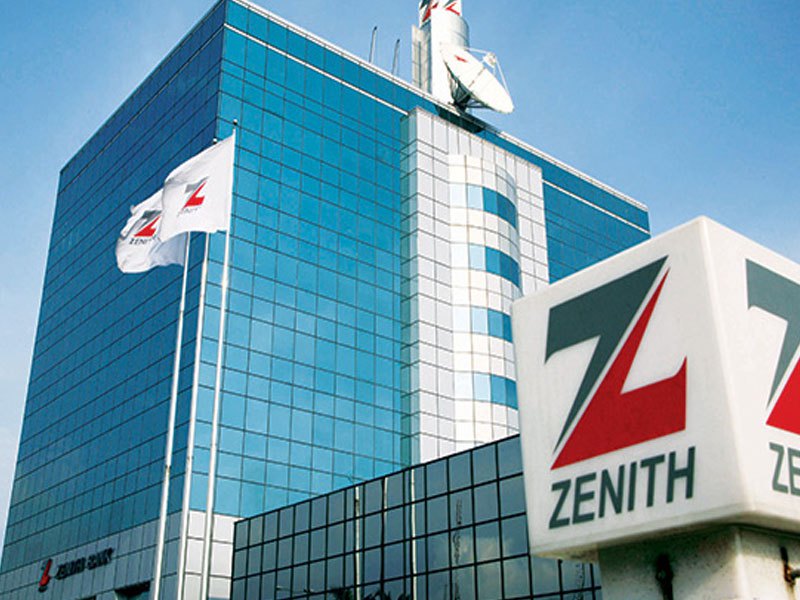
Zenith Bank Plc has announced the successful completion of its acquisition of the entire issued share capital of Paramount Bank Kenya Limited (PBL), following the receipt of all necessary regulatory approvals in both Nigeria and Kenya.
The development marks a significant milestone in the bank’s regional expansion strategy, reinforcing its ambition to deepen its presence across Sub-Saharan Africa.
The acquisition provides Zenith Bank with a strategic entry into the East African market, positioning it to better support cross-border trade and serve its growing base of regional and international clients.
“This acquisition marks a significant step towards our long-term strategic growth agenda and a strong inroad into the East African markets. It further reinforces the Bank’s position as a leading financial institution in Sub-Saharan Africa and affirms the Bank’s mantra of following our customers’ businesses,” the lender said in a statement.
The development comes after Zenith Bank previously refuted recent media reports and online commentary in November 2025, claiming that the bank is in the process of acquiring Paramount Bank in Kenya as part of its expansion into the East African market.
The move also strengthens Zenith Bank’s competitive positioning within Africa’s banking landscape, as Nigerian tier-one banks continue to pursue regional expansion to unlock new growth opportunities. Others like Access Bank and GT Bank have expanded reach in the last few years.
It will be recalled that the management of Zenith Bank, led by Ms Adara Umeoji, at the Nigeria Exchange (NGX), assured shareholders during the recapitalisation exercise that proceeds from the rights issue and public offer would be allocated to the global expansion of Zenith Bank operations, alongside increased funding for the real sector and upgrading technology infrastructure.
According to her, “35 per cent of the proceeds will fund the bank’s global expansion strategy, increasing its footprint in Africa and other parts of the world. 45 per cent will be deployed as working capital to support the real sector of the economy, and 20 per cent will be used to enhance the bank’s IT infrastructure and digital capabilities.”
Last month, Zenith Bank also expanded its operations to the United Kingdom by opening its Manchester branch office. It also unveiled plans to secure a full listing on the London Stock Exchange, one of the world’s leading stock exchanges.
Banking
Proxy Share Acquisition: Nothing to Worry About—LivingTrust Mortgage Bank Assures Shareholders

By Aduragbemi Omiyale
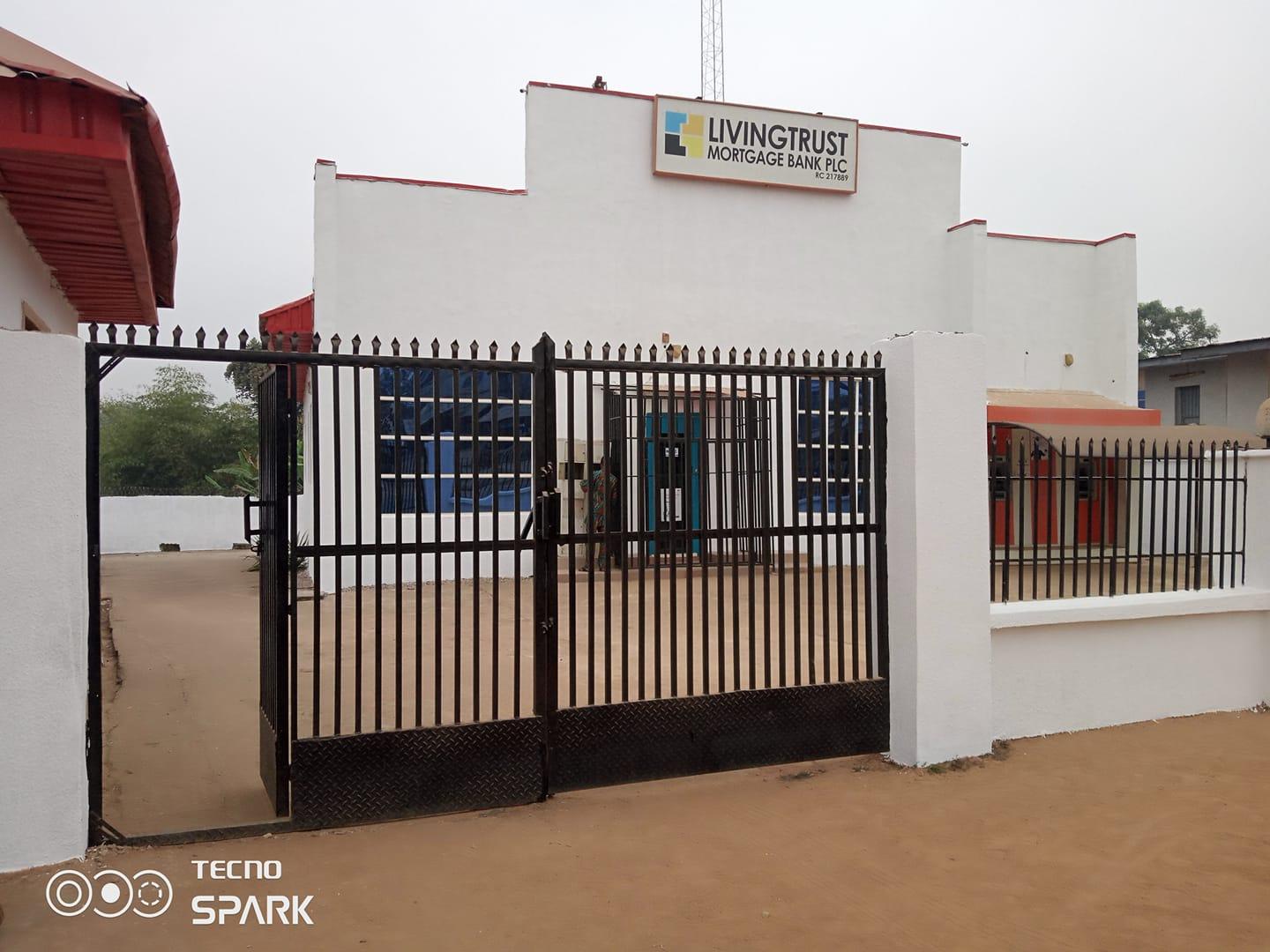
The board of LivingTrust Mortgage Bank Plc has assured the investing public, particularly its shareholders, that its operations are not being affected by reports of an alleged proxy share acquisition surrounding the organisation.
It was claimed that an investor attempted to take over the control of the real estate lender with funds alleged to have been from questionable sources.
In a clarification to the investing public through the Nigerian Exchange (NGX) Limited on Tuesday, April 7, 2026, the company said it cannot confirm if security operatives investigating the claims have submitted their report to the Central Bank of Nigeria (CBN).
However, it assured that, “Our bank is stable and that in the event of any change in ownership, we will file the necessary formal notifications and publish detailed announcements.”
In the notice today, LivingTrust Mortgage Bank narrated that, “As a company listed on the Growth Board of NGX, there are regular movements on the bank’s shareholder register.
“The bank’s monitoring of material movements showed an acquisition of 2.24 per cent of its shareholding by Apel Asset Ltd-Nominee, as per its register of June 25, 2025, as obtained from our registrar. However, one month later, in July 2025, the register obtained from the bank’s registrar showed the same shares to be listed in favour of Deril Academy Limited. We are further aware that in July 2025, Deril Academy Limited teamed up with some other shareholders in a takeover attempt via a matter filed in the Federal High Court, Lagos. The attempt failed, and the matter has now been withdrawn.
“Please note that we do not reveal the veil of corporations of juridical entities investing in the shares of the bank, below the level considered statutorily significant.
“While the CBN assesses the source of funds invested in financial institutions, persons purchasing shares of less than 5 per cent of total shareholdings in the open market are not required to be reported to the CBN.”
Business Post reports that the majority shareholders of LivingTrust Mortgage Bank, formerly Omoluabi Mortgage Bank, are Cititrust Holdings Plc and the Osun State Government.
-
 Feature/OPED6 years ago
Davos was Different this year
-
Travel/Tourism10 years ago
Lagos Seals Western Lodge Hotel In Ikorodu
-

 Showbiz3 years ago
Estranged Lover Releases Videos of Empress Njamah Bathing
-
 Banking8 years ago
Sort Codes of GTBank Branches in Nigeria
-

 Economy3 years ago
Subsidy Removal: CNG at N130 Per Litre Cheaper Than Petrol—IPMAN
-

 Banking3 years ago
Sort Codes of UBA Branches in Nigeria
-

 Banking3 years ago
First Bank Announces Planned Downtime
-

 Sports3 years ago
Highest Paid Nigerian Footballer – How Much Do Nigerian Footballers Earn