
Banking
Greenwich Merchant Bank to Raise N10bn from Commercial Paper


By Dipo Olowookere
The sum of N10 billion is about to be raised by Greenwich Merchant Bank Limited from the sale of commercial paper, Business Post reports.
The lending institution for players in the business sector intends to use the proceeds of the issue to support its short-term funding needs as part of its working capital management strategy, according to a notice.
The Naira-denominated corporate debt instrument is being issued to investors in the Nigerian capital market under the company’s N100 billion commercial paper programme.
In the details of the exercise, Greenwich Merchant Bank is selling the commercial paper in Series 1 and 2, and subscription commenced on Wednesday, March 1 and will end on Thursday, March 9, 2023.
Series 1 of the note has a tenor of 179 days, with a discount rate of 12.22 per cent and a yield of 13.00 per cent, while Series 2 has a maturity of 270 days, with a discount rate of 12.69 per cent and a yield of 14.00 per cent.
Interested investors are required by the company to pay N5 million as the minimum subscription.
Greenwich Merchant Bank has three operating segments: corporate banking, investment banking, and treasury. Its three main income streams are trading income, interest income, and fees and commission.
In the 2021 fiscal year, the company had a balance sheet of N86.19 billion, of which 97.28 per cent was held in liquid assets, sufficient to cover its short-term obligations, indicating that the organisation should be able to settle its obligations, including debt repayment.
The company’s net operating cash flow, according to researchers at Meristem, remained at a positive value of N46.30 billion in 2021FY versus N0.17 billion in 2020FY, signifying that the company’s earnings quality is positive (25.64x) and higher than 2020FY (0.14x).
Greenwich Merchant Bank obtained its merchant banking license from the Central Bank of Nigeria (CBN) in September 2020, and a month later, it commenced its banking operations.







By Adedapo Adesanya
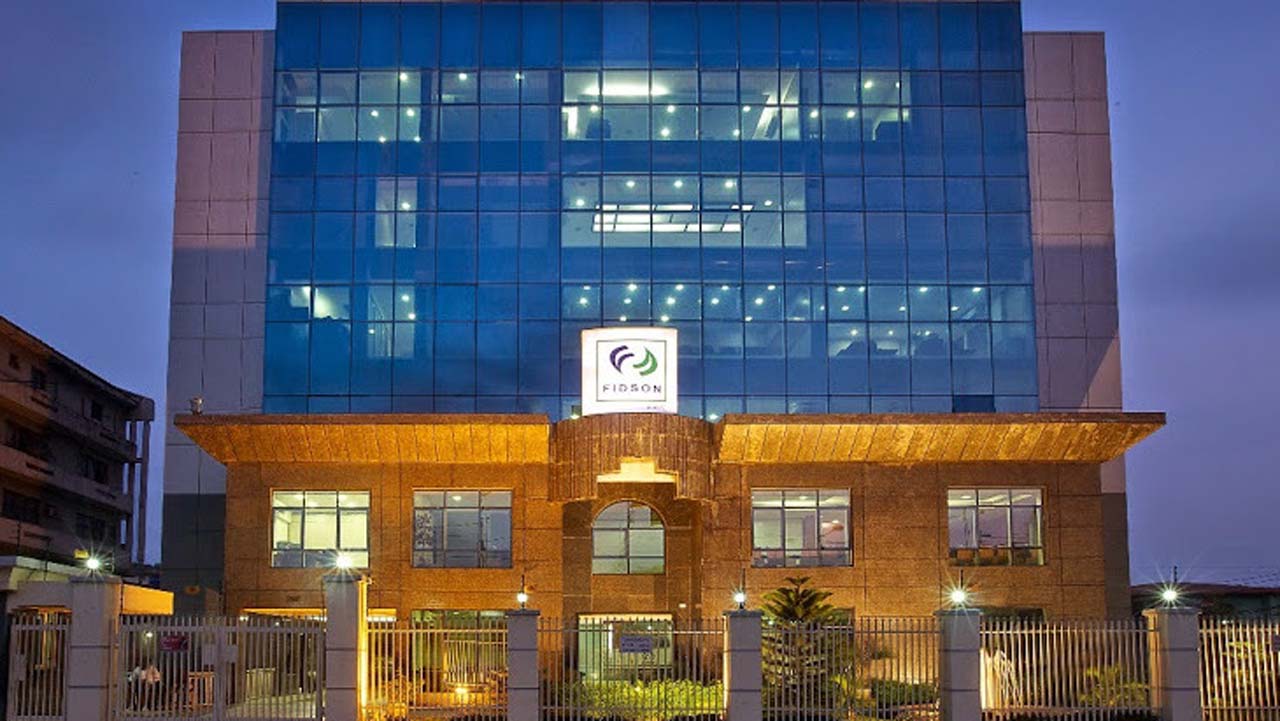
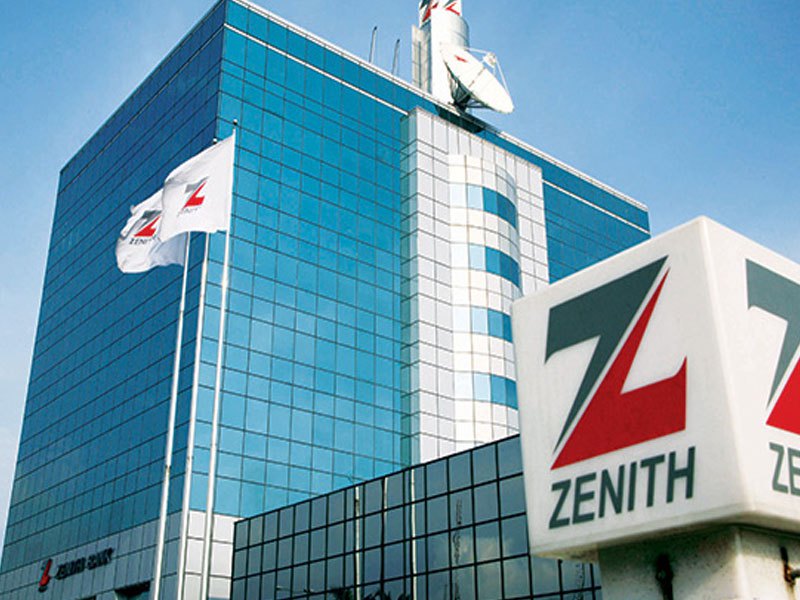
Zenith Bank Plc has announced the successful completion of its acquisition of the entire issued share capital of Paramount Bank Kenya Limited (PBL), following the receipt of all necessary regulatory approvals in both Nigeria and Kenya.
The development marks a significant milestone in the bank’s regional expansion strategy, reinforcing its ambition to deepen its presence across Sub-Saharan Africa.
The acquisition provides Zenith Bank with a strategic entry into the East African market, positioning it to better support cross-border trade and serve its growing base of regional and international clients.
“This acquisition marks a significant step towards our long-term strategic growth agenda and a strong inroad into the East African markets. It further reinforces the Bank’s position as a leading financial institution in Sub-Saharan Africa and affirms the Bank’s mantra of following our customers’ businesses,” the lender said in a statement.
The development comes after Zenith Bank previously refuted recent media reports and online commentary in November 2025, claiming that the bank is in the process of acquiring Paramount Bank in Kenya as part of its expansion into the East African market.
The move also strengthens Zenith Bank’s competitive positioning within Africa’s banking landscape, as Nigerian tier-one banks continue to pursue regional expansion to unlock new growth opportunities. Others like Access Bank and GT Bank have expanded reach in the last few years.
It will be recalled that the management of Zenith Bank, led by Ms Adara Umeoji, at the Nigeria Exchange (NGX), assured shareholders during the recapitalisation exercise that proceeds from the rights issue and public offer would be allocated to the global expansion of Zenith Bank operations, alongside increased funding for the real sector and upgrading technology infrastructure.
According to her, “35 per cent of the proceeds will fund the bank’s global expansion strategy, increasing its footprint in Africa and other parts of the world. 45 per cent will be deployed as working capital to support the real sector of the economy, and 20 per cent will be used to enhance the bank’s IT infrastructure and digital capabilities.”
Last month, Zenith Bank also expanded its operations to the United Kingdom by opening its Manchester branch office. It also unveiled plans to secure a full listing on the London Stock Exchange, one of the world’s leading stock exchanges.
Banking
Proxy Share Acquisition: Nothing to Worry About—LivingTrust Mortgage Bank Assures Shareholders

By Aduragbemi Omiyale
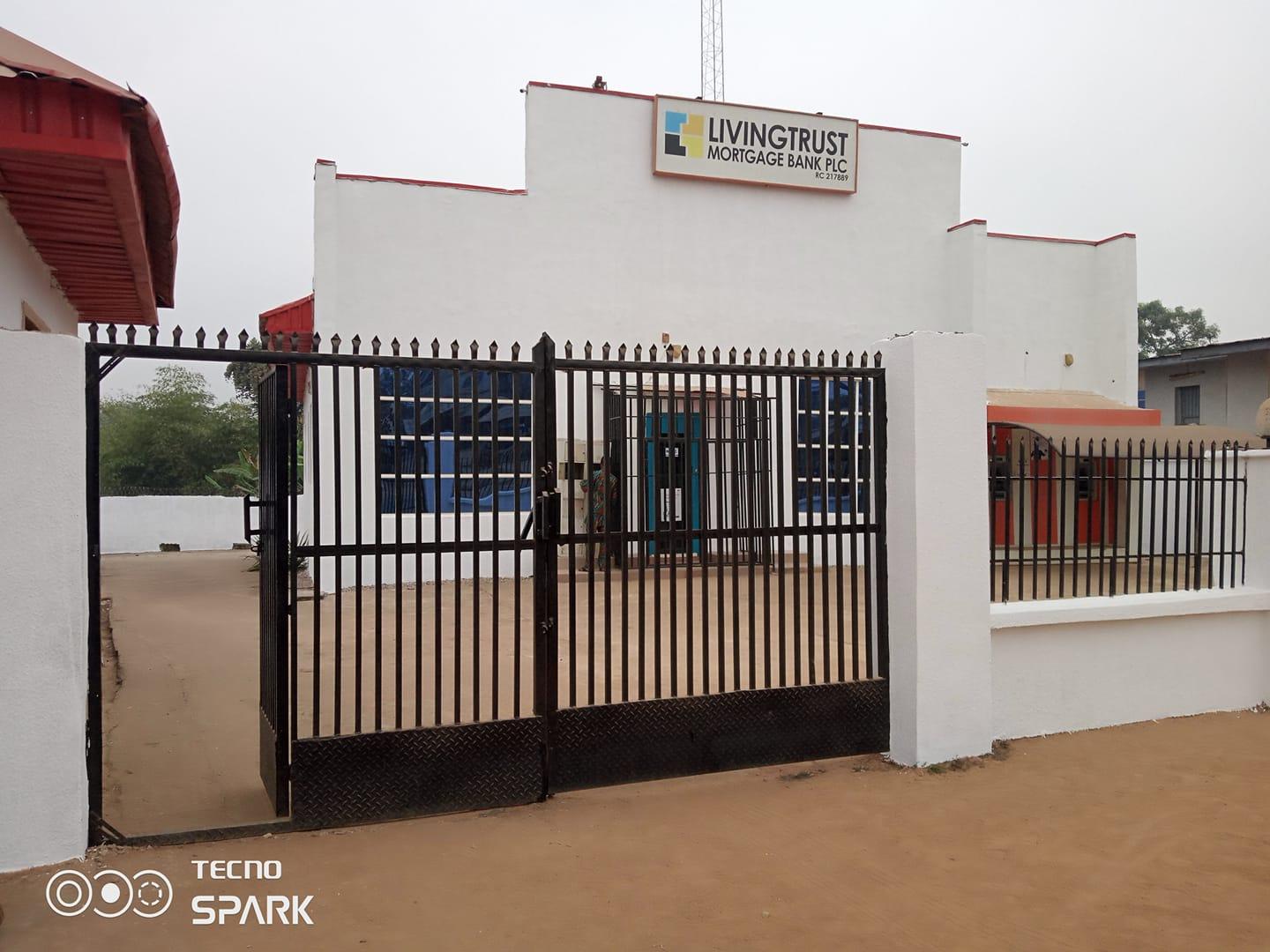
The board of LivingTrust Mortgage Bank Plc has assured the investing public, particularly its shareholders, that its operations are not being affected by reports of an alleged proxy share acquisition surrounding the organisation.
It was claimed that an investor attempted to take over the control of the real estate lender with funds alleged to have been from questionable sources.
In a clarification to the investing public through the Nigerian Exchange (NGX) Limited on Tuesday, April 7, 2026, the company said it cannot confirm if security operatives investigating the claims have submitted their report to the Central Bank of Nigeria (CBN).
However, it assured that, “Our bank is stable and that in the event of any change in ownership, we will file the necessary formal notifications and publish detailed announcements.”
In the notice today, LivingTrust Mortgage Bank narrated that, “As a company listed on the Growth Board of NGX, there are regular movements on the bank’s shareholder register.
“The bank’s monitoring of material movements showed an acquisition of 2.24 per cent of its shareholding by Apel Asset Ltd-Nominee, as per its register of June 25, 2025, as obtained from our registrar. However, one month later, in July 2025, the register obtained from the bank’s registrar showed the same shares to be listed in favour of Deril Academy Limited. We are further aware that in July 2025, Deril Academy Limited teamed up with some other shareholders in a takeover attempt via a matter filed in the Federal High Court, Lagos. The attempt failed, and the matter has now been withdrawn.
“Please note that we do not reveal the veil of corporations of juridical entities investing in the shares of the bank, below the level considered statutorily significant.
“While the CBN assesses the source of funds invested in financial institutions, persons purchasing shares of less than 5 per cent of total shareholdings in the open market are not required to be reported to the CBN.”
Business Post reports that the majority shareholders of LivingTrust Mortgage Bank, formerly Omoluabi Mortgage Bank, are Cititrust Holdings Plc and the Osun State Government.

By Adedapo Adesanya
Nigeria’s Bank Verification Number (BVN) registry surged to 68.6 million in the first three months of 2026 from 67.8 million in the last quarter of 2025, reflecting continued uptake of the unique identity platform for bank customers amid new regulatory directives to strengthen the Nigerian financial landscape further.
Data released by the Nigeria Inter-Bank Settlement System (NIBSS) showed that the database expanded by 754,128 in the first quarter of the year.
Last year, the sector recorded 4.3 million new registrations, largely driven by the Non-Resident Bank Verification Number (NRBVN) initiative, which allows Nigerians in the diaspora to register remotely, thereby boosting cross-border financial inclusion.
The data for fresh enrolments in 2026 showed a slowing rate of registrations, with fewer than one million recorded in the first three months. The total number of active bank accounts in Nigeria stood at over 320 million as of March 2025, highlighting a gap between BVN coverage and the broader banking population. While a single BVN can be linked to multiple accounts, unlinked accounts remain a challenge for financial oversight.
Last month, the Central Bank of Nigeria (CBN) introduced a revised BVN regulatory framework to strengthen identity verification and fraud prevention. Among the new provisions, only individuals aged 18 and above are eligible for BVN enrolment, and customers are now permitted to update the phone number linked to their BVN only once.
The apex bank also directed financial institutions to maintain a temporary watch list of BVNs associated with suspected fraudulent transactions. Affected BVNs remain on the list for up to 24 hours, during which owners are contacted for clarification before further action is taken.
According to the CBN, the measures are designed to tighten fraud monitoring, protect transaction integrity, and enhance identity management across Nigeria’s banking system.
-
 Feature/OPED6 years ago
Davos was Different this year
-
Travel/Tourism10 years ago
Lagos Seals Western Lodge Hotel In Ikorodu
-

 Showbiz3 years ago
Estranged Lover Releases Videos of Empress Njamah Bathing
-
 Banking8 years ago
Sort Codes of GTBank Branches in Nigeria
-

 Economy3 years ago
Subsidy Removal: CNG at N130 Per Litre Cheaper Than Petrol—IPMAN
-

 Banking3 years ago
Sort Codes of UBA Branches in Nigeria
-

 Banking3 years ago
First Bank Announces Planned Downtime
-

 Sports3 years ago
Highest Paid Nigerian Footballer – How Much Do Nigerian Footballers Earn