
Economy
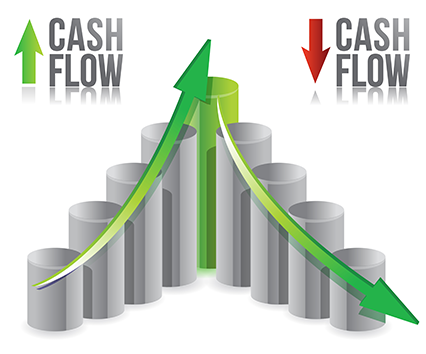
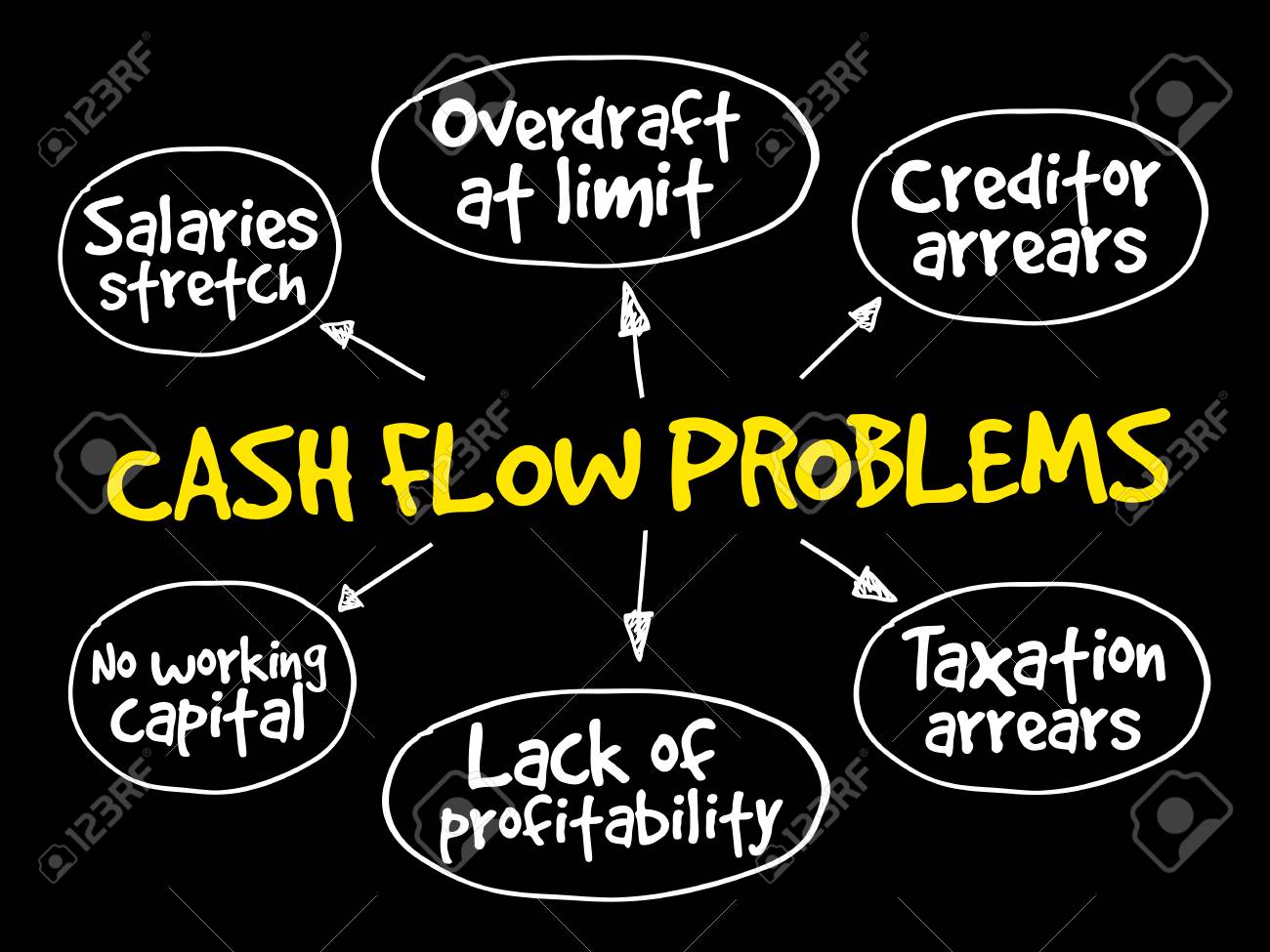
Cash Flow Problems Small Businesses May Likely Experience

By Adeniyi Ogunfowoke
Cash or money is important to the proper, effective and smooth running of any business or enterprise.
It is, therefore, safe to say that without money, your business will collapse.
As a result, Jumia Travel, the leading online booking agency discusses some cash flow problems that are likely to affect the smooth running of your business.
This will ensure that you are fully prepared for any uncertainties. It must be mentioned that 90 percent of small businesses or startups fail due to poor cash flow.
Delayed payment
After providing a service, you expect to be paid immediately, this is not the case most times. You offer your service and get paid later. However, this is not good for your business. In fact, if your clients pay very late, your debt profile will steadily rise. To reduce the effect of late payment, set a timeline for your clients or customers to make payment and use your relationship with the manager to encourage him or her to pay you as early as possible. You can also reduce the credit you offer your customers.
Decline in sales
The reduction in sales can have a huge impact on profit. As soon as you notice a decline in sales, you may need to check your marketing strategy again. You can also take advantage of social media. You don’t need to break the bank to boost sales again.
Low profit
Profit is directly linked to sales. You should not be too surprised if your profit has been hit. The Nigerian economy is trying to recover from its first recession in 22 years. Besides, some businesses have declared losses. This is why the business should have savings to cushion the effect of the lack of profitability. Also, you may need to adjust your growth forecast.
Seasonal demands
There are some businesses that are seasonal. Seasonal in the sense that there are certain months there is a monumental spike in turnover and in other months, it will reduce. For example, there is always an increase in hotel bookings during public holidays and the festive period. This is same for transport. You have to plan your cash for this period so that there is no lacuna.
Overtrading
This usually affects small businesses that are just opening a shop. Most times, these businesses invite customers and friends and offer them a good discount to promote patronage. The turnout may be massive and it may affect your cash flow because so many people are taking advantage of the discount. The rule here is to try as much as possible to make your launching very simple and don’t offer any crazy discount.
Adeniyi Ogunfowoke is a PR Associate at Jumia Travel.



By Adedapo Adesanya
The federal government has inaugurated the Governing Board of the Nigeria Commodity Exchange (NCX) to strengthen commodity trading and accelerate Nigeria’s transition to a non-oil, export-driven economy.
The Minister of Industry, Trade and Investment, Mrs Jumoke Oduwole, who inaugurated the board on Thursday in Abuja, said it was part of efforts to modernise commodity markets and boost export competitiveness.
According to her, the initiative seeks to formalise commodity trade and unlock value in agriculture and solid minerals, supporting the government’s agenda on diversification, job creation and food security.
The minister described the development as a major step toward repositioning Nigeria in regional and global markets.
She noted that Nigeria’s vast resources and access to over 1.4 billion consumers under the African Continental Free Trade Area (AfCFTA) present significant export opportunities.
She emphasised the need to address poor traceability, informal trading systems and infrastructure gaps affecting commodity markets.
Mrs Oduwole said the reactivation of the exchange would strengthen transparency, standardise trading and improve price discovery.
She added that the NCX would attract investment into market infrastructure and help Nigerian commodities meet international export standards.
On his part, the Permanent Secretary of the ministry, Mr Chris Isokpunwu, described the inauguration as a landmark step in strengthening Nigeria’s commodity export ecosystem.
Mr Isokpunwu, represented by the Director of the Commodity Exchange Department of the ministry, Mr Obasi Edozie, urged the newly inaugurated board to discharge their duties with diligence and professionalism.
He assured the board of the ministry’s support toward achieving measurable economic outcomes.
Mr Abubakar, Chairman of the governing board, pledged the board’s commitment to repositioning the exchange as a globally competitive trading platform.
He listed priorities to include strengthening governance, upgrading warehouses and digital trading systems and building capacity for farmers and market operators.
He also emphasised the need to deepen partnerships with financial institutions and international commodity markets.
“The inauguration underscores the Federal Government’s commitment to repositioning the NCX to drive export growth, rural prosperity and sustainable economic development.”

**Revokes Trading Licences of LMB, Platinum Stockbrokers
By Aduragbemi Omiyale
A stockbroking company, Premium Capital and Stockbrokers Limited, has been fined N5 million for engaging in “unauthorised sale of its clients’ securities.”
A circular issued by the Nigerian Exchange (NGX) Regulation Limited disclosed that the trading licence of the organisation has also been revoked.
In the notice signed by the Head of Market Regulation for NGX RegCo, Chinedu Akamaka, Premium Capital violated Rule 11.9 of the Rulebook of The Exchange, 2015 (Dealing Members’ Rules), which focuses on the Prohibition of Unauthorised Sale of Securities.
Business Post reports that Premium Capital was not the only stockbroker that had its trading licence withdrawn, as it also affected others.
The licence of LMB Stockbrokers Limited was revoked by NGX RegCo for prolonged inactivity, which falls contrary to Rule 6.4: Revocation of Inactive Dealing Members’ Licences, Rulebook of The Exchange, 2015 (Dealing Members’ Rules), as amended.
The same also affected Platinum Stockbrokers Limited, which has not witnessed activity on the floor of the NGX Limited for a while.
Similarly, the authorised dealing clerkship of Mr Bernard Oluwole Ilori, was taken back with immediate effect in alignment with an earlier determination by the Securities and Exchange Commission’s (SEC) Administrative Proceedings Committee (APC), which arose from his involvement in regulatory infractions connected to Mutual Alliance Investment and Securities Limited and resulted in his 10-year ban from the Nigerian capital market since March 25, 2021.
Investors have been “strongly advised not to engage in any activity with the firms” whose trading licenses have been revoked.

By Aduragbemi Omiyale
The securities of DN Tyre and Rubber Plc, and Greif Nigeria Plc have been delisted by the regulatory arm of the Nigerian Exchange (NGX) Group Plc, NGX Regulation Limited.
A statement signed by the Head of the Issuer Regulation Department of NGX RegCo, Mr Godstime Iwenekhai, said the delisting became effective on Thursday, April 9, 2026.
In the notice issued yesterday, it was further disclosed that the action complied with the provisions of Clause 14 of the Amended Form of General Undertaking, for Listing on Nigerian Exchange Limited General Undertaking.
According to this clause, “The exchange reserves the right to, at its sole and absolute discretion, suspend trading in any listed securities of the Issuer, delist such securities, or remove the name of the issuer (listed company) from the daily official list of the exchange with or without prior notice to the issuer, upon failure of the issuer to comply with any one or more of the provisions of this General Undertaking, or when in its sole discretion, the exchange determines that such suspension of trading or delisting is in the public interest, or otherwise warranted.”
It was explained that the shares of the two firms were delisted because they fell below the listing standards.
“The securities of DN Tyre and Rubber Plc and Greif Nigeria have been delisted from the facilities of Nigerian Exchange Limited (NGX) effective Thursday, April 9, 2026, on the grounds that the companies are operating below the listing standards of NGX and their securities are no longer considered suitable for continued listing and trading in the market,” the disclosure noted.
-
 Feature/OPED6 years ago
Davos was Different this year
-
Travel/Tourism10 years ago
Lagos Seals Western Lodge Hotel In Ikorodu
-

 Showbiz3 years ago
Estranged Lover Releases Videos of Empress Njamah Bathing
-
 Banking8 years ago
Sort Codes of GTBank Branches in Nigeria
-

 Economy3 years ago
Subsidy Removal: CNG at N130 Per Litre Cheaper Than Petrol—IPMAN
-

 Banking3 years ago
Sort Codes of UBA Branches in Nigeria
-

 Banking3 years ago
First Bank Announces Planned Downtime
-

 Sports3 years ago
Highest Paid Nigerian Footballer – How Much Do Nigerian Footballers Earn