
Economy
FG Optimising Aquaculture for Economic Wealth, Job Creation—Lokpobiri

By Modupe Gbadeyanka
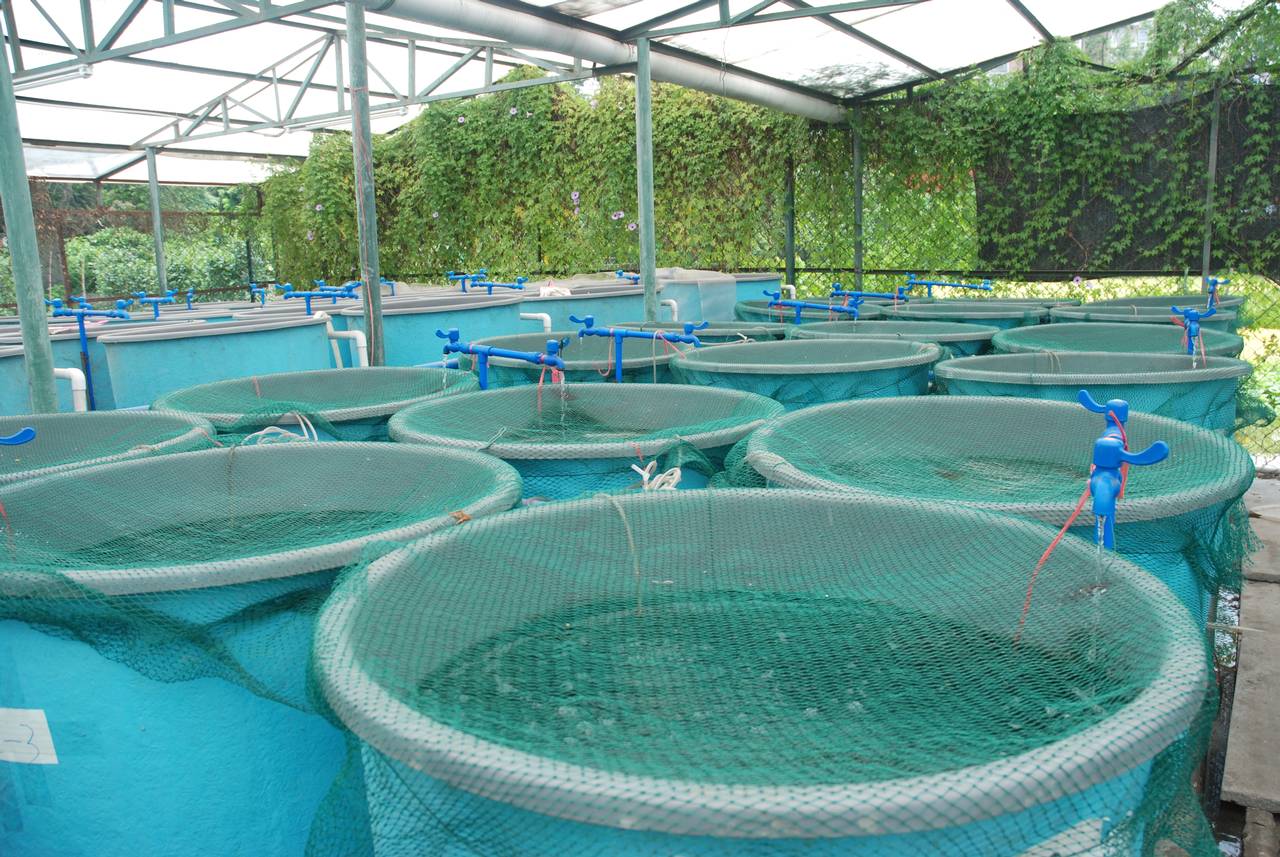
Minister of State for Agriculture and Rural Development, Mr Heineken Lokpkobiri, has disclosed that the Federal Government was improving aquaculture in order to create economic wealth and job opportunities across the country.
Mr Lokpobiri made this known when he attended a high level meeting of key leaders and Ministers of Fisheries and Global Seafood Sectors in Iceland.
The concept of the meeting in Iceland is to further enhance the blue Bio-economy, with the aim of optimizing economic use of our oceans and aquatic resources.
The theme of the meeting was ‘Promoting the Blue Bio-economy, making best use of ocean opportunities.’
The meeting was organized in collaboration with the Food and Agriculture Organization of the United Nations (FAO).
Mr Lokpkobiri, who led the Nigerian delegation, in his submission, said the present administration of President Muhammadu Buhari has greatly expanded her political momentum that has resulted in the development and promotion of the implementation of the backward integration in aquaculture, thereby increasing wealth creation, economic gains and happy individuals and families in Nigeria today.
He said the background and objective of the forum on Bio-economy has over the last decade become a widely used term in global policies which are related to various issues such as food security, sustainable production, and energy needs.
The Blue Bio-economy is the blue sector of the economy, focusing on initiatives and applications being applied in fisheries and fish processing, aquaculture, coastal tourism, marine Biotechnology and other related sectors.
The concept of a “blue economy” came out of the 2012 Rio + 20 conference, this has played an important role in achieving the post-2015 Global Sustainable Development Goals (SDG’s).
The world seafood congress 2017 attracted over 500 seafood professionals from around the globe. There were international expert, speakers, keynote presentations and industry specific fisheries presentations, panel discussions and workshop sessions.





By Adedapo Adesanya
The Nigerian Electricity Regulatory Commission (NERC) has issued a directive to ensure transparency in reporting the Regional Electricity Transmission Loss Factor, as it remains above the 7 per cent threshold.
In a public notice posted on its official X (formerly Twitter) on Monday, the order, contained in No. NERC/2026/026 is aimed at improving transparency and efficiency in Nigeria’s power grid through enhanced reporting of Regional Transmission Loss Factors (TLF).
The regulator disclosed that the order is backed by the provisions of the Electricity Act 2023, which enables the commission to regulate, monitor, and ensure efficiency in the power sector.
According to the statement, the Data from the Nigerian Independent System Operator (NISO) indicate that the national average TLF was 8.71 per cent in 2024 but was reduced to 7.24 per cent in 2025.
The statement added that the report exceeds the 7 per cent benchmark approved by NERC in the Multi-Year Tariff Order (MYTO).
The statement reads, “The Order dated 8 April 2026 establishes a formal framework for reporting transmission losses across regions operated by the Transmission Company of Nigeria (TCN).
“Taking effect from 13 April 2026, the Order is backed by provisions of the Electricity Act 2023, which empower NERC to regulate, monitor, and ensure efficiency in the electricity market.”
The directive reads, “NISO to install smart meters at all boundary regional interconnection points by December 2026 to accurately measure energy flows for each region of the transmission network.
“NISO to measure and document all energy flow of power transformers at transmission substations.
“NISO to file quarterly reports on TLF to NERC on a regional basis.”
It added, “TCN to file an action plan by July 2026 on the reduction of TLF to a value within the 7 per cent approved benchmarks in the regions.
“TCN to ensure that TLF across transmission regions shall not exceed 6.5 per cent by December 2026.”
NERC concluded that the order is designed to strengthen accountability in transmission operations and support better grid performance through structured loss reporting.
By Adedapo Adesanya
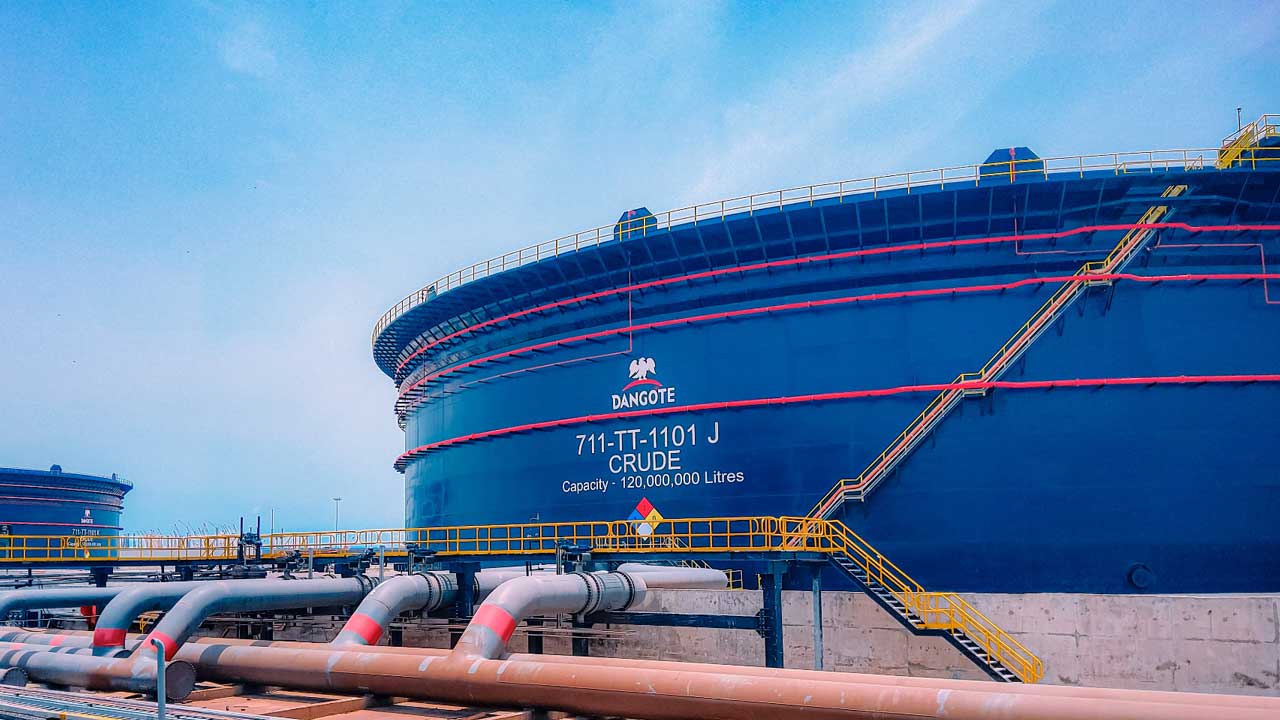
Nigerian businessman, Mr Aliko Dangote, is planning to list shares of his $20 billion oil refinery on multiple African stock exchanges.
The landmark cross-border public offering on the continent was disclosed by the chief executive of the Nairobi Securities Exchange (NSE), Mr Frank Mwiti, following a meeting held last week in Lagos between Mr Dangote and several heads of African exchanges.
Last year, Mr Dangote unveiled plans to list a 10 per cent stake in his Lagos-based refinery on the Nigerian Exchange this year.
According to a Bloomberg report, citing an email from the chief executive of FirstCap, Mr Ukandu Ukandu, Stanbic IBTC Capital Limited, Vetiva Advisory Services Limited, and FirstCap Limited have been appointed as advisers for the initial public offering of Dangote Petroleum Refinery and Petrochemicals FZE.
Mr Mwiti said the proposed listing is designed to cut across multiple markets and deepen investor participation across the continent.
“The plan is to structure a pan-African IPO,” he said.
Bloomberg also reported that a spokesman for the Dangote Group confirmed that discussions had taken place between Mr Dangote and exchange officials but declined to provide further details.
In February 2026, Mr Dangote said that the IPO could be launched within the next five months.
“But individually Nigerians too will have an opportunity in the next maximum four or five months, they will actually be able to buy their shares,” he said at the time.
He added that investors would have flexibility in how they receive returns.
“People will have a choice either to get their dividends in naira or to get their dividends in dollars because we earn in Dollars.”

By Dipo Olowookere
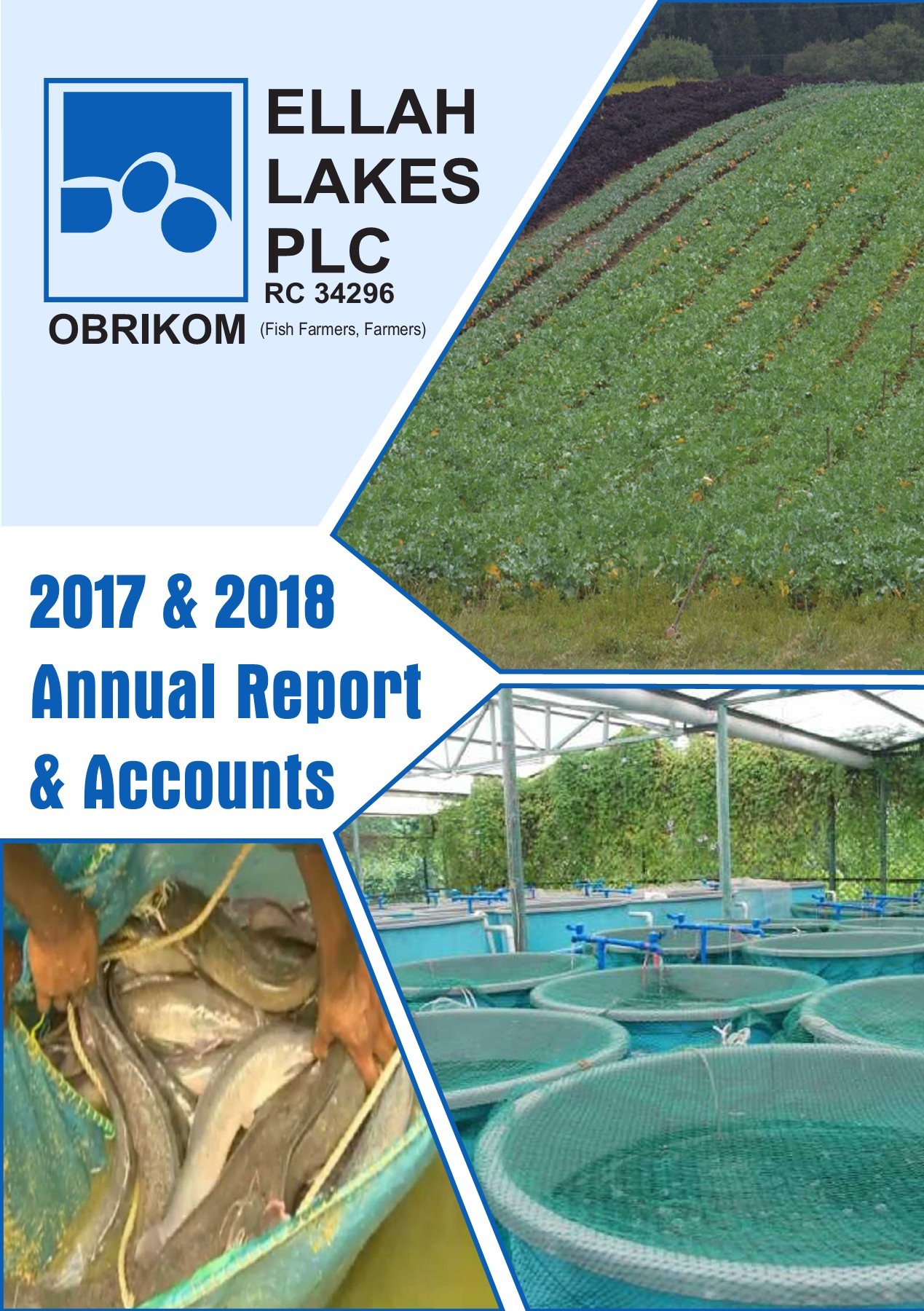
Efforts are being made to ensure the throughput of Ellah Lakes Plc is increased to deliver long-term value for shareholders, the chief executive of the organisation, Mr Chuka Mordi, has said.
Mr Mordi was reacting to the audited 17-month financial statements of the firm ended December 31, 2025, as it transitions to a December financial year-end to enhance comparability with industry peers.
This action is also to strengthen reporting discipline and align financial reporting with the agricultural operating cycle, from planting through harvest and processing, providing a more accurate reflection of the company’s operational performance.
In the period under review, Ellah Lakes recorded N146.66 million in revenue, driven by initial harvests and sales of Fresh Fruit Bunches (FFBs), with the cash flows supporting operational stability as larger assets continue to mature.
However, the company suffered an operating loss of N3.84 billion, as the earnings per share (EPS) closed with a N1 loss.
Between July 2024 and December 2025, the organisation achieved a key operational milestone, with the commissioning of its upgraded 5-tonnes-per-hour crude palm oil mill in July 2025, strengthening its ability to process output internally and capture more value across its palm oil value chain as plantation maturity improves.
Also, it planted 17,000 seedlings and maintained 47,000 seedlings in the nursery, as part of a broader planting programme, supporting Ellah Lakes’ medium-term production pipeline and providing a stronger foundation for future output as more hectares move into productive phases.
“The 17-month period marks an important transition for Ellah Lakes as we progress from asset development into early-stage commercial operations.
“During the period, we commissioned our upgraded crude palm oil mill, advanced plantation development, and commenced pig farming activities, marking the beginning of revenue generation across our core value chains.
“While our reported results reflect the cost of expansion, start-up activities and non-recurring transaction-related expenses, they also establish the operational foundation required to scale the business.
“Our focus now is on improving yields from maturing plantations, increasing processing throughput, and driving greater efficiency across our operations. We remain committed to disciplined execution and capital stewardship as we work towards translating our asset base into stronger operating performance and long-term value for shareholders,” Mr Mordi stated.
-
 Feature/OPED6 years ago
Davos was Different this year
-
Travel/Tourism10 years ago
Lagos Seals Western Lodge Hotel In Ikorodu
-

 Showbiz3 years ago
Estranged Lover Releases Videos of Empress Njamah Bathing
-
 Banking8 years ago
Sort Codes of GTBank Branches in Nigeria
-

 Economy3 years ago
Subsidy Removal: CNG at N130 Per Litre Cheaper Than Petrol—IPMAN
-

 Banking3 years ago
Sort Codes of UBA Branches in Nigeria
-

 Banking3 years ago
First Bank Announces Planned Downtime
-

 Sports3 years ago
Highest Paid Nigerian Footballer – How Much Do Nigerian Footballers Earn