
Economy
Hypefest Hong Kong 2024: An Unforgettable Weekend of Music, Art, and Community

Hong Kong’s first two-day outdoor music and cultural festival hosted by Hypebeast, featured 24 musical acts alongside a multitude of brand activations, art installations and interactive experiences.
HONG KONG SAR – Media OutReach Newswire – 3 December 2024 – Hypebeast, the leading global platform for contemporary culture and lifestyle, concluded Hypefest Hong Kong 2024 on November 9-10. Financially supported by the Mega Arts and Cultural Events (Mega ACE) Fund under the Culture, Sports and Tourism Bureau of the Hong Kong Special Administrative Region Government and supported by iMe Entertainment Group, Hypefest Hong Kong 2024 marked Hypebeast’s largest event in Hong Kong to date. Despite the impact of Typhoon Signal No. 3 and rain, the 2-day weekend event attracted over 28,000 festival-goers gathering at the Central Harbourfront Event Space – the city’s largest outdoor venue – to soak in the spectrum of contemporary and diversified cultures that Hypebeast had to offer.
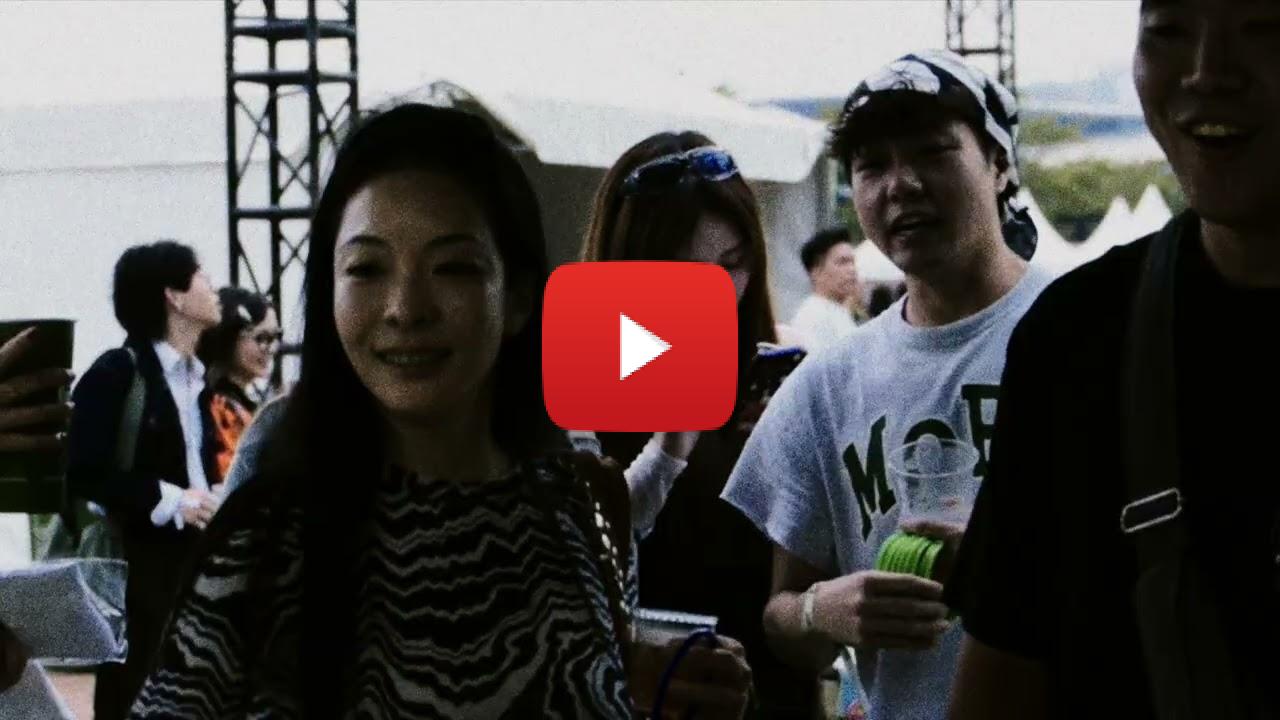
“Hypefest Hong Kong 2024 is the largest initiative we’ve ever done in Hong Kong. We are excited to welcome all visitors from around the world to celebrate fashion, art, music, culture, and community over one amazing weekend. At Hypebeast, our mission is simple – to bring people together in meaningful ways. We are here to create authentic experiences that inspire everyone. And most importantly, we are here to give everyone an opportunity to express their creativity, passions, and dreams. Hypefest Hong Kong 2024 is truly the perfect venue to make this all happen,” said Mr. Kevin Ma, Executive Director and Chief Executive Officer of the Hypebeast Group.
“We are thrilled to support Hypefest Hong Kong 2024, a pivotal event that aligns perfectly with our vision for growth. Our commitment to expanding regional showcases, including music festivals, reflects our dedication to fostering vibrant cultural experiences. Together with Hypebeast, we aim to create unforgettable moments that celebrate creativity and community,” stated Mr. Brian Chow, Chief Executive Officer of the iMe Entertainment Group.
Over the course of the two-day event, Hypefest Hong Kong hosted 24 musical acts headlined by internationally recognized South Korean-born DJ Peggy Gou on the first day, and French electronic music duo, JUSTICE, who concluded the second day of the festival. Apart from the closing performances by the headliners, the music stage showcased a diverse combination of genres that featured a carefully-curated mix of international and regional performers such as ADOY, Awich, ONE OR EIGHT, Rich The Kid, sunkis and more.
In addition to the live performances, the festival was jam-packed with unprecedented and unconventional experiences. Exclusive collaborations stood out as a major highlight with limited edition “Sun Bleach” items with Jiyong Kim, PIET x Oakley and Prodip Leung collaborations, Wing Shya’s capsule, BE@RBRICK Audio’s Hypefest-exclusive speaker and music line-up merch by Peggy Gou’s PEGGY GOODS, as well as JUSTICE available at the flea market.
The festival was nothing short of things to see and do, with Coin Parking Delivery’s larger-than-life inflatable art installation, SIMON’s live-art painting, ASICS SportStyle’ pop-up experience where guests were welcomed with an immersive digital installation, Timberland’s “TIMBS it YOURSELF” customization workshop with Hypefest-exclusive shoe accessories, Mercedes-Benz’ G-Class display and more. Brand pop-ups featuring 432hz, LeeeeeeToy, PabePabe, Raw Emotions, Ballaholic and COSTS were reimagined through interactive carnival games, keeping festival-goers entertained and inspired throughout the weekend. Additionally, the majority of limited-edition collaborative products, including JUSTICE’s T-shirts, Hypefest-exclusive PEGGY GOODS collection by Peggy Gou, and the LABUBU figure created by Kasing Lung in collaboration with 432hz, quickly sold out within two days.
The food village also impressed the visitors with tantalising treats exclusively available at Hypefest Hong Kong 2024. Participating vendors including BaseHall presents: Draftland, Bengal Brothers, Devil’s Tea, Dionysus & Loong, Honbo, Jeonpo Meat Shop, Snack Baby and SONNY’s, who all presented their signature dishes and exclusive menus, making sure festival-goers were replenished and energised.
Hypefest Hong Kong 2024 was made possible by the financial support from the Mega ACE Fund under the Culture, Sports and Tourism Bureau of the Hong Kong Special Administrative Region Government. Supported by iMe Entertainment Group, the leading entertainment company in Asia, the event offered a memorable and innovative experience to all attendees, while celebrating the vibrant fusion of cultures in Hong Kong.
For more information about Hypefest Hong Kong 2024, visit hypebeast.com and follow its social media channels for more.
Instagram:@hypebeast @hypefest
Hashtag: #hypefest #hypefesthongkong2024
The issuer is solely responsible for the content of this announcement.
About Hypebeast
Founded in 2005, Hypebeast is a leading platform for contemporary fashion and culture that highlights curated brands and emerging lifestyles through editorially-driven news and features. Its devotion to discovery has made it one of the premier online destinations for fashion and lifestyle editorial and news. Currently operating in over 15 markets, readers can stay up to date with the latest culturally-relevant news and developments on men’s fashion. For more information, visit Hypebeast.com.
About Mega Arts and Cultural Events (Mega ACE) Fund
The Mega ACE Fund set up by the Culture, Sports and Tourism Bureau aims to attract and support international and large-scale arts and cultural events to anchor in Hong Kong. It targets mega arts and cultural events in Hong Kong organised by the private sector or non-governmental organisations, with a view to developing Hong Kong into an arts and cultural metropolis, providing opportunities for the arts and cultural sector to flourish, as well as fostering Hong Kong’s development as an East-meets-West centre for international cultural exchange.
Project Grant
The Government of the Hong Kong Special Administrative Region provides funding support to Hypefest Hong Kong 2024 only, but does not otherwise take part in it. Any opinions, findings, conclusions or recommendations expressed in the materials/activities (or by members of the Grantee’s team) are those of the organisers of Hypefest Hong Kong 2024 only and do not reflect the views of the Government of the Hong Kong Special Administrative Region.
About iMe Entertainment Group
iMe Entertainment Group, the current leading entertainment company in Asia. Established in 2006 as a concert promoter and artist management company, iMe has since expanded to 10 countries, organized major events in more than 50 major cities in Asia- Pacific region.
Over the past 16 years, iMe has gradually developed entertainment contents consist of concert/live events, artist management, promotion & marketing, and fan base interaction platform, as being the key business elements. iMe committed to grow its scale with producing effective strategies of developing management teams, aiming to deliver innovative and best results for all business partners.



By Adedapo Adesanya
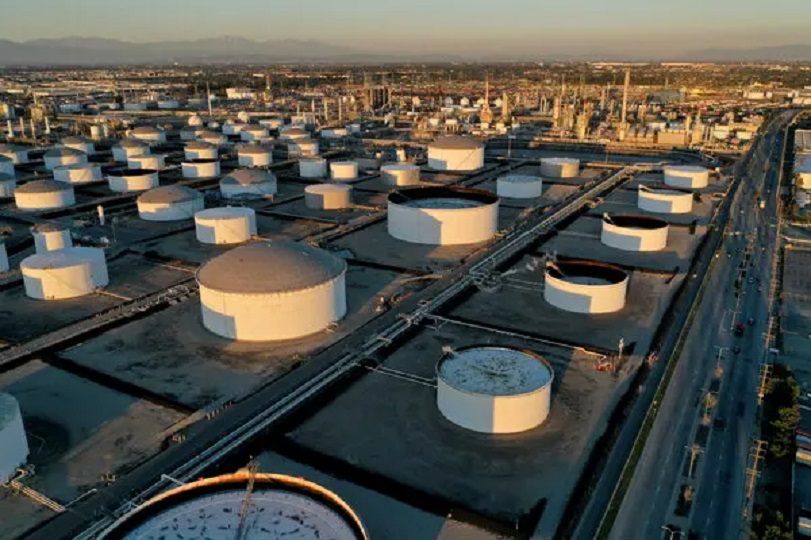
If Nigeria continues producing crude oil at its current pace, its proven reserves would be exhausted in about 59 years, according to the Nigerian Upstream Petroleum Regulatory Commission (NUPRC).
The regulator disclosed this on Wednesday in Abuja, as it released the nation’s official petroleum reserves position as of January 1, 2026.
In a statement signed by its chief executive, Mrs Oritsemeyiwa Eyesan, the commission said Nigeria’s total oil and condensate reserves stand at 37.01 billion barrels, while total gas reserves are about 215.19 trillion cubic feet.
“The Nigerian Upstream Petroleum Regulatory Commission, in keeping with its mandate, is committed to improving upstream sector performance, enhancing the growth of oil and gas reserves, and ensuring stable production for shared prosperity via the operationalisation of the Petroleum Industry Act, 2021, and implementation of the strategic pillars of the commission,” she said.
Providing a breakdown, she stated that “2P crude oil and condensate reserves stand at 31.09 billion barrels and 5.92 billion barrels, respectively, amounting to a total of 37.01 billion barrels.”
On gas, she said, “2P associated gas and non-associated gas reserves stand at 100.21 trillion cubic feet and 114.98 trillion cubic feet, respectively, resulting in total gas reserves of 215.19 trillion cubic feet.”
Explaining the changes recorded within the period, Mrs Eyesan noted that crude volumes declined slightly due to production activities during the previous year.
While Nigeria’s reserves life index stands at 59 years for oil, it was put at 85 years for gas, indicating the estimated duration the resources would last at current production levels.
“The Reserves Life Index is 59 Years and 85 Years for Oil and Gas, respectively. The reason for the slight change in 1.1.2026 oil and condensate reserves by 0.74 per cent is attributable to production in 2025 and reserves update due to field performance and technical evaluation based on subsurface studies.
“The reason for the increase in 1.1.2026 AG and NAG reserves by 2.21 per cent is largely because reserves update is based on discoveries and the result of robust reservoir studies,” she said.
In contrast, she said gas reserves increased on the back of fresh discoveries and improved technical assessments.
“The reason for the increase in 1.1.2026 associated gas and non-associated gas reserves by 2.21 per cent is largely because the reserves update is based on discoveries and the result of robust reservoir studies,” she added.
Declaring the figures official, Mrs Eyesan said, “Consequently, and in furtherance of the provisions of the Petroleum Industry Act, I hereby declare the total oil and condensate reserves of 37.01 billion barrels and total gas reserves of 215.19 trillion cubic feet as the official national petroleum reserves position as of 1st January 2026.”
Findings show that Nigeria’s reserves position in 2026 reflects a modest shift from 2025, when total oil and condensate reserves were slightly higher at about 37.3 billion barrels, while gas reserves stood at approximately 210–211 trillion cubic feet.
The 2026 data, therefore, indicates a 0.74 per cent decline in oil reserves, largely driven by sustained production and limited new oil discoveries, while gas reserves expanded by 2.21 per cent due to ongoing exploration success and renewed focus on gas development.
By Adedapo Adesanya
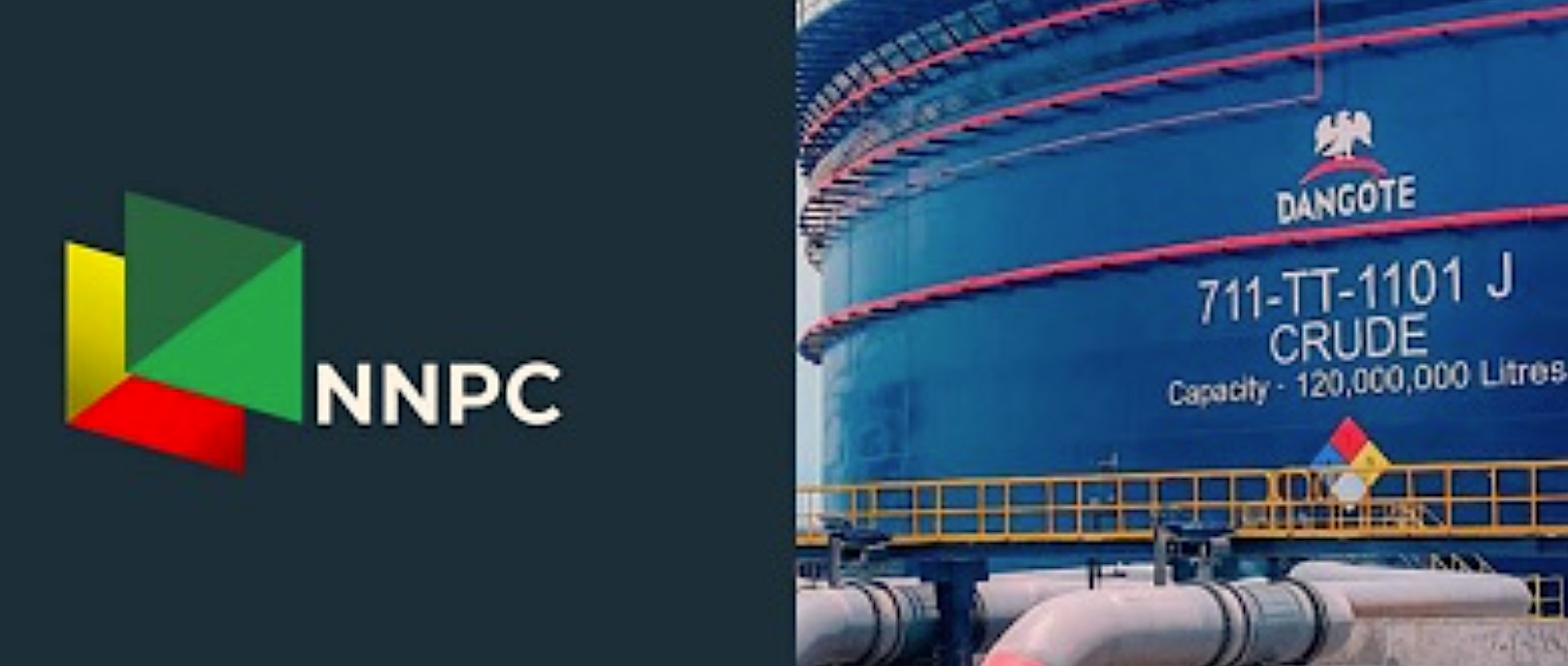
The Nigerian National Petroleum Company (NNPC) Limited has allocated seven cargoes to the Dangote Refinery and Petrochemicals for May 2026, up from five in previous months, to boost fuel production and ease rising costs.
The 650,000 barrels per day Dangote Refinery, which is responsible for over 60 per cent of domestic supply, has not been able to get its expected feedstock from the national oil company under the Crude-for-Naira initiative. It has received about 40 per cent of local feedstock in recent months, according to the chief executive of the oil refinery, Mr David Bird.
He said the refinery currently gets only about five cargoes of crude monthly, against an expected 13 to 15 cargoes, noting that this was below its agreed crude oil supply under the federal government’s Crude-for-Naira arrangement.
Business Post reports that the majority of Nigeria’s crude production is tied to Joint Venture (JV) contracts, which constrain the optimal supply of crude oil to the Dangote Refinery.
According to Reuters, an unnamed senior Dangote official said, “NNPC has allocated more cargoes to Dangote for May,” adding that, “While this will not completely meet our demands, it can help. We are also in negotiation with NNPC for more volumes.”
The increase in crude allocations to the 650,000 barrel per day refinery could also curb volumes of Nigerian crude available for export at a time when the Iran war has drastically cut supply from the Middle East.
Due to the shortfall in the crude-for-Naira policy, the company will still have to purchase crude at international benchmark prices. The company sources crude from Brazil, Equatorial Guinea, Angola, Algeria, and the US, among others.
The official said Dangote recently had to pay premiums as high as $18 a barrel over the Brent crude benchmark to secure cargoes from the international market.
Since NNPC cargoes are cheaper for the refinery because of lower shipping costs. This could translate to higher fuel prices with Nigerians buying as high as N1,300 – N1,400 at the pump.
Fuel prices in Nigeria have reached record highs as Dangote has had to increase petrol depot prices by about 13 per cent in the last month.


By Aduragbemi Omiyale
The Nigerian private sector witnessed a contraction in growth in March 2026, as higher fuel costs triggered by the war in Iran, instigated by the United States and Israel, led to a steep intensification of inflationary pressures.
According to the Stanbic IBTC Purchasing Managers’ Index (PMI) for the month, it stood at 51.9 points compared with 53.2 points recorded in February 2026.
In the period under review, output growth was only modest, but underlying demand reportedly remained resilient, leading to a further sharp rise in new orders. In turn, firms continued to expand their employment and purchasing activity.
The PMI numbers in the first quarter of this year have been consistent with an estimated 3.99 per cent y/y GDP growth for the quarter, after also accounting for the crude oil sector’s performance.
The Nigerian economy is now growing by 4.22 per cent y/y in 2026, from 3.87 per cent y/y in 2025, with the oil sector growth slowing to 3.01 per cent y/y from 8.50 per cent y/y in the preceding year. The non-oil sector’s growth is expected at 4.24 per cent y/y in 2026, from 3.71 per cent y/y in 2025, likely driven primarily by services, which we see growing by 5.64 per cent y/y in 2026 versus 4.14 per cent y/y in 2025.
“While higher fuel costs and power supply issues contributed to a slowdown in the growth of Nigeria’s private sector activity, underlying demand remains strong. This is reflected in an increase in customer demand and the associated impact of new product launches, both of which supported an improvement in new orders.
“Businesses also remained optimistic about increases in future output amid their plans to invest in business expansions and boost promotional efforts. Nonetheless, input prices rose markedly at the sharpest pace since January 2025, with all four monitored sectors seeing sharper rates of inflation,” the Head of Equity Research West Africa at Stanbic IBTC Bank, Muyiwa Oni, commented.








-
 Feature/OPED6 years ago
Davos was Different this year
-
Travel/Tourism10 years ago
Lagos Seals Western Lodge Hotel In Ikorodu
-

 Showbiz3 years ago
Estranged Lover Releases Videos of Empress Njamah Bathing
-
 Banking8 years ago
Sort Codes of GTBank Branches in Nigeria
-

 Economy3 years ago
Subsidy Removal: CNG at N130 Per Litre Cheaper Than Petrol—IPMAN
-

 Banking3 years ago
Sort Codes of UBA Branches in Nigeria
-

 Banking3 years ago
First Bank Announces Planned Downtime
-

 Sports3 years ago
Highest Paid Nigerian Footballer – How Much Do Nigerian Footballers Earn