
Economy
Sources of Business Finance in Nigeria: Types and Options


Finance may be the single most essential element when it comes to the progress and sustainability of businesses in Nigeria. The level of funding available to businesses, small and big, determines their ability to function, grow, and compete. The Nigerian business environment, due to the interplay between the local economy, financial institutions, government, and private investors, offers multiple financing opportunities. The dynamics of these financing opportunities helps business owners and managers make the right decisions that best respond to their objectives and the level of risk they are willing to take.
Start your Livescorebet registration and discover more as this article analyzes the different sources of business finance in Nigeria in a systematic and detailed manner. It defines and explains internal and external financing options and the criteria relevant businesses may use in their search for the best financing instrument.
Understanding Sources of Business Finance
Before one can delve into the different options of business financing available, it is important to define business finances and categorize it. The objective of this is to establish a foundation for understanding the extent to which some options may be more appropriate for different businesses than others.
What Are Sources of Finance?
Sources of finance are how a business acquires funds to begin activities, settle daily operations, or pay for additional business activities like acquisitions, expansions, and long-term projects. Businesses may need to finance the purchase of new equipment, hire and pay additional staff, manage business cash flow, develop new products, or finance the expenses required to enter or compete in new markets.
In Nigeria, the Sources of finance are determined by interest rates, availability of bank services, regulations, and the growth stage of capital markets, among other things. A business may use its own cash resources, borrow from a financial institution, receive funds from an investor, or receive a government grant or other government-funded assistance program. Each of these also offers different-related costs, obligations, and levels of control.
Types of Finance: Major Categories
Business finance is typically subdivided into two larger subsets: internal finance, and external finance. Internal finance is from the business and its resources; external finance is from third parties.
The classification of finance by time is also an option. Short-term finance is used for the working capital needs like inventory and operational expenses. Medium-term finance is used for the purchase of an asset like a machine. Long-term finance is used for significant investments like expansion or infrastructure. These classifications often overlap with internal and external sources and help a business structure their financing efficiently.
Key Principles and Examples
Cost is the most influential principle when it comes to the choice and method of utilizing finance. Aspects like interest and dividends affect profitability. Additionally, other opportunity costs must also be focused on. Another principle is risk. Increased borrowing equates to an increase in financial obligations. Control and flexibility are also essential, especially in terms of the original decision makers.
For instance, a small retail shop could potentially rely on the profits previously obtained to purchase stock and restock their shelf. On the other hand, a manufacturing business may need to obtain a bank loan in addition to leasing an arrangement in order to get the needed equipment. These principles must be understood so that finance can be used to support the objectives of the company.
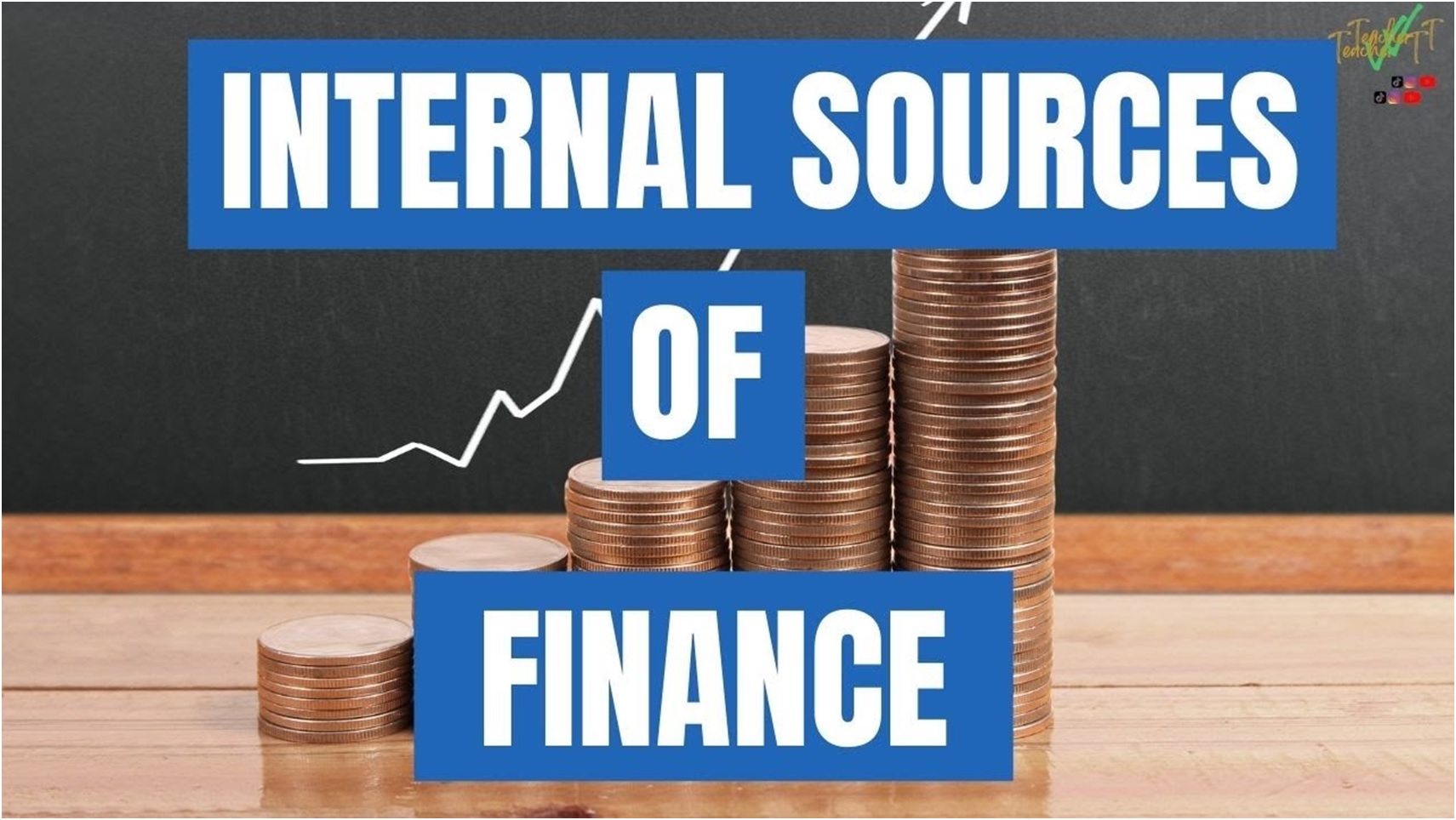
Internal Sources of Business Finance
Internal sources of finance are the finance obtained within a business without the need of external lenders or investors. These sources are often preferred as with them, the business relies a minimal amount on external parties to minimize financial risk.
Retained Earnings
Profits that a company reinvests rather than giving out to owners or stockholders is called retained earnings. Within Nigeria, retained earnings is a common type of financing for SMEs that do not have access to external funding.
This type of financing is cost effective as it does not incur interest or have repayment schedules. Retained earnings financing ensures owners have complete operational control. However, retained earnings depend on profitability, meaning they can be limited or unavailable for new businesses or those that are struggling. Overreliance on retained earnings can also slow expansion if significant capital is needed for growth.
Ordinary (Equity) Shares
For incorporated businesses, it is understood that issuing ordinary shares is considered an internal source if funding is collected from existing owners/shareholders. When an owner nets additional funding, they are strengthening the business’ finances without taking on additional debt.
Equity shares do not have to be paid back, relieving some pressure from cash outflows. This does mean that ownership and profit rights, in the form of dividends, will be repealed. Equity financing in Nigeria is more prevalent in larger businesses and startups with growth potential, especially those that are preparing for future investment rounds or new public listings.
Other Internal Sources
The other internal sources include the streamlining of cash flows, the sale of unused assets, and the reduction of working capital. For instance, a business might dispose of old vehicles or equipment to obtain cash for more productive investments. Likewise, enhanced control of inventories and the speedy collection of receivables can liberate cash for other operational uses.
The techniques described here are often undervalued, especially since they provide short-term relief without incurring external liabilities. Nevertheless, the main limitation of these techniques is scale. They are unlikely to provide the necessary funds to sustain larger projects.
External Sources of Business Finance
External sources imply sourcing funds from outside the business. These sources are particularly necessary for new ventures and rapidly expanding businesses as well as for capital intensive industries.
Bank Lending
Bank lending is, and continues to be, a major source of business finance in Nigeria. Commercial banks, microfinance banks, and development finance institutions all grant businesses loans, overdrafts, and other credit facilities.
Bank loans are easier to obtain and can provide in a short time big amounts of money, making them more attractive for funding major business expansions and for acquisition of new assets. However, such loans are usually associated with a range of challenges such as high-interest rates and demands for strict repayment periods and collateral. Many Nigerian SMEs do not easily gain access to such bank credit due to their limited credit history and insufficient collateral.

Loan Stock
Loan stock is a long-term debt financial instrument provided by companies to obtain funding from customers and pays a fixed interest and is repaid after a determined time. In Nigeria debt stock is more prevalent with large established companies.
A loan stock has the benefit of providing long-term financing without losing partial company control. But the financial risk of the company rising during poor economic times increases, as loan interest rates must always be paid.
Venture Capital
Venture capital, funds provided by the investors of a business with the potential of high growth, is in exchange for equity. Venture capital in Nigeria is more common in technology, fintech, and agri-business.
Venture capitalists do not just provide funding; they also provide their experience in the field, their connections, as well as their planning and do-adding-knowledge, making it highly beneficial for new companies. However, these investors more often than not expect the high amounts of profit; therefore, a greater stake of their ownership of the valuable business is lost.
Leasing and Hire Purchase
Hire purchase and leasing, in asset financing, provide the means for firms to use equipment without the need to make the full payment for the equipment up front. Leasing allows the renting of a fixed-term asset, while hire purchase enables the attainment of the full ownership of the asset after making a series of payment installments.
These techniques are common in Nigeria for acquiring college textbooks, vehicles, office technology, etc. These techniques allow one to maintain positive cash flow, while avoiding large capital expenses. The main disadvantage is the total expenditure is higher than buying the item outright.
Government Assistance and Grants
The government of Nigeria, through its various agencies, has a wide range of funding programs aimed at supporting businesses, particularly for Small and Medium Enterprises (SMEs) and start-ups, which come in the form of grants, subsidised loans, and intervention funds.
When it comes to government assistance, there are lower interest rates for longer periods of time, more flexibility for the beneficiary. However, the availability of such assistance is often restricted, which is often accompanied by complex application procedures and lengthy delays. At the end of the day, although there is a lack of availability, government funding is still a major contributor to the country’s entrepreneurship base development and the economy’s overall growth.
Franchising
From a financing standpoint, franchising is a business model where an entrepreneur receives the right to operate a business under a specified brand for a fee or royalty. While it is not a direct cash resource, the model helps startup a business with lower risk and reduces the financing needed as it comes with brand recognition and an established business system.
In Nigeria, franchising is an approach that is widely adopted, particularly in the food services and hospitality industries. It is especially helpful to startups, as they do not need to build a business model from scratch, and if they need it, the franchising becomes a solid base for acquiring additional funds.
How to Choose the Right Source of Finance
How to choose the right Source of Finance will need balancing what the business needs, how much money is available, and the other goals they want to accomplish over time, since finance refers to how a business entity plans to raise funds from various sources of finance to support business operations and long-term business development.

Step-by-Step Approach to Choosing a Source of Finance
The first thing to do is say what the finance will go towards. Will it be designed to go towards working capital, purchasing raw materials, buying new assets like a new factory, or is it going to be used for expanding into new markets and securing capital for growth? After that, the company decides how much money it will need and how long it will need it for. This helps clarify whether the required sources of funds fall under short-term sources, often needed within one year, or long-term sources used to finance strategic investments.
The 3rd thing to do is to look at the advantages and disadvantages of each funding option, including risks and costs. Some of these will be interest payments, specific repayment terms, and whether financing involves debt or equity financing, which may dilute ownership or preserve the owner’s control. The business must assess if it will rely on borrowed funds, a secured loan, or equity capital, and whether it can manage repayment with interest, including principal and interest, without risking default or bankruptcy. In the end, the business should look at what it will be able to do and whether it should mix together a few main sources from various sources of finance to meet different business needs.
Factors Affecting the Need for Finance
There is a range of different reasons, that can affect the decisions that are made. Things like how big the business and what point in its lifecycle it’s at, which sector it’s in, and how stable its cash flow is. A new business is likely to need finance in the form of equity and government programs while an older company will likely go for a bank loan or use the money that is already in the company.
The economic climate will also have an influence on the cost and availability of finance in a certain country. Things like inflation and interest rates can make it more difficult to get finance in a certain country. Also the absence of certain regulations and the rules that have to be followed will affect what kind of external finance can be used or what type of external finance will be available.
Comparing Major Sources at a Glance
Internal sources lack scale but are less risky and cheaper. External sources are costly and more risky but can provide larger amounts. Equity financing is less risky in terms of repayments but ownership is diluted, while in debt financing, control is maintained but the risk is higher. Businesses need to understand these trade-offs to incorporate financing into their business strategy.
Conclusion
There are several sources of business finance in Nigeria, and these continue diversifying with the progress of the economy and the financial sector. Each of these sources, from internal such as retained earnings, to external like bank lending, government programs, and venture capital, are tailored to address specific business requirements.
This understanding enables entrepreneurs, managers to make accurate and timely decisions, mitigate risks, and facilitate growth. The optimal level of financing is more than a simple matter of availability as is often the case with entrepreneurs, but ensuring the financial architecture of the business is coherent with its objectives in the long term.
FAQs
What is the difference between internal and external sources of finance?
Internal sources are from the business itself like retained earnings and selling of assets, while external sources are from outside the business like banks, investors and government programs. Internal finance poses less risk, but external finance allows access to much larger funds.
How can startups access venture capital in Nigeria?
Accessing venture capital entails constructing sound business models, designing robust business plans, and then forming relationships with investors through incubators, accelerators, and other platforms. A clear organizational structure and the ability to catalyze substantial interest are invaluable.
What are the advantages of retained earnings as a source of finance?
The cost of retained earnings as a source of finance is low, as money does not need to be repaid. Furthermore, the business owner does not need to share control over the company. Retained earnings are also complementary to the financial position of the business. On the downside, retained earnings can only be used if a business is profitable, and may restrict growth if insufficient profits are generated.
How does leasing differ from hire purchase?
When leasing, a company can use an asset for a specified period of time, but ownership stays with the original owner. In hire purchase agreements, a business can use an asset for a specified time but takes ownership after making the required payment. A leasing agreement is flexible but hire purchase agreements are better for a purchase where an ownership is intended.
What government programs are available for business funding in Nigeria?
The Nigerian government, through its development finance institutions and government agencies, provides a wide range of activities, including lending to small and medium enterprises, offering intervention funds, as well as providing grants. These activities aim to support entrepreneurial activities, stimulate job creation, and develop specific sectors.




By Adedapo Adesanya
The National Insurance Commission has issued new guidelines for the collection, management, and administration of the Insurance Policyholders’ Protection Fund.
In a circular issued to all insurance institutions on Tuesday, the regulator also set May 31, 2026, as the deadline for insurers to submit their assessment returns for the 2025 financial year.
Recall that on August 5, 2025, President Bola Tinubu signed into law the Nigerian Insurance Industry Reform Act ( NIIRA 2025).
This landmark legislation repeals the Insurance Act 2003, and consolidates related provisions, ushering in a modern regulatory framework. It lays a strong foundation for sustainable growth and increased investment in the country’s insurance sector.
The commission said the guidelines were issued in exercise of its powers under the 2025 Act and other existing insurance laws and regulations to provide regulatory clarity, improve guidance, and ensure ease of compliance across the industry.
According to NAICOM, the guidelines establish a comprehensive structure for the operation of the IPPF, which serves as a statutory safety net to protect insurance policyholders in the event of distress or insolvency of a licensed insurer or reinsurer. The framework also provides direction on the reimbursement of loans by insurers and reinsurers.
NAICOM stated, “The guidelines ensure regulatory clarity, guidance and ease of compliance, as it provides a comprehensive regulatory framework for the collection, management, and administration of the Fund, which serves as a statutory safety net designed to protect insurance policyholders against distress and insolvency of a licensed insurer or reinsurer, including guidance for the reimbursement of loans by an insurer or reinsurer.
“Please be informed that the IPPF Assessment Returns in respect of the year 2025 shall be submitted to the Commission not later than 31st May 2026, while subsequent submissions shall be in line with Section 4.3 of the Guideline on Insurance Policyholders Protection Fund.”
By Adedapo Adesanya
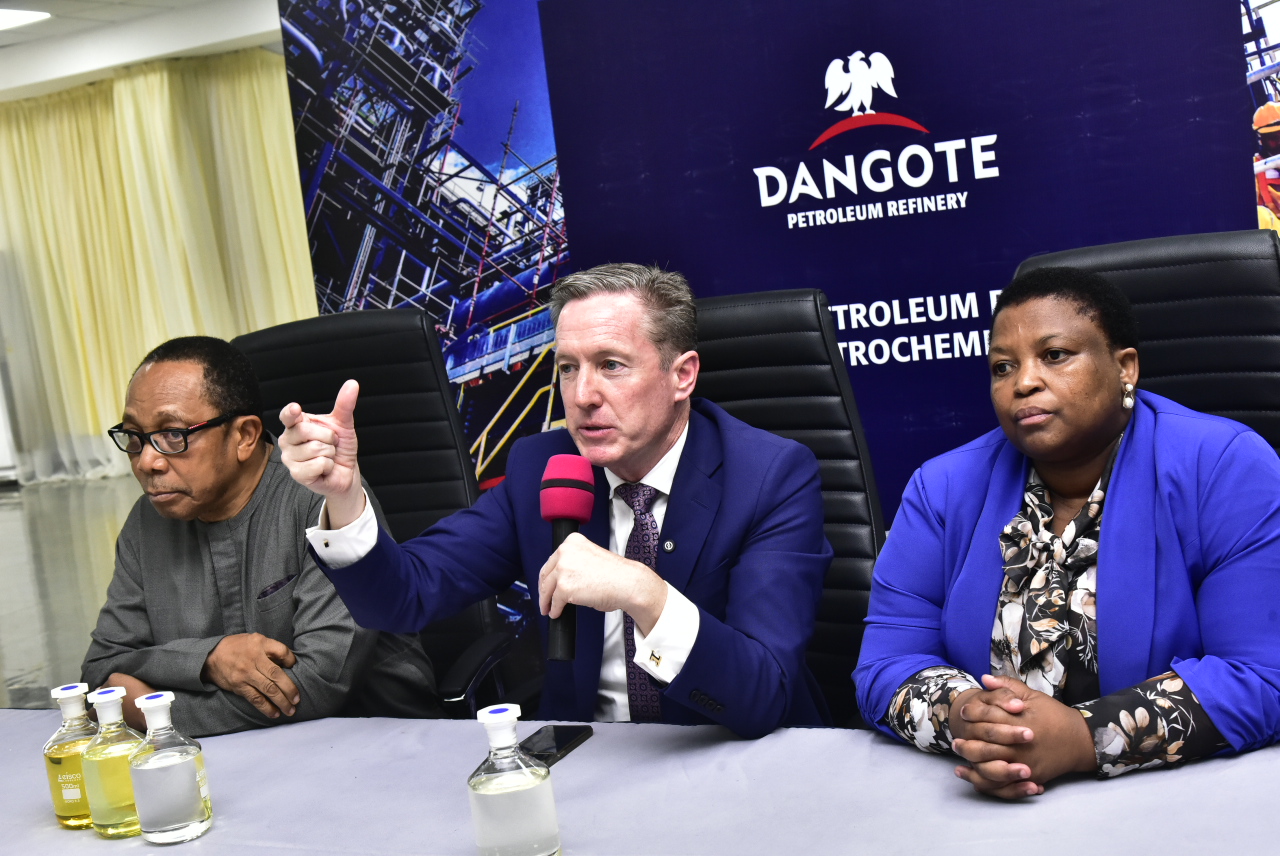
The Dangote Refinery on Wednesday returned the petrol price to N1,200 per litre, less than 24 hours after it increased it by 5 per cent.
The private refinery had raised the ex-depot price by N75 on Tuesday, citing pressure from volatile global oil markets, but quickly brought it back to N1,200 per litre from N1,275 per litre.
The swift downward review is directly linked to a sharp drop in international crude prices. Brent crude has plunged to $95.05 per barrel, after a 13 per cent decline, while the US West Texas Intermediate (WTI) crude closed at $97.18, recording nearly a 14 per cent drop.
This development comes after US President Donald Trump announced a conditional two-week ceasefire with Iran, which eased fears of immediate supply disruptions in the global oil market.
“This will be a double-sided CEASEFIRE!” Trump said on social media, marking a sharp reversal from his earlier warning that “a whole civilisation will die tonight” if Iran failed to comply with US demands.
Iran’s Foreign Minister, Mr Abbas Araqchi, confirmed that the country would halt attacks provided strikes against Iran cease and transit through the Strait of Hormuz is coordinated by Iranian forces.
Despite the breakthrough, tensions remain elevated across the region, with several Gulf states reporting missile launches, drone activity, or issuing civil defence warnings.
While oil prices have fallen back below $100, they remain significantly elevated after surging by a record amount in March. Market analysts noted that regardless of how successful the ceasefire is, geopolitical risk related to the Strait of Hormuz is likely to remain elevated for the foreseeable future under the control of Iran.
By Adedapo Adesanya
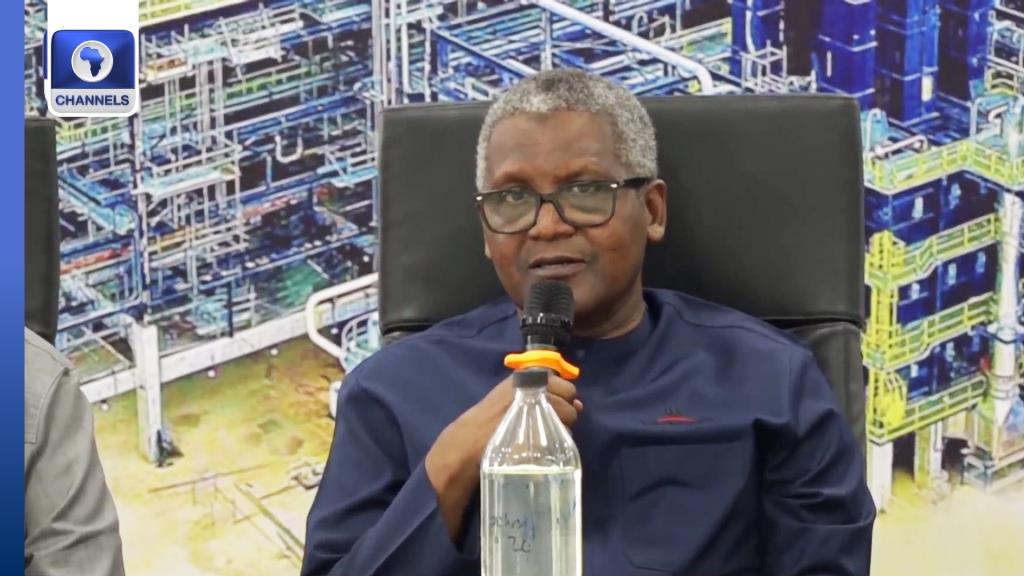
Crude oil deliveries from the Nigerian National Petroleum Company (NNPC) Limited to the Dangote Petroleum Refinery doubled in March, boosting prospects for improved fuel availability.
This was revealed by the chief executive of Dangote Industries Limited, Mr Aliko Dangote, on Tuesday, when he received the Deputy Secretary-General of the United Nations, Mrs Amina Mohammed, at the industrial complex in Ibeju-Lekki, Lagos.
While speaking on feedstock supply, Mr Dangote commended the NNPC for increasing crude deliveries to the refinery in March, noting that volumes rose to 10 cargoes—six supplied in Naira and four in Dollars—to support domestic fuel availability, according to a statement by the Refinery.
“Last month, they gave us six cargoes for Naira and four cargoes for Dollars,” he said.
Despite the improvement, Mr Dangote noted that the supply remains below the 19 cargoes required for optimal operations, with the refinery continuing to bridge the gap through imports from the United States and other African producers.
He also expressed concern over the unwillingness of international oil companies operating in Nigeria to sell to the refinery, stating that their preference for selling crude to traders forces it to repurchase at higher costs, with broader implications for the economy.
Mr Dangote added that the refinery is seeking increased access to domestically priced crude under local currency arrangements as part of efforts to moderate fuel costs and enhance long-term energy and food security across the continent.
On her part, Mrs Mohammed underscored the strategic importance of Dangote Industries Limited -particularly Dangote Fertiliser Limited—in addressing Africa’s mounting food security challenges, while calling for stronger global partnerships to scale its impact.
Mrs Mohammed said the United Nations would prioritise amplifying scalable solutions capable of mitigating the continent’s food crisis, describing Dangote’s integrated industrial model as a critical pathway.
“I think the UN’s job here is to amplify and to put visibility on the possibilities of mitigating a food security crisis, and this is one of them,” she said. “I hope that when we go back, we can continue to engage partners and countries that should collaborate with Dangote Industries.”
-
 Feature/OPED6 years ago
Davos was Different this year
-
Travel/Tourism10 years ago
Lagos Seals Western Lodge Hotel In Ikorodu
-

 Showbiz3 years ago
Estranged Lover Releases Videos of Empress Njamah Bathing
-
 Banking8 years ago
Sort Codes of GTBank Branches in Nigeria
-

 Economy3 years ago
Subsidy Removal: CNG at N130 Per Litre Cheaper Than Petrol—IPMAN
-

 Banking3 years ago
Sort Codes of UBA Branches in Nigeria
-

 Banking3 years ago
First Bank Announces Planned Downtime
-

 Sports3 years ago
Highest Paid Nigerian Footballer – How Much Do Nigerian Footballers Earn