
Economy
Why Shareholders Should Not Sell Their Forte Oil Shares

By Modupe Gbadeyanka
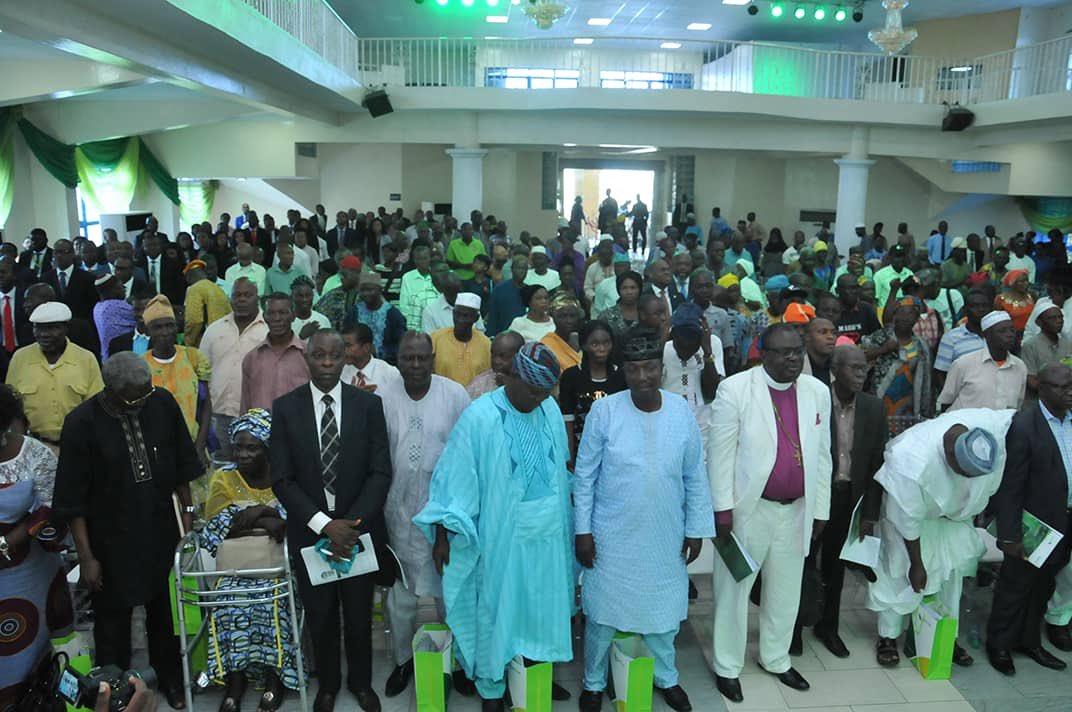
The new Managing Director and Chief Executive Officer of Forte Oil Plc, Mr Olu Adeosun, has urged shareholders of the energy firm not to offload their shares because better days staring at them.
Addressing newsmen in Lagos on Tuesday, Mr Adeosun said the new owners of the company have big plans for the company and its shareholders.
Last week, Mr Femi Otedola, completed the sale of its 75 percent stake in the company to Ignite so as to focus on his power generation ventures, Geregu Power Plc.
After the sale, he exited as its chairman alongside other board members, with new ones appointed by the new owners.
The new MD/CEO said the board and management will work to give customers of Forte Oil and its shareholders value for their money.
“Our desire for our shareholders is the same as for our customers. We don’t want anyone to go. We want our shareholders to hold on to their shares because we believe, as a long term company, there is better value in the long term and we will return dividends to them,” Mr Adeosun told journalists.
He stressed that the new team plans to consolidate the achievements of the previous management and take advantage of the combined assets at its disposal to improve stakeholders’ wealth and ensures best quality service delivery to its numerous, boasting that Forte Oil Plc will be one of the best things to have happened in this country.
“This is because of the symbiotic strength we are bringing to the sector. It is a very complementary process. The core investors have a wide experience and strength in the upstream with massive exposure to the international trading market; they have a deep trading line with their bankers. They are bulk traders and they are bringing in products.
“Forte Oil has the third largest retail outlets in Nigeria. We are not buying from intermediaries again but we are buying directly from the bulk traders where other intermediaries are buying from.
“We will enjoy the benefits of economies of scale; we will enjoy the benefits of credit and also enjoy the benefits of the diversity of assets that Prudent Energy is bringing to the party,” he said.
He argued that with Forte Oil’s terminals in Apapa, Prudent Energy’s terminal in Ogbarra, South-South Nigeria, the company now has an avenue to move and evacuate products faster to the North and to the South East.
“With the divestment by previous management, we have access to retained earnings which we have converted to working capital and it will help us to be able to do some of the things that were not possible in the past.
“We are going to focus on human capacity development and deploy staff to areas of core competence. Workers will have access to diverse opportunity within the two companies. For instance, if you are interested in shipping and you are currently in downstream, there is an opportunity for you to move across.
“We will focus on our customers by ensuring that every interaction they have with us result in a positive experience and we will ensure that we create values for the shareholders by reducing operating costs and increasing profitability,” he said.
On the challenge of downstream regulation, he stated that “We know that premium motor spirit (PMS) otherwise called petrol is regulated, but there are other products that are deregulated.
“We are a very strong presence in the distribution of aviation fuel, automated gas oil (AGO) otherwise called diesel, LPG is a growth area for us, the lubricant is also a big space for us to operate, base oils in general.”



By Adedapo Adesanya
The Nigerian Electricity Regulatory Commission (NERC) has issued a directive to ensure transparency in reporting the Regional Electricity Transmission Loss Factor, as it remains above the 7 per cent threshold.
In a public notice posted on its official X (formerly Twitter) on Monday, the order, contained in No. NERC/2026/026 is aimed at improving transparency and efficiency in Nigeria’s power grid through enhanced reporting of Regional Transmission Loss Factors (TLF).
The regulator disclosed that the order is backed by the provisions of the Electricity Act 2023, which enables the commission to regulate, monitor, and ensure efficiency in the power sector.
According to the statement, the Data from the Nigerian Independent System Operator (NISO) indicate that the national average TLF was 8.71 per cent in 2024 but was reduced to 7.24 per cent in 2025.
The statement added that the report exceeds the 7 per cent benchmark approved by NERC in the Multi-Year Tariff Order (MYTO).
The statement reads, “The Order dated 8 April 2026 establishes a formal framework for reporting transmission losses across regions operated by the Transmission Company of Nigeria (TCN).
“Taking effect from 13 April 2026, the Order is backed by provisions of the Electricity Act 2023, which empower NERC to regulate, monitor, and ensure efficiency in the electricity market.”
The directive reads, “NISO to install smart meters at all boundary regional interconnection points by December 2026 to accurately measure energy flows for each region of the transmission network.
“NISO to measure and document all energy flow of power transformers at transmission substations.
“NISO to file quarterly reports on TLF to NERC on a regional basis.”
It added, “TCN to file an action plan by July 2026 on the reduction of TLF to a value within the 7 per cent approved benchmarks in the regions.
“TCN to ensure that TLF across transmission regions shall not exceed 6.5 per cent by December 2026.”
NERC concluded that the order is designed to strengthen accountability in transmission operations and support better grid performance through structured loss reporting.
By Adedapo Adesanya
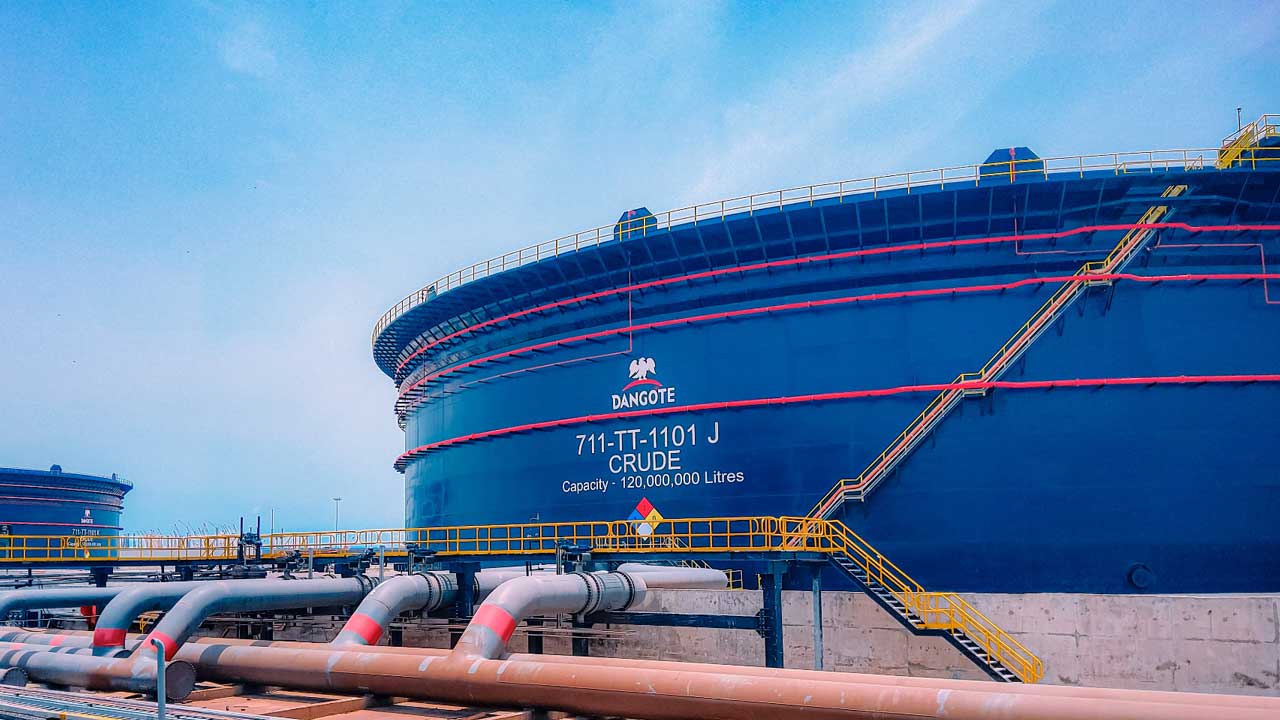
Nigerian businessman, Mr Aliko Dangote, is planning to list shares of his $20 billion oil refinery on multiple African stock exchanges.
The landmark cross-border public offering on the continent was disclosed by the chief executive of the Nairobi Securities Exchange (NSE), Mr Frank Mwiti, following a meeting held last week in Lagos between Mr Dangote and several heads of African exchanges.
Last year, Mr Dangote unveiled plans to list a 10 per cent stake in his Lagos-based refinery on the Nigerian Exchange this year.
According to a Bloomberg report, citing an email from the chief executive of FirstCap, Mr Ukandu Ukandu, Stanbic IBTC Capital Limited, Vetiva Advisory Services Limited, and FirstCap Limited have been appointed as advisers for the initial public offering of Dangote Petroleum Refinery and Petrochemicals FZE.
Mr Mwiti said the proposed listing is designed to cut across multiple markets and deepen investor participation across the continent.
“The plan is to structure a pan-African IPO,” he said.
Bloomberg also reported that a spokesman for the Dangote Group confirmed that discussions had taken place between Mr Dangote and exchange officials but declined to provide further details.
In February 2026, Mr Dangote said that the IPO could be launched within the next five months.
“But individually Nigerians too will have an opportunity in the next maximum four or five months, they will actually be able to buy their shares,” he said at the time.
He added that investors would have flexibility in how they receive returns.
“People will have a choice either to get their dividends in naira or to get their dividends in dollars because we earn in Dollars.”

By Dipo Olowookere
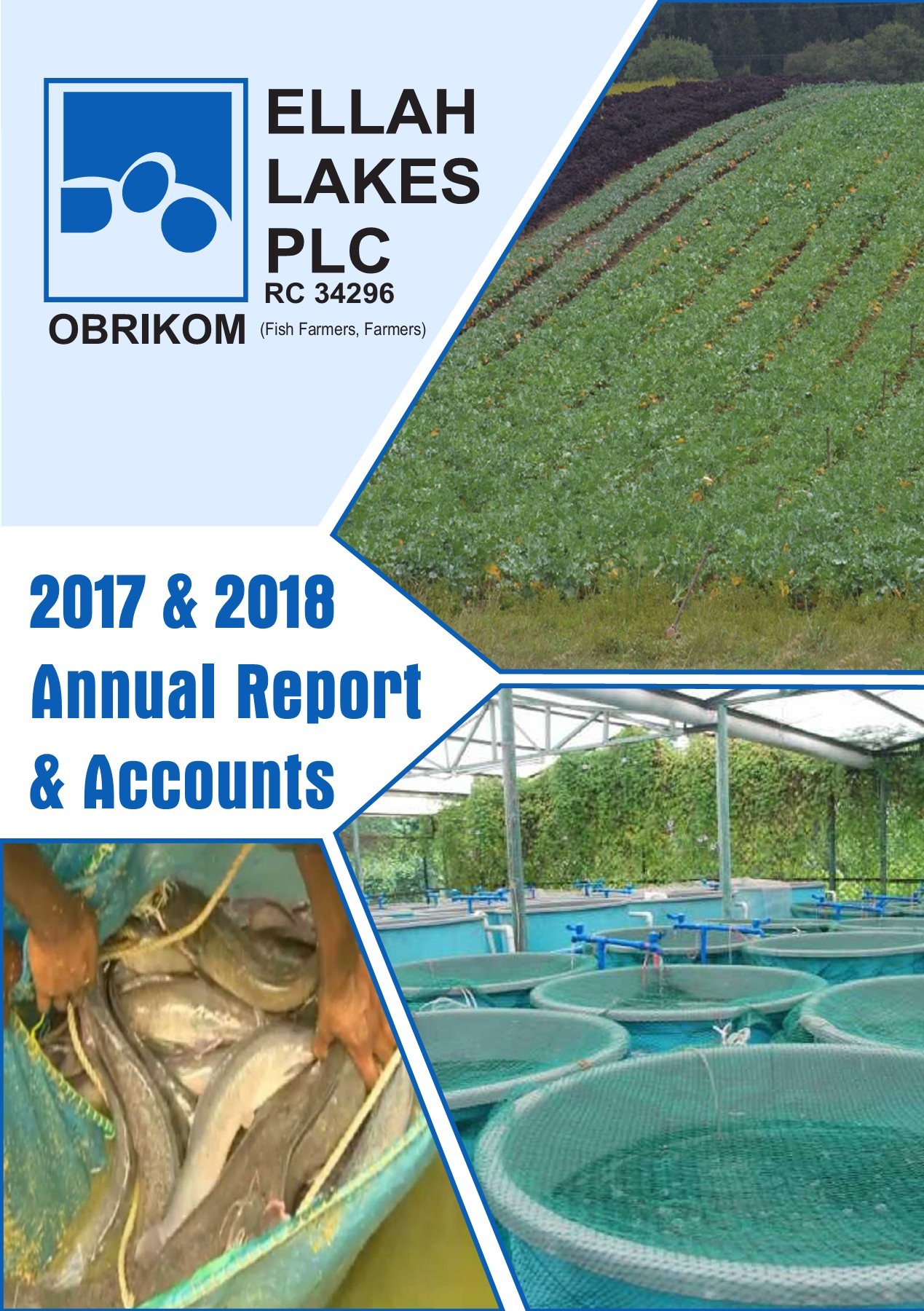
Efforts are being made to ensure the throughput of Ellah Lakes Plc is increased to deliver long-term value for shareholders, the chief executive of the organisation, Mr Chuka Mordi, has said.
Mr Mordi was reacting to the audited 17-month financial statements of the firm ended December 31, 2025, as it transitions to a December financial year-end to enhance comparability with industry peers.
This action is also to strengthen reporting discipline and align financial reporting with the agricultural operating cycle, from planting through harvest and processing, providing a more accurate reflection of the company’s operational performance.
In the period under review, Ellah Lakes recorded N146.66 million in revenue, driven by initial harvests and sales of Fresh Fruit Bunches (FFBs), with the cash flows supporting operational stability as larger assets continue to mature.
However, the company suffered an operating loss of N3.84 billion, as the earnings per share (EPS) closed with a N1 loss.
Between July 2024 and December 2025, the organisation achieved a key operational milestone, with the commissioning of its upgraded 5-tonnes-per-hour crude palm oil mill in July 2025, strengthening its ability to process output internally and capture more value across its palm oil value chain as plantation maturity improves.
Also, it planted 17,000 seedlings and maintained 47,000 seedlings in the nursery, as part of a broader planting programme, supporting Ellah Lakes’ medium-term production pipeline and providing a stronger foundation for future output as more hectares move into productive phases.
“The 17-month period marks an important transition for Ellah Lakes as we progress from asset development into early-stage commercial operations.
“During the period, we commissioned our upgraded crude palm oil mill, advanced plantation development, and commenced pig farming activities, marking the beginning of revenue generation across our core value chains.
“While our reported results reflect the cost of expansion, start-up activities and non-recurring transaction-related expenses, they also establish the operational foundation required to scale the business.
“Our focus now is on improving yields from maturing plantations, increasing processing throughput, and driving greater efficiency across our operations. We remain committed to disciplined execution and capital stewardship as we work towards translating our asset base into stronger operating performance and long-term value for shareholders,” Mr Mordi stated.
-
 Feature/OPED6 years ago
Davos was Different this year
-
Travel/Tourism10 years ago
Lagos Seals Western Lodge Hotel In Ikorodu
-

 Showbiz3 years ago
Estranged Lover Releases Videos of Empress Njamah Bathing
-
 Banking8 years ago
Sort Codes of GTBank Branches in Nigeria
-

 Economy3 years ago
Subsidy Removal: CNG at N130 Per Litre Cheaper Than Petrol—IPMAN
-

 Banking3 years ago
Sort Codes of UBA Branches in Nigeria
-

 Banking3 years ago
First Bank Announces Planned Downtime
-

 Sports3 years ago
Highest Paid Nigerian Footballer – How Much Do Nigerian Footballers Earn