
General
Dominion City Shares Food Items, Money to Widows, Others

By Modupe Gbadeyanka
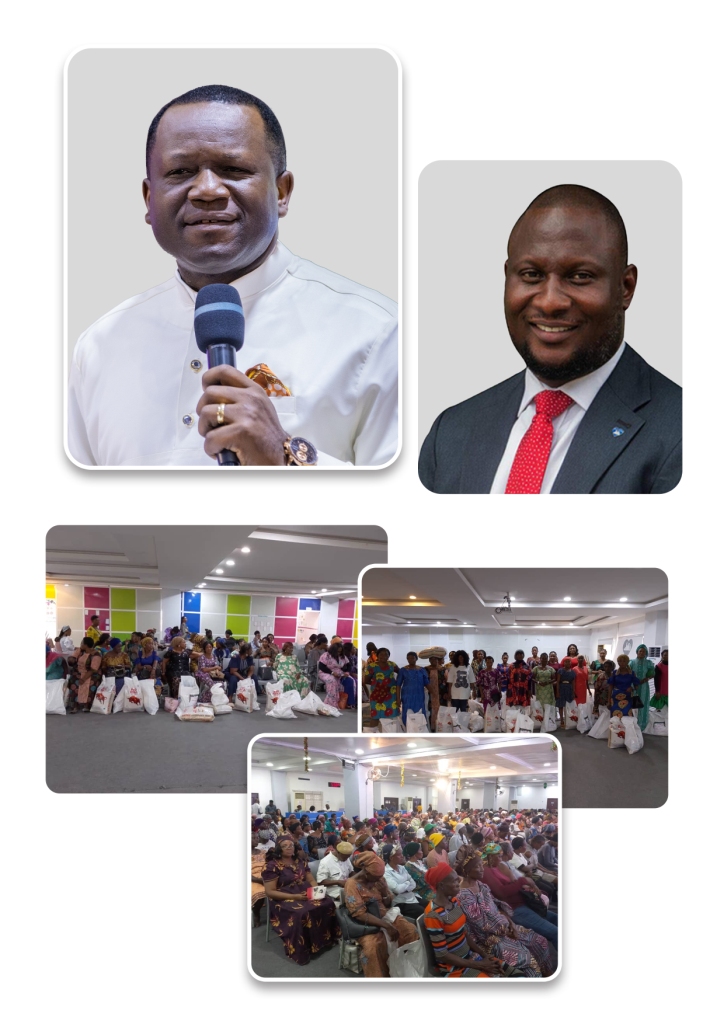
Some food items and cash worth N100,000 have been to about 500 widows and others each by a Lagos-based religious organisation, Dominion City.
The donation was made by the church during a programme themed Smile at Christmas: a Special Widows and Single Mothers’ Outreach.
Dominion City said this and other initiatives were parts of its efforts to support vulnerable individuals, uplifting communities, and fostering economic empowerment.
In November, it also empowered about 100 widows with diverse skills through one of its empowerment schemes known as Kingdomnomics, where the 10 best-performing women were provided grants of N100, 000 each to start the business they trained in.
Only recently, in December, the Christmas Outreach Program was embarked upon across the 32 satellite zones from the Lagos headquarter church with provisions of foodstuffs and clothes to over 2500 individuals on the Lekki-Epe axis in Lagos.
Every September in the past six years, the church has continued to leverage support for out-of-school children and some students through its Back-to-School Program where almost 500 children usually get education materials and a select number get scholarships.
The beneficiaries have expressed profound gratitude to the leadership of Dominion City Church for its kindness and generosity, with many describing the initiative as a divine intervention in their lives.
“There is a need to help people whom N100,000 can help them escape their current predicaments during this period of Christmas.
“Helping others to feed and survive is what the church is all about. Not living in affluence and a wasteful life while others are suffering,” the president of the church, Pastor David Ogbueli, stated.
Beyond giving out free cash, he emphasized the need for job creation that enables people to render services for wealth creation. According to him, for lots of things we are praying about, the answers are in the church.
He further encouraged some of the wealthy members to give lift to the youths by selecting about 10 individuals to mentor for one year while supporting others financially to become entrepreneurs.
Also, the resident pastor of the Lagos headquarters church, Pastor Shola Olapade, who is following in the footsteps of the president of the ministry, explained further and disclosed that the church is positioned to create leaders who will transform society.










By Adedapo Adesanya
President Bola Tinubu has been tasked to ensure that an alleged missing N2.9 billion of public funds from the Nigerian Communications Satellite Limited (NIGCOMSAT) and the Nigerian Nuclear Regulatory Authority (NNRA) is accounted for.
In a statement on Sunday, the Socio-Economic Rights and Accountability Project (SERAP) said the President must ask the Minister of Communications, Innovation and Digital Economy, Mr Bosun Tijani, to explain what happened to the money, as the two agencies are under his supervision.
The group said the Attorney General of the Federation and Minister of Justice, Mr Lateef Fagbemi (SAN), should investigate the missing funds or any other diverted funds from the agencies documented in the previous annual reports by the Auditor-General.
According to the statement, the allegations were documented in the latest annual report published by the Auditor-General on September 9, 2025.
SERAP argued that these allegations, involving critical public institutions, represent a grave violation of the public trust and a fundamental breach of Nigeria’s anti-corruption laws and international obligations.
“We’ve urged President Bola Tinubu to direct @bosuntijani, Minister of Communications, Innovation and Digital Economy, and the Management of both the Nigerian Communications Satellite Ltd (NIGCOMSAT) and the Nigerian Nuclear Regulatory Authority (NNRA) to account for and explain the whereabouts of the alleged missing or diverted N2.9 billion of public funds from NIGCOMSAT and NNRA.
“We also urged him to direct Mr Lateef Fagbemi, SAN, the Attorney General of the Federation and Minister of Justice and anti-corruption agencies to investigate the alleged missing or diverted funds, and any other diverted public funds from the two agencies documented in previous annual reports by the Auditor-General,” the organisation said.
The rights group stressed that anyone found responsible should be prosecuted where sufficient admissible evidence exists, adding that any missing or diverted public funds must be fully recovered and returned to the treasury.
“Anyone suspected to be responsible should face prosecution as appropriate, if there is sufficient admissible evidence, and any missing or diverted public funds should be fully recovered and remitted to the treasury,” the statement added.
“Accountability in NIGCOMSAT and NNRA is critical given their strategic roles in Nigeria’s digital economy and national safety systems. Mismanagement in these agencies not only wastes scarce public resources but also threatens national development, technological progress, and public safety,” it concluded.

By Dipo Olowookere
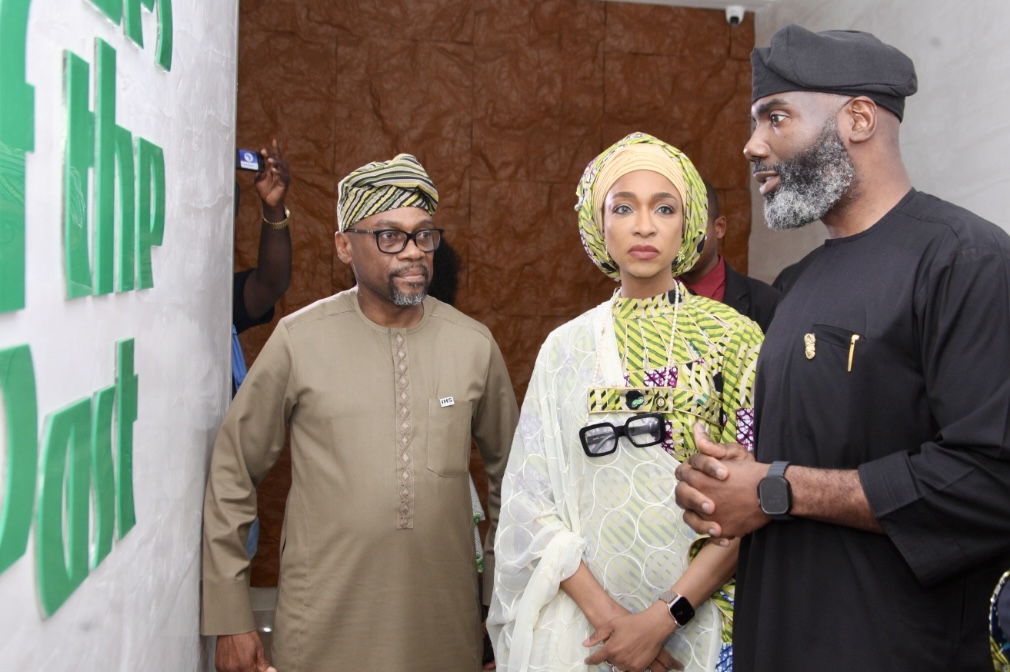
The National Museum in Lagos is wearing a new look, thanks to IHS Nigeria, a member of the IHS Holding Limited, which bankrolled the renovation of the facility.
The company, one of the largest independent owners, operators, and developers of shared communications infrastructure in the world by tower count, also ensured facilities at the museum were upgraded for the use of members of the public.
IHS Nigeria collaborated with the National Commission for Museums and Monuments to give the facility a facelift.
The overall aesthetic appeal of the museum site was improved, with an extensive restoration of the main gallery, which incorporates the installation of modern display and lighting systems, air‑conditioning units, a solar inverter system to enhance energy efficiency, and surveillance cameras to aid safety, security and operational performance across the facility.
The Minister of Art, Culture, Tourism and the Creative Economy, Ms Hannatu Musawa, at the commissioning, praised the organisation for supporting the long-term preservation of Nigeria’s cultural assets and heritage.
The Director General of the National Commission for Museums and Monuments, Mr Olugbile Holloway, also thanked IHS Nigeria for the renovation, saying the gesture goes far beyond bricks and mortar, as it is a profound commitment to preserving the soul of the nation.
“The National Museum Lagos is home to some of Nigeria’s most treasured antiquities, from the ancient terracotta of the Nok civilisation to the magnificent bronzes of the Benin Kingdom and the classical works of Ife.
“To restore this institution is to restore our collective memory. We thank HIS Nigeria for choosing to renew not just infrastructure, but the heritage, identity, and hope of our people.
“Their support ensures that generations of Nigerians yet unborn will walk through these halls and encounter the full greatness of who we are and where we come from,” Mr Holloway said.
In his remarks, the chief executive of IHS Nigeria, Mr Mohamad Darwish, said, “Having seen the rich historical and cultural heritage housed in this national museum complex, we believed it was important to go a step further after supporting the development of the digital museum, to also improve the aesthetics, security and structural integrity of the main physical complex.
“This aligns with our broader commitment to sustainable infrastructure development and the preservation of Nigeria’s history. I am proud of these renovations and that visitors, including tourists, researchers and art enthusiasts, can visit the museum to be immersed in Nigeria’s rich history in an environment that is safe, beautiful and welcoming.
“The artefacts can also now be better preserved, protected and presented in a way that celebrates the history they represent. I thank the National Commission for Museums and Monuments for this ongoing partnership, which continues to exemplify the power of a collaborative effort in driving innovation, fostering national pride, and enhancing the creative economy.”
By Adedapo Adesanya
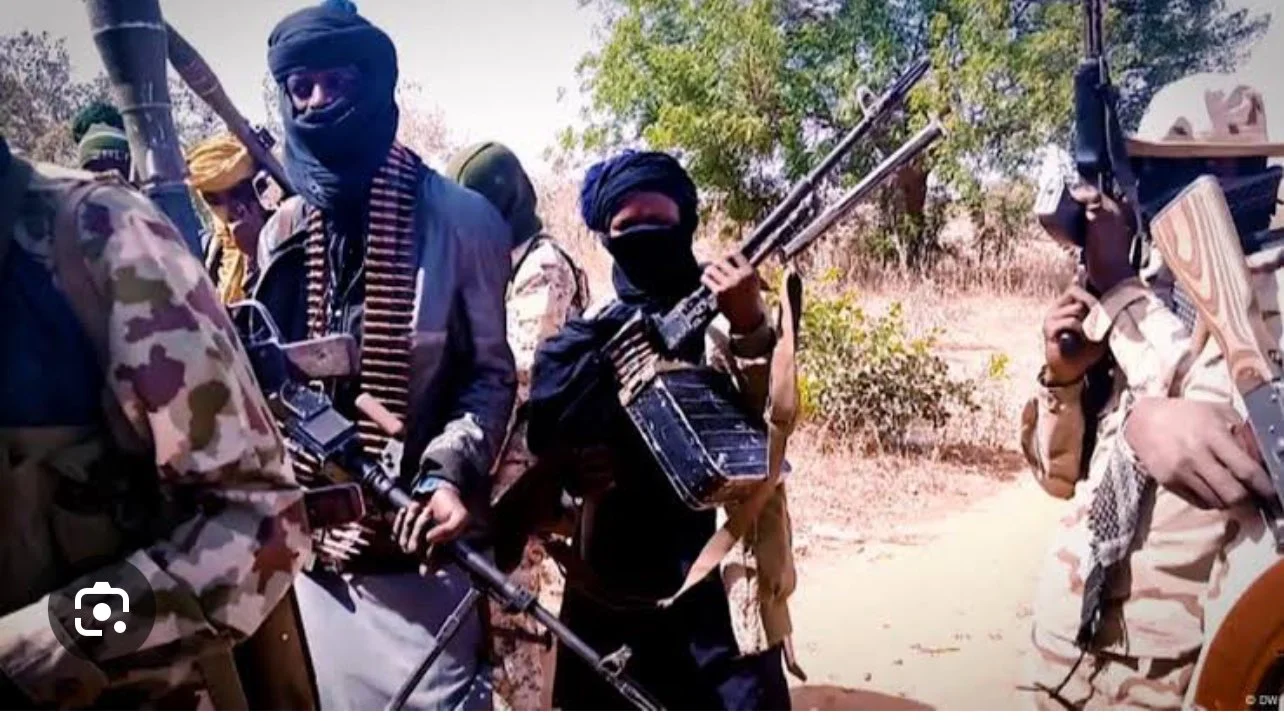
The Kebbi State Police Command says 44 people were killed following a coordinated attack on eight communities in Shanga Local Government Area of the North-Western state.
The affected villages include Gebe, Kalkami, Kawara, Kasoshi, Awaye, Tungar Rini, Binuwa, and Dabe.
In a statement issued on Friday, the Kebbi Police Command Public Relations Officer, Mr Bashir Usman, said it launched a statewide clearance operation.
Mr Usman said the operation followed the directive of the Inspector-General of Police (IGP) Olatunji Disu, aimed at preventing further banditry and violent crimes across the state.
The police stated that massive deployments of police personnel and other security agencies have been made to the affected communities, leading to the return of relative calm.
The command added that discreet investigations have commenced into the attack.
The ongoing clearance operation, according to the police, is targeting high-risk areas such as farmlands, forests, border communities, and remote settlements.
It also includes coordinated patrols, intelligence-led stop-and-search operations, and joint actions with other security agencies.
As part of the operation, the police said two AK-47 rifles were recovered along the Illo-Kamba axis, describing it as evidence of the effectiveness of intelligence-led policing.
The Commissioner of Police in the state, Mr Umar Hadejia, called on residents to remain vigilant and cooperate with security agencies by providing timely and credible information.
Mr Hadejia also urged traditional rulers, community leaders, religious bodies, and youth groups to support ongoing efforts to restore peace and strengthen security across the state.
Residents had reportedly appealed to President Bola Tinubu and Kebbi State Governor Nasir Idris to take decisive action to restore security in the area and enable displaced residents to safely return to their homes.
-
 Feature/OPED6 years ago
Davos was Different this year
-
Travel/Tourism10 years ago
Lagos Seals Western Lodge Hotel In Ikorodu
-

 Showbiz3 years ago
Estranged Lover Releases Videos of Empress Njamah Bathing
-
 Banking8 years ago
Sort Codes of GTBank Branches in Nigeria
-

 Economy3 years ago
Subsidy Removal: CNG at N130 Per Litre Cheaper Than Petrol—IPMAN
-

 Banking3 years ago
Sort Codes of UBA Branches in Nigeria
-

 Banking3 years ago
First Bank Announces Planned Downtime
-

 Sports3 years ago
Highest Paid Nigerian Footballer – How Much Do Nigerian Footballers Earn