
General
FG Vows to Give Priority to Local PR Consultants

By Dipo Olowookere
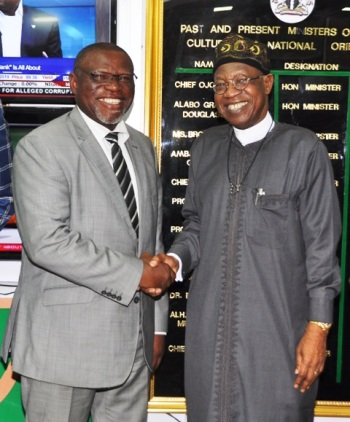
As a way of developing the capacity, skills and the expertise of indigenous public relations consultants in Nigeria, the Federal Government has promised to henceforth give them priority.
Minister of Information and Culture, Mr Lai Mohammed, made this pledge last Friday when President of Public Relations Consultants Association of Nigeria (PR-CAN), Mr John Ehiguese, paid him a courtesy visit at his office in Abuja.
Mr Mohammed noted that a policy would soon be adopted by the government to give the right of first refusal to indigenous consultants in its projects.
According to him, even when a foreign consultant is coming into the country, the company must involve indigenous consultants.
He recalled that “at the last Federal Executive Council (FEC) meeting, it was hotly debated that in all forms of consultancy we should as a matter of policy insist that no consultant should come without his own Nigerian partner. That way we believe that it will make it easier for us to develop the capacity, skills and the expertise of our home-grown consultants.”
He said when enacted, the policy will not only give impetus to job creation but it will also assist in the development of the capacity of the indigenous consultants.
“When you involve your own consultants in your projects, you are not just taking expert advice, you are also employing people who have already bought into the project and who appreciate the fact that the success of that project is the success of the country.
“We believe in skills and technology transfer but if you don’t give your people a chance, who is going to give them a chance? People argue that the Nigerian consultants don’t have the requisite experience. Even if that is the case, how will they get it if you continue every time to shun them and you prefer foreign consultants? These foreign consultants got to where they got to because they were given the opportunity from their country,” the Minister said.
He said once the policy is active, government ministries and agencies will begin to involve consultants like PR-CAN in their programmes.
Mr Mohammed said even in the development of the “Change Begins With Me” Campaign, indigenous consultants also made their contributions to the project and he expressed the willingness to continue to engage them in the national re-orientation campaign.
In his remarks, the President of PR-CAN, Mr John Ehiguese, sought to make available the skills and expertise of the association to support the government’s policy communication programmes.
“Honourable Minister, the overriding reason for our seeking this audience with you today is to share some of our thoughts and ideas with you on how we, as professionals in the area of strategic communications can, with your assistance, contribute our quota to supporting the numerous policy communication programmes and campaigns which you superintend by virtue of your office,” he said.
He expressed the optimism that the numerous challenges confronting the government can be effectively tackled through effective and proper communication.
Mr Ehiguese expressed the association’s appreciation to the Minister for “the great job you are doing in trying to bring about genuine change in our country, as well as to market the government’s policies and programmes.”
He also extended an invitation to the Minister to serve as Guest Speaker in the 2017 PR-CAN Gold Medal Lecture coming up in Abuja, an invitation which the Minister has accepted.



By Adedapo Adesanya
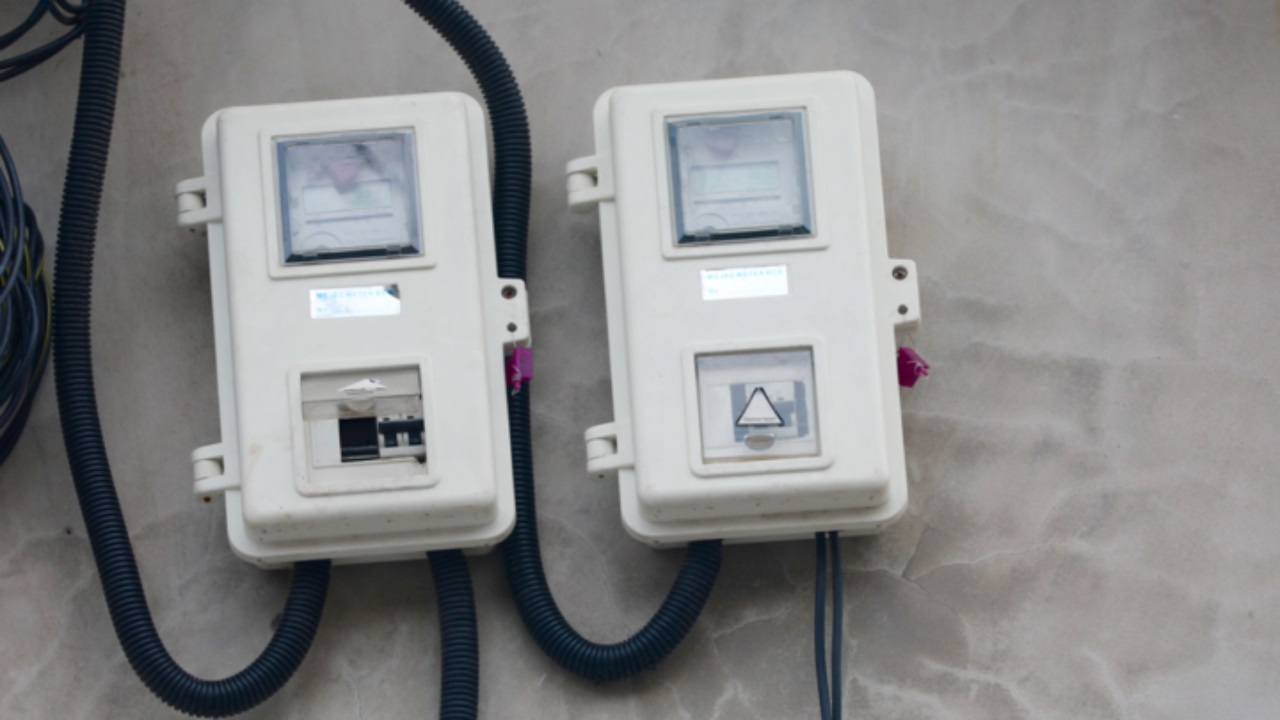
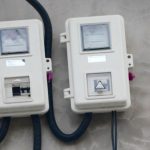
The Nigerian Electricity Regulatory Commission (NERC) has called for enhanced stakeholder coordination to rapidly expand electricity meter installations and narrow Nigeria’s persistent metering gap.
This push emerged from the NESI Metering Stakeholders’ Meeting held in Lagos on March 27, 2026, where regulators, industry players, and international partners converged to tackle rollout bottlenecks.
According to a post on NERC’s X handle, key attendees included representatives from the World Bank, Meristem, Nigerian Communications Commission (NCC), NEMSA, Distribution Companies (DisCos), and Meter Asset Providers (MAPs).
NERC highlighted a strategic pivot from merely financing metering initiatives to fostering seamless collaboration.
With four separate metering programmes currently underway, the commission stressed the urgency of aligning efforts to avoid duplication and accelerate deployment.
“Greater synergy among DisCos, meter providers, and other stakeholders is essential to ramp up installations,” a NERC spokesperson noted. This coordinated approach aims to deliver accurate billing, eradicate estimated charges that frustrate consumers, and boost overall market efficiency.
The meeting also underscored the need for a unified communication strategy to heighten public awareness and encourage consumer uptake, as part of NERC’s broader drive for transparency in Nigeria’s electricity sector.
Nigeria currently operates four parallel metering programmes aimed at closing the country’s metering gap and improving efficiency across the power sector. These include the World Bank–funded Nigeria Distribution Sector Recovery Programme (DISREP), which targets about 3.2 million end-user meters, and the Federation-funded initiative designed to deliver roughly 3.8 million meters alongside about 130,000 distribution transformer (DT) meters.
Also in operation are the DisCo-funded Meter Acquisition Fund (MAF), which provides around 125,000 meters to fill coverage gaps, and the Advanced Metering Infrastructure (AMI), a technology-driven framework focused on smart metering, improved billing accuracy, and enhanced grid management. The Nigerian Electricity Regulatory Commission (NERC) is now working to harmonise these initiatives to prevent duplication and accelerate metering deployment nationwide.

By Aduragbemi Omiyale
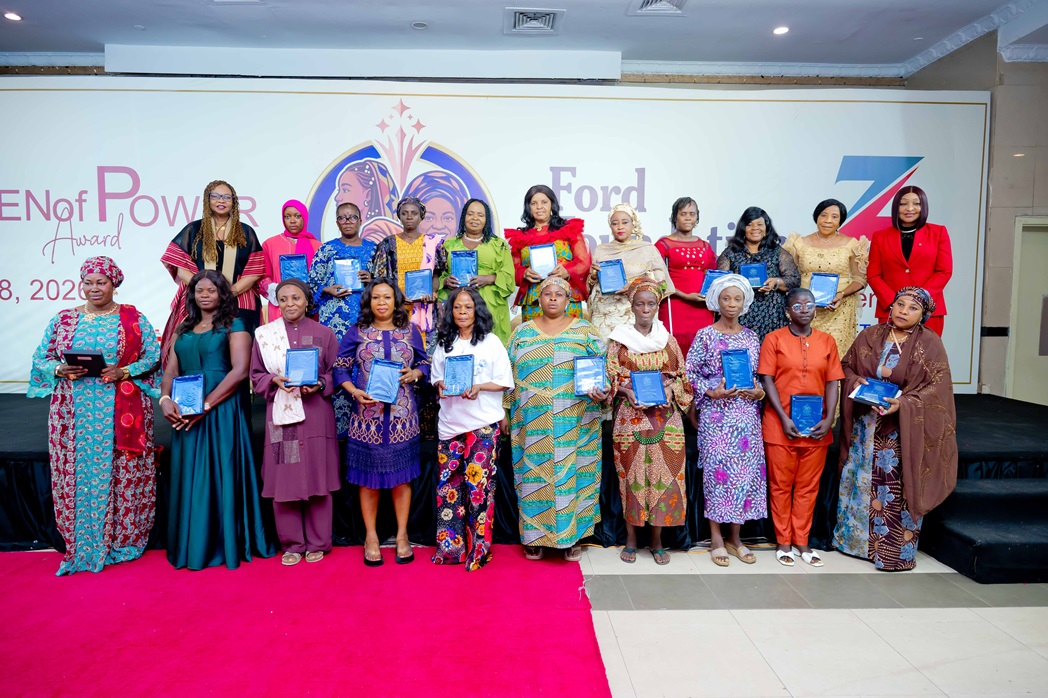
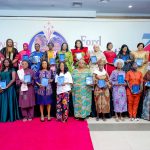
It was a day of recognition for some unsung Sheroes at the maiden Woman of Power Award organised by Zenith Bank Plc and the Ford Foundation.
The glamorous event took place at the Civic Centre, Lagos, on Saturday, March 28, 2026, with the theme Celebrating Resilience, Leadership, and Generosity.
About 19 women selected from the six geo-political zones in trade, petty manufacturing, education, and agriculture were recognised at the ceremony, which had several personalities in attendance.
Business Post reports that the programme was part of activities to commemorate March as women’s month.
The chief executive of Zenith Bank, Ms Adaora Umeoji, in her speech, praised the awardees and reaffirmed the bank’s strong commitment to women’s empowerment.
“Zenith Bank’s commitment to gender inclusion is not a rhetoric but one of the ethos that the bank holds very dearly,” the banker, represented by one of the bank’s executive directors, Ms Adobi Nwapa, said.
“Zenith Bank has a 50-50 gender ratio with women occupying strategic positions in the bank’s management and board, up to the current Group Managing Director being the very first female to hold that position,” she added.
On her part, the Regional Director of the Ford Foundation, Ms Chichi Aniagolu, described the Woman of Power Award as an eye-opener, noting that her team’s journey across the country revealed the vast and often overlooked facets of human potential among Nigerian women.
Among those honoured were:
- Mrs Regina Amankulor, a retired nurse empowering young people in Umuode-Nsulu community, Isiala Ngwa North LGA, Abia State;
- Mary Matanmi, Coordinator of the Nigeria Association of Hairdressers, Barbers and Cosmetologists, Lagos State chapter;
- Ifeanyi P. Ugwueze, a Guidance Counsellor and Life Coach who continues to thrive despite blindness and is currently pursuing a doctorate degree.
Others include:
- Amina Musa, a trade educator based in Karonmajiji, AMAC, Abuja;
- Adenike A. Lambo, the Iyaloja of Ilorin;
- Sadiya Abubakar, an educator in Jibi (Deidei), Bwari Area Council, FCT;
- Erikan Idem Andrew, a market woman with significant community impact in Port Harcourt;
- Ngozi B. Nwankpa, an Aba-based fashion designer;
- Hadiza Umar, a Development Specialist based in Kaduna, Kaduna State;
- Joy C. Ezenwa (aka Mama Amala), a trader at Sabon Gari Market, Kano;
- Shola Esther Babalola (Mama Sho), promoter of natural honey and founder of the Mama Sho Honey brand in Lagos;
- Josephine Ugwu, a staff member of the Federal Airports Authority of Nigeria (FAAN), was honoured for her honesty in recovering and returning millions of naira mistakenly dropped by passengers at Murtala Muhammed Airport, Lagos.
By Adedapo Adesanya
The Christian Association of Nigeria (CAN) has called for action over the recent attack in Plateau State, asking authorities to address and prosecute those behind the killing.
In a statement, CAN President, Mr Daniel Okoh, described the attack as “not just tragic” but also “unacceptable”.
“Nigerians are tired of mourning. Nigerians are tired of statements. Nigerians want to see action,” the cleric said in a statement issued late Monday.
“Those responsible for this atrocity must be found, arrested, and made to face justice; swiftly and decisively. Anything less will only deepen the sense that life in our country is no longer protected.”
The attack on Sunday in Angwan Rukuba, in Jos North Local Government Area, left 28 people dead and several others wounded.
Expectedly, the incident has sparked outrage among Nigerians and protests by angry residents of the area.
CAN called for a thorough investigation into the attack and called for proactive action before these attacks take place.
“Our security institutions must not only respond; they must stay ahead of these threats,” the Christian body said while acknowledging efforts by the Plateau State Government.
“But let it be said clearly: temporary measures are not enough. The people of Plateau, and indeed all Nigerians, deserve lasting security, not periodic reassurance,” Mr Okoh said.
CAN told Nigerians to be vigilant and calm, but maintained that the nation owes the dead justice.
“We owe the living protection. And we owe our future a country where no community wakes up to gunfire on a sacred day.”
Meanwhile, the Plateau State Governor, Mr Caleb Mutfwang, visited the affected area under heavy security and also those wounded on Monday, even as the state government imposed curfew on the affected place.
“This unfortunate event led to the loss of 28 innocent lives and left many others injured. I feel deeply the weight of the pain inflicted on our people,” the governor said in a state-wide broadcast.
He also vowed that Plateau State won’t succumb to fear or intimidation.
“We shall emerge stronger, united, and resolute in our faith and commitment to peace,” the governor assured.
“We must deploy every available resource to defend our people, protect lives and property, and safeguard the territorial integrity of our state. Plateau shall remain strong and peaceful.”





-
 Feature/OPED6 years ago
Davos was Different this year
-
Travel/Tourism10 years ago
Lagos Seals Western Lodge Hotel In Ikorodu
-

 Showbiz3 years ago
Estranged Lover Releases Videos of Empress Njamah Bathing
-
 Banking8 years ago
Sort Codes of GTBank Branches in Nigeria
-

 Economy3 years ago
Subsidy Removal: CNG at N130 Per Litre Cheaper Than Petrol—IPMAN
-

 Banking3 years ago
Sort Codes of UBA Branches in Nigeria
-

 Banking3 years ago
First Bank Announces Planned Downtime
-

 Sports3 years ago
Highest Paid Nigerian Footballer – How Much Do Nigerian Footballers Earn