
Health
Modern Veterinary Clinics For Advanced Pet Care


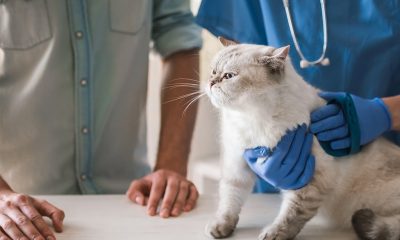
As companion animals live longer and owners expect more from routine care, modern veterinary clinics have evolved into centers offering advanced diagnostics, specialty surgery, and integrative therapies. For busy professionals juggling work, travel, and online business demands, knowing which clinic delivers comprehensive care is essential. Frisco vet services illustrate how these modern practices combine cutting-edge technology, multidisciplinary expertise, and client-focused workflows. This article outlines the infrastructure, service offerings, and decision criteria that indicate a clinic capable of providing contemporary, evidence-based care while keeping visits efficient and stress-free for both pets and owners.
What Defines A Modern Veterinary Clinic
A modern veterinary clinic is defined less by a single piece of equipment and more by an integrated approach that combines up‑to‑date technology, specialized staff, and clinic design that prioritizes safety and comfort. These clinics treat animals with complex conditions, run efficient workflows, and communicate transparently with owners.
Key Infrastructure And Technology Investments
Contemporary clinics invest strategically in diagnostic and treatment modalities that materially change outcomes: digital radiography for rapid imaging, in‑house laboratories for same‑day blood work, ultrasound for real‑time organ assessment, and advanced surgical suites with anesthesia monitoring. Investment also includes infection‑control systems, reliable HVAC, and sterilization equipment. These capital decisions reduce turnaround time for diagnoses and support complex procedures that previously required referral.
Staffing, Specialization, And Continuing Education
Staffing reflects clinical ambition: veterinarians with specialty training (DACVS, DACVIM, DACVECC), certified veterinary technicians, and support staff trained in low‑stress handling. Modern clinics often host visiting specialists or maintain referral relationships with tertiary centers. Importantly, clinics that prioritize continuing education schedule regular training, subscribe to current literature, and engage in case reviews, actions that keep protocols current and improve outcomes.
Clinic Design For Safety, Flow, And Comfort
Design matters. Logical patient flow minimizes cross‑contamination and stress: separate entrances for healthy and sick patients, dedicated isolation wards, and distinct surgical zones. Comfortable client areas, clear signage, and private consultation rooms improve communication and compliance. For pets, non‑slip surfaces, quiet recovery areas, and pheromone‑friendly environments reduce anxiety, which in turn improves diagnostic accuracy and post‑procedure recovery.
Advanced Diagnostic Capabilities
Diagnostics are the backbone of modern pet care. Faster, more precise tests enable tailored treatment plans and earlier interventions.
Advanced Imaging: Digital X‑Ray, Ultrasound, CT, And MRI
Digital X‑ray provides high‑resolution images with immediate availability and easier sharing for remote consults. Ultrasound is indispensable for soft‑tissue evaluation and guided biopsies. CT and MRI, once exclusive to academic centers, are now present in many referral clinics, allowing detailed assessment of complex fractures, thoracic disease, neurologic conditions, and staging of cancer. Image quality and interpretation, often augmented by teleradiology, lead to more confident surgical planning and prognostication.
Laboratory, Point‑Of‑Care Testing, And Genomic Diagnostics
In‑house labs produce same‑day CBCs, chemistry panels, and cytology, accelerating decision‑making. Point‑of‑care tests for infectious agents, endocrine disorders, and clotting function add convenience without sacrificing reliability. Genomic diagnostics, from breed‑specific risk panels to tumor genomics, are increasingly accessible, enabling targeted therapies and risk stratification for hereditary conditions.
How Diagnostics Inform Preventive Care And Personalized Medicine
Diagnostics underpin preventive medicine: heartworm antigen tests, thyroid screening, and wellness blood panels reveal problems before clinical signs appear. Personalized medicine emerges when diagnostics inform individualized vaccination schedules, dietary plans, or monitoring frequency. The result: care that reduces emergency visits and improves long‑term quality of life.
State‑Of‑The‑Art Surgical And Interventional Services
Surgery in modern clinics spans routine spays and neuters to complex orthopedic reconstructions and image‑guided interventions.
Minimally Invasive, Laser, And Image‑Guided Procedures
Minimally invasive techniques, arthroscopy, laparoscopy, and endoscopy, reduce pain, shorten hospital stays, and speed return to function. Laser surgery provides precision and reduced bleeding for soft‑tissue procedures. Image‑guided interventions, such as CT‑guided biopsies or fluoroscopy for foreign body retrieval, allow targeted treatments that were once riskier or impossible.
Anesthesia, Pain Management, And Perioperative Safety
Anesthesia protocols are more nuanced today: individualized drug selection, multimodal analgesia, regional blocks, and continuous monitoring (ECG, capnography, pulse oximetry) improve safety. Preoperative assessment, including risk stratification and optimization of comorbidities, reduces complications. Recovery protocols emphasize early mobilization and aggressive pain control to prevent chronic pain syndromes.
Postoperative Rehabilitation And Recovery Protocols
Rehabilitation is an expected component of surgical care. Physical therapy, hydrotherapy, and tailored exercise plans reduce muscle atrophy and improve joint function. Clinics often provide home‑care instructions and scheduled reassessments to track progress and adjust protocols. These programs turn good surgical outcomes into durable functional gains.
Petfolk Veterinary & Urgent Care – Frisco
Advanced Therapeutics And Specialty Treatments
Beyond diagnostics and surgery, modern clinics deliver advanced therapeutics that extend and improve life quality.
Regenerative Medicine: Stem Cells And PRP
Regenerative modalities like mesenchymal stem cell therapy and platelet‑rich plasma (PRP) injections aim to stimulate healing in tendon, ligament, and osteoarthritic conditions. While still an evolving field, controlled studies and clinical experience show promising functional improvements for select patients. Clinics offering these therapies combine careful case selection with measurable outcome tracking.
Oncology, Neurology, Cardiology, And Other Specialties
Specialty services allow complex, multidisciplinary care. Veterinary oncologists provide staging, chemotherapy, and radiation planning: neurologists manage seizure disorders and spinal disease: cardiologists use echocardiography and interventional procedures for congenital heart defects. Integration with imaging and lab diagnostics enables cohesive care pathways that mirror human tertiary centers.
Integrative Therapies: Physical Rehab, Acupuncture, And Nutrition
Integrative care recognizes the value of adjunctive treatments. Acupuncture and targeted nutrition plans complement medical therapy for chronic pain and mobility issues. Nutritional counseling, including therapeutic diets for renal, cardiac, or dermatologic disease, is standard in clinics focused on long‑term outcomes.
Improving Pet And Client Experience With Technology
Technology enhances both clinical care and client experience, especially for owners who need efficient, transparent services.
Telemedicine, Remote Monitoring, And Virtual Follow‑Ups
Telemedicine extends access for triage, follow‑ups, and behavioral consultations. Remote monitoring devices, activity trackers, continuous glucose monitors, and wearable ECGs, provide objective data between visits. Virtual follow‑ups reduce travel burdens and let clinicians adjust care in real time, improving adherence and satisfaction.
Electronic Medical Records, Client Portals, And Scheduling Tools
Electronic medical records (EMRs) streamline documentation and support coordinated care. Client portals give owners access to vaccination histories, lab results, and discharge instructions. Integrated scheduling and automated reminders decrease no‑shows and improve preventive care compliance, a benefit both to clinics and busy clients.
Pain Management, Behavior‑Based Care, And Low‑Stress Handling
Client experience is inseparable from pet comfort. Modern clinics train staff in low‑stress handling techniques and behavior‑based protocols that reduce fear and aggression. Transparent pain‑management plans, clear cost estimates, and follow‑up communications foster trust and better outcomes.
How To Choose The Right Modern Clinic For Your Pet
Choosing a clinic requires practical criteria and an understanding of trade‑offs between convenience, specialization, and cost.
Questions To Ask: Credentials, Equipment, And Outcomes
Prospective clients should ask about specialist credentials, the availability of imaging and lab services, and the clinic’s approach to anesthesia and pain control. Request examples of similar cases and expected outcomes. A clinic that welcomes such questions is often more transparent and results‑oriented.
Cost, Insurance, And Referral Pathways
Advanced care carries higher costs. Discuss fee structures, payment options, and whether the clinic works with pet insurance. Understand referral pathways: does the clinic refer to or host board‑certified specialists? Clear referral and co‑management policies indicate maturity and a networked approach to care.
Evaluating Reviews, Accreditation, And Collaboration With Primary Vets
Look for consistent reviews that mention communication, follow‑up, and outcomes rather than isolated flashy cases. Accreditation (AAHA in the U.S.) or affiliation with universities can signal adherence to higher standards. Finally, the best specialty clinics collaborate with primary care veterinarians, ensuring continuity rather than competition.
Conclusion
Modern veterinary clinics for advanced pet care combine technology, specialization, and thoughtful design to deliver better diagnostic accuracy, safer surgeries, and more personalized therapies. Pet owners benefit when clinics pair capabilities with clear communication, transparent costs, and collaborative care models. For professionals, including small business owners and busy entrepreneurs who value efficient, outcome‑driven services, selecting a clinic that integrates advanced diagnostics, robust perioperative care, and client‑centric technology yields the best chance for sustained pet health. As veterinary medicine continues to mirror human healthcare in capability and complexity, informed choices and trusted partnerships between owners and clinics will determine the real value of those advances.





By Adedapo Adesanya
The Nigerian Association of Resident Doctors (NARD) has suspended its planned nationwide indefinite strike, granting the federal government a two-week ultimatum to address lingering welfare issues affecting resident doctors across the country.
The decision was taken after an emergency meeting of the association’s National Executive Council on Tuesday, where members reviewed assurances from government representatives and resolved to give dialogue another chance.
NARD said the suspension was informed by “progress made” in negotiations, particularly commitments on the prompt payment of salary arrears, hazard allowances, and steps toward resolving issues surrounding the Medical Residency Training Fund.
The association did not declare a full resolution of the dispute. It noted that the government had shown “renewed willingness” to address the concerns that triggered the strike threat.
The association noted that while these engagements signalled a willingness by the government to resolve the dispute, several critical issues remain outstanding, particularly the delayed payment of promotion arrears, salary arrears, the 2026 Medical Residency Training Fund (MRTF), and the backlog of 19 months’ professional allowance arrears owed to resident doctors.
It also expressed concern over the Federal Government’s decision to halt the implementation of the reviewed PAT, which had earlier triggered widespread dissatisfaction among its members and raised fears of disruption to healthcare services nationwide.
Despite these unresolved issues, NARD said it opted to suspend the strike as a demonstration of goodwill and commitment to ongoing dialogue, while giving the government a two-week window to take concrete, measurable and verifiable steps to meet its demands.
The association insisted on the immediate reversal of the decision affecting the PAT, payment of all outstanding arrears, prompt disbursement of the MRTF, and full settlement of the accumulated professional allowance backlog.
It warned that it would reconvene at the expiration of the ultimatum to assess the level of compliance and determine its next course of action, adding that failure by the government to meet its demands within the stipulated timeframe would result in the resumption of the suspended strike without further notice.
NARD also called on its members nationwide to remain calm, united and resolute, while urging the Federal Government to act swiftly to prevent a potential crisis in the health sector.
The association further appreciated the interventions of the Vice President and other stakeholders, expressing hope that their involvement would lead to the timely resolution of the dispute and help sustain healthcare delivery across the country.


By Modupe Gbadeyanka
To expand affordable healthcare in Kenya, Swedfund has invested about $600,000 into Jacaranda Health Limited (Jacaranda Maternity) to support innovations in neonatal intensive care and strengthen Jacaranda’s ability to provide life-saving services to underserved populations.
Jacaranda Maternity provides high-quality maternal health care at more affordable pricing than typical private providers, focusing on women in Nairobi’s low- and middle-income communities.
The new funding will support the opening of new hospitals, upgrading of neonatal care, and improvements to existing facilities.
Maternal and newborn health outcomes in Kenya remain a challenge, with maternal mortality still high despite improvements in skilled birth attendance.
Public health facilities play a central role but face capacity constraints, while access to reliable, quality care varies across regions and income groups.
Private healthcare providers offering essential maternity services at accessible price points can complement public provision.
Jacaranda Maternity aims to expand its network to six hospitals to achieve financial sustainability while scaling its impact. The healthcare provider is a recognised leader in promoting women’s health, with 71 percent of its staff being women, and a track record of effective environmental and social management.
“This investment will help Jacaranda Maternity provide life-saving care to more women and families while furthering Swedfund’s mission to promote inclusive and sustainable healthcare,” a Senior Investment Manager at Swedfund, Audrey Obara, said.
By Adedapo Adesanya
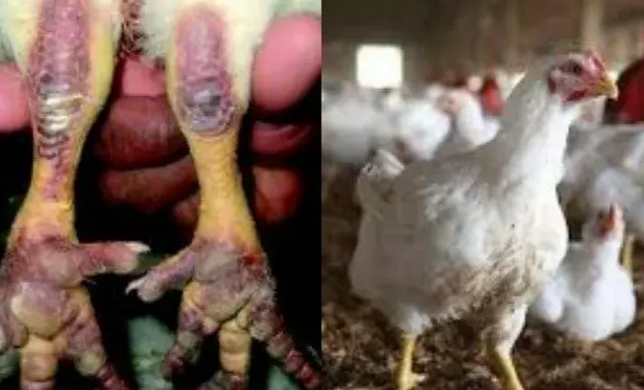
Nigeria will get a $350,000 intervention from the Food and Agriculture Organisation of the United Nations (FAO) to support its response to the ongoing outbreak of Highly Pathogenic Avian Influenza (bird flu) and strengthen the country’s animal health systems.
An agreement was reached on Wednesday during a strategic meeting between the Minister of Livestock Development, Mr Idi Mukhtar Maiha, and the FAO Representative to Nigeria and the Economic Community of West African States, Mr Hussein Gadain, in Abuja.
The intervention, approved under FAO’s Technical Cooperation Programme, will support disease containment efforts in 11 affected states and enhance surveillance, coordination and response mechanisms to prevent further spread of the disease.
Speaking during the meeting, Maiha said effective disease control remains critical to improving livestock productivity and protecting the livelihoods of farmers across the country.
He explained that factors such as drought, scarcity of feed, interaction between livestock and wildlife, as well as cross-border movement of animals have contributed to the spread of diseases in some areas.
“We must continue to strengthen our animal health systems and build the capacity required to respond effectively to disease outbreaks. Our collaboration with FAO will help protect livestock assets, improve productivity and support the broader transformation of the sector,” the minister said.
Mr Gadain commended the federal government’s commitment to the development of the livestock sector and assured that FAO would continue to provide technical support to Nigeria.
He stressed the need to strengthen veterinary services at the state and community levels, improve early detection of diseases and promote biosecurity practices among livestock farmers.
The meeting also reviewed progress on the global campaign to eradicate Peste des Petits Ruminants, a highly contagious disease that affects sheep and goats.
To advance the initiative, the ministry plans to convene a national technical meeting involving veterinary institutions, researchers and practitioners to review Nigeria’s eradication strategy and address gaps in vaccine supply.
As part of preparations, the ministry will engage the National Veterinary Research Institute to assess its vaccine production capacity while exploring other options for vaccine procurement to meet national demand.
Both parties also agreed to accelerate Nigeria’s access to financing under the Pandemic Fund through the One Health approach in collaboration with the Nigeria Centre for Disease Control and the Federal Ministry of Health to strengthen preparedness and response to zoonotic diseases.
Plans are also underway for the Director-General of FAO to participate in the Antimicrobial Resistance Conference scheduled for June 2026 in Abuja, where President Bola Tinubu is expected to be recognised as the African Champion for the eradication of Peste des Petits Ruminants.
The meeting further agreed to inaugurate a Livestock Donor Working Group to coordinate development partner support and advance key initiatives, including the development of a national feed and fodder strategy aimed at improving productivity and sustainability in the livestock sector.
-
 Feature/OPED6 years ago
Davos was Different this year
-
Travel/Tourism10 years ago
Lagos Seals Western Lodge Hotel In Ikorodu
-

 Showbiz3 years ago
Estranged Lover Releases Videos of Empress Njamah Bathing
-
 Banking8 years ago
Sort Codes of GTBank Branches in Nigeria
-

 Economy3 years ago
Subsidy Removal: CNG at N130 Per Litre Cheaper Than Petrol—IPMAN
-

 Banking3 years ago
Sort Codes of UBA Branches in Nigeria
-

 Banking3 years ago
First Bank Announces Planned Downtime
-

 Sports3 years ago
Highest Paid Nigerian Footballer – How Much Do Nigerian Footballers Earn