
Health
Russia’s COVID-19 Vaccine Diplomacy in Africa

By Kester Kenn Klomegah
Last December, the Russian Ministry of Foreign Affairs posted to the official website for the public reading its end-of-year report. The report offered the most significant activities and achievements, among them was the striking theme on Covid-19.
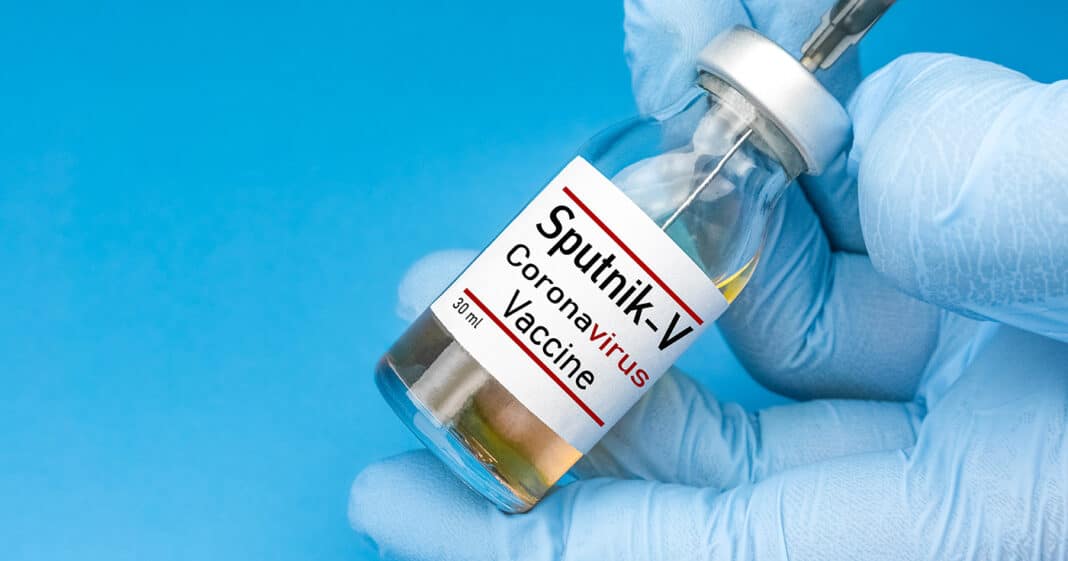
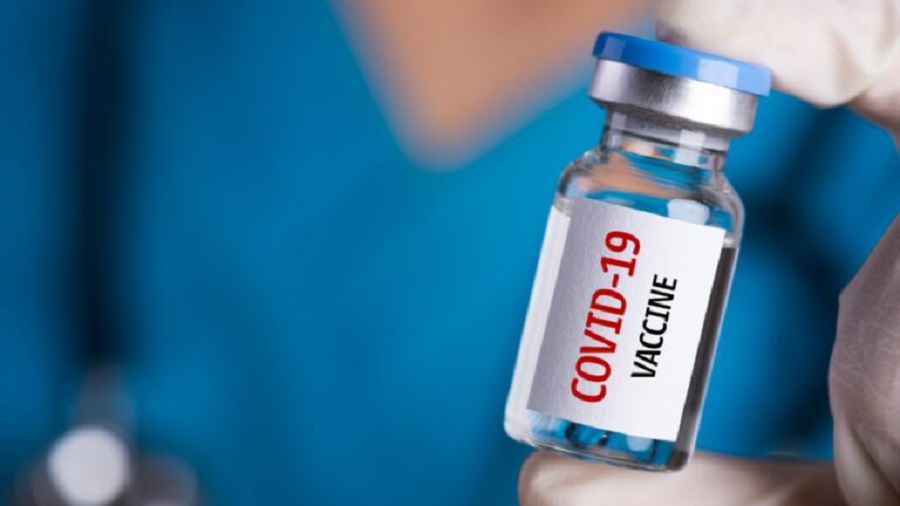
The report says in part: “Russia has contributed to the fight against the Covid-19 pandemic and to overcome its consequences. Registration of the Sputnik V vaccine was ensured in 71 countries, significant volumes of domestic vaccines were supplied abroad, and agreements were reached on the localization and expansion of the production of Russian drugs in various regions of the world.”
The unexpected outbreak of the coronavirus in December 2019 made many governments, organizations and health institutions still struggling for scientific solutions to the epidemiological situations express solidarity and call for closer bilateral cooperation in the sphere of health.
Some countries showed practical concern by making quick deliveries of medications and diagnostic materials, immune-biological preparations and medical equipment. Besides that, scientists were on their toes looking for appropriate COVID-19 vaccines.
In the process, Russia was the first to reach the goalpost. In less than a year, precisely on August 11, 2020, Russia became the first country to register a coronavirus vaccine named Sputnik V, developed by the Gamaleya Scientific Research Institute of Epidemiology and Microbiology.
Russian Foreign Ministry report last December says Sputnik V was registered in 71 countries. While it is yet to get final approval from World Health Organization (WHO), it is currently registered under the emergency use authorization procedure, according to the statement from the RDIF website. The RDIF is Russia’s sovereign wealth fund established in 2011 to make equity co-investments, primarily in Russia, alongside reputable international financial and strategic investors. RDIF acts as a catalyst for direct investment in the Russian economy.
President Vladimir Putin has oftentimes praised the entire healthcare system, and particularly the hard-working team of scientists and specialists from different institutions for their efforts at research and creating a series of vaccines for use against the coronavirus both at home and abroad.
As the Foreign Ministry, the end-of-year report indicated, a quarter of the figure cited of foreign countries that registered Russian vaccine are in Africa. Algeria was the first African country to register the Russian vaccine. Ministry of Pharmaceutical Industry of Algeria registered Sputnik V on 10 January 2021 as follows from a post on their official Twitter account. Reportedly, the vaccine registered in the following African countries: Algeria, Angola, Cameroon, Djibouti, Ethiopia, Egypt, Gabon, Ghana, Guinea, Kenya, Mauritius, Morocco, Nigeria, Namibia, Seychelles, South Africa, Tunisia, the Republic of Congo (DRC) and Zimbabwe.
Experts say that such a step is necessary for Russia to reassert its geopolitical influence and already engage in keen competition with other foreign players on the continent. However, a majority of African countries, where Sputnik V was registered, could not get supplies to purchase as promised.
Admittedly, Russia faces vaccine production challenges to meet the increasing market demand and to make prompt delivery on its pledges to external countries. As vaccine production and distribution intensifies, rivalry and competition strengthen and the fight for market share and its associated disinformation abound worldwide.
An official media release in mid-February 2021 said that the Africa Vaccine Acquisition Task Team – set up by the African Union (AU) to acquire additional vaccine doses so that Africa can attain a target immunization of 60% – received an offer of 300 million Sputnik V vaccines from the Russian Federation. It was further described as a special offer from Russia.
As explained by John Nkengasong, Director of the Africa Centers for Disease Control and Prevention (Africa CDC): “Africa has to team up with development partners to achieve its 60% continent-wide vaccination in the next two years. I think that is why we should as a collective of the continent, and of course, in partnership with the developed world make sure that Africa has timely access to vaccines to meet our vaccination targets.”
Russia never delivered the 300 million vaccines. Chairperson Moussa Faki Mahamat visited Moscow in mid-November. During their joint media conference after the closed-door meeting, Minister Sergey Lavrov, of course, reaffirmed that Russia would continue rendering assistance to various African countries through various multilateral organizations and bilateral channels.
“In response to a request from African Union members, Russia provided aid to almost 20 states by supplying them with vaccines, medications, and individual protective gear, and by sending qualified specialists,” he explained. Sergey Lavrov and his counterpart Moussa Faki Mahamat however maintained silence over the offer of 300 million doses that were highly expected through the Africa Vaccine Acquisition Task Team of the African Union.
In the Situation Analytical Report on Russia-Africa, compiled by 25 Russian policy experts, headed by Sergei A. Karaganov, Honorary Chairman of the Presidium of the Council on Foreign and Defense Policy, and was released last November, Russia’s consistent failure in honouring its several pledges over the years was vividly highlighted. The report decried the increased number of bilateral and high-level meetings that yield little or no definitive results.
“In many cases and situations, ideas and intentions are often passed for results, unapproved projects are announced as going ahead. Russia’s possibilities are overestimated both publicly and in closed negotiations. The supply of Russian-made vaccines to Africa is an example. Having concluded contracts for the supply of Sputnik V to a number of African states, Russian suppliers often failed to meet its contractual obligations on time,” says the report.
On a bilateral basis, Russia has made some vaccine deliveries, but only to its preferred countries including North Africa (Algeria Morocco and Egypt), East Africa (Ethiopia), in Southern Africa (Angola, Mozambique and Zimbabwe) and West Africa (Guinea). Media reports say South Africa has rejected Sputnik V donations.
Early December, President Vladimir Putin held a telephone conversation with the South African President Cyril Ramaphosa. According to the official Kremlin transcript, “the presidents agreed to join efforts in fighting the coronavirus pandemic, in particular in view of the newly identified Omicron strain, and further discussed interaction within BRICS.” Thereafter, Kremlin dispatched Russian specialists to join the research of the Omicron strain in South Africa.
During the end-of-year media conference, Putin emphasized: “This struggle continues, and we are aware of the dangers that Omicron, this new strain, poses. As you may know, a group of Russian scientists and experts is now in South Africa, where their colleagues actually discovered this new strain. Once again, I would like to thank our colleagues from South Africa.”
The December phone conversation took place against the backdrop of the current entry restrictions on travellers from southern African countries, due to the spread of a new Covid-19 variant (new B.1.1.529 variant). With the outbreak of Omicron, external countries have imposed restrictions on entry into their territories from southern African countries including Lesotho, Botswana, Zimbabwe, Mozambique, Namibia, Eswatini and South Africa.
Russia’s drive to share the Sputnik V vaccine offers a chance to raise its image and strengthen alliances in Africa. The authorities have oftentimes said that they would step up efforts for fruitful cooperation in combating coronavirus in Africa.
Last year Russia, through its Russian Direct Investment Fund, attempted to sell the vaccines to a number of African countries through Sheikh Ahmed Dalmook Al Maktoum, from the Monarch family and a third party in Dubai, United Arab Emirates. The Republic of Ghana reportedly signed a $64.6 million contract for the Sputnik V vaccine from Russia through Sheikh Ahmed Dalmook Al Maktoum. It was double the price from the producer as reported in local Russian media.
Promising more than can be delivered appears to be a universal problem with coronavirus vaccines, and it is a real risk for Russia as well, said Theresa Fallon, Director of the Brussels-based Centre for Russia Europe Asia Studies. “They have won the gold medal for creating this very effective vaccine,” she said. “But the problem is how are they going to implement production and delivery?”
In mid-December, TASS News Agency reported that the Russian Sputnik V vaccine was likely to be supplied to African countries free of charge, and quoted CEO of the Russian Direct Investment Fund Kirill Dmitriev who had told the Rossiya-1 TV Channel. “The first batches are likely to be delivered to African countries since there is a very high incidence of the Omicron Covid-19 variant,” CEO Dmitriev told the TV Channel.
Referring to the Situation Analytical Report on Russia-Africa, compiled by 25 Russian policy experts, lack of “information hygiene” at all levels of public speaking was listed among the main flaws of Russia’s current Africa policy. Interestingly Russians attempt to reclaim its stature as a global power and show that it is a key player, but evidence-based researches into Russia’s growing presence in Africa is however limited, particularly from the African perspective.
This aspect of dating and promising has become part of its post-Soviet diplomacy. What makes matters worse is that Russia simply do not promptly deliver on it promises and pledges with African countries. It has become part of its policy approach full of inconsistencies and full of first-class symbolism – these experts rightly listed among the main flaws in its African policy in the November report.
What’s more significant throughout last year, nearly all African countries received Covid-19 vaccines from the global COVAX scheme. This is due to the basic fact that they have lagged behind the rest in the world, and have to scramble for vaccines and always welcome donations from friendly governments from the western world and Europe.
While the pandemic ranges on, Africa really needs the developed world, as it has no vaccine of its own. It is far behind the rest of the world in terms of acquisition and inoculations. Africa remains resolute at ensuring the welfare of the entire population, while the African Union, regional blocs and individual governments make frantic efforts to acquire adequate vaccines through bilateral and multilateral agencies, and especially through COVAX.
On the other hand, the continent is witnessing an increased geopolitical rivalry for influence including competition over generosity. For many African countries, it is time to reflect as the pandemic has exposed the weaknesses in their health system. With its abundant resources, Africa still remains the world’s poorest and least developed continent, and worse with poor development policies. Amid all challenges, it is time to prioritize and focus on sustainable development.
Dr Tedros Adhanom Ghebreyesus, Director-General of the World Health Organization has reminded us that the pandemic struck at a time of rapid transformation for Africa. According to him, “many African countries have low levels of coverage of health services, and when health is at risk, everything is at risk” especially this challenging time when governments have to get together to save lives around the world.
World Health Organization (WHO) has declared the coronavirus outbreak a pandemic since March 2020. South Africa accounts for the biggest number of Africa’s coronavirus cases. The overall number of Covid-19 cases in Africa stands at least 9,741,000 reported infections and 228,000 reported deaths caused by the novel coronavirus in Africa in late December, according to the World Health Organization (WHO) Regional Office for Africa.








By Adedapo Adesanya
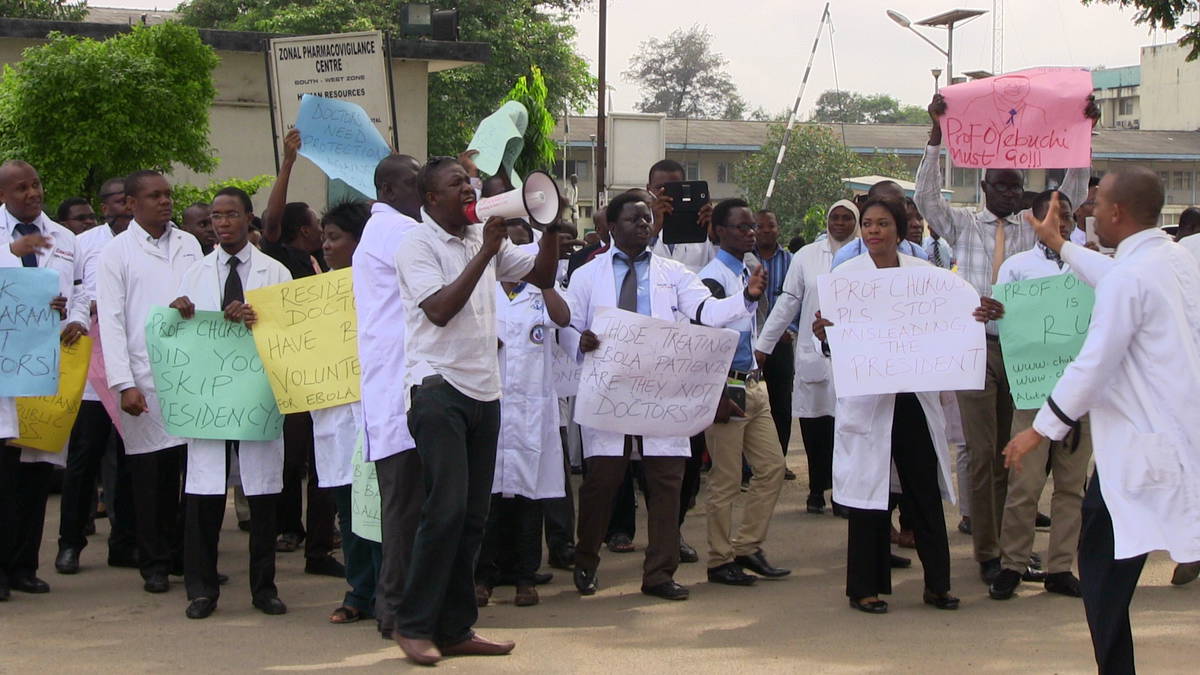
The Nigerian Association of Resident Doctors (NARD) has suspended its planned nationwide indefinite strike, granting the federal government a two-week ultimatum to address lingering welfare issues affecting resident doctors across the country.
The decision was taken after an emergency meeting of the association’s National Executive Council on Tuesday, where members reviewed assurances from government representatives and resolved to give dialogue another chance.
NARD said the suspension was informed by “progress made” in negotiations, particularly commitments on the prompt payment of salary arrears, hazard allowances, and steps toward resolving issues surrounding the Medical Residency Training Fund.
The association did not declare a full resolution of the dispute. It noted that the government had shown “renewed willingness” to address the concerns that triggered the strike threat.
The association noted that while these engagements signalled a willingness by the government to resolve the dispute, several critical issues remain outstanding, particularly the delayed payment of promotion arrears, salary arrears, the 2026 Medical Residency Training Fund (MRTF), and the backlog of 19 months’ professional allowance arrears owed to resident doctors.
It also expressed concern over the Federal Government’s decision to halt the implementation of the reviewed PAT, which had earlier triggered widespread dissatisfaction among its members and raised fears of disruption to healthcare services nationwide.
Despite these unresolved issues, NARD said it opted to suspend the strike as a demonstration of goodwill and commitment to ongoing dialogue, while giving the government a two-week window to take concrete, measurable and verifiable steps to meet its demands.
The association insisted on the immediate reversal of the decision affecting the PAT, payment of all outstanding arrears, prompt disbursement of the MRTF, and full settlement of the accumulated professional allowance backlog.
It warned that it would reconvene at the expiration of the ultimatum to assess the level of compliance and determine its next course of action, adding that failure by the government to meet its demands within the stipulated timeframe would result in the resumption of the suspended strike without further notice.
NARD also called on its members nationwide to remain calm, united and resolute, while urging the Federal Government to act swiftly to prevent a potential crisis in the health sector.
The association further appreciated the interventions of the Vice President and other stakeholders, expressing hope that their involvement would lead to the timely resolution of the dispute and help sustain healthcare delivery across the country.

By Modupe Gbadeyanka
To expand affordable healthcare in Kenya, Swedfund has invested about $600,000 into Jacaranda Health Limited (Jacaranda Maternity) to support innovations in neonatal intensive care and strengthen Jacaranda’s ability to provide life-saving services to underserved populations.
Jacaranda Maternity provides high-quality maternal health care at more affordable pricing than typical private providers, focusing on women in Nairobi’s low- and middle-income communities.
The new funding will support the opening of new hospitals, upgrading of neonatal care, and improvements to existing facilities.
Maternal and newborn health outcomes in Kenya remain a challenge, with maternal mortality still high despite improvements in skilled birth attendance.
Public health facilities play a central role but face capacity constraints, while access to reliable, quality care varies across regions and income groups.
Private healthcare providers offering essential maternity services at accessible price points can complement public provision.
Jacaranda Maternity aims to expand its network to six hospitals to achieve financial sustainability while scaling its impact. The healthcare provider is a recognised leader in promoting women’s health, with 71 percent of its staff being women, and a track record of effective environmental and social management.
“This investment will help Jacaranda Maternity provide life-saving care to more women and families while furthering Swedfund’s mission to promote inclusive and sustainable healthcare,” a Senior Investment Manager at Swedfund, Audrey Obara, said.
By Adedapo Adesanya
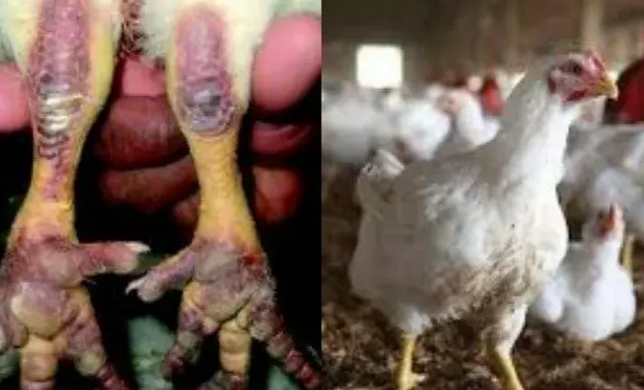
Nigeria will get a $350,000 intervention from the Food and Agriculture Organisation of the United Nations (FAO) to support its response to the ongoing outbreak of Highly Pathogenic Avian Influenza (bird flu) and strengthen the country’s animal health systems.
An agreement was reached on Wednesday during a strategic meeting between the Minister of Livestock Development, Mr Idi Mukhtar Maiha, and the FAO Representative to Nigeria and the Economic Community of West African States, Mr Hussein Gadain, in Abuja.
The intervention, approved under FAO’s Technical Cooperation Programme, will support disease containment efforts in 11 affected states and enhance surveillance, coordination and response mechanisms to prevent further spread of the disease.
Speaking during the meeting, Maiha said effective disease control remains critical to improving livestock productivity and protecting the livelihoods of farmers across the country.
He explained that factors such as drought, scarcity of feed, interaction between livestock and wildlife, as well as cross-border movement of animals have contributed to the spread of diseases in some areas.
“We must continue to strengthen our animal health systems and build the capacity required to respond effectively to disease outbreaks. Our collaboration with FAO will help protect livestock assets, improve productivity and support the broader transformation of the sector,” the minister said.
Mr Gadain commended the federal government’s commitment to the development of the livestock sector and assured that FAO would continue to provide technical support to Nigeria.
He stressed the need to strengthen veterinary services at the state and community levels, improve early detection of diseases and promote biosecurity practices among livestock farmers.
The meeting also reviewed progress on the global campaign to eradicate Peste des Petits Ruminants, a highly contagious disease that affects sheep and goats.
To advance the initiative, the ministry plans to convene a national technical meeting involving veterinary institutions, researchers and practitioners to review Nigeria’s eradication strategy and address gaps in vaccine supply.
As part of preparations, the ministry will engage the National Veterinary Research Institute to assess its vaccine production capacity while exploring other options for vaccine procurement to meet national demand.
Both parties also agreed to accelerate Nigeria’s access to financing under the Pandemic Fund through the One Health approach in collaboration with the Nigeria Centre for Disease Control and the Federal Ministry of Health to strengthen preparedness and response to zoonotic diseases.
Plans are also underway for the Director-General of FAO to participate in the Antimicrobial Resistance Conference scheduled for June 2026 in Abuja, where President Bola Tinubu is expected to be recognised as the African Champion for the eradication of Peste des Petits Ruminants.
The meeting further agreed to inaugurate a Livestock Donor Working Group to coordinate development partner support and advance key initiatives, including the development of a national feed and fodder strategy aimed at improving productivity and sustainability in the livestock sector.
-
 Feature/OPED6 years ago
Davos was Different this year
-
Travel/Tourism10 years ago
Lagos Seals Western Lodge Hotel In Ikorodu
-

 Showbiz3 years ago
Estranged Lover Releases Videos of Empress Njamah Bathing
-
 Banking8 years ago
Sort Codes of GTBank Branches in Nigeria
-

 Economy3 years ago
Subsidy Removal: CNG at N130 Per Litre Cheaper Than Petrol—IPMAN
-

 Banking3 years ago
Sort Codes of UBA Branches in Nigeria
-

 Banking3 years ago
First Bank Announces Planned Downtime
-

 Sports3 years ago
Highest Paid Nigerian Footballer – How Much Do Nigerian Footballers Earn