Connect with us

Media OutReach

2023 VinFuture Special Prize Laureate Prof. Daniel Drucker: Ample room remains for innovation in GLP-1 therapies

Published

on

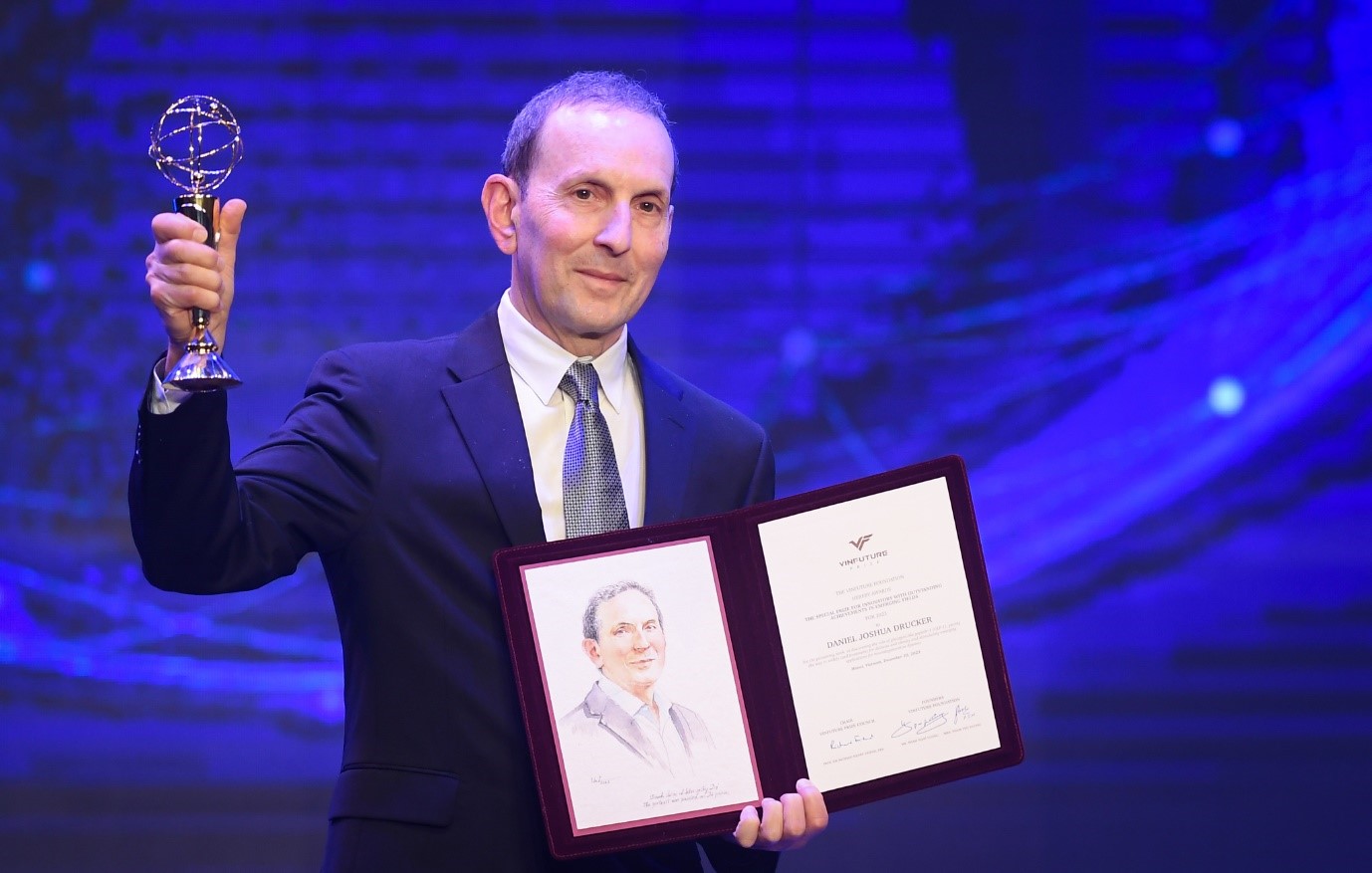
HANOI, VIETNAM – Media OutReach Neswire – 14 April 2025 – Together with world-renowned scientists including Prof. Joel F. Habener, Prof. Jens Juul Holst and Assoc. Prof. Svetlana Mojsov, Prof. Daniel Drucker at the University of Toronto and the Lunenfeld-Tanenbaum Research Institute, has discovered the role of glucagon-like peptide-1 (GLP-1), leading to life-changing therapies for people with diabetes and obesity while stimulating emerging applications for neurodegenerative diseases. This groundbreaking innovation has garnered significant recognition for him and the GLP-1 research group, exemplified by the prestigious 2023 VinFuture Special Prize for Innovators with Outstanding Achievements in Emerging Fields, and the 2025 Breakthrough Prize in Life Sciences, awarded earlier this April.

Prof. Daniel Drucker, 2023 VinFuture Special Prize Laureate for Innovators with Outstanding Achievements in Emerging Fields, continues to receive recognition with the 2025 Breakthrough Prize in Life Sciences

In this interview, he reflects on the impact and influences of the VinFuture Prize on his further research, as well as the challenges and prospects of expanding GLP-1 accessibility. As global scientific recognition continues to evolve, he shares insights into the vital role of initiatives like the VinFuture Prize in inspiring the next generation of scientists.

VinFuture: Recognizing transformative science

The 2023 VinFuture Prize holds the distinction of being the first major international science and technology award to recognize and honor the scientists behind the discovery of the role of GLP-1. Following the VinFuture Prize, the GLP-1 research group has continuously received recognitions with numerous other prestigious accolades, including their listing among the 2024 Time 100 Most Influential People.

Reflecting on this, Prof. Drucker expressed deep appreciation, noting that these awards provide invaluable support in pushing the boundaries of scientific discovery.

As the VinFuture Prize gains prominence, having GLP-1 science acknowledged as a recipient also helps elevate the global understanding of how it can transform healthcare,” he emphasized.

Continuing its commitment to recognizing impactful advancements, the 2024 VinFuture Prize honored innovators in the biomedical field for their development of CAR T-cell therapy for cancer and other diseases. According to Prof. Drucker, this innovation stands as “a remarkable example of how immunological science can revolutionize the treatment of many cancer types.”

With the honoring of AI and CAR T cell therapy, the trends I observe are consistent with other international awards, where similar innovative themes are celebrated around the same time or within a few years. This alignment reinforces the importance of these breakthroughs.” Prof. Drucker commented.

Among the youngest international science-technology awards, now in its fifth year, the VinFuture Prize is steadily establishing its significance and reputation, evidenced by the increasing number of laureates continuing to receive recognition from prestigious international awards, most notably the Nobel Prize. Prominent examples include Dr. Katalin Karikó and Prof. Drew Weissman (Laureates of the 2021 VinFuture Grand Prize and 2023 Nobel Prize in Physiology or Medicine), Dr. Demis Hassabis and Dr. John Jumper (Laureates of the 2022 VinFuture Special Prize and 2024 Nobel Prize in Chemistry), and Prof. Geoffrey Hinton (Laureate of the 2024 VinFuture Grand Prize and 2024 Nobel Prize in Physics).

Despite being a relatively new award, the VinFuture Prize has done an exceptional job of highlighting high-quality science. The recognition of AI, coinciding with its recent recognition by the Nobel Prize, highlights its transformative impact on numerous aspects of society,” Prof. Drucker said. “So I think the VinFuture Prize council really has its finger on the leading edge of science in many areas.”

Beyond diabetes

2024 was a landmark year for GLP-1 research, with several exciting clinical trials demonstrating benefits extending far beyond obesity to include the treatment of patients with heart disease, obstructive sleep apnea, and knee osteoarthritis. Additionally, Prof. Drucker hinted at early promising results for patients with metabolic liver disease and noted ongoing studies exploring GLP-1’s effects on Alzheimer’s disease, with results expected soon.

The continuous wave of new findings will provide deeper insights into the full potential of GLP-1-based therapies.” Prof. Drucker commented, stating that each study will contribute to refining our understanding of this science.

Furthermore, Prof. Drucker highlighted GLP-1’s neurological effects and its potential clinical application in addressing mental health conditions, including anxiety, depression, and compulsive behaviors. He noted that preliminary, early-stage trials with small patient groups investigating GLP-1’s potential in reducing cravings and treating addiction-related disorders have yielded promising initial results.

Several academic research centers are actively studying GLP-1’s effects on substance use disorders, and major pharmaceutical companies such as Eli Lilly and Novo Nordisk have begun clinical trials to explore these applications further.” Prof. Drucker shared, “It will likely take 12 to 18 months before we gain a clearer picture of whether these medicines can be clinically effective in helping individuals reduce or quit substance use.”

Prof. Drucker also highlighted compelling research indicating GLP-1’s interaction with the brain, extends beyond appetite regulation, suggesting a range of potential therapeutic applications.

Ongoing trials are underway in people with substance use disorders, including alcohol, nicotine, cannabinoids, and opioids, conditions for which existing medicines are not always very effective.” He elaborated, “We have trials underway for Alzheimer’s disease with oral semaglutide, which are expected to conclude by the end of 2025. These investigations will significantly enhance our understanding of GLP-1’s neurological impact and potential clinical applications.

Overcome barriers to maximize impact

Despite the global excitement for the “Ozempic era”, there are many challenges hindering the widespread impact for GLP-1 medicines. These include the current high cost and limited accessibility of the treatments, the reliance on primarily two main drug options (semaglutide and tirzepatide), and the practical limitations of refrigeration and pen-based delivery for most formulations, as Prof. Drucker pointed out.

A key priority is the democratization of these treatments so that everyone who could benefit from them has access. To achieve this, we are working on small-molecule pills that are easier to manufacture and should be more affordable.” He explained.

Prof. Drucker anticipated that increased competition in the GLP-1 market will lead to lower prices, development of newer versions that are easier to use, including once-monthly injections, thereby improving accessibility and convenience for millions worldwide.

Most initial launches have occurred in countries with well-established healthcare and reimbursement systems. Only now are we seeing manufacturing capacity expand enough to increase availability, but costs remain a significant barrier.” He stated, emphasizing the critical need to advance these medicines not only to enhance their efficacy in areas like weight loss and cardiovascular health but also to make them more convenient to take, more affordable, and more broadly accessible to patients globally.

Another major challenge that Prof. Drucker identified is determining the appropriate dosage for extending the therapeutic applications of GLP-1 to conditions beyond diabetes and obesity. While the dosage effective for weight loss may not be suitable for other disorders like Parkinson’s, Alzheimer’s, alcohol use disorder, anxiety, or depression, understanding the dose-response relationship for these conditions requires time and further investigation.

Additionally, research is underway to reduce adverse effects, making GLP-1 treatments safer and more comfortable for patients. Prof. Drucker elaborated, “One key strategy is starting patients on very low doses and gradually increasing them to minimize side effects. Additionally, some companies are researching ways to reduce further adverse effects, such as developing co-formulated anti-nausea compounds to improve tolerability.”

Future research for GLP-1 therapies presents numerous possibilities; however, the translation from research to clinical application for neurodegenerative and substance use disorder treatments still presents unmet needs with a lack of evidence for progress. According to Prof. Drucker, with clinical trials underway, they may yield valuable insights within the next 12 to 24 months regarding the potential extension of GLP-1 therapy benefits from glucose control to complex disorders of the central nervous system.

He identified, “The key lies in understanding how to effectively engage the brain, identifying which regions can respond to GLP-1 signaling, and how to optimize that communication.”

In conclusion, Prof. Drucker highlighted the promising contemporary landscape of scientific research, emphasizing the crucial need to inspire the next generation to embrace science and pursue research careers. In this context, the 2023 VinFuture Special Prize Laureate commended the VinFuture Prize for its valuable contribution in motivating individuals within the scientific community and engaging younger generations in science.

When we visited Vietnam, we met with many young scientists, and I was impressed by VinFuture’s strong efforts to inspire and connect with them. I encourage VinFuture to continue and expand these efforts because investing in young talent is the key to a future filled with groundbreaking innovations.” He stated.

Hashtag: #VinFuture

The issuer is solely responsible for the content of this announcement.

VinFuture

The VinFuture Foundation, established on International Human Solidarity Day on December 20th, 2020, is a non-profit organization co-founded by billionaire Mr. Pham Nhat Vuong and his wife, Mrs. Pham Thu Huong. The Foundation’s core activity is awarding the annual VinFuture Prize, which recognizes transformative scientific and technological innovations capable of making significant positive changes in the lives of millions of people worldwide.

The nomination period for the 2025 VinFuture Prize will close at 2:00 PM on April 17, 2025 (Vietnam time, GMT+7). Submit your nominations here: . Outstanding nominators will be honored through the VinFuture Nominator Recognition Program.The VinFuture Prize consists of four prestigious awards presented each year. The most esteemed is the VinFuture Grand Prize, valued at US$3 million, making it one of the largest annual prizes globally. Additionally, there are three Special Prizes, each valued at US$500,000, specifically dedicated to honoring Women Innovators, Innovators from Developing Countries, and Innovators with Outstanding Achievements in Emerging Fields.


Media OutReach

Skyro Rolls Out Reusable Digital Credit Across the Philippines, Explores Opportunities in Southeast Asian Markets

Published

on

MANILA, PHILIPPINES – Media OutReach Newswire – 13 July 2026 – Skyro, a digital-first consumer finance platform, today announced the nationwide rollout of SkyroCredit, its reusable digital credit line, making it available to all eligible customers across the Philippines. The launch follows a pilot phase that attracted more than 100,000 users who have used SkyroCredit for everyday purchases, including groceries, medicines, fuel, and dining. Skyro is also exploring opportunities in Southeast Asian markets to tackle financial exclusion.

SkyroCredit is a reusable, revolving digital credit line that provides access to a fixed credit limit without a plastic and without relying on the Visa or Mastercard networks. Once approved, a customer’s credit is available within the Skyro app and can be used instantly by scanning any QR Ph code, the Philippine QR payment standard accepted at more than 90% of merchant outlets nationwide. Leading merchants include SM, Mercury Drug, Watsons, Jollibee, McDonald’s, and DALI Supermarket. Customers can borrow, repay the amount they have used, and reuse the same credit limit without reapplying.

NasimAliev, Skyro co-founder, said:
“Our goal is to provide access to affordable credit for underserved communities across Southeast Asia at a time when everyday expenses continue to rise and consumers’ financial priorities are evolving.

“Today’s consumers need financial solutions built around real-life spending needs and changing financial priorities. With SkyroCredit, we bring flexible financial solutions to our customers’ fingertips. The credit line offers all the benefits of flexibility, including an interest-free grace period. This provides customers with maximum convenience for everyday use while even allowing them to save money through cashback.

“By expanding our portfolio of point-of-sale loans, cash loans, and Buy Now, Pay Later (BNPL) products to include flexible credit lines, we are building long-term customer relationships based on everyday use, responsible borrowing, and trust.”

Eligible customers receive initial credit limits of PHP 1,000 to PHP 10,000 (approximately USD 17 to USD 170), with the opportunity to increase their limit to as much as PHP 100,000 through regular, responsible use. Purchases carry 0% interest for up to 45 days. Every purchase also earns 1% cashback, which customers can redeem on future purchases through the app.

Skyro’s expansion into reusable digital credit addresses one of Southeast Asia’s largest financial inclusion opportunities by enabling sustained customer engagement. According to the Bangko Sentral ng Pilipinas, the central bank of the Philippines, only half of Filipino adults have a formal financial account. As QR-based payment networks continue to expand across the region, Skyro can leverage this infrastructure to deliver accessible digital credit products that meet growing consumer demand.

Hashtag: #Skyro #SkyroCredit #DigitalCredit

The issuer is solely responsible for the content of this announcement.

About Skyro

Skyro is a high-growth, digital-first fintech group delivering scalable, responsible access to financial services across high-potential emerging markets. Powered by proprietary data science, AI-driven credit decisioning and alternative data scoring, the company combines a mobile-native experience with modular fintech architecture to serve underserved customer segments at scale.

In just three years, Skyro has grown to serve over one million active customers in the Philippines, underpinned by a robust credit portfolio exceeding $200 million. The company’s strategic ambition is to establish itself as the preeminent full-spectrum financial services group across dozens of emerging markets worldwide.

Continue Reading

Media OutReach

Peach Garden Celebrates Mid-Autumn Festival with Singapore Flyer-Inspired Mooncake Keepsake Gift Set

Published

on

SINGAPORE – Media OutReach Newswire – 13 July 2026 – Peach Garden has unveiled its 2026 Mid-Autumn mooncake collection, headlined by the Graceful Showstopper, a keepsake gift set inspired by the Singapore Flyer.

Peach Garden Celebrates Mid-Autumn Festival with Singapore Flyer-Inspired Mooncake Keepsake Gift Set

The Singapore Flyer design roots the collection in a recognisably local identity, with the launch timed to the National Day period as the city moves into the traditional Mid-Autumn Festival gifting and reunion season. Pre-orders open from 13 July to 10 August at $61 nett inclusive of GST (usual price: $91.11).

A Keepsake Built Around the Singapore Skyline

Designed around a circular silhouette that echoes the Singapore Flyer’s iconic form, the Graceful Showstopper is crafted to hold its place in a home well beyond the festival.

Rooted in a recognisably Singaporean aesthetic, it functions as a decorative display piece as much as a festive gift, whether set out for a family gathering, presented to a business client, or kept as a personal memento of the season. Logo customisations are available on corporate orders of 50 boxes or more.

Handmade Daily, in a Range Built for Modern Palates

Returning alongside the centrepiece is Peach Garden’s low-sugar mooncake range, available in baked and snowskin varieties. The Deluxe Combination of Four spans four flavours across eight miniature pieces:

  • Mini Lemon Yuzu Snowskin
  • Mini Pandan Lotus Snowskin with Melon Seed
  • Mini Low Sugar White Lotus Snowskin with Macadamia
  • Mini Lychee Snowskin with Lychee Martini Truffle

Every mooncake in the range is handmade fresh daily across Peach Garden’s six outlets, a practice the group has maintained amidst an industry where production has shifted increasingly toward automation.

The collection will be available at more than 20 festive kiosks across Singapore for the first time, including Takashimaya from 20 August and VivoCity from 25 August, both through 25 September. Collection is available from 11 August to 25 September at all six Peach Garden outlets, from 11am to 3pm and 6pm to 10pm.
Hashtag: #PeachGarden #GracefulShowstopper #MoonCakeFestival #MidAutumnFestival


The issuer is solely responsible for the content of this announcement.

About Peach Garden

Peach Garden is one of Singapore’s leading Chinese restaurant brands, renowned for its contemporary Chinese cuisine, exceptional hospitality, and award-winning festive creations. With six outlets across Singapore, the brand continues to bring families, friends, and businesses together through meaningful dining and gifting experiences.

Continue Reading

Media OutReach

Rethinking Urban Development: Vietnamese Developers Shaping Future Cities

Published

on

HO CHI MINH CITY, VIETNAM – Media OutReach Newswire – 11 July 2026 – As global urban challenges evolve, Vietnamese Developers offer valuable insights into alternative development models.

Vinhomes’ strategic response is crystallized in its ESG

For much of the past century, urban development followed a relatively straightforward equation: build housing, expand infrastructure and accommodate population growth. This formula is now showing its limitations. As climate risk intensifies, biodiversity declines and cities compete not only for investment but also for talent, developers around the world are now forced to redefine the very nature and purpose of what they build.

From the Gulf to Singapore, and from Scandinavia to Southeast Asia, large-scale urban projects are evolving into integrated ecosystems where mobility, green infrastructure, education, healthcare, digital services and environmental restoration are planned together. The industry paradigm has shifted from constructing buildings to designing places capable of sustaining both economic growth and quality of life over generations.

Vinhomes has initiated a comprehensive repositioning to navigate this global transition.

Known as Vietnam’s largest residential developer, the company is increasingly recognized not merely as a builder of housing projects, but as a creator of large-scale lifestyle ecosystems, communities where urban planning, technology, ecology and public services are conceived as parts of the same system.

When Nature Becomes Urban Infrastructure

For decades, environmental considerations were often introduced after a city’s masterplan had already been completed.

The emerging model reverses that sequence. Across many of its recent developments, Vinhomes operates on the principle that natural systems should become the starting point of planning. Hydrology, coastal conditions, biodiversity and existing vegetation are treated as design inputs that shape the urban layout from the earliest stages.

This philosophy marks a notable departure from conventional large-scale development, particularly in rapidly urbanising markets where natural landscapes have frequently given way to intensive construction.

With more than 30 developments across Vietnam and a land bank equivalent to roughly two-thirds the size of Singapore, Vinhomes has the unusual opportunity to test this planning approach at a metropolitan scale.

Rather than replicating identical urban formulas, each project is designed around the ecological characteristics of its location.

The company maintains that the long-term success of a city should ultimately be measured not by how much has been built, but by whether natural ecosystems continue to thrive decades after residents have moved in. That perspective aligns with an increasingly influential school of urban planning in which green infrastructure is viewed as essential public infrastructure.

Factors Compelling Cities Toward Regeneration

Environmental, Social and Governance (ESG) frameworks have become standard across global investment. Urban planners, however, are beginning to question whether sustainability alone is sufficient.

Maintaining today’s environmental conditions may no longer be enough if tomorrow’s cities must also respond to rising temperatures, sea-level change and growing demographic pressures.

Vinhomes’ strategic response is crystallized in its ESG++, a framework that extends beyond conventional ESG principles by introducing two additional objectives: Regeneration and resilience.

The distinction is subtle but important.

Regeneration implies restoring ecological systems rather than simply reducing environmental impact. Resilience focuses on designing cities capable of adapting to changing climatic, technological and social conditions over many decades.

Projects such as Vinhomes Green Paradise Can Gio and Vinhomes Global Gates Ha Long are intended to demonstrate how these concepts can be incorporated into large-scale urban planning, combining renewable energy, smart infrastructure and ecological restoration within a single development model.

This shift highlights a growing global consensus: the success of next-generation cities will ultimately be measured by their ability to adapt to increasingly complex environmental challenges.

Vietnam’s Urban Story Is Becoming Part of a Global Conversation

For many international audiences, Vietnam remains associated primarily with its cultural heritage and natural landscapes. Urban development may become an equally important part of that story.

Rapid urbanisation, expanding infrastructure investment and a national commitment to achieve net-zero emissions by 2050 have created conditions in which entirely new urban models can be planned without many of the legacy constraints facing older cities.

This developmental opportunity is capturing increasing global interest.

Commenting on Vinhomes Green Paradise’s participation in the global 7 Wonders of Future Cities initiative, Jean-Paul de la Fuente, Director of the New7Wonders Organisation, described Vietnam as undergoing a “transformative step change” in its national identity and global positioning. He pointed to the country’s progress in reducing the carbon footprint of urban mobility as an example of coordinated action between government and the private sector that offers valuable insights extending beyond Southeast Asia.

For Vinhomes, participation in international platforms such as 7 Wonders of Future Cities is therefore less about showcasing a single project than about contributing to a broader discussion on how rapidly developing economies might approach urban growth differently. The company’s evolution mirrors a wider shift taking place across the global property sector.

Increasingly, the core value proposition for developers is no longer anchored in how many buildings they can deliver. Instead, it centers on whether they can create cities that remain economically competitive, environmentally resilient and socially relevant long after construction has ended.

Hashtag: #Vinhomes

The issuer is solely responsible for the content of this announcement.

Continue Reading