
Media OutReach
Fighting oyster reef decline in HK, 3D-Printed Reef Wins James Dyson Award 2025 Hong Kong

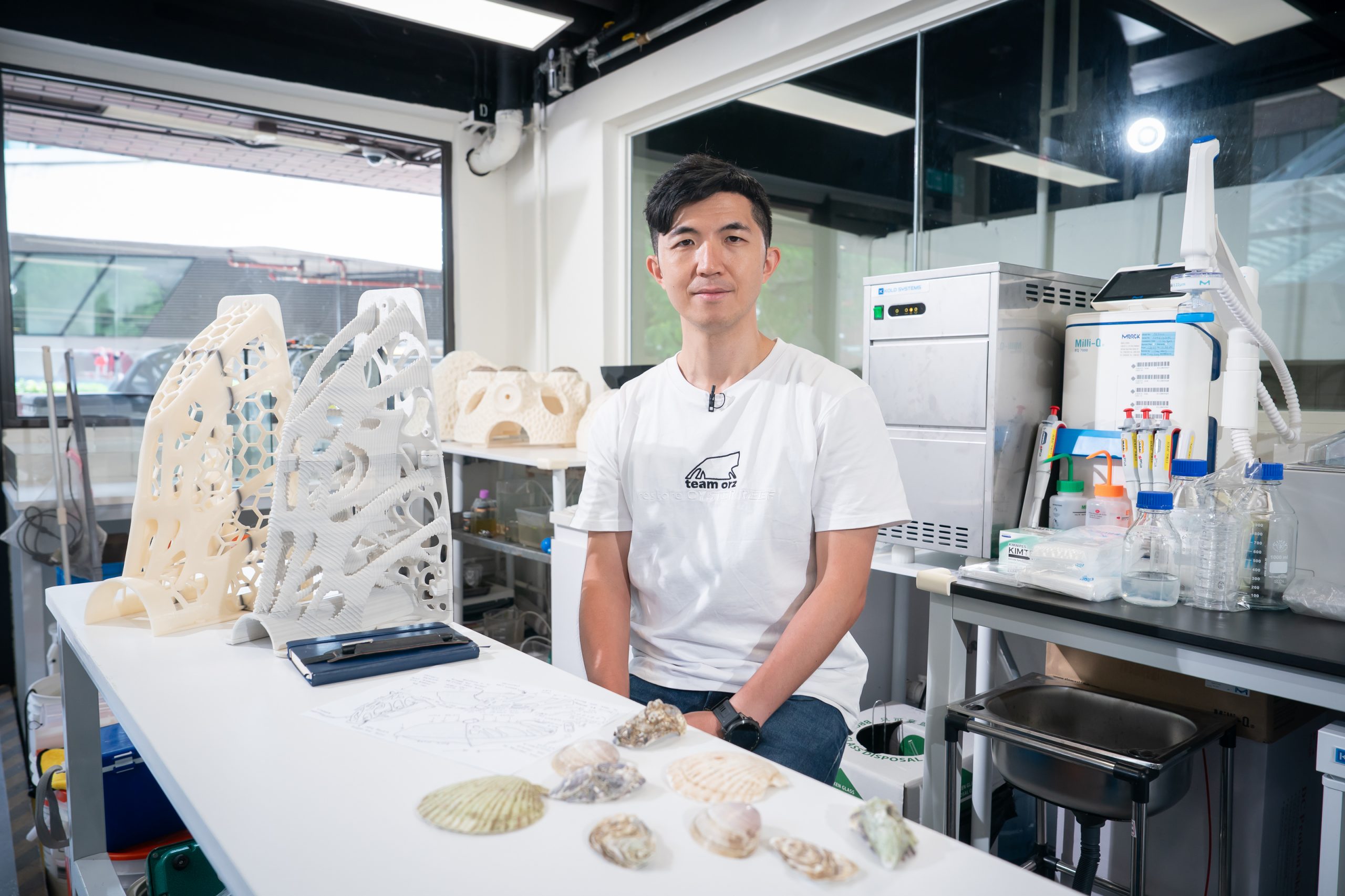
- Dean Chan, a graduate from the Chinese University of Hong Kong and current PhD candidate at the Hong Kong Polytechnic University has been named the Hong Kong winner of the James Dyson Award for Reef of Hope
- The invention will progress to the international stage of the James Dyson Award, for a chance to win £30,000
HONG KONG SAR – Media OutReach Newswire – 10 September 2025 – This year’s James Dyson Award Hong Kong Winner, Reef of Hope, tackles the decline of oyster reefs in the region with a sustainable and innovative solution. Developed by Dean Chan, the modular 3D-printed artificial reef features an innovative topological design and uses a printing substrate infused with oyster shell calcium carbonate, aiming to restore oyster reefs while enhancing marine biodiversity.
Oyster reefs are vital to healthy marine ecosystems—providing habitat for marine life, supporting fish populations, filtering water, and protecting shorelines. However, globally, more than 85% of oyster reefs have disappeared in recent decades[1], and locally, most remain outside of protected areas, facing threats from pollution, overharvesting, and urban development[2].
“Reef of Hope is well-developed and grounded in local ecological relevance,” said Professor Joseph Wong, James Dyson Award Hong Kong Judge. “Its focus on oysters—a species vital to Hong Kong’s marine biodiversity—makes it a meaningful innovation.”
Now in its 20th year globally, the James Dyson Award continues to celebrate and empower young designer and engineers worldwide who tackle real-world problems with innovative solutions. Since its debut in Hong Kong in 2015, the Award has spotlighted numerous local innovators, with several advancing to the global Top 20 and one named a global sustainability winner.
Reef of Hope – The new solution to reef restoration
Dean Chan, creator of Reef of Hope, is a designer, engineer, and ecologist. He discovered that conventional reef restoration methods—such as concrete blocks and oyster bags—often lack the ecological effectiveness and long-term sustainability needed for successful recovery, as they generally prioritize bulk and stability over ecological function.
To address these shortcomings for current solutions, Reef of Hope is designed and engineered to actively support and sustain marine life. Its innovative topological structure features a curved, porous geometry that enhances stability in water, improves material efficiency, and optimizes water flow. The interwoven voids increase surface area and circulation, improving nutrient delivery, waste removal, and biofilm formation—all essential for oyster larval settlement.
What sets the project apart is its material innovation: a biodegradable polyhydroxyalkanoates (PHA) material, infused with seashell calcium carbonate, marine-safe minerals, and bioactive coatings that actively promote oyster settlement. The deliberate choice of material can avoid microplastic pollution, ensuring both ecological effectiveness and long-term ocean health.
Additionally, the reef’s lightweight, modular design allows for easy deployment by divers, adaptability to various site conditions, and cost-effective scaling—whether for degraded shorelines, aquaculture zones, or conservation areas.
Dean conducted field trials along Hong Kong’s shoreline, demonstrating significant environmental benefits: Oyster settlement rates were three times higher than with traditional methods. Within one month, the reef attracted shrimp, small crabs, juvenile fish, and algae, indicating a positive impact on local biodiversity.
“Winning the James Dyson Award is thrilling!” said Dean Chan. “It’s not just about recognition — it’s a platform to raise awareness about oyster reef restoration and marine conservation, amplifying my mission to protect these vital ecosystems.”
As the Hong Kong winner, Reef of Hope receives £5,000 to support the next phase of development and will represent Hong Kong on the global stage, competing with other regions’ innovators. The international Top 20 shortlist will be announced on 15th October, selected by a global team of Dyson engineers, and the global winners will be chosen by James Dyson and announced on 5th November.
Hashtag: #JamesDysonAward2025
The issuer is solely responsible for the content of this announcement.
James Dyson Award
The  James Dyson Award forms part of a wider commitment by Sir James Dyson, to demonstrate the power of engineers to solve the world’s problems. The competition has supported more than 400 inventions with prize money and a chance to gain global media exposure, and is run by the James Dyson Foundation. Founded in 2002, the Foundation is an international education charity whose mission is to inspire the next generation of engineers. The Foundation also invests in medical research and has donated more than £145m to charitable causes to date.
ABOUT THE COMPETITION
The brief. Design something that solves a problem. This problem may be a frustration that we all face in daily life, or a global issue. The important thing is that the solution is effective and demonstrates considered design thinking. Unlike other competitions, participants are given full autonomy over their intellectual property.
The process. Entries are judged first at the national level by a panel of external judges and a Dyson engineer. Each operating market awards a national winner and two national runners-up. From these winners, a panel of Dyson engineers then select an international shortlist of 20 entries. The top 20 projects are then reviewed by Sir James Dyson who selects his global winners.
The 2025 prizes
- Global winners, chosen by Sir James Dyson, each receive a prize of £30,000.
- Each national winner receives £5,000.
Previous global winners
A portable and affordable hair-loss prevention device for chemotherapy patients.
A reusable, nature-inspired sensor to improve weather forecasting and tackle e-waste.
A hands-free IV device for disaster zones.
A sustainable exterior wall coating with a high cooling effect, reducing environmental costs of air conditioning.
An off-road trailer ambulance for universal towing.
A smart sensor for dressings which indicates how well a wound is healing by measuring its pH level.
A machine that recycles plastic bottles into affordable 3D printer filament for developing nations.
James Dyson Award on social media
- Website: https://www.jamesdysonaward.org/
- Instagram:
 @jamesdysonaward
 - X:
 @jamesdysonaward
 - TikTok:
 @jamesdysonaward
 - LinkedIn:
 James Dyson Award
 - YouTube:
 youtube.com/jamesdysonfoundation




The Taiwan-born pet mobility brand opens its first SoHo pop-up inside Flying Solo, bringing its Nordic-designed pet stroller collection to the heart of New York City.
NEW YORK, USA – Media OutReach Newswire – 02 April 2026 – FikaGO, the design-led pet mobility brand recognized across Asia and Europe, has opened its first New York City pop-up store inside Flying Solo in SoHo. The opening marks a deliberate move for a pet brand into one of the world’s most competitive retail districts.
Since entering the online American market in 2025, FikaGO has built a growing community of pet parents who see their animals as a central part of everyday life. Positioned as lifestyle essentials rather than conventional pet gear, FikaGO’s range of products is designed for people who want the best for their fur babies.
“We’ve always believed that pet products should not only be functional, but also beautifully integrated into everyday life.” — Eric Guu, Co-founder, FikaGO
SoHo was a considered choice: Flying Solo, with locations in New York and Paris, is known for championing independent design with a distinctly global sensibility.
The pop-up showcases FikaGO’s auto-folding Free To Go 2 in Sandy Beige, the brand’s bestselling product. All FikaGO’s products are manufactured using eco-friendly fabrics made from recycled materials, reflecting a commitment to sustainability. This includes their large-capacity Agile 2 pet strollers to their airline-approved Truffle carriers and the heavy-duty Kross pet wagon.
“Launching in SoHo is a meaningful milestone for us; it allows customers to truly experience the quality, design, and intention behind every FikaGO product.” — Eric Guu, Co-founder, FikaGO
As pet ownership rises globally, particularly among urban millennials and Gen Zs, demand for products that combine functionality, design, and lifestyle integration continues to grow. FikaGO was built for precisely this moment, and SoHo is precisely where that moment lives.
Visit the FikaGO pop-up at Flying Solo, 419 Broome Street, New York, or explore the full collection at https://us.fikago.com/.
Hashtag: #FikaGO #petmobilitybrand #petstroller #petcarrier #petwagon #petkennel #petbiketrailer
https://us.fikago.com/ https://www.facebook.com/FikaGO.US
 https://www.instagram.com/fikago_us/
YouTube:  https://www.youtube.com/@fikago5910
The issuer is solely responsible for the content of this announcement.
About FikaGO
FikaGO is a pet mobility brand founded in Taiwan, dedicated to crafting products that blend functionality, comfort, and modern aesthetics. With a presence across Asia and growing reach in Europe and the U.S, FikaGO is redefining everyday experiences between pets and their humans.

Media OutReach
Lee Kum Kee Celebrates Culinary Excellence at the Historic Hong Kong Debut of Asia’s 50 Best Restaurants 2026
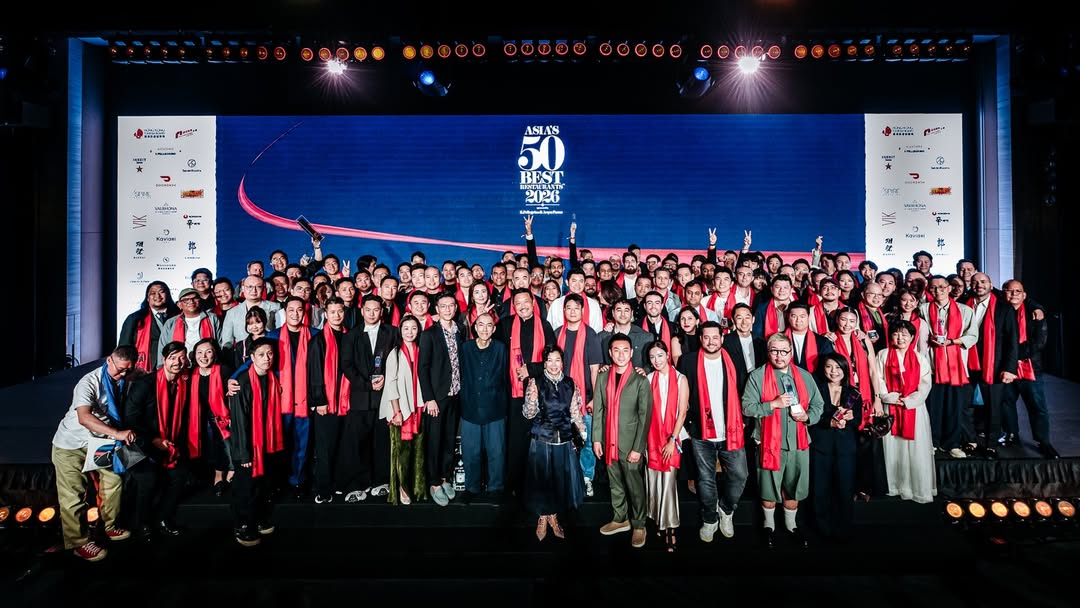
From 23-25 March, Lee Kum Kee brought together top chefs, diverse cultures and industry communities through a range of thoughtfully curated experiences, bringing authentic Asian flavours to the global stage. As well as reaffirming the brand’s Asian roots and international perspective, its involvement reflected an enduring commitment to preserving culinary heritage and driving gastronomic innovation.
“Asian Flavour Duet“: A Culinary Journey Through Heritage and Innovation
Helping to build momentums for this year’s awards, Lee Kum Kee collaborated with Vicky Cheng, the acclaimed Executive Chef and owner of WING, to co-create the “Asian Flavour Duet”, a Hong Kong-style late-night supper party on 24 March. Hosted at two Hong Kong culinary landmarks, the experience unfolded in two chapters – “Paying Tribute to Heritage” and “Innovative Fusion” – and invited guests to explore the limitless possibilities of Asian flavour.
The evening began at the century-old Lin Heung Lau teahouse, a space filled with nostalgia and memories for generations of Hong Kongers. Chef Vicky reinterpreted classic Hong Kong late-night dishes using signature Lee Kum Kee sauces, while guests were immersed in the warmth of the historic venue.
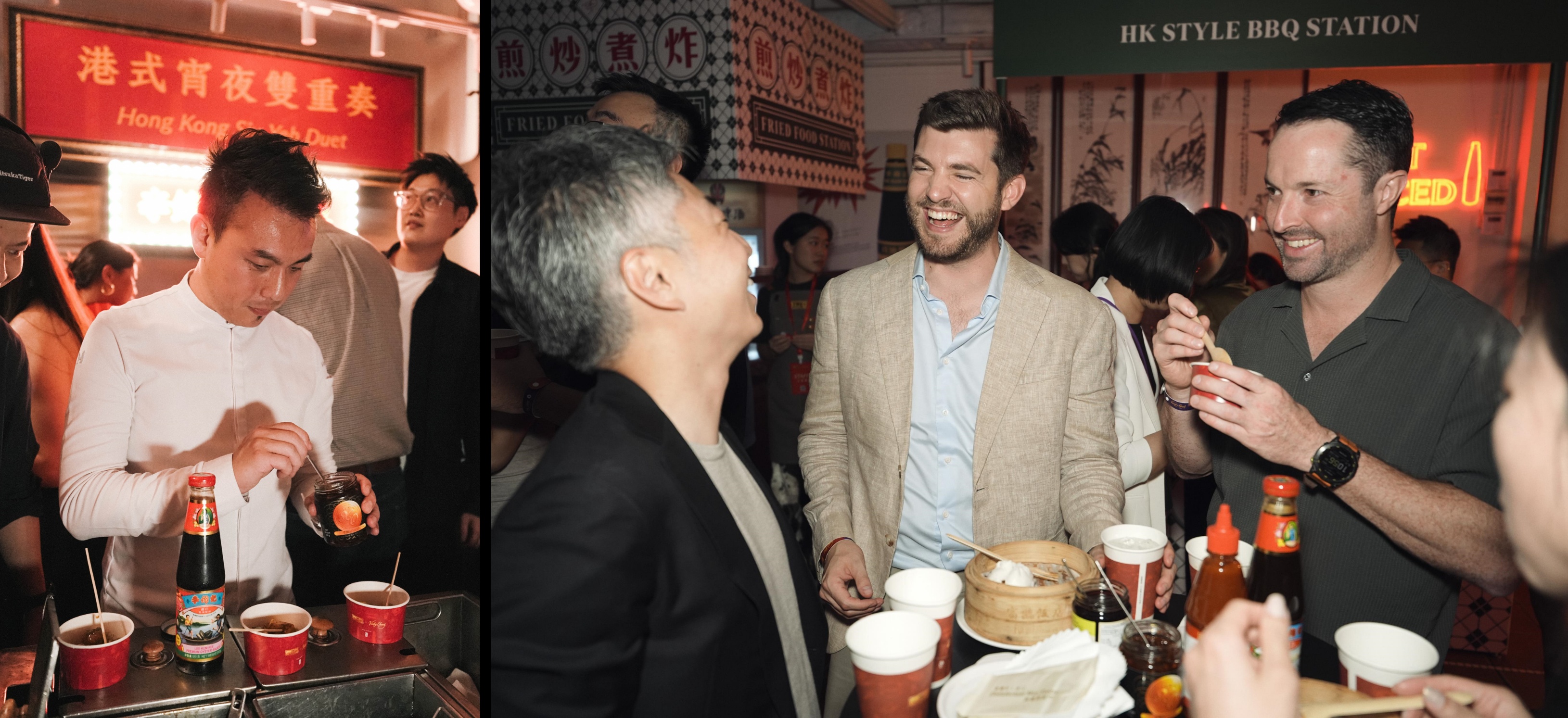
The celebration then moved to Medora, Chef Vicky’s Western dining space, where an “Innovative Fusion” was revealed. He showcased his modern culinary philosophy by incorporating Lee Kum Kee sauces with contemporary techniques to create bold, unexpected dishes. Guests also enjoyed specially crafted cocktails infused with Lee Kum Kee sauces, alongside a delightful yet refined sauce-inspired gelato, demonstrating a harmonious interweaving of savoury, umami, sweetness and spice.
The multisensory journey seamlessly blended tradition with innovation, exploring the future of cuisine while highlighting Lee Kum Kee’s role as a global gateway to Asian culinary culture.
At the event, Dodie Hung, Executive Vice President – Corporate Affairs at Lee Kum Kee, commented, “Tonight, we are honoured to celebrate Hong Kong’s late‑night food culture with Chef Vicky and the global culinary community. From the legacy of Lin Heung Lau to the forward‑looking spirit of Medora, we are proud to be part of the creative journey and help showcase the depth of Asian flavours on the world stage.”
Celebrating a Gastronomic Brilliance with the Highest Climber Award Sponsored by Lee Kum Kee
During the awards ceremony on 25 March, Lee Kum Kee’s booth showcased a range of the brand’s acclaimed classic sauces and innovative products. Guests sampled specially crafted bites featuring Lee Kum Kee sauces, engaging directly with the flavours and techniques that have made the brand a trusted partner in both home and professional kitchens worldwide.

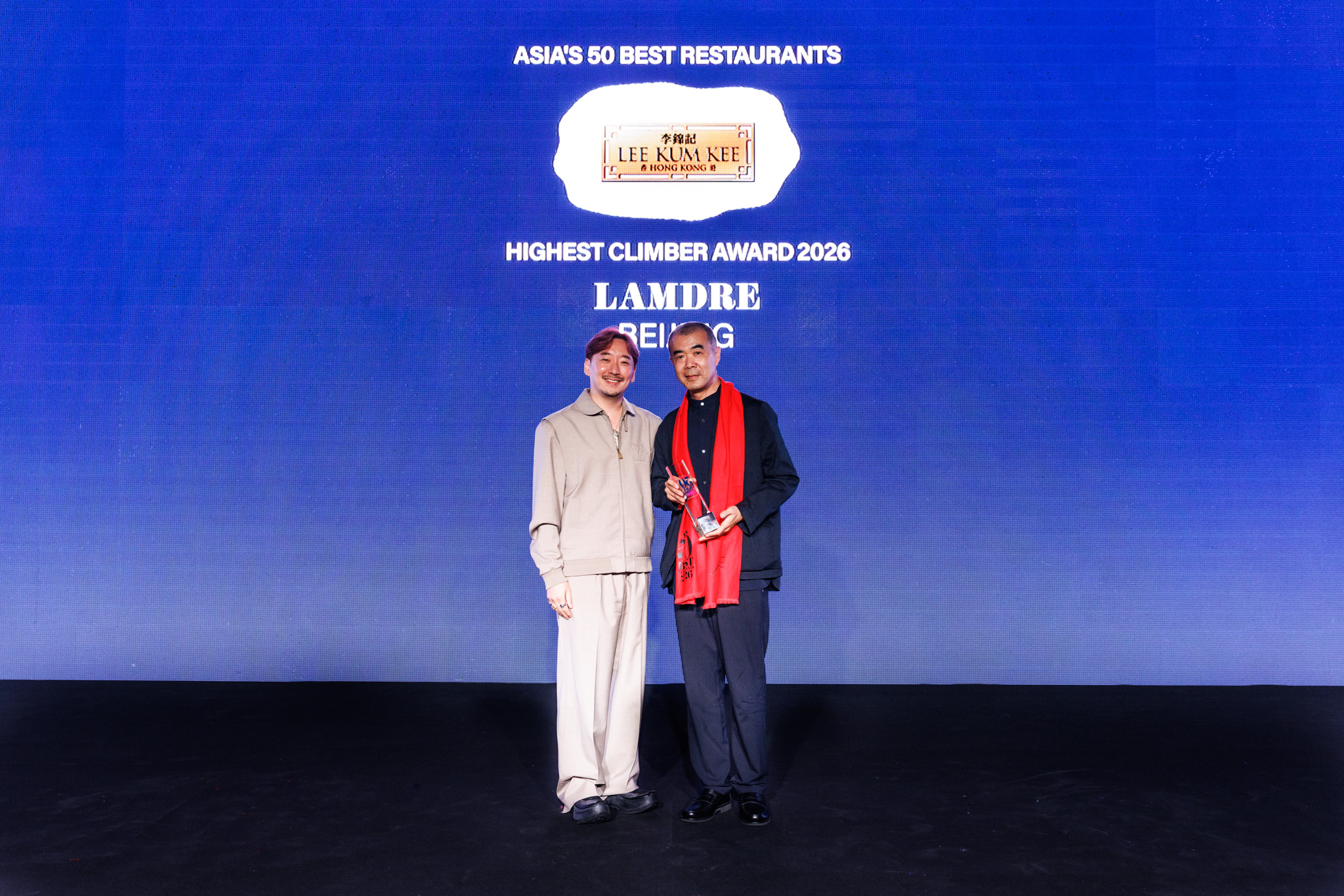
As part of the evening’s celebration of the region’s most exceptional culinary talents, the Highest Climber Award sponsored by Lee Kum Kee was presented to Lamdre in Beijing by Chef Park from Atomix (No.1 in North America’s 50 Best Restaurants 2025). Lambre was applauded for its pioneering plant-based dining space that promotes healthy, sustainable living while honouring Chinese biodiversity in its menus.
In addition, WING, led by Chef Vicky, achieved an impressive second place in 2026 Asia’s 50 Best Restaurants list. The restaurant had also previously ranked No. 11 on The World’s 50 Best Restaurants list in 2025, underscoring its continued international acclaim.
Building the Future Together: Deepening Global Partnerships
With the success of this prestigious awards ceremony in Hong Kong, China, Lee Kum Kee looks forward to deepening its collaboration with leading talents in the global culinary community. By continuing to champion Asian flavours and foster meaningful dialogue and exchange, the brand will continue to bring the spirit of Asian cuisine to kitchens and dining tables around the world.
Hashtag: #LeeKumKee #LKK
The issuer is solely responsible for the content of this announcement.
About Lee Kum Kee
Lee Kum Kee is the global gateway to Asian culinary culture, dedicated to promoting Chinese culinary culture worldwide. Since 1888, it has brought people together over joyful reunions, shared traditions and memorable meals. Beloved by consumers and chefs alike, Lee Kum Kee’s range of more than 300 sauces and condiments sparks creativity in kitchens everywhere, inspiring professional and home chefs to experiment, create and delight. Headquartered in Hong Kong, China and serving over 100 countries and regions, Lee Kum Kee’s rich heritage, unwavering commitment to quality, sustainable practices and “Constant Entrepreneurship” combine to enable superior experiences through Asian cuisine for people worldwide. For more information, please visit www.LKK.com.
About Asia’s 50 Best Restaurants
Launched in 2013, Asia’s 50 Best Restaurants aims to showcase the outstanding achievements and diverse culinary landscape of the region. The list is determined by the Asia’s 50 Best Restaurants Academy, a panel of over 350 culinary experts from across Asia who vote independently based on their specialised knowledge of the local dining scene. The Asia’s 50 Best Restaurants series includes the awards ceremony and list announcement, creating a premier networking platform for restaurateurs, media, seasoned travelers and culinary connoisseurs to celebrate the exceptional service, passion and talent in the dining industry.

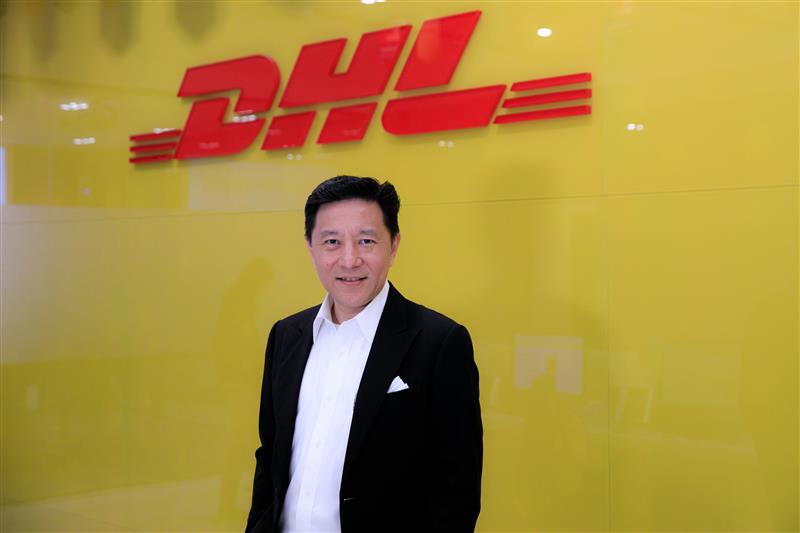
- Herbert Vongpusanachai takes on the role of Senior Vice President for Commercial for the region, effective April 1, 2026
SINGAPORE – Media OutReach Newswire – 2 April 2026 – DHL Express, the world’s leading international express service provider, has appointed Herbert Vongpusanachai as Senior Vice President, Commercial for Asia Pacific, effective April 1, 2026. Herbert, who currently serves as Managing Director for DHL Express Thailand & Indochina, will be based in Singapore for his new role.
Herbert brings more than two decades of leadership experience within DHL Express, having successfully helmed multiple key markets across the region. He first joined the company in 2003 as Managing Director for Thailand & Indochina, later taking on leadership of Singapore in 2008, followed by Hong Kong & Macau in 2016. Since returning to lead Thailand & Indochina in 2020, he has driven sustained year‑on‑year profitable growth, transforming the cluster into one of the region’s key engines of expansion.
“Herbert has an exceptional track record of delivering strong business results while nurturing highly engaged teams across diverse markets. His deep understanding of our customers, collaborative leadership style, and ability to unearth opportunities in complex environments make him the ideal leader to drive our commercial agenda for Asia Pacific. I am confident that under his guidance, we will continue to accelerate sustainable growth across the region,” said Ken Lee, CEO for Asia Pacific, DHL Express.
In his new regional role, Herbert will shape and accelerate the commercial strategy for DHL Express across Asia Pacific by working with other functions to assess new sectors, routes and trade lanes with high potential for growth. He will focus on deepening customer engagement and supporting their expansion, while driving sustainable volume growth and advancing the adoption of new technologies to enhance commercial execution across markets. With his extensive country expertise and people‑first leadership style, Herbert is well‑positioned to support both regional and country teams in raising commercial performance to new levels.
“Asia Pacific remains an important anchor in global trade as seen in the latest DHL Global Connectedness Report, and this indicates the unwavering role of logistics to facilitate the flow of goods. With the newly introduced Heavyweight Express solution, which enables customers to ship heavyweight shipments with speed, certainty and reliability, I look forward to working alongside our talented teams to contribute to shaping the next chapter of DHL Express’s commercial success,” said Herbert Vongpusanachai, Senior Vice President – Commercial for Asia Pacific, DHL Express.
The latest DHL Global Connectedness Report shows that the region remains a major anchor of global commerce, with multiple economies rising in global connectedness rankings and Southeast Asia firmly establishing itself as a fast‑growing trade corridor. This also mirrors one of DHL Group’s strategies to better support 20 markets globally to accelerate growth; eight of them rest in Asia Pacific – underscoring the region’s critical role in DHL’s global network. As trade flows diversify and intra‑Asia integration deepens, this leadership appointment further strengthens DHL Express’s position in Asia Pacific.
Hashtag: #DHL
 https://group.dhl.com/en.html
 https://www.linkedin.com/company/dhlexpress/
The issuer is solely responsible for the content of this announcement.
DHL – The logistics company for the world
DHL is the leading global brand in the logistics industry. Our DHL divisions offer an unrivalled portfolio of logistics services ranging from national and international parcel delivery, e-commerce shipping and fulfillment solutions, international express, road, air and ocean transport to industrial supply chain management. With approximately 389,000 employees in more than 220 countries and territories worldwide, DHL connects people and businesses securely and reliably, enabling global sustainable trade flows. With specialized solutions for growth markets and industries including technology, life sciences and healthcare, engineering, manufacturing & energy, auto-mobility and retail, DHL is decisively positioned as “The logistics company for the world”.
DHL is part of DHL Group. The Group generated revenues of approximately 82.9 billion euros in 2025. With sustainable business practices and a commitment to society and the environment, the Group makes a positive contribution to the world. DHL Group aims to achieve net-zero emissions logistics by 2050.

-
 Feature/OPED6 years ago
Davos was Different this year
-
Travel/Tourism10 years ago
Lagos Seals Western Lodge Hotel In Ikorodu
-

 Showbiz3 years ago
Estranged Lover Releases Videos of Empress Njamah Bathing
-
 Banking8 years ago
Sort Codes of GTBank Branches in Nigeria
-

 Economy3 years ago
Subsidy Removal: CNG at N130 Per Litre Cheaper Than Petrol—IPMAN
-

 Banking3 years ago
Sort Codes of UBA Branches in Nigeria
-

 Banking3 years ago
First Bank Announces Planned Downtime
-

 Sports3 years ago
Highest Paid Nigerian Footballer – How Much Do Nigerian Footballers Earn