
Media OutReach
HKBU Survey Finds Over 3 in 4 Hong Kongers View Climate Change “Fake News” as a Significant Threat

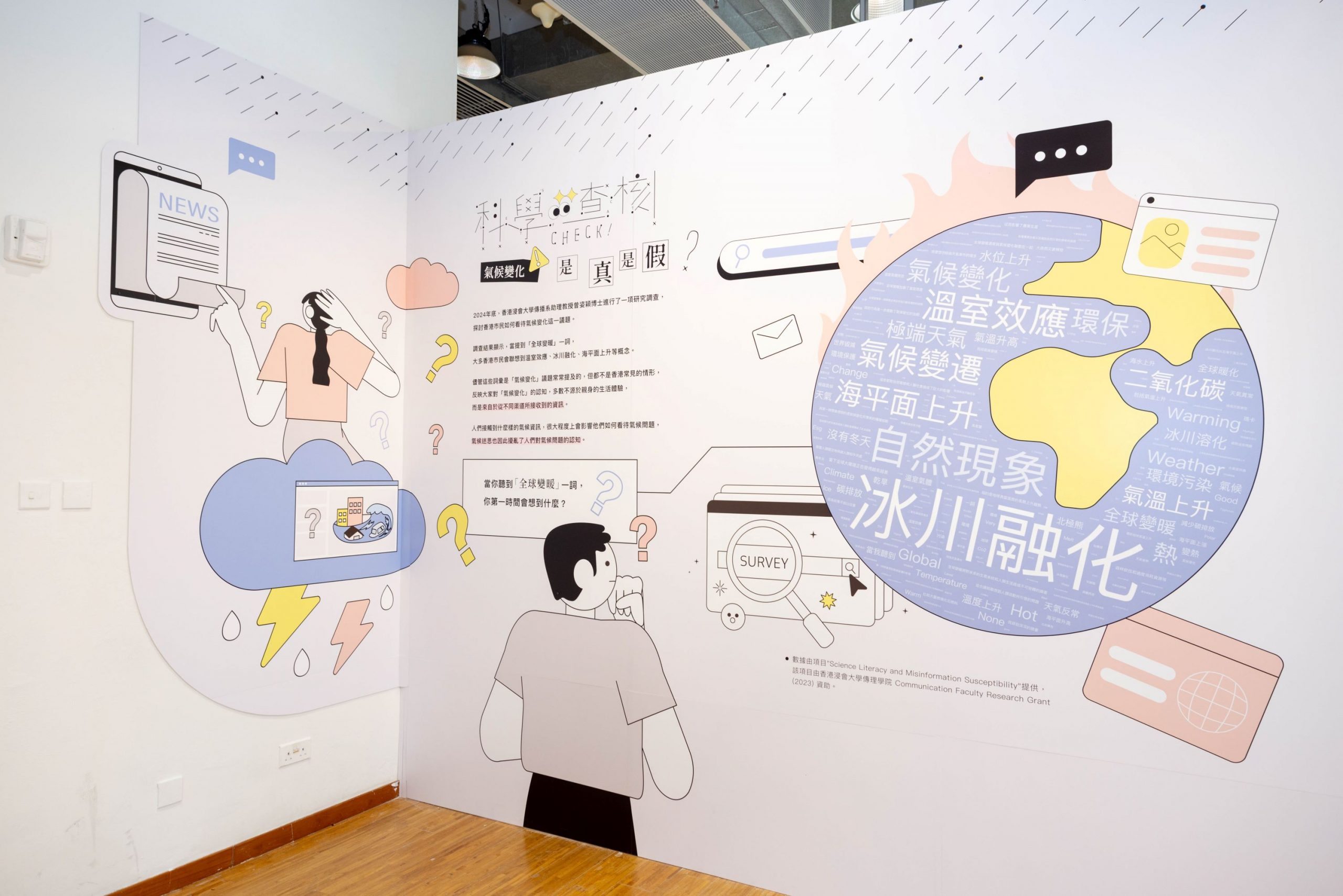
HKBU Fact Check Hosts Exhibition to Raise Public’s Science Information Literacy
HONG KONG SAR – Media OutReach Newswire – 16 May 2025 – Climate change remains a pressing global issue, but misinformation obscures public understanding. A survey conducted by HKBU Fact Check under Hong Kong Baptist University (HKBU) showed that over 3 in 4 (over 75%) of the respondents in Hong Kong consider climate change misinformation a “very serious” to “extremely serious” challenge, while nearly 25% of respondents hold misconceptions, for example, “cold waves disprove climate change,” “climate change is purely a natural process and unrelated to human activity,” and “(possessing) a sense of fatalism, with some believing that humanity has already missed the chance to address climate disasters and should continue burning fossil fuels.”
Professor Stephanie Jean TSANG, Assistant Professor in the Department of Communication Studies, School of Communication, HKBU and Director of HKBU Fact Check, conducted an online survey with 1,600 local residents in Hong Kong at the end of last year. The survey found that when the term “global warming” is mentioned, Hong Kongers associate it with concepts such as the greenhouse effect, glacial melting, and sea-level rise. While these terms are frequently mentioned in the “climate change” discourse, they are not commonly experienced in Hong Kong, reflecting that public understanding of “climate change” is not derived from personal experiences from everyday lives but rather from information received through various channels.
Professor Tsang said: “Public understanding and stance on climate issues are significantly shaped by the information channels they access. Therefore, there is an urgent need in the field of science communication to strengthen the analysis of mechanisms for misinformation dissemination and to thoroughly examine its potential impacts on public perception. In today’s digital age, online platforms have become one of the primary contexts for the public to acquire scientific knowledge. This makes enhancing scientific information literacy and critical thinking skills a crucial component in fostering rational social discussion. This is exactly the core purpose of our exhibition, ‘Is Climate Change a Genuine Phenomenon?’.”
HKBU Fact Check’s Exhibition “Is Climate Change a Genuine Phenomenon?” Cultivates Information Literacy
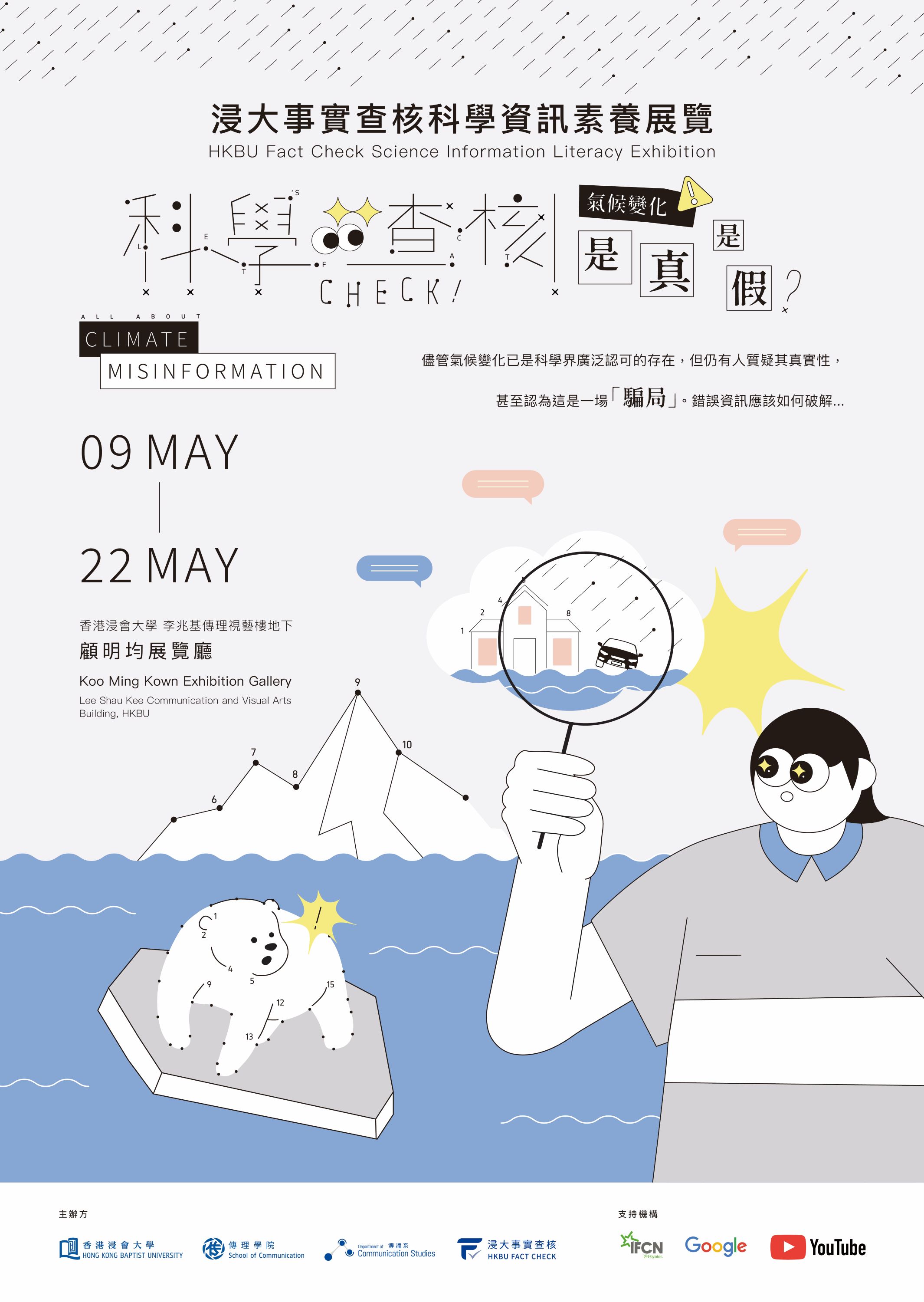
To enhance the public’s information literacy to discern climate change information and combat misinformation, HKBU Fact Check hosts a groundbreaking science information literacy exhibition titled “Is Climate Change a Genuine Phenomenon?” from now until 22nd May. The exhibition deconstructs common public misconceptions about climate change and delves into the typical narrative traps of climate change misinformation, and shares tips to validate true facts with a fact-checking mindset and skills, offering various ways for the public to understand how to identify and debunk scientific misinformation.
The exhibition invites attendees to explore a range of topics, including the distinction between “weather” and “climate” and the implications of a “once-in-a-century” rainstorm. By adopting a transdisciplinary approach that integrates public health and environmental science, participants can deepen their understanding of the facts related to climate change. In addition, the exhibition showcases fact-checking cases by HKBU Fact Check, which address climate issues such as verifying changes in the status of Antarctic sea ice through satellite data and debunking data manipulation tactics prevalent in “climate hoax” theories.
Professor ZHONG Bu, Dean of the School of Communication at HKBU, said: “In an era where information is abundant yet often misleading, comprehensive information literacy education is crucial in combating the spread of misinformation. For the past five years, HKBU Fact Check, an independently operated unit of the School of Communication, has been at the forefront of this battle. Our commitment to truth empowers the public by providing free fact-checking services, enhanced by cutting-edge artificial intelligence to streamline our efforts. Together, we are not just fighting misinformation; we are fostering a more informed society.”
HKBU Fact Check ‘Is Climate Change a Genuine Phenomenon?’ Exhibition Details:
Venue: Koo Ming Kown Exhibition Gallery, Lee Shau Kee Communication and Visual Arts Building, HKBU (5 Hereford Road, Kowloon Tong, Hong Kong)
Date: 9th – 22nd May 2025
Time: 9:00 AM to 6:00 PM (Free Admission – Registration Required)
Details: Please visit Website
Hashtag: #HKBU #HKBUFactCheck
The issuer is solely responsible for the content of this announcement.
About HKBU Fact Check
HKBU Fact Check is independently operated by the School of Communication at Hong Kong Baptist University. It is committed to enhancing public information literacy and fostering rational discussion on social issues through rigorous research and scientific methodologies. Over the past five years, HKBU Fact Check has published over 500 fact-check reports.




Launched in 2015, SkillsFuture is a national movement that supports Singaporeans in developing skills throughout different stages of their careers. Through subsidies administered by SkillsFuture Singapore (SSG), individuals may receive government funding when enrolling in approved courses offered by recognised training providers and Continuing Education and Training centres. Eligible Singapore Citizens and Permanent Residents may receive subsidies of up to 70 per cent of course fees. These subsidies are applied directly to the course fees, allowing learners to pay the nett amount after government funding has been deducted. This significantly lowers the overall cost of professional training.
Additional support is available for mid-career Singaporeans. Under the SkillsFuture Mid-Career Enhanced Subsidy (MCES), Singapore Citizens aged 40 and above may receive subsidies of up to 90 per cent of course fees for approved courses offered by recognised training providers and Continuing Education and Training centres. For illustration, a professional development course priced at S$3,000 before GST may cost approximately S$900 after a subsidy of up to 70 per cent is applied. Eligible Singapore Citizens aged 40 and above who qualify for the MCES could pay about S$300 for the same course after government funding.
Learners may further offset remaining fees through SkillsFuture Credit, which is available to Singapore Citizens aged 25 and above and can be used for eligible courses listed on the MySkillsFuture portal. Employer-sponsored training programmes may also benefit from workforce development schemes that further reduce training costs.
Institutions such as SIM Academy provide professional development programmes that support working professionals in upgrading their capabilities. SIM Academy offers a range of short courses aligned with industry needs, including programmes in leadership, AI, sustainability, project management, organisation design and soft skills. Several of these programmes are eligible for SkillsFuture funding and SkillsFuture Credit.
SkillsFuture funding schemes continue to support Singapore’s workforce transformation by making training more accessible. With government support and industry-aligned programmes offered by training providers such as SIM Academy, working professionals have greater opportunities to strengthen their capabilities and adapt to evolving job demands.
References:
- SkillsFuture Singapore. Funding for Individuals – https://www.ssg.gov.sg/funding-and-levy/funding-for-individuals/
- SkillsFuture Singapore. About SkillsFuture – https://www.skillsfuture.gov.sg/aboutskillsfuture
- SkillsFuture Course Fee Funding and Subsidies – https://www.myskillsfuture.gov.sg/content/portal/en/career-resources/career-resources/education-career-personal-development/SkillsFuture_Funding.html
- MySkillsFuture. SkillsFuture Credit – https://www.myskillsfuture.gov.sg/content/portal/en/header/credit.html
- SIM Academy. SkillsFuture Courses Offered by SIM Academy – https://www.sim.edu.sg/professional-development/courses/skillsfuture-courses
Hashtag: #SIMAcademy #SIMA
The issuer is solely responsible for the content of this announcement.
About SIM Academy
SIM Academy provides leading-edge professional development and enterprise solutions. SIM Academy offers over 300 executive and business programmes that help almost 10,000 professionals annually on average hone their competencies to drive business value and achieve peak personal and enterprise performance.
Our programmes encompass a comprehensive range of lifelong learning opportunities designed to empower professionals with the knowledge, skills, and competencies necessary to become effective change-makers and leaders in today’s volatile and uncertain business landscape.
For more information on SIM Academy, visit sim.edu.sg


Launched in 2015, SkillsFuture is a national movement that supports Singaporeans in developing skills throughout different stages of their careers. Through subsidies administered by SkillsFuture Singapore (SSG), individuals may receive government funding when enrolling in approved courses offered by recognised training providers and Continuing Education and Training centres. Eligible Singapore Citizens and Permanent Residents may receive subsidies of up to 70 per cent of course fees. These subsidies are applied directly to the course fees, allowing learners to pay the nett amount after government funding has been deducted. This significantly lowers the overall cost of professional training.
Additional support is available for mid-career Singaporeans. Under the SkillsFuture Mid-Career Enhanced Subsidy (MCES), Singapore Citizens aged 40 and above may receive subsidies of up to 90 per cent of course fees for approved courses offered by recognised training providers and Continuing Education and Training centres. For illustration, a professional development course priced at S$3,000 before GST may cost approximately S$900 after a subsidy of up to 70 per cent is applied. Eligible Singapore Citizens aged 40 and above who qualify for the MCES could pay about S$300 for the same course after government funding.
Learners may further offset remaining fees through SkillsFuture Credit, which is available to Singapore Citizens aged 25 and above and can be used for eligible courses listed on the MySkillsFuture portal. Employer-sponsored training programmes may also benefit from workforce development schemes that further reduce training costs.
Institutions such as SIM Academy provide professional development programmes that support working professionals in upgrading their capabilities. SIM Academy offers a range of short courses aligned with industry needs, including programmes in leadership, AI, sustainability, project management, organisation design and soft skills. Several of these programmes are eligible for SkillsFuture funding and SkillsFuture Credit.
SkillsFuture funding schemes continue to support Singapore’s workforce transformation by making training more accessible. With government support and industry-aligned programmes offered by training providers such as SIM Academy, working professionals have greater opportunities to strengthen their capabilities and adapt to evolving job demands.
References:
- SkillsFuture Singapore. Funding for Individuals – https://www.ssg.gov.sg/funding-and-levy/funding-for-individuals/
- SkillsFuture Singapore. About SkillsFuture – https://www.skillsfuture.gov.sg/aboutskillsfuture
- SkillsFuture Course Fee Funding and Subsidies – https://www.myskillsfuture.gov.sg/content/portal/en/career-resources/career-resources/education-career-personal-development/SkillsFuture_Funding.html
- MySkillsFuture. SkillsFuture Credit – https://www.myskillsfuture.gov.sg/content/portal/en/header/credit.html
- SIM Academy. SkillsFuture Courses Offered by SIM Academy – https://www.sim.edu.sg/professional-development/courses/skillsfuture-courses
Hashtag: #SIMAcademy #SIMA
The issuer is solely responsible for the content of this announcement.
About SIM Academy
SIM Academy provides leading-edge professional development and enterprise solutions. SIM Academy offers over 300 executive and business programmes that help almost 10,000 professionals annually on average hone their competencies to drive business value and achieve peak personal and enterprise performance.
Our programmes encompass a comprehensive range of lifelong learning opportunities designed to empower professionals with the knowledge, skills, and competencies necessary to become effective change-makers and leaders in today’s volatile and uncertain business landscape.
For more information on SIM Academy, visit sim.edu.sg
Media OutReach
Comprehensive Support for International Students to Bolster Hong Kong’s Talent Attraction and Retention
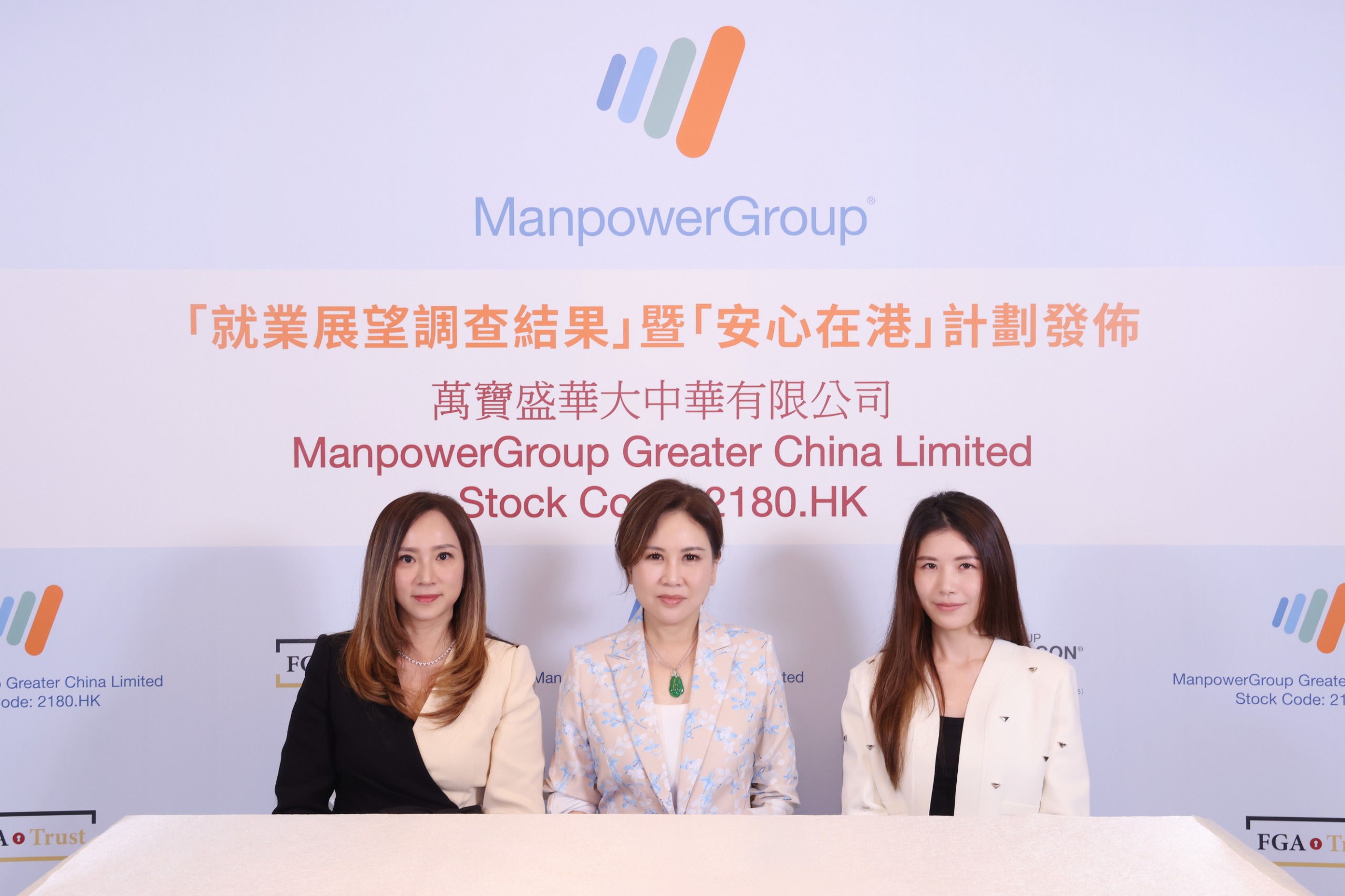
ManpowerGroup Greater China and Beacon Group Partner with FGA Trust and Payment Asia to Launch “Talent in HK” Program
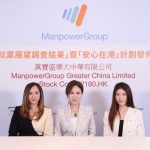
HONG KONG SAR – Media OutReach Newswire – 25 March 2026 – ManpowerGroup Greater China Limited (Stock Code: 2180.HK), a leading global workforce solutions provider, and Beacon Group (parent company BExcellent Group Holdings Limited, listed on the Main Board of the HKEX, Stock Code: 1775.HK), a renowned Hong Kong educational institution, today announced the joint launch of the “Talent in HK” Youth and Family Life Service Security Program.
This forward-looking initiative is supported by Payment Asia, a leading payment platform in Hong Kong, providing streamlined payment channels. FGA Trust will serve as the third-party custodian. The program aims to establish an institutionalized, transparent, and collaborative ecosystem, providing end-to-end protection from education and academic support to life services and career consultancy, while injecting long-term momentum into Hong Kong’s strategy to attract and retain international talent.
As Hong Kong continues to attract top-tier students globally, many non-local students face challenges adapting to a new cultural environment upon arrival. Recently, there has been a rising trend in crimes targeting this demographic, including scams involving impersonation of government or academic institutions, as well as telecommunications and online fraud. These incidents pose substantial threats to talents’ personal and financial security, causing significant concern for their families.
In response to these social concerns and to reinforce the comprehensive security net for international students, ManpowerGroup, Beacon Group, and FGA Trust have initiated this program to provide stable, orderly support and ensure the long-term residency of talent in Hong Kong.
Holistic Talent Services: Strengthening Hong Kong’s Foundation as an International Hub
The “Talent in HK” program offers comprehensive life services for students and their families. Beacon Group will provide a long-term study plan spanning three to five years, including customized education, admissions services, profile enhancement, and application support. Simultaneously, ManpowerGroup will facilitate internships, visa arrangements, and long-term career development services.
Once a student receives an admission offer, parents can inject tuition and living expenses through Payment Asia’s official channels into a dedicated project account monitored by FGA Trust. This ensures financial security and the precise disbursement of funds. The entire process will be followed by an audit report, ensuring a smooth transition from campus to the workplace. The program’s website is expected to go live around mid-April this year, with official applications opening in May.
In an era of intensifying global competition for higher education and talent, Hong Kong remains a pivotal international financial and educational hub. Non-local students are not only a vital component of the education system but also a driving force for cross-cultural exchange and future professional talent. They are estimated to contribute over HK$10 billion in tuition fees annually, serving as a significant pillar of the local economy.
Multi-Party Collaboration: A New Paradigm for Talent Services
The core strength of the program lies in its innovative collaborative model, bringing together industry leaders:
- ManpowerGroup Greater China (2180.HK): As the exclusive career development partner of the project, ManpowerGroup will leverage its extensive network and expertise to provide career planning, internship matching, and employment guidance, bridging the gap between graduation and professional life, and help students to have a smooth transition from academies to careers.
- Beacon Group (parent company BExcellent Group Holdings Limited 1775.HK): As one of the initiators of the project with 37 years of experience in the education sector, Beacon Group will provide personalized academic consulting and profile enhancement, provide better guidance and adaptation for candidates to pursuit their study in Hong Kong. Its deep roots in the education sector help families navigate educational choices and avoid scams or unnecessary hurdles.
- FGA Trust (TCSP license: TC008341): As the structural architect and asset trustee, FGA Trust will establish a specialized trust framework with individual sub-accounts for each student. This ensures funds for tuition, housing, and living expenses are managed with clear traceability, mitigating risks of fraud or improper spending.
- Payment Asia: As the primary channel partner, Payment Asia provides secure and compliant collection channels, ensuring the seamless transfer of funds into the program’s dedicated accounts.
Long-Term Vision: Supporting Urban Competitiveness
Studying abroad is the starting point for talent development in Hong Kong. Proactive financial arrangements reduce uncertainty during status transitions and life settlement, increasing the willingness of talent to remain in the city long-term. Data suggests that initiatives like the Top Talent Pass Scheme (TTPS) continue to drive local consumption, with rents for small-to-medium residential units expected to rise by 5% this year.
Ms. Lancy Chui, Senior Vice President of ManpowerGroup Greater China, stated: “We understand the strong desire of non-local graduates to work in Hong Kong. By providing proactive career planning and internship arrangements, we can reduce uncertainty during their transition into the local workforce, helping them settle and contribute to Hong Kong’s market.”
Ms. June Leung, Founder of Beacon Group, noted: “Talent cultivation requires long-term education. We are delighted to initiate this program, integrating academic support with life security and career development to provide a comprehensive, forward-looking environment for talent growth.”
Ms. Helen Chen, Chief Strategy Officer of FGA Trust, added: “Protecting the financial security and well-being of international students is both a social responsibility and a key to consolidating Hong Kong’s status as an international education hub. This program ensures a seamless transition from study to employment, transforming international talent into a long-term driver for Hong Kong’s development.”
The launch of “Talent in HK” marks a significant step from fragmented support to a comprehensive ecosystem. Through institutional innovation and cross-sector collaboration, the program aims to provide a safe harbor for international students and their families, contributing to Hong Kong’s goal of becoming a global talent hub.
Hashtag: #FGA #Trust #Talent #Career
 https://www.linkedin.com/company/fga-trust/
The issuer is solely responsible for the content of this announcement.
FGA Trust
FGA Trust (TCSP License No. TC008341) is a premier trust and fiduciary services provider headquartered in Hong Kong, offering comprehensive wealth solutions to an international clientele. We specialize in trustee services, all-asset custody, and strategic financial planning. This core expertise is uniquely enhanced by our integrated lifestyle management, delivering a truly holistic approach to wealth preservation and growth.









-
 Feature/OPED6 years ago
Davos was Different this year
-
Travel/Tourism10 years ago
Lagos Seals Western Lodge Hotel In Ikorodu
-

 Showbiz3 years ago
Estranged Lover Releases Videos of Empress Njamah Bathing
-
 Banking8 years ago
Sort Codes of GTBank Branches in Nigeria
-

 Economy3 years ago
Subsidy Removal: CNG at N130 Per Litre Cheaper Than Petrol—IPMAN
-

 Banking3 years ago
Sort Codes of UBA Branches in Nigeria
-

 Banking3 years ago
First Bank Announces Planned Downtime
-

 Sports3 years ago
Highest Paid Nigerian Footballer – How Much Do Nigerian Footballers Earn