
Media OutReach
Jollibee Continues Stellar Growth Across Southeast Asia, Strengthens Leadership in Key Markets

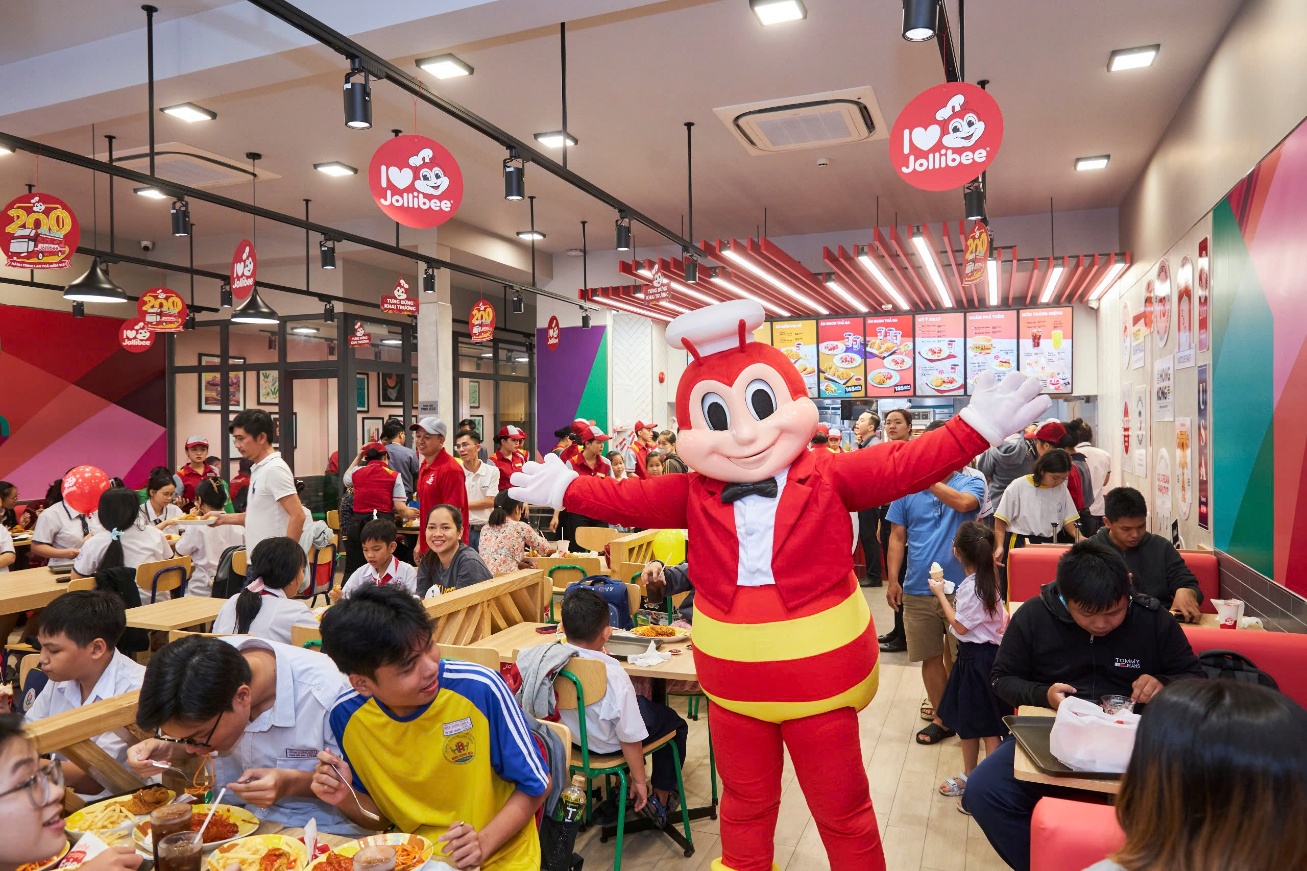
The brand opened 51 new stores in the region in 2024, including its 200th store in Vietnam, which reflects Jollibee’s commitment to bringing the joy of eating to the region’s most dynamic quick-service restaurant (QSR) markets.
“We are grateful for our consumers’ love for Jollibee, which reflects the strength of our flagship brand and the appeal of our offerings in different markets,” said Ernesto Tanmantiong, Global President and Chief Executive Officer of the Jollibee Group. “Our continued strong growth across our international markets, particularly Southeast Asia, is a testament to the hard work of our team and commitment to our 5-year strategy of tripling attributable net income.”
Winning with Local Love, Taste, and Innovation
The brand’s continuous effort to build relevance and resonance with local customers has resulted in strong local patronage across all Southeast Asian markets. In Vietnam, for example, where Jollibee now operates over 200 stores, nearly all customers are Vietnamese. In Brunei, Jollibee has established a leading position as the market leader in the QSR category, with virtually all customers also being local Bruneians. The brand is also experiencing strong community patronage in Singapore and Malaysia, where the majority of its consumers are locals.
Another key driver of Jollibee’s success in the region is the taste superiority of its products, especially the brand’s world-famous Chickenjoy fried chicken—recognized by global platforms such as USA Today as the “Best Fried Chicken” and lauded by renowned publications including Eater.com, Yahoo!, and South China Morning Post. The brand’s Spicy Chickenjoy is also continuing to make waves, with many local consumers in Singapore and Malaysia praising its uniquely spicy kick compared to the competition.
Beyond its fan-favorite bestsellers, Jollibee’s success has also been fueled by its ability to introduce locally resonant menu innovations, including Chili Chicken in Vietnam and the Spicy Spaghetti in Malaysia, which have been well-received by local consumers.
“Our commitment to delivering superior taste has fueled our growth in Southeast Asia, and we’re grateful to have passionate franchisees and partners who share in this mission,” shared Dennis Flores, President of Jollibee Europe, Middle East, Asia, and Australia. “We are excited to strengthen these relationships, while also seeking new franchisees for new markets as we bring the joy of superior taste to more customers around the world.”
Accelerating Expansion in Southeast Asia
Riding on this momentum, Jollibee will continue its store network expansion across Southeast Asia, contributing to the global food company’s mid-term goal of tripling its business in five years.
This ongoing expansion reinforces Southeast Asia’s critical role in Jollibee Group’s global growth strategy, as the company continues its commitment to spreading joy through superior taste through global expansion, combining strong brand equity, product excellence, and operational agility.
For more information on Jollibee Group, visit Jollibee Group’s official website.
Hashtag: #JollibeeGroup
The issuer is solely responsible for the content of this announcement.
About Jollibee Group
The Jollibee Group (PSE: JFC) is one of the world’s fastest-growing restaurant companies, driven by its purpose of spreading joy through superior taste. Its portfolio includes 19 brands with over 9,900 stores across 33 countries.
The Jollibee Group’s portfolio includes nine wholly owned brands (Jollibee, Chowking, Greenwich, Red Ribbon, Mang Inasal, Yonghe King, Hong Zhuang Yuan, Smashburger and Tim Ho Wan), five franchised brands (Burger King, Panda Express, Yoshinoya, Common Man Coffee Roasters, and Tiong Bahru Bakery in the Philippines), and ownership stakes in other key brands like The Coffee Bean and Tea Leaf (80%), Compose Coffee (70%), SuperFoods Group that operates Highlands Coffee (60%), and bubble tea brand Milksha (51%). The Company also has membership interests in Tortazo, LLC, along with Chef Rick Bayless, for Tortazo in the U.S. and has recently invested in Botrista, a leader in beverage technology.
The Jollibee Group’s global sustainability agenda, Joy for Tomorrow, underscores its commitment to sustainable business practices across food safety, employee welfare, community support, good governance, and environmental responsibility, among others. These focus areas are aligned with the United Nations Sustainable Development Goals (UN SDGs).
The Jollibee Group has been recognized as the Philippines’ Most Admired Company by the Asian Wall Street Journal, named one of Asia’s Fab 50 Companies, and listed among Forbes’ World’s Best Employers and Top Female-Friendly Companies. The Company is also a three-time Gallup Exceptional Workplace Award recipient and featured in TIME’s World’s Best Companies and Fortune’s Southeast Asia 500 List.
 www.jollibeegroup.com


Media OutReach
Asian Smart Medical Online Exhibition 2026: Connecting Smart Medical Suppliers with Global Buyers

Organized by AsianNet and TradeAsia (www.e-tradeasia.com), Medical Asia has been successfully facilitating international medical trade since its launch in 2024 , earning a strong reputation for high-quality participation and tangible business outcomes. In 2026, Medical Asia extends its exhibition period to strategically align with major global healthcare and medical industry events, including Medical Design & Manufacturing West, Arab Health, HIMSS Global Health Conference & Exhibition, MEDICAL JAPAN [Osaka], and Hospitalar Sao Paulo. This extended timeline enables international buyers to engage with multiple key events simultaneously, creating a more efficient and streamlined sourcing experience.
By participating in Medical Asia 2026, exhibitors can expect enhanced global exposure, broader networking opportunities, and increased potential for sustainable business growth, all while reaching a larger and more diverse international buyer base through a flexible and cost-effective hybrid exhibition model.
Medical Asia 2026 features a robust lineup of respected Taiwanese manufacturers, including industry leaders such as Perfect Medical and many more. These companies will present thousands of the latest smart medical industry products and technologies, covering a wide array of sectors crucial to modern manufacturing and production.
The event will feature an extensive selection from top manufacturers, covering categories such as Medical Devices & Clinical Equipment, Medical Supplies & Nursing Consumables, Healthcare Facility Furniture & Logistics Equipment, Emergency & Clinical Patient Monitoring Equipment, Rehabilitation & Physiotherapy Equipment / Consumables, Pharmaceutical Manufacturing, Packaging & Inspection Machinery, Medical-grade Wearables & Remote Patient Monitoring (RPM) Devices, Clinical Laboratory & IVD Analyzers, Medical-grade Materials & Components (Plastics / Rubber / Silicone, etc.), and Home Health Care Products. With thousands of the latest products, accessories, and equipment on display, the exhibition promises to be both comprehensive and highly professional. Attendees will gain valuable insights into the latest innovations and developments across the smart medical industry.
Visit the Online Exhibition:
https://www.etradeasia.com/online-show/42/Asian-Smart-Medical-Online-Exhibition-2026.html
In today’s rapidly evolving global environment, online platforms play a crucial role in breaking geographical barriers and extending marketing reach. In response to this growing demand, Medical Asia 2026 offers a comprehensive suite of innovative digital exhibition solutions, including dedicated exhibitor pages, electronic catalogs, and virtual exhibition halls. These digital tools are seamlessly integrated with TradeAsia, enabling international buyers worldwide to effortlessly discover exhibitors and explore products in depth. Through the platform, buyers can visit individual manufacturer pages, review detailed product information, submit inquiries, and communicate with exhibitors via real-time messaging. This highly interactive and user-friendly experience facilitates smooth communication, enhances buyer engagement, and fosters meaningful business connections between exhibitors and global buyers, ultimately creating valuable commercial opportunities.
TradeAsia (www.e-tradeasia.com) has been providing comprehensive B2B international trade services for buyers and sellers worldwide since 1997. With nearly three decades of industry experience, TradeAsia is recognized as one of the most established and professional global trade platforms. Today, the platform serves millions of members worldwide, featuring more than 600,000 verified suppliers and millions of up-to-date product listings across diverse industries. Every day, thousands of professional buyers from around the world use TradeAsia to source products, connect with suppliers, and explore new business opportunities. As a leading trade promotion channel in Asia, TradeAsia continues to facilitate efficient cross border trade and foster long term partnerships between global buyers and suppliers.
TradeAsia also collaborates with hundreds of trading organizations around the world to exchange marketing and promotional opportunities. As a result, suppliers who showcase their products on TradeAsia gain the chance to be featured across the publicity channels of multiple trade platforms and exhibition organizers worldwide, greatly enhancing their international visibility and marketing reach. In addition, during the period of Medical Asia 2026, promotional messages will be broadcast globally, further amplifying exposure for participating suppliers and connecting them with a wider international audience.
Hashtag: #TradeAsia
The issuer is solely responsible for the content of this announcement.

Media OutReach
Carbyne Fitness and IFPA Singapore Publish Study Revealing the Gender Gap Between Personal Training and Home Gyms

The findings, based on Carbyne Fitness’ customer data and an online database of personal training enquiries compiled by IFPA Singapore’s personal trainers, point to two fundamentally different approaches to exercise motivation and engagement between men and women.
A Tale of Two Fitness Journeys
The data suggests that men overwhelmingly prefer self-directed fitness, buying equipment such as adjustable dumbbells, benches, and racks for home use. Women, on the other hand, are more inclined toward guided training experiences led by certified professionals.
According to Brian Chang, founder of Carbyne Fitness and IFPA Singapore, this split reveals not just gender preferences, but deeper social and psychological factors shaping how Singaporeans exercise.
“Men often see fitness as something they should be able to handle on their own, like asking for help somehow means they’re not strong enough,” said Chang. “That’s why many men would rather train themselves than work with a coach. Ladies, on the other hand, are usually more open to learning and getting guidance. They see working with a coach not as weakness, but as a smart way to improve safely and effectively.”
The Male Home Gym Boom
The pandemic sparked a surge in home gym investments, and Carbyne Fitness has been at the forefront of this trend. Its adjustable dumbbells and adjustable kettlebells have become popular among working professionals looking to save time and train efficiently at home.
Carbyne Fitness’ customer data revealed that four in five customers are male. “The home gym trend among men is here to stay,” Chang explained. “They appreciate the convenience, privacy, and long-term savings. For many, it’s not just fitness equipment, it’s a personal investment in staying strong and independent as they age.”
However, with about 58% of Carbyne Fitness customers living in HDB flats, 26% in condominiums, and 16% in landed properties, many still hold the misconception that home workouts, especially in smaller HDB or condo spaces, aren’t practical or effective. Landed property owners make up less than 5% of Singapore’s dwellings, yet account for 16% of Carbyne Fitness’ customers.
| Dwelling Type | National Share (SingStat) | Carbyne Customer Share | Index (Representation) |
| HDB (Public Housing) | 72.0% | 58.5% | 0.81 (Under-indexed) |
| Condominiums | 23.3% | 25.6% | 1.10 (Over-indexed) |
| Landed Properties | 4.7% | 15.9% | 3.38 (Heavily Over-indexed) |
“One of the most common reasons people give for not buying home gym equipment is that they ‘don’t have the space,'” said Chang. “But in reality, a proper home setup doesn’t need much room; a good pair of adjustable dumbbells and a bench can fit comfortably within just one square meter if you choose the right equipment.”
Why Women Seek Trainers
In contrast, IFPA Singapore’s training enquiries show that a majority of personal training clients are female. Of the 392 Singapore-based individuals who sought personal training, 63% were women, even though men still represent the majority of gym members nationwide.
| Category | Male % | Female % | Dominant Characteristic |
| Home Gym Buyers (Carbyne) | 80% | 20% | High Autonomy |
| PT Seekers (IFPA) | 37% | 63% | Guidance Seeking |
| Population (DOS 2025) | 49.3% | 50.7% | Balanced |
“This reflects a growing confidence among women to take charge of their fitness journey,” said Chang. “But it also shows that women tend to prioritize safety and proper form. They are more willing to invest in expert guidance rather than risk injury from unguided workouts.”
Many female clients, Chang adds, have goals that extend beyond appearance: postnatal recovery, strength for caregiving, or functional fitness for daily life.
“It’s not just about aesthetics anymore,” he said. “Women are recognizing that strength training builds long-term resilience, both physically and mentally.”
Implications for Singapore’s Fitness Industry
The gender divide uncovered by Carbyne Fitness and IFPA Singapore also points to structural gaps in how Singapore’s fitness ecosystem is organized, particularly the limited avenues for personal trainers to operate independently.
Most commercial gyms and public facilities, including ActiveSG gyms, do not permit outside personal trainers to conduct sessions within their premises. Trainers who are not employed directly by these gyms are often barred from coaching clients on-site, regardless of their certification or insurance coverage.
This restriction limits both consumer choice and career opportunities within the industry. For clients, especially women who prefer guided training but may not want to commit to an expensive gym membership, the policy creates a barrier to accessing affordable, flexible coaching. For freelance trainers, it restricts their ability to build a sustainable practice or serve niche communities such as seniors, postnatal women, or first-time exercisers.
“Many independent trainers tell us their biggest challenge isn’t finding clients; it’s finding space,” said Chang. “There’s a clear demand for affordable, accessible training environments, but the system hasn’t caught up yet.”
As a result, more trainers have turned to parks, void decks, or private studios, and a growing number of clients are exploring home-based personal training, sometimes with only a pair of resistance bands. This shift reflects broader lifestyle preferences: Singaporeans want convenience, privacy, and trust, not just a gym membership.
The study suggests that expanding access to personal training across shared and public fitness spaces could help Singapore move toward a more inclusive, community-driven fitness culture, one that empowers both male and female participants to train safely, confidently, and sustainably at every stage of life.
Volunteering for the Silver Generation
Both Carbyne Fitness and IFPA Singapore are working to build a more inclusive fitness culture through the Silver Strength volunteer program, which runs weekly strength sessions for seniors using resistance bands, adjustable dumbbells, and other small equipment at Active Ageing Centers across Singapore.
The initiative, funded by the National Youth Council, empowers older adults to stay strong, mobile, and independent, while giving volunteers the chance to make a direct impact in their communities.
“Silver Strength is more than fitness. It is about bridging intergenerational gaps and helping seniors live confidently and age with strength,” said Chang.
To sign up as a volunteer, visit getcertifiedpt.com/silver-strength.
About the Study
The gender distribution insights were derived from:
- Carbyne Fitness customer data, representing over 1,000 unique customer interactions across Singapore between January 2024 and September 2025.
- IFPA Singapore’s independent observation of 392 prospective client profiles compiled between October 2025 and December 2025.
While the sample sizes differ, both data sets converge on a clear narrative: Singapore’s home gym market is predominantly male, while personal training demand is female-driven.
The full research can be accessed on https://carbyne.sg/blogs/articles/revealing-the-gender-gap-between-personal-training-and-home-gyms.
Hashtag: #CarbyneFitness
The issuer is solely responsible for the content of this announcement.
About Carbyne Fitness
Carbyne Fitness is a Singapore-based fitness equipment company focused on delivering space-efficient, performance-driven home gym solutions for modern lifestyles. Best known for its space-saving gym equipment such as adjustable dumbbells and foldable treadmills, Carbyne helps professionals, families, and seniors train effectively at home without compromising on quality or safety.
Learn more at: https://carbyne.sg
About IFPA Singapore
IFPA Singapore, operated by Get Certified PT, is the official Singapore operator of the International Fitness Professionals Association (IFPA), delivering internationally accredited personal training education and professional development. IFPA Singapore focuses on producing industry-ready practitioners through competency-based, real-world training.
Learn more at: https://getcertifiedpt.com

Media OutReach
Luyuan Group Participates in Key Event Celebrating the 50th Anniversary of China–Thailand Diplomatic Relations, Promoting Youth Exchange
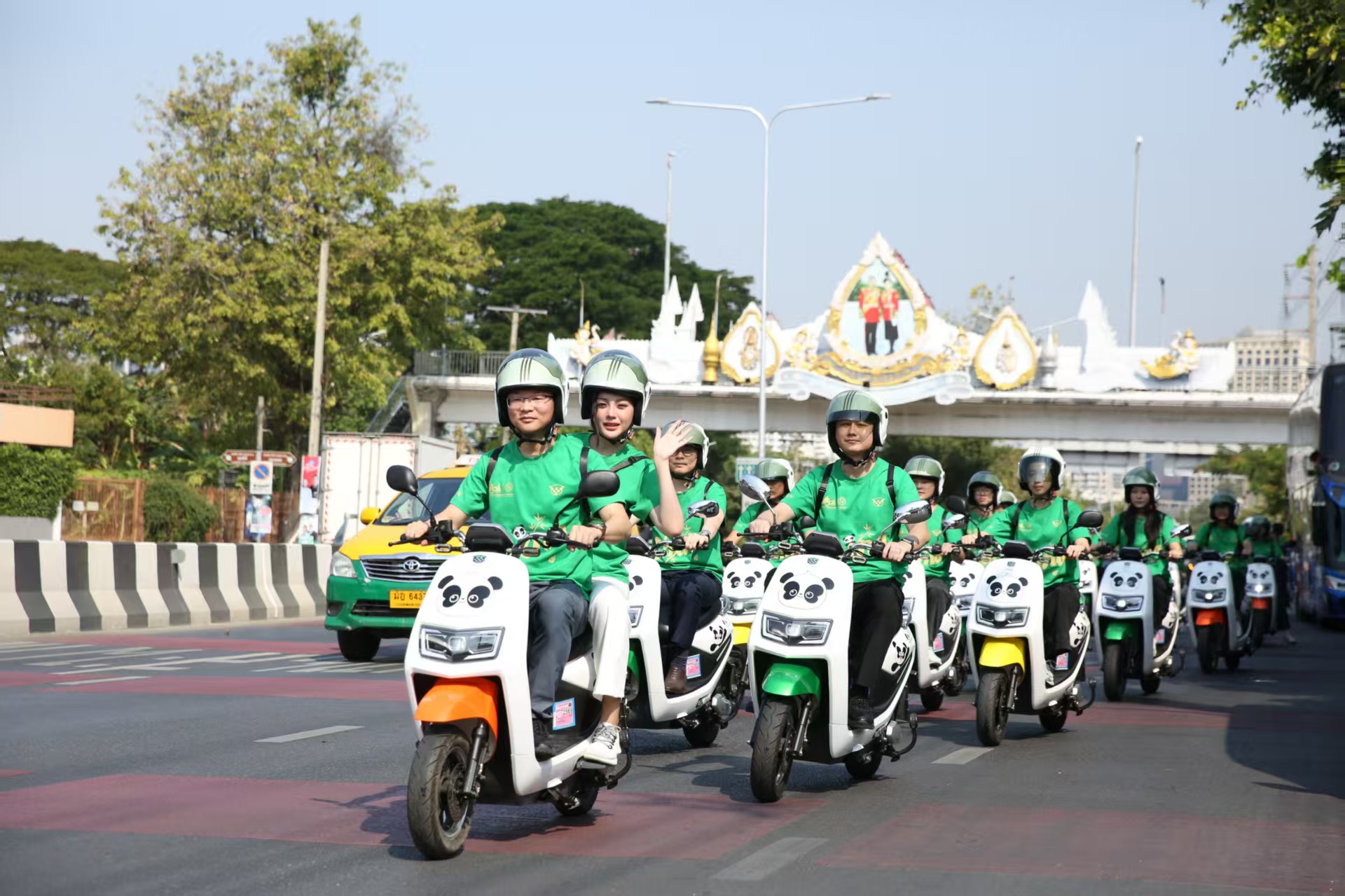
As part of the program, Luyuan Group co-launched the “Ride with Panda, Toward the Future Together” China–Thailand Youth Friendship Ride. Young participants from both countries rode Luyuan motorbike featuring the panda mascot “A Pu” through iconic Bangkok landmarks, symbolizing the vitality and enduring friendship between China and Thailand.
As an invited corporate representative, Luyuan Group donated a panda-themed motorbike to Dhurakij Pundit University, encouraging youth to document cultural and exchange stories through action. This appearance highlighted Luyuan’s commitment to social responsibility and cultural influence, while also showcasing the Group’s progress in accelerating global expansion through its brand LYVA. Currently, Luyuan’s business footprint spans over 80 countries and regions.
Looking ahead, Luyuan Group will continue to collaborate with global partners to explore new paths in green mobility and contribute to sustainable development worldwide.
In addition, the event also featured the “Gifts from China” exhibition, themed around the 50th anniversary of China–Thailand friendship. Organized with the support of the China National Arts and Crafts Society’s Pattern R&D Center, the Pattern Museum, and Qilin Co-creation, the exhibition brought together numerous Chinese heritage brands, attracting significant interest from young attendees from both countries.
Among the highlights was the debut of the “The Eight Horses of Contemporary Prosperitye” — a horse-themed pattern co-created by the Pattern Museum and artist ZHENG CHONG in celebration of the Year of the Horse — adding rich cultural depth to the event. Contemporary artworks by Xu Shanxun from Mogu Gallery, along with leading Chinese brands such as GELASIGE, Beyond Home Textiles, and Youji Jewelry, further embodied the vibrant reach of Chinese culture abroad.
Hashtag: #LuyuanGroup
The issuer is solely responsible for the content of this announcement.











-
 Feature/OPED6 years ago
Davos was Different this year
-
Travel/Tourism9 years ago
Lagos Seals Western Lodge Hotel In Ikorodu
-

 Showbiz3 years ago
Estranged Lover Releases Videos of Empress Njamah Bathing
-
 Banking8 years ago
Sort Codes of GTBank Branches in Nigeria
-

 Economy3 years ago
Subsidy Removal: CNG at N130 Per Litre Cheaper Than Petrol—IPMAN
-

 Banking3 years ago
Sort Codes of UBA Branches in Nigeria
-

 Banking3 years ago
First Bank Announces Planned Downtime
-

 Sports3 years ago
Highest Paid Nigerian Footballer – How Much Do Nigerian Footballers Earn