
Media OutReach
LiveSpo® NAVAX Nasal-Spray Probiotics: A New Approach in Supporting the Treatment of Rhinosinusitis and Otitis Media


The findings from the clinical study, conducted Thai Binh University of Medicine and Pharmacy in collaboration with other institutions, was published on January 27, 2025, in Scientific Reports-Nature, a renowned journal under the Nature Portfolio (UK). The results demonstrated significant effectiveness in children within just 3–7 days of use. Additionally, data also showed positive improvements in adults, highlighting the product’s potential for broader application in the future.
The study was carried out from November 2023 to December 2024 with the participation of 126 patients, including both children and adults. Among children with acute rhinosinusitis and perforated acute otitis media, the treatment results were particularly notable: after 3 days of using LiveSpo® NAVAX, nasal congestion decreased by 68%, twice as much as the saline group. After 7 days, 97% of the children had no more nasal discharge, and 100% had no more ear discharge. The concentration of pathogenic bacteria Streptococcus pneumoniae in nasal and ear secretions dropped more than 1,200 times. Importantly, no side effects were recorded during the entire trial – even in children with weakened immune systems.
In the adult group with acute sinusitis, symptoms such as nasal congestion, facial pain, and purulent discharge improved significantly after 3 days of use – with reductions of 53%, 78%, and 61%, respectively. After 7 days, 91% of patients no longer experienced nasal discharge. Laboratory results showed a substantial reduction in pathogenic bacteria: Streptococcus pneumoniae decreased over 380-fold and Haemophilus influenzae decreased over 49,000-fold compared to the Control group receiving physiological saline
According to the research team, the effectiveness of LiveSpo® NAVAX origins from its ability to modulate local inflammatory responses and enhance mucosal immunity through the competitive biological mechanism of spore-forming Bacillus probiotics. Inflammatory markers such as IL-6, IL-8, and TNF-α significantly decreased, while levels of IgA – a key protective antibody at the mucosal surface – increased, contributing to the restoration of the nose and ear’s natural defense barrier.
This study not only adds to the growing body of scientific evidence supporting LiveSpo® NAVAX’s efficacy in respiratory care but also affirms Vietnam’s biomedical research capabilities on the international scientific map. It paves the way for a safe, sustainable respiratory treatment alternative that reduces reliance on antibiotics – especially for vulnerable groups like children.
Dr. Nguyen Hoa Anh, Chairman and Founder of LiveSpo Pharma, shared:
“At LiveSpo, we prioritize the research and development of internationally standardized products, combining modern medicine with advanced probiotic technology to deliver safe and effective health solutions for the community – all with a vision of A Future Without Antibiotics.”
References:
Khieu TH, Le DP, Nguyen BT, Ngo BT, Chu HT, Truong DM, Nguyen HM, Nguyen AH, Pham TD, Van Nguyen AT. Alleviating symptoms of paediatric acute rhinosinusitis and acute otitis media with otorrhea using nasal-spraying Bacillus probiotics: a randomized controlled trial. Sci Rep. 2025 Jan 27;15(1):3410. doi: 10.1038/s41598-025-87372-2. PMID: 39870748; PMCID: PMC11772584.
Hashtag: #LiveSpo
The issuer is solely responsible for the content of this announcement.
About LiveSpo Pharma
LiveSpo is an R&D, manufacturing, and distribution brand of Clinically Proven Medical Probiotics, leading in breakthrough technology, rapid effectiveness, and convenience, aiming for “A Future Without Antibiotics”.
Our vision: In 2027, LiveSpo will have 1.5 million consumers who use Spore probiotics for digestive and respiratory health instead of antibiotics, with outstanding benefits and customer experiences. Established since 2010 by Dr. Nguyen Hoa Anh (Dr. ANH) and his colleagues, LiveSpo has remained steadfast in its belief that Live Probiotic Spores – Spobiotic – will pave the way to a future without antibiotics for everyone.
Hotline: 1800.088808
Website:  LiveSpo.com



Media OutReach
Hong Kong Gifts and Premium Fair and Home InStyle to Unveil Market Trends in April 2026
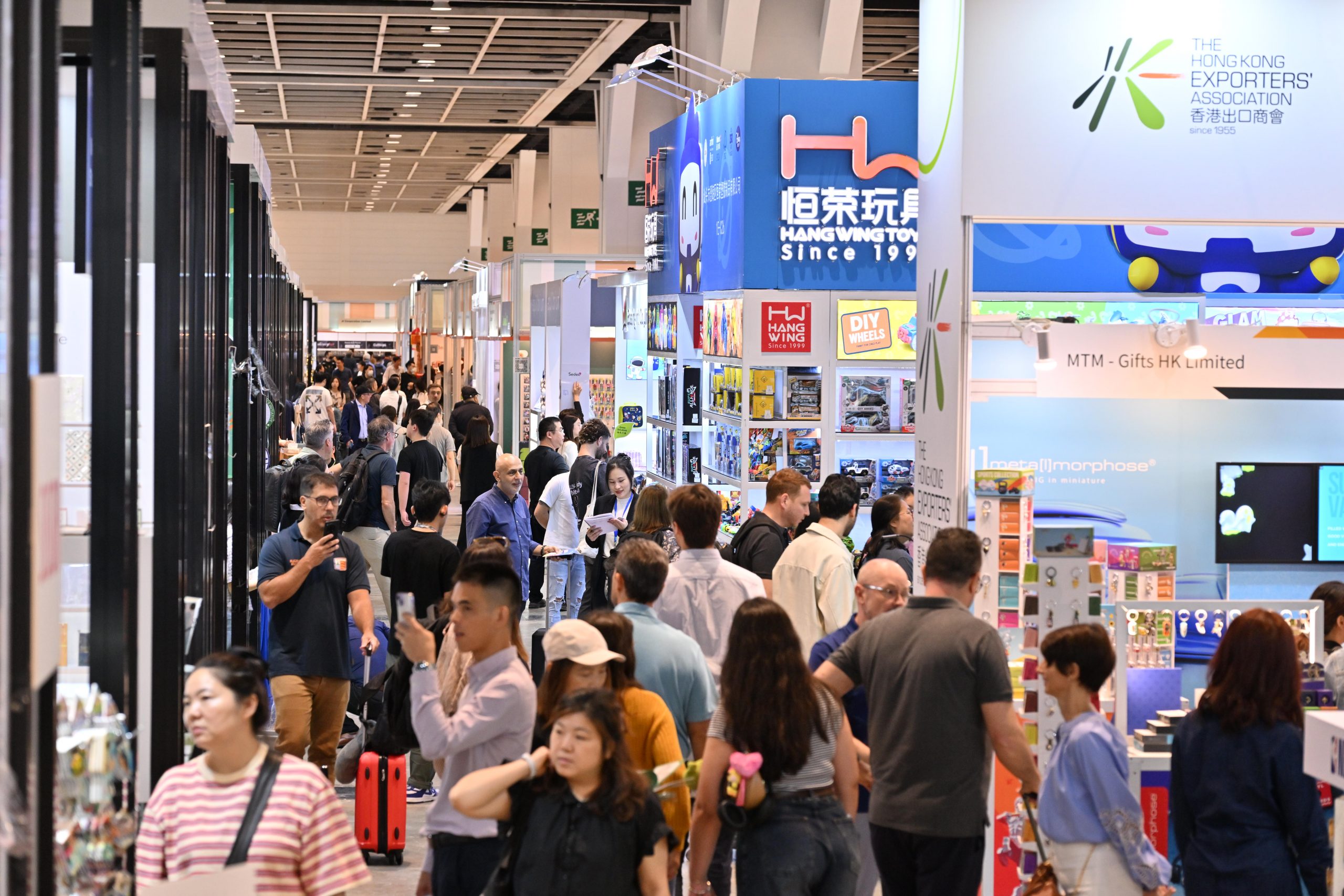
In 2026, the Hong Kong Gifts & Premium Fair will spotlight four key focuses – personalisation, sustainability, health & wellness, and culture & creativity – guiding buyers to discover products that reflect the latest market trends and consumer preferences.
The fair will once again feature the highly acclaimed Hall of Fine Designs, a convergence point of reputed brands. First time exhibitors include Alpha Art Gifts LLC (United Arab Emirates), known for its unique and high-quality gift solutions; Crown Decor Pvt Ltd (India), a leading manufacturer for premium laminates. And the distinguished Hong Kong brands Camel and RedA will continue showcase their products at the fair. In addition, the Shanxi Pavilion will make its debut at the Hong Kong Gifts & Premium Fair 2026. This year, the Zhejiang Pavilion, for the first time led by the Department of Commerce of Zhejiang Province, will bring a large number of exhibitors. Meanwhile, the Korea Pavilion and Busan Pavilion will return with even greater presence.
Furthermore, the Hong Kong Exporters’ Association will assemble Hong Kong companies to form a pavilion, showcasing the design skills and branding excellence of Hong Kong’s product designers. The Smart Design Global, organised by Hong Kong Exporters’ Association, will also showcase shortlisted entries and signature products from its participating companies at the Gifts & Premium Fair, leveraging the fair as a platform to promote Hong Kong original designs to international markets.
Running concurrently, Home InStyle will focus on new materials, culture & creativity, and gerontechnology for silver‑age living, aligning with emerging lifestyle and consumer trends. The fair completes the sourcing journey by fostering meaningful connections and spark fresh inspiration across the design and lifestyle community.
A key highlight remains the signature Cultural and Creative Avenue, which will showcase distinguished designs from around the world and welcome international brands that blend unique design concepts with cultural heritage. The fair’s collaboration with Pantone will be elevated, with the Colour of the Year 2026 “Cloud Dancer” prominently featured in this zone. Through trend-focused displays and real-life applications, visitors will see the colour brought to life, helping buyers and exhibitors visualise its use in contemporary home and lifestyle products.
Furthermore, funded by the Innovation and Technology Commission, Home InStyle will launch the Gerontech and Innovative Material Pavilion, where nearly 20 local enterprises will present a wide range of innovative technology products and solutions designed for senior living, while highlighting the application of new materials in home spaces.
“Adding to the fair’s design-led highlights, the 2nd MOTIFX – Embracing the Beauty of Chinese Culture exhibition, organised by the Hong Kong Design Institute (HKDI) under the Vocational Training Council (VTC) and sponsored by the Cultural and Creative Industries Development Agency (CCIDA), invites emerging designers to reinterpret traditional Chinese elements for contemporary contexts. The project seamlessly integrating historical components into modern objects, interiors, and lifestyle products while deepening new generations’ engagement with their cultural heritage.”
Home InStyle will also host a selection of international brands known for their craftsmanship and creativity. Highlights include vibrant hand-blown Bohemian glassware, handmade baskets and bags woven from wild grapevines alongside classic bamboo steamers, and licensed DC Comics illuminated signs.
Throughout the fairs, a series of seminars and forums will bring together leading industry experts to share forward-looking insights on key trends and future developments, from creative thinking and the silver economy to sustainability and beyond. These sessions are crafted to foster meaningful dialogue and equip attendees with the latest market intelligence. As a comprehensive one-stop sourcing platform, the fairs unlock exciting business opportunities and deliver a diverse, world-class selection of lifestyle products and services tailored to every buyer’s needs.
Digital platform creates efficient exhibition experience
Under the EXHIBITION+ model, the fairs integrate offline and online elements. Buyers can continue searching for products and services on the hktdc.com Sourcing platform and network through the Click2Match smart business-matching platform. During the physical fair, buyers can use the Scan2Match function of the HKTDC Marketplace App to scan exhibitors’ exclusive QR codes, bookmark favourite suppliers, browse product information and continue discussions with exhibitors online during or after the show.
One stop registration for HKTDC trade fairs:
https://tinyurl.com/yc8jvdpp
Hashtag: #HKTDC #GiftsFair #HongKong #TradeFair #Innovation #sustainable
 https://www.hktdc.com/event/hkgiftspremiumfair/en
The issuer is solely responsible for the content of this announcement.


The Department of Trade and Industry of the Philippines, together with the Foreign, Commonwealth and Development Office, the British Council and the ASEAN Secretariat, convened over 270 leaders, policymakers, creatives, and investors from ASEAN and the United Kingdom in Manila for the ASEAN–UK Creative Economy Symposium 2026, reinforcing the region’s push to harness the creative economy as a key driver of growth, innovation, and cultural identity.
Deputy Secretary-General of ASEAN for ASEAN Economic Community (AEC), Satvinder Singh, said:
“ASEAN is well-positioned to harness the full potential of the creative economy. Six out of eleven ASEAN Member States now rank among the top 70 globally in the WIPO Global Innovation Index’s creative outputs dimension. ASEAN recognises that intangible assets, such as intellectual property, brands, and design as the currencies of modern creative economy. The ideas, expressions, and innovations our creators produce must be protected, valued, and commercialised.”
UK Ambassador to ASEAN, Helen Fazey, said:
“The UK and ASEAN are advancing together through trust, cooperation, and shared priorities. This partnership reflects a strong and growing relationship built on mutual respect and a shared ambition to support sustainable economic growth, innovation, and opportunity across the region. Through initiatives like the ASEAN–UK Advancing Creative Economy programme, we are deepening collaboration, strengthening people-to-people links, and supporting the development of vibrant and resilient creative sectors.”
ASEAN-focused research highlights pathways for growth in the creative economy
New research under the ASEAN–UK Advancing Creative Economy initiative is providing critical insights into the evolution and economic potential of cultural industries across the region.
Arts and Technologies in ASEAN: Interconnected Parts, commissioned by the British Council, examines the fast-growing creative technology landscape across ASEAN. Drawing on more than 60 interviews and case studies, the report explores how artists are using digital tools—from AI to immersive media—while also analysing the regulatory environments shaping innovation. It highlights both the dynamism of the sector and the need for stronger support systems to sustain growth.
Complementing this, the Regional Perception Poll on the ASEAN Creative Economy offers a comprehensive view of how the sector is understood across the region. Based on insights from over 4,000 respondents, including both producers and audiences, the study highlights the interconnected nature of creative ecosystems and the relationships between artists, industries, policymakers, and communities. Its findings underscore the need for tailored, context-specific strategies and stronger regional collaboration to unlock further growth.
Together, these research outputs provide valuable evidence to inform policy, guide investment, and strengthen UK–ASEAN partnerships.Building on this work, a new ASEAN festival research and mapping initiative is underway, expanding earlier studies to provide a more comprehensive understanding of the region’s diverse festival landscape and identify opportunities for future collaboration.
Country Director Indonesia and Director South East Asia, Summer Xia, said:
“Through the ASEAN–UK Advancing Creative Economy initiative, we are investing in the research, skills, and partnerships needed to support long-term growth in the creative sector. The symposium in Manila was an important opportunity to share these resources and ensure they are shaped by and for the region. By working closely with the Foreign, Commonwealth and Development Office and the ASEAN Secretariat, we are helping to build a stronger, more connected creative economy across ASEAN countries.”
Underscoring the broader vision of the initiative, Deputy Secretary-General of ASEAN for ASEAN Socio-Cultural Community (ASCC) San Lwin has reaffirmed, in separate engagements, that the ASEAN-UK Advancing Creative Economy programme maximises the region’s creative potential to fuel socio-economic growth and cultural exchange. He reiterated the shared commitment to leveraging innovation and creativity as key connectors to drive prosperity, deepen cultural unity, advance social equity, and promote sustainable, inclusive development in order to forge an “ASEAN Community of Opportunities for All.”
Learn more at: ASEAN Creative Economy Initiative
Hashtag: #BritishCouncil
The issuer is solely responsible for the content of this announcement.
About the British Council
The British Council is the UK’s international culture and education organisation. We support peace and prosperity by building connections, understanding and trust between people in the UK and countries worldwide. We do this through our work in arts and culture, education and the English language. We work with people in over 200 countries and territories. In 2024–25, we reached 600 million people.
www.britishcouncil.org

Media OutReach
Bangkok Unveils “KUDTHAI” Cultural Showcase in Emerging Songwat District During Songkran

Presented in collaboration with the Tourism Authority of Thailand, the initiative reflects a growing effort to spotlight Thailand’s cultural identity through contemporary retail and experiential tourism.
“KUDTHAI” — derived from the Thai word “Kud,” meaning “to carefully select” — brings together a refined selection of Thai brands, artisans, and culinary talents, highlighting craftsmanship, local wisdom, and modern design for both local and international audiences.
The inaugural “Song Wat KUDTHAI 2026,” taking place from April 9–12 at Lost in Songwat, marks the first time The Mall Group extends its retail experience beyond its flagship developments into one of Bangkok’s most talked-about neighborhoods. Once a historic trading hub along the Chao Phraya River, Songwat is now re-emerging as a vibrant cultural enclave attracting a new generation of creatives and global travelers.
Extending this experience into the city’s premier retail destinations, “KUDTHAI 2026” will also be held from April 8–19, 2026 across the EM District — Emporium, EmQuartier, and Emsphere — creating a connected journey between Bangkok’s emerging cultural quarters and its established lifestyle hubs.
This multi-location approach reflects a broader shift in how visitors experience Bangkok — moving fluidly between heritage neighborhoods and contemporary retail environments.
While Songkran remains one of Thailand’s most globally recognized celebrations, “KUDTHAI 2026” offers an alternative lens — focusing on curated cultural discovery through design, gastronomy, and local creativity.
At the EM District, the “EM District Thai Hansa Maha Songkran: A Summer of Thai Celebration” from April 10–15, 2026 further enhances the experience with immersive installations, signature water attractions, and themed markets including THAI-POP MARKET at Emporium, THAI LOCAL MARKET at EmQuartier, and THAI-TAINMENT MARKET at Emsphere.
A highlight includes “Little Song Wat,” bringing culinary names from the historic Songwat community into the heart of the city, reinforcing the connection between Bangkok’s evolving cultural districts and its modern retail landscape.
Together, these activations position Bangkok as more than a festive destination during Songkran — but also as a city redefining how tradition is experienced through innovation, culture, and commerce.
Hashtag: #KudThai2026 #SongwatKudThai #FriendsOfSongwat #bangkoksongkarn #Bangkokshopping #TheMall #EMDISTRICT
 http://www.emdistrict.com/
The issuer is solely responsible for the content of this announcement.

-
 Feature/OPED6 years ago
Davos was Different this year
-
Travel/Tourism10 years ago
Lagos Seals Western Lodge Hotel In Ikorodu
-

 Showbiz3 years ago
Estranged Lover Releases Videos of Empress Njamah Bathing
-
 Banking8 years ago
Sort Codes of GTBank Branches in Nigeria
-

 Economy3 years ago
Subsidy Removal: CNG at N130 Per Litre Cheaper Than Petrol—IPMAN
-

 Banking3 years ago
Sort Codes of UBA Branches in Nigeria
-

 Banking3 years ago
First Bank Announces Planned Downtime
-

 Sports3 years ago
Highest Paid Nigerian Footballer – How Much Do Nigerian Footballers Earn