
Media OutReach
Southeast Asia Navigates U.S. Tariffs: An Octa Broker Analysis

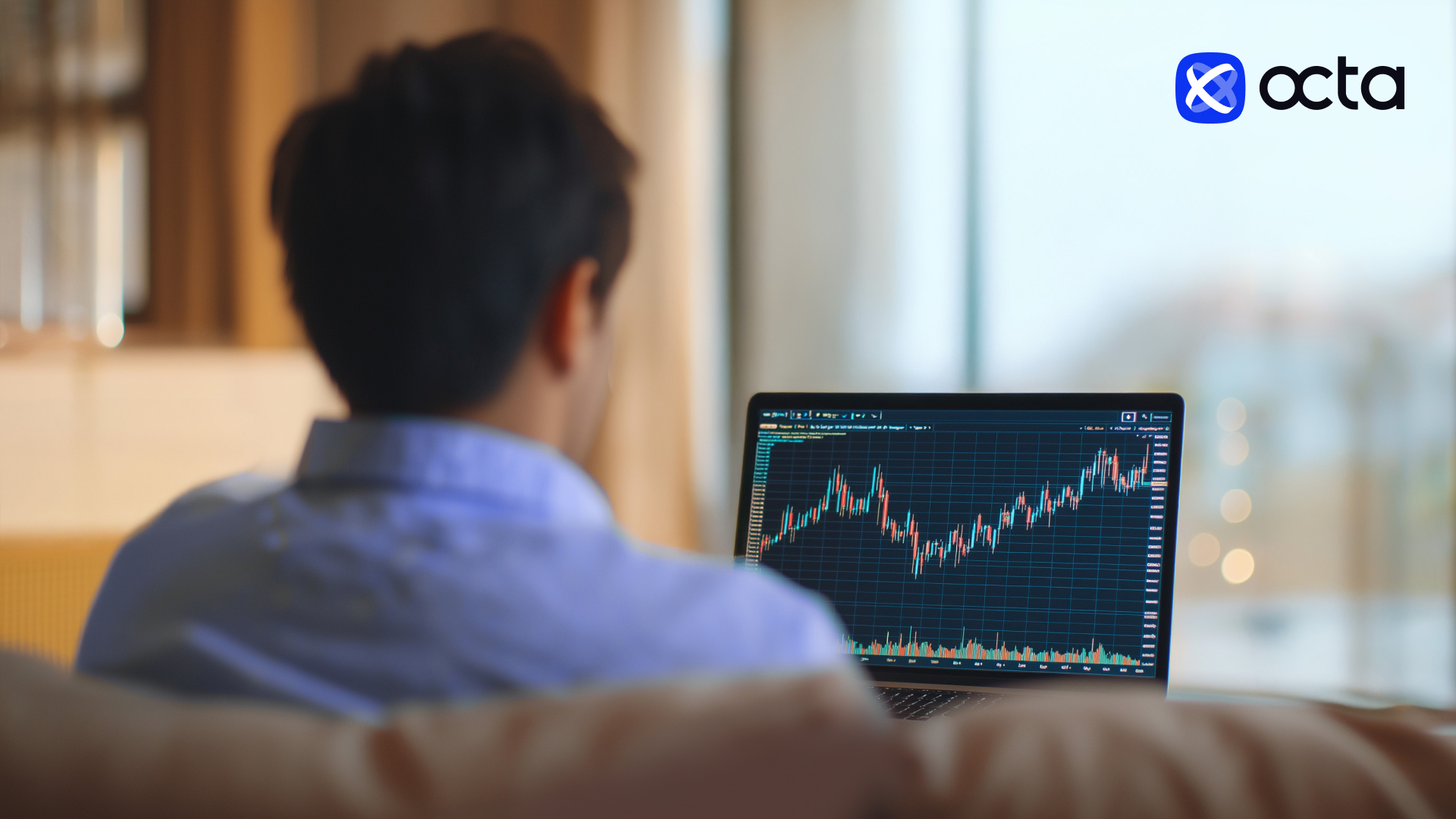
Ever since Donald Trump became the 47th President of the United States (U.S.), the markets have grown increasingly concerned about the health of the world economy. Specifically, the outlook for the international trade order became uncertain as Trump’s 2024 election platform included expansive claims about new tariffs. Indeed, on 2 April, 2025, Trump unveiled his long-promised ‘reciprocal’ tariffs strategy, essentially imposing hefty import duties on more than a hundred of countries. However, less than a week after revealing his reciprocal tariffs, Trump adjusted his policy, declaring that countries that had not retaliated would receive a reprieve until July and would only face a blanket US tariff of 10%. At the same time, the tariffs on China were increased even further.
The principal idea behind Trump’s aggressive trade policy is that higher import costs would encourage global manufacturers to re-locate production into the U.S., while also pressuring other nations to buy more U.S. goods, thereby correcting the U.S.’s massive trade deficit. Thus, counties that run large trade surpluses with the U.S. have most to fear and most to lose from these tariffs. Many of these countries are located in South and Southeast Asia (see the table below). For these countries, Trump’s decision to pause the reciprocal tariffs for 90 days has offered a critical window for negotiation.
| Trade balance with the U.S. (million USD) | Share of U.S. imports | After reciprocal tariffs imposed | Total until July | |
| Cambodia | 9,652 | <1% | 49% | 10% |
| China | 359,850 | 13.4% | 34% | negotiations still ongoing |
| India | 42,931 | 2.7% | 26% | 10% |
| Indonesia | 12,638 | <1% | 32% | 10% |
| Laos | -109 | <1% | 48% | 10% |
| Malaysia | 15,744 | 1.6% | 24% | 10% |
| Myanmar | 361 | <1% | 44% | 10% |
| Philippines | 3,276 | <1% | 17% | 10% |
| Singapore | -11,850 | 1.3% | 10% | 10% |
| Thailand | 35,045 | 1.9% | 36% | 10% |
| Vietnam | 103,392 | 4.2% | 46% | 10% |
Source: International Monetary Fund, White House
The negotiations between the U.S. with China commenced and have already yielded some positive results. There is hope among other Asian states that similar productive discussions and agreements to mitigate the impact of the proposed tariffs can follow. The coming weeks are crucial as countries navigate the negotiation period before the 90-day pause expires, seeking to secure more favorable trade conditions with the U.S.
China is a central focus of the U.S. trade policy. In 2024, the total value of goods traded between two countries was approximately $582.4 billion. The U.S. relies heavily on Chinese imports of electronic equipment and machinery, while China primarily imports U.S. mineral fuels, oil seeds, electrical machinery and mechanical appliances. However, the trade balance significantly favors China, which recorded a $360 billion surplus with the U.S. in 2024, according to IMF data.
Last Monday, Donald Trump announced a broad trade deal with Beijing that lowered import taxes on all Chinese goods from 145% to 30%. China, in turn, lowered its tariffs on U.S. imports from 125% to 10%. The reductions will hold for the next 90 days, while the two countries negotiate a longer-term deal. A few days later, the U.S. cut the so-called ‘de minimis’ tariff for low-value shipments from China to as low as 30%. Meanwhile, the Chinese Commerce Ministry said it had paused some non-tariff measures taken against 17 U.S. entities put on its unreliable entity list in April and 28 U.S. entities on its export control list.
‘A full-blown trade war between the world’s two largest economies would have been disastrous for the global market. Thankfully, the officials agreed to de-escalate it quickly. However, we are still not out of the woods yet’, says Kar Yong Ang, a financial market analyst at Octa Broker, adding that a long-term trade agreement between China and the U.S. is yet to be finalized and that markets are being a bit too optimistic right now. ‘Let’s not forget that Trump tried to renegotiate a trade deal with China during his 1st term, but the talks failed in 2019 despite the fact that there was agreement in principle. And I personally believe that the markets are a bit too optimistic about the prospects for a grand deal this time’.
Indeed, U.S. equity indices have recovered swiftly following the decision to de-escalate, but the rally may not last. ‘It would not take much for the bearish sentiment to reemerge. Although tariffs have been lowered, the existing tariffs are still doing damage to the global economy. U.S. inflation is likely to pick up in the months ahead and that would prevent the Federal Reserve (Fed) from delivering on anticipated rate cuts, which may trigger a major selloff in equities’, comments Kar Yong Ang. Either way, other Asian countries are monitoring the progress carefully and are also engaged in active discussions with the U.S. officials.
Vietnam faces duties of 46% on its exports to the U.S. if a reduction cannot be negotiated before a global moratorium expires in July. As a major export-reliant industrial hub, to where numerous companies have relocated (not least in order to lower their exposure to China), Vietnam runs the second-largest trade surplus with the U.S. among Asian countries. It is, therefore, unsurprising, that the two countries began informal talks to avoid tariffs well before Trump announced global reciprocal duties on 2 April. Among the issues discussed are the reduction of Vietnam’s big trade surplus, the fight against trade fraud such as illegal transshipments, the lowering of tariff and non-tariff barriers for U.S. businesses and enhanced protection of intellectual property, including the fight against counterfeits and digital piracy.
‘Vietnam stands to lose a lot should trade talks fail. Companies like Apple, Nike, and Samsung Electronics have large manufacturing operations in the country and may consider leaving altogether if a 46% duty is introduced. I think Vietnamese authorities will do their best to achieve a trade deal with the U.S.’, commented Kar Yong Ang.
Indeed, just a few days ago, Vietnam News Agency reported that Vietnamese Prime Minister Pham Minh Chinh ordered a one-month intensive campaign to crack down on smuggling, trade fraud and counterfeit goods. Previously, the news surfaced that the Trump Organization was partnering with Vietnam on potential investments in hotel, real estate and golf course projects possibly worth billions of dollars.
According to the WorldBank, the U.S. is Vietnam’s largest export market with a share of at least 30% and more than $110 billion worth of shipments.
Thailand faces duties of 36% on its exports to the U.S. According to the Bangkok Post, Thai government had said that it would increase imports of U.S. goods, such as corn, soybean meal, crude, ethane, liquified natural gas, autos and electronics to reduce its bilateral trade surplus. In addition, the government submitted a separate trade proposal to the U.S., which included 5 to 6 key points. Last Monday, the head of Thailand Trade Representatives met with U.S. senators, congressional leaders, and major American companies, in a bid to reaffirm Thailand’s role as a key investor in the country and explore joint Thai-U.S. manufacturing.
‘Thailand has clearly taken the trade matters quite seriously despite its relatively small trade surplus. There are good chances that a final agreement could be reached before global pause expires in July’, commented Kar Yong Ang.
According to the WorldBank, the U.S. is Thailand’s largest export market with a share of at least 16% and more than $50 billion worth of shipments.
Malaysia faces duties of 24% on its exports to the U.S. However, Tengku Zafrul Aziz, Malaysia’s Minister of Investment, Trade, and Industry, recently said that he was ‘optimistic‘ for a trade agreement with the U.S. within a 90-day period. He visited the U.S. at the end of April and was fully committed to resolving the differences. ‘All communication lines remain open and we will continue to work towards an amicable solution to this reciprocal tariff matter’, Tengku Zafrul Aziz said.
‘It seems like the Forex market shares the trade minister’s optimism. The Malaysian ringgit has been strengthening lately. USDMYR may potentially drop below 4.240 if a trade deal is struck’, commented Kar Yong Ang.
According to the WorldBank, United States is Malaysia’s third largest export market with a share of at least 11% and more than $40 billion worth of shipments.
Indonesia plans to “narrow” or even eliminate its trade surplus with the U.S. by importing more agricultural products such as wheat, soybeans and corn from the U.S. Overall, Indonesia’s reaction to Trump tariffs has been rather muted probably because exports to the U.S. account for just around 2% of Indonesia’s Gross Domestic Product (GDP). Moreover, Indonesia’s exports are relatively well diversified and although the U. S. is an important export destination, its share is relatively minor.
According to the WorldBank, the U.S. is Indonesia’s second largest export market with a share of at least 10% and more than $30 billion worth of shipments.
On balance, Asian nations find themselves in a crucial period, actively negotiating with the U.S. to mitigate the impact of potential tariffs. While the progress achieved during the U.S.-China talks offers some hope, the diverse situations and negotiating stances of countries like Vietnam, India, Thailand, Malaysia, and Indonesia highlight the complexity of reaching widespread agreements. As Octa Broker analysts suggest, the optimism surrounding these trade discussions should be tempered with the understanding that lasting resolutions remain uncertain, and market reactions may be premature.
___
Disclaimer: This content is for general informational purposes only and does not constitute investment advice, a recommendation, or an offer to engage in any investment activity. It does not take into account your investment objectives, financial situation, or individual needs. Any action you take based on this content is at your sole discretion and risk. Octa and its affiliates accept no liability for any losses or consequences resulting from reliance on this material.
Trading involves risks and may not be suitable for all investors. Use your expertise wisely and evaluate all associated risks before making an investment decision. Past performance is not a reliable indicator of future results.
Availability of products and services may vary by jurisdiction. Please ensure compliance with your local laws before accessing them.
Hashtag: #Octa
The issuer is solely responsible for the content of this announcement.
Octa
 Octa is an international CFD broker that has been providing online trading services worldwide since 2011. It offers commission-free access to financial markets and various services used by clients from 180 countries who have opened more than 52 million trading accounts. To help its clients reach their investment goals, Octa offers free educational webinars, articles, and analytical tools.
The company is involved in a comprehensive network of charitable and humanitarian initiatives, including improving educational infrastructure and funding short-notice relief projects to support local communities.
In Southeast Asia, Octa received the ‘Best Trading Platform Malaysia 2024’ and the ‘Most Reliable Broker Asia 2023’ awards from Brands and Business Magazine and International Global Forex Awards, respectively.




Launched in 2015, SkillsFuture is a national movement that supports Singaporeans in developing skills throughout different stages of their careers. Through subsidies administered by SkillsFuture Singapore (SSG), individuals may receive government funding when enrolling in approved courses offered by recognised training providers and Continuing Education and Training centres. Eligible Singapore Citizens and Permanent Residents may receive subsidies of up to 70 per cent of course fees. These subsidies are applied directly to the course fees, allowing learners to pay the nett amount after government funding has been deducted. This significantly lowers the overall cost of professional training.
Additional support is available for mid-career Singaporeans. Under the SkillsFuture Mid-Career Enhanced Subsidy (MCES), Singapore Citizens aged 40 and above may receive subsidies of up to 90 per cent of course fees for approved courses offered by recognised training providers and Continuing Education and Training centres. For illustration, a professional development course priced at S$3,000 before GST may cost approximately S$900 after a subsidy of up to 70 per cent is applied. Eligible Singapore Citizens aged 40 and above who qualify for the MCES could pay about S$300 for the same course after government funding.
Learners may further offset remaining fees through SkillsFuture Credit, which is available to Singapore Citizens aged 25 and above and can be used for eligible courses listed on the MySkillsFuture portal. Employer-sponsored training programmes may also benefit from workforce development schemes that further reduce training costs.
Institutions such as SIM Academy provide professional development programmes that support working professionals in upgrading their capabilities. SIM Academy offers a range of short courses aligned with industry needs, including programmes in leadership, AI, sustainability, project management, organisation design and soft skills. Several of these programmes are eligible for SkillsFuture funding and SkillsFuture Credit.
SkillsFuture funding schemes continue to support Singapore’s workforce transformation by making training more accessible. With government support and industry-aligned programmes offered by training providers such as SIM Academy, working professionals have greater opportunities to strengthen their capabilities and adapt to evolving job demands.
References:
- SkillsFuture Singapore. Funding for Individuals – https://www.ssg.gov.sg/funding-and-levy/funding-for-individuals/
- SkillsFuture Singapore. About SkillsFuture – https://www.skillsfuture.gov.sg/aboutskillsfuture
- SkillsFuture Course Fee Funding and Subsidies – https://www.myskillsfuture.gov.sg/content/portal/en/career-resources/career-resources/education-career-personal-development/SkillsFuture_Funding.html
- MySkillsFuture. SkillsFuture Credit – https://www.myskillsfuture.gov.sg/content/portal/en/header/credit.html
- SIM Academy. SkillsFuture Courses Offered by SIM Academy – https://www.sim.edu.sg/professional-development/courses/skillsfuture-courses
Hashtag: #SIMAcademy #SIMA
The issuer is solely responsible for the content of this announcement.
About SIM Academy
SIM Academy provides leading-edge professional development and enterprise solutions. SIM Academy offers over 300 executive and business programmes that help almost 10,000 professionals annually on average hone their competencies to drive business value and achieve peak personal and enterprise performance.
Our programmes encompass a comprehensive range of lifelong learning opportunities designed to empower professionals with the knowledge, skills, and competencies necessary to become effective change-makers and leaders in today’s volatile and uncertain business landscape.
For more information on SIM Academy, visit sim.edu.sg


Launched in 2015, SkillsFuture is a national movement that supports Singaporeans in developing skills throughout different stages of their careers. Through subsidies administered by SkillsFuture Singapore (SSG), individuals may receive government funding when enrolling in approved courses offered by recognised training providers and Continuing Education and Training centres. Eligible Singapore Citizens and Permanent Residents may receive subsidies of up to 70 per cent of course fees. These subsidies are applied directly to the course fees, allowing learners to pay the nett amount after government funding has been deducted. This significantly lowers the overall cost of professional training.
Additional support is available for mid-career Singaporeans. Under the SkillsFuture Mid-Career Enhanced Subsidy (MCES), Singapore Citizens aged 40 and above may receive subsidies of up to 90 per cent of course fees for approved courses offered by recognised training providers and Continuing Education and Training centres. For illustration, a professional development course priced at S$3,000 before GST may cost approximately S$900 after a subsidy of up to 70 per cent is applied. Eligible Singapore Citizens aged 40 and above who qualify for the MCES could pay about S$300 for the same course after government funding.
Learners may further offset remaining fees through SkillsFuture Credit, which is available to Singapore Citizens aged 25 and above and can be used for eligible courses listed on the MySkillsFuture portal. Employer-sponsored training programmes may also benefit from workforce development schemes that further reduce training costs.
Institutions such as SIM Academy provide professional development programmes that support working professionals in upgrading their capabilities. SIM Academy offers a range of short courses aligned with industry needs, including programmes in leadership, AI, sustainability, project management, organisation design and soft skills. Several of these programmes are eligible for SkillsFuture funding and SkillsFuture Credit.
SkillsFuture funding schemes continue to support Singapore’s workforce transformation by making training more accessible. With government support and industry-aligned programmes offered by training providers such as SIM Academy, working professionals have greater opportunities to strengthen their capabilities and adapt to evolving job demands.
References:
- SkillsFuture Singapore. Funding for Individuals – https://www.ssg.gov.sg/funding-and-levy/funding-for-individuals/
- SkillsFuture Singapore. About SkillsFuture – https://www.skillsfuture.gov.sg/aboutskillsfuture
- SkillsFuture Course Fee Funding and Subsidies – https://www.myskillsfuture.gov.sg/content/portal/en/career-resources/career-resources/education-career-personal-development/SkillsFuture_Funding.html
- MySkillsFuture. SkillsFuture Credit – https://www.myskillsfuture.gov.sg/content/portal/en/header/credit.html
- SIM Academy. SkillsFuture Courses Offered by SIM Academy – https://www.sim.edu.sg/professional-development/courses/skillsfuture-courses
Hashtag: #SIMAcademy #SIMA
The issuer is solely responsible for the content of this announcement.
About SIM Academy
SIM Academy provides leading-edge professional development and enterprise solutions. SIM Academy offers over 300 executive and business programmes that help almost 10,000 professionals annually on average hone their competencies to drive business value and achieve peak personal and enterprise performance.
Our programmes encompass a comprehensive range of lifelong learning opportunities designed to empower professionals with the knowledge, skills, and competencies necessary to become effective change-makers and leaders in today’s volatile and uncertain business landscape.
For more information on SIM Academy, visit sim.edu.sg
Media OutReach
Comprehensive Support for International Students to Bolster Hong Kong’s Talent Attraction and Retention
ManpowerGroup Greater China and Beacon Group Partner with FGA Trust and Payment Asia to Launch “Talent in HK” Program
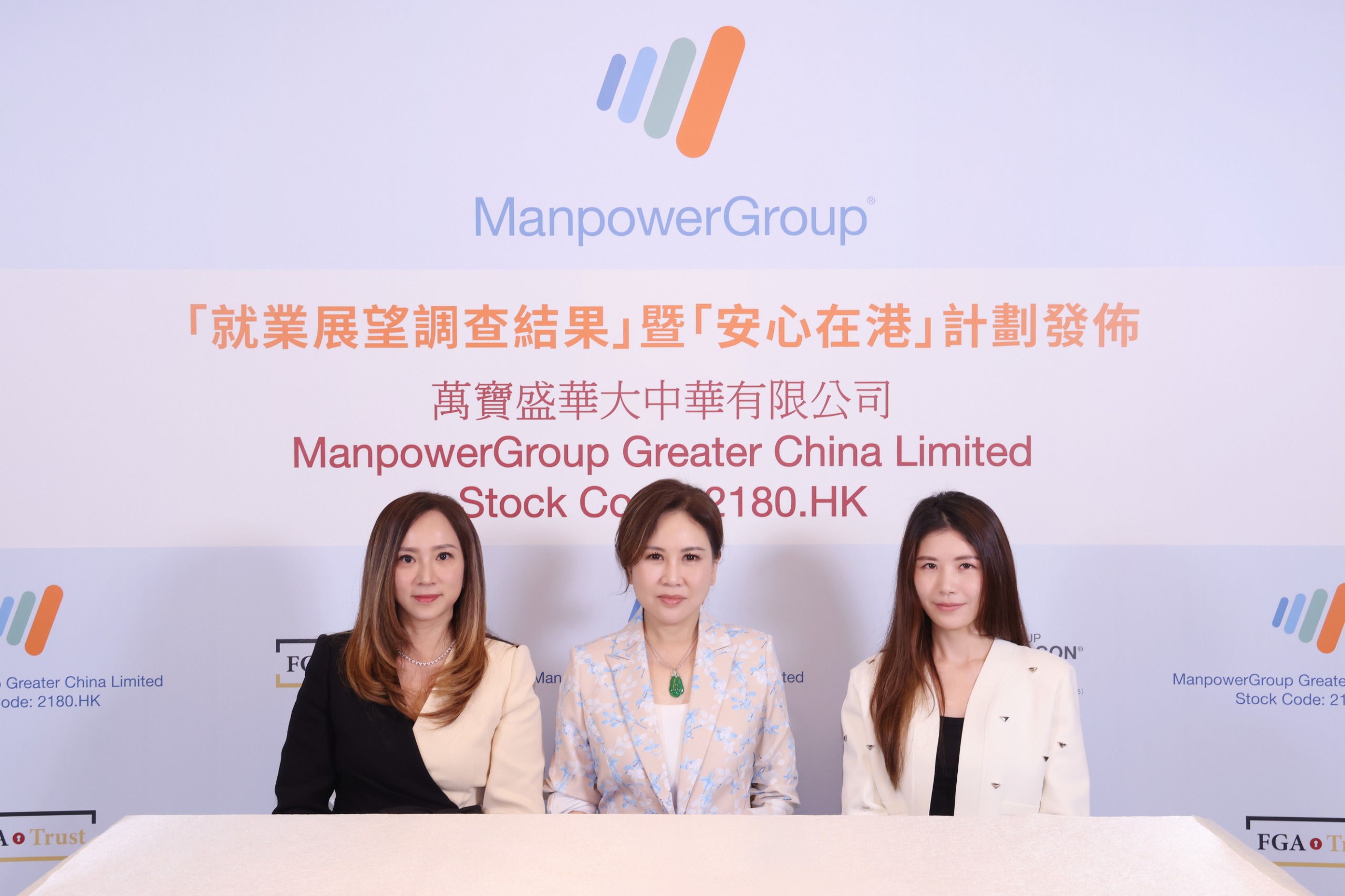
HONG KONG SAR – Media OutReach Newswire – 25 March 2026 – ManpowerGroup Greater China Limited (Stock Code: 2180.HK), a leading global workforce solutions provider, and Beacon Group (parent company BExcellent Group Holdings Limited, listed on the Main Board of the HKEX, Stock Code: 1775.HK), a renowned Hong Kong educational institution, today announced the joint launch of the “Talent in HK” Youth and Family Life Service Security Program.
This forward-looking initiative is supported by Payment Asia, a leading payment platform in Hong Kong, providing streamlined payment channels. FGA Trust will serve as the third-party custodian. The program aims to establish an institutionalized, transparent, and collaborative ecosystem, providing end-to-end protection from education and academic support to life services and career consultancy, while injecting long-term momentum into Hong Kong’s strategy to attract and retain international talent.
As Hong Kong continues to attract top-tier students globally, many non-local students face challenges adapting to a new cultural environment upon arrival. Recently, there has been a rising trend in crimes targeting this demographic, including scams involving impersonation of government or academic institutions, as well as telecommunications and online fraud. These incidents pose substantial threats to talents’ personal and financial security, causing significant concern for their families.
In response to these social concerns and to reinforce the comprehensive security net for international students, ManpowerGroup, Beacon Group, and FGA Trust have initiated this program to provide stable, orderly support and ensure the long-term residency of talent in Hong Kong.
Holistic Talent Services: Strengthening Hong Kong’s Foundation as an International Hub
The “Talent in HK” program offers comprehensive life services for students and their families. Beacon Group will provide a long-term study plan spanning three to five years, including customized education, admissions services, profile enhancement, and application support. Simultaneously, ManpowerGroup will facilitate internships, visa arrangements, and long-term career development services.
Once a student receives an admission offer, parents can inject tuition and living expenses through Payment Asia’s official channels into a dedicated project account monitored by FGA Trust. This ensures financial security and the precise disbursement of funds. The entire process will be followed by an audit report, ensuring a smooth transition from campus to the workplace. The program’s website is expected to go live around mid-April this year, with official applications opening in May.
In an era of intensifying global competition for higher education and talent, Hong Kong remains a pivotal international financial and educational hub. Non-local students are not only a vital component of the education system but also a driving force for cross-cultural exchange and future professional talent. They are estimated to contribute over HK$10 billion in tuition fees annually, serving as a significant pillar of the local economy.
Multi-Party Collaboration: A New Paradigm for Talent Services
The core strength of the program lies in its innovative collaborative model, bringing together industry leaders:
- ManpowerGroup Greater China (2180.HK): As the exclusive career development partner of the project, ManpowerGroup will leverage its extensive network and expertise to provide career planning, internship matching, and employment guidance, bridging the gap between graduation and professional life, and help students to have a smooth transition from academies to careers.
- Beacon Group (parent company BExcellent Group Holdings Limited 1775.HK): As one of the initiators of the project with 37 years of experience in the education sector, Beacon Group will provide personalized academic consulting and profile enhancement, provide better guidance and adaptation for candidates to pursuit their study in Hong Kong. Its deep roots in the education sector help families navigate educational choices and avoid scams or unnecessary hurdles.
- FGA Trust (TCSP license: TC008341): As the structural architect and asset trustee, FGA Trust will establish a specialized trust framework with individual sub-accounts for each student. This ensures funds for tuition, housing, and living expenses are managed with clear traceability, mitigating risks of fraud or improper spending.
- Payment Asia: As the primary channel partner, Payment Asia provides secure and compliant collection channels, ensuring the seamless transfer of funds into the program’s dedicated accounts.
Long-Term Vision: Supporting Urban Competitiveness
Studying abroad is the starting point for talent development in Hong Kong. Proactive financial arrangements reduce uncertainty during status transitions and life settlement, increasing the willingness of talent to remain in the city long-term. Data suggests that initiatives like the Top Talent Pass Scheme (TTPS) continue to drive local consumption, with rents for small-to-medium residential units expected to rise by 5% this year.
Ms. Lancy Chui, Senior Vice President of ManpowerGroup Greater China, stated: “We understand the strong desire of non-local graduates to work in Hong Kong. By providing proactive career planning and internship arrangements, we can reduce uncertainty during their transition into the local workforce, helping them settle and contribute to Hong Kong’s market.”
Ms. June Leung, Founder of Beacon Group, noted: “Talent cultivation requires long-term education. We are delighted to initiate this program, integrating academic support with life security and career development to provide a comprehensive, forward-looking environment for talent growth.”
Ms. Helen Chen, Chief Strategy Officer of FGA Trust, added: “Protecting the financial security and well-being of international students is both a social responsibility and a key to consolidating Hong Kong’s status as an international education hub. This program ensures a seamless transition from study to employment, transforming international talent into a long-term driver for Hong Kong’s development.”
The launch of “Talent in HK” marks a significant step from fragmented support to a comprehensive ecosystem. Through institutional innovation and cross-sector collaboration, the program aims to provide a safe harbor for international students and their families, contributing to Hong Kong’s goal of becoming a global talent hub.
Hashtag: #FGA #Trust #Talent #Career
 https://www.linkedin.com/company/fga-trust/
The issuer is solely responsible for the content of this announcement.
FGA Trust
FGA Trust (TCSP License No. TC008341) is a premier trust and fiduciary services provider headquartered in Hong Kong, offering comprehensive wealth solutions to an international clientele. We specialize in trustee services, all-asset custody, and strategic financial planning. This core expertise is uniquely enhanced by our integrated lifestyle management, delivering a truly holistic approach to wealth preservation and growth.










-
 Feature/OPED6 years ago
Davos was Different this year
-
Travel/Tourism10 years ago
Lagos Seals Western Lodge Hotel In Ikorodu
-

 Showbiz3 years ago
Estranged Lover Releases Videos of Empress Njamah Bathing
-
 Banking8 years ago
Sort Codes of GTBank Branches in Nigeria
-

 Economy3 years ago
Subsidy Removal: CNG at N130 Per Litre Cheaper Than Petrol—IPMAN
-

 Banking3 years ago
Sort Codes of UBA Branches in Nigeria
-

 Banking3 years ago
First Bank Announces Planned Downtime
-

 Sports3 years ago
Highest Paid Nigerian Footballer – How Much Do Nigerian Footballers Earn