
Media OutReach
The 15th Shanghai Biennale Opens – Does the flower hear the bee?

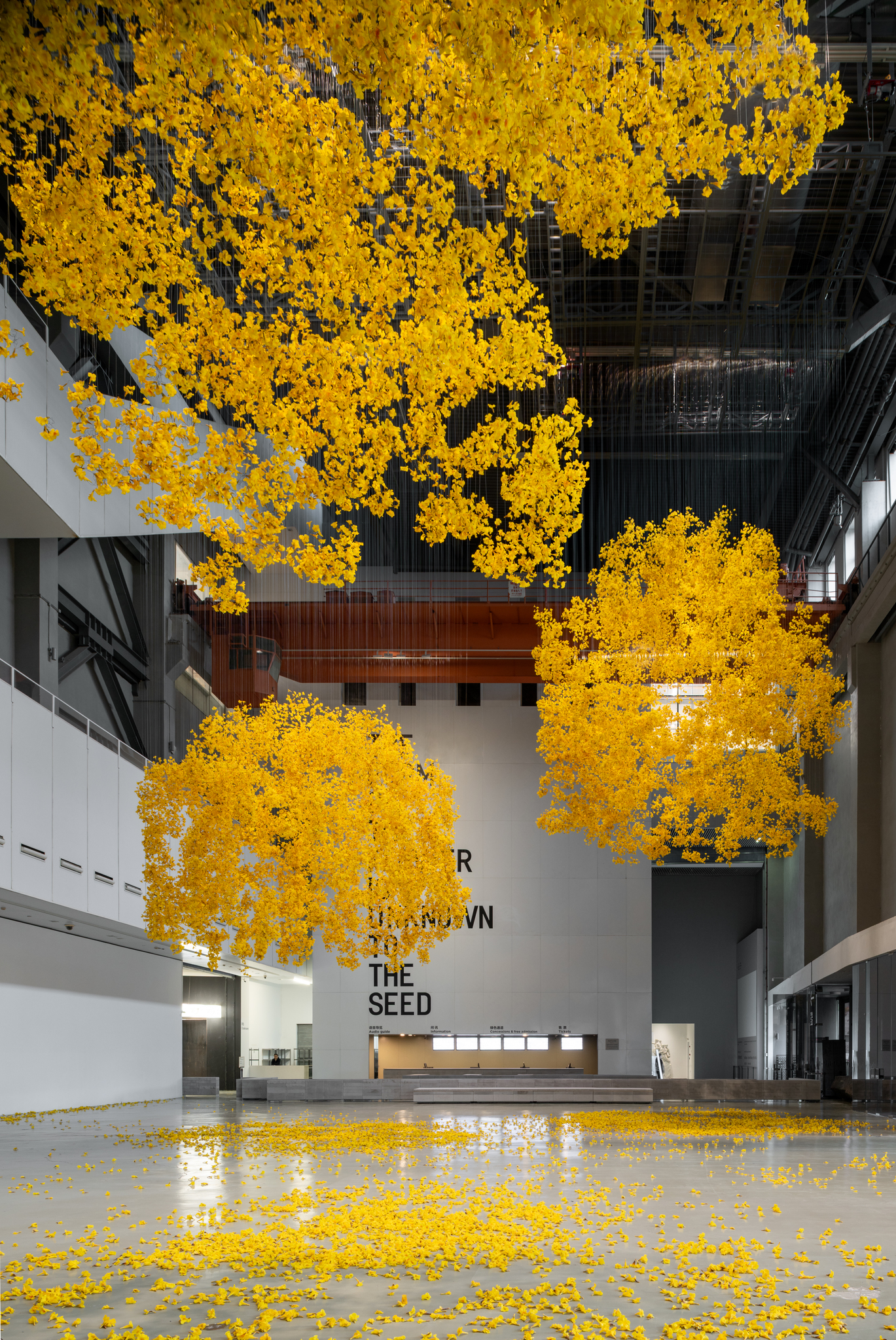
Exhibition Theme: Does the flower hear the bee?
Like the flower that “hears” the bee’s wings, the 15th Shanghai Biennale aims to operate at the intersection of differing models of intelligence, both human and nonhuman. It is based on the belief that recent art provides us with a privileged space for such investigations, offering an embodied and interconnected sphere in which communities may form stronger bonds with “the more-than-human world.”
We live in a moment of great uncertainty and global emergency that has given rise to a widespread sense of disorientation. Our world is transforming at a pace that eludes our capacity for comprehension, leaving us feeling bewildered and uncertain. If a return to the past is impossible, art offers us potential pathways out of despair and malaise, helping us to find emergent forms-of-life and new modes of sensorial communication amid this instability.
Conceived in dialogue with the ideas of artists, curators, intellectuals, musicians, poets, scientists, and writers, Does the flower hear the bee? recognizes that much depends on our capacity to sense the world around us and attune ourselves to its diverse array of intelligences. Its hopeful vision rests on art’s ability to orient us towards an unknown future.
67 Participating Artists and Collectives from Around the World
This edition of the Biennale will feature over 250 works by 67 individual artists and collectives from around the world, including 16 from China. Over 30 works are commissioned or new.
Participating artists (listed in alphabetical order by last name):
Kim Adams, Abbas Akhavan, Allora & Calzadilla, Francis Alÿs, Ryoko Aoki, Carmen Argote, Shuvinai Ashoona, Alvaro Barrington, Lêna Bùi, Tania Candiani, Maxime Cavajani, Carolina Caycedo, Chen Ruofan, Cheng Xinhao, Sara Cwynar, Dan Er, Rohini Devasher, Miguel Fernández de Castro, Cristina Flores Pescorán, Theaster Gates, Abraham González Pacheco, Brett Graham, Hao Liang, d harding, Ho Tzu Nyen, Ngahina Hohaia, Hu Xiaoyuan, Huang Yongping, Ulala Imai, Aki Inomata, Brian Jungen, Lotus L. Kang, Amar Kanwar, Christine Sun Kim, Ragnar Kjartansson, Jaffa Lam, Lina Lapelytė, Liu Shuai, Sharon Lockhart, Liz Magor, Gordon Matta-Clark, Ari Benjamin Meyers, Audie Murray, Kosen Ohtsubo, Christian Kōun Alborz Oldham, Lisa Oppenheim, Plant South Salesroom, Qiu Shihua, R. H. Quaytman, Walid Raad, Shao Chun, Shao Fan, Heji Shin, Tan Jing, Shannon Te Ao, Luke Willis Thompson, Rirkrit Tiravanija, Gözde Mimiko Türkkan, Hajra Waheed, Evelyn Taocheng Wang, Xu Tiantian, Ami Yamasaki, Haegue Yang, Masaomi Yasunaga, Cansu Yıldıran, Gozo Yoshimasu, Zhou Tao
* Maxime Cavajani and Theaster Gates participate in the Biennale’s City Project at the Jia Yuan Hai Art Museum. The works of Rirkrit Tiravanija, Chen Ruofan, and Zhou Tao are on display at both the Power Station of Art and the Biennale’s City Project at the Jia Yuan Hai Art Museum. Liu Shuai participates in the Biennale’s City Project at the Jia Yuan Hai Art Museum and VILLA tbh, Shanghai.
Exhibition Design: Walking a Garden-Like Landscape
The 15th Shanghai Biennale centers on interactions between different life forms. The exhibition unfolds as an open landscape—a space to wander through rather than move along. Artworks seed throughout the Power Station of Art—anchored in the grand hall, threaded through circulation paths, tucked into enclosed rooms and gallery spaces. It is not a path to follow but a terrain to inhabit—where artworks, architecture, and visitors co-exist in shifting relations.
The scenography treats the building itself as landscape. Raw concrete blocks—the same industrial vocabulary as the architecture—form a man-made terrain throughout the space. Like rockwork in a garden that shapes how you see the scenery, these blocks offer different vantage points for viewing the artworks. They are utilitarian and designed for a second life: after the exhibition, they can be upcycled rather than discarded.
The design takes its cue from gardens—not as decoration, but as spatial principle. Like a Chinese scholar garden or Japanese stroll garden, the exhibition reveals itself progressively. As you move through, sightlines shift and new compositions emerge. Enclosed rooms offer moments of immersion, a different quality of attention. There is no prescribed route, only invitation. The exhibition offers moments to wander, to stop, not to rush but to rest and reflect among others. Visitors become part of the ecology—another life form moving through and shaping the space. The exhibition design team, all(zone) / Rachaporn Choochuey trusts visitors to find their own rhythm—generous enough to wander in, structured enough to discover. These pauses aren’t interruptions but essential, acknowledging that attention deepens with time, that reflection happens in stillness as much as in movement.
Exhibition Publications
The accompanying catalogue and the reader of this edition will be published concurrently with the exhibition. The 400-page catalogue prioritizes the participating artists’ voices, features essays by the three curators and includes extensive documentation of exhibited works, while occasional interludes punctuate the book as propositions for future sounds, poems, or languages.
The reader brings together artists, scholars, and writers, who explore emergent modes of receptivity, from listening as a sustained practice and forms of attending to the human and the nonhuman, to consciousness of materiality and ephemerality. Together, the texts open a range of affective, communicative, and embodied registers.
City Projects
The City Projects of the 15th Shanghai Biennale aim to have a generative momentum. Beginning at PSA, the projects progressively summon, relocate, displace, and spread into multiple landscapes—from garden fences in urban neighborhoods (e.g., VILLA tbh) to open fields on the outskirts (Jia Yuan Hai Art Museum), from carefully cultivated bonsai in botanical gardens (Shanghai Botanical Garden) to native grasses growing freely on balcony gardens (klee klee)—and over the course of the exhibition, will reach further corners of Shanghai…
These back-and-forth passages resemble successive and affective “bee paths.” As the public experiences art in different places, every pause, touch, and conversation helps catalyze the mingling of art and everyday rhythms — eventually, through perception, movement, and encounter, one quietly attunes to those “moments of abundance.”
City Projects Exhibition Information for the 15th Shanghai Biennale
Does the flower hear the bee? (Extended Version)
Artists: Maxime Cavajani, Chen Ruofan, Theaster Gates, Liu Shuai, Rirkrit Tiravanija, Zhou Tao
Time: November 8, 2025 – March 31, 2026 (Tuesday–Sunday, 09:30–17:30; closed on Monday)
Venue: Jia Yuan Hai Art Museum, No. 39 Dazhi Road, Jiading District, Shanghai
The flight map of these affective journeys along both banks of the Huangpu River converges at the Jia Yuan Hai Art Museum in Jiading, Shanghai. Designed by Japanese architect Tadao Ando with a philosophy of dialogue between architecture, nature, and the human, the museum becomes a site where works by Maxime Cavajani, Chen Ruofan, Theaster Gates, Liu Shuai, Rirkrit Tiravanija, and Zhou Tao form another kind of resonance with land, architecture, light, and sound.
Slide, Then Soar!
Artist: Liu Shuai
Time: November 9, 2025 – January 4, 2026 (Monday–Sunday, 10:00–18:00)
Venue: VILLA tbh, No. 15 Taojiang Road, Xuhui District, Shanghai
At VILLA tbh on 15 Taojiang Road, Xuhui, artist Liu Shuai presents Slide, Then Soar!, a commission for the 15th Shanghai Biennale. In a small, hovering form, it poetically engages the garden-world’s everyday nature—kites collaged from plants, and bamboo reeds punctured by bees and are repurposed as an instrument. Through a human–nature collaboration, the work responds to the Biennale’s query in Does the flower hear the bee?
Ami Yamasaki — Special Performance
Time: November 8, 15:00
Venue: Penjing Garden, Shanghai Botanical Garden
Participating artist Ami Yamasaki stages a site-specific performance in the Penjing Garden of the Shanghai Botanical Garden, continuing her exploration of acoustic space and reciprocal listening. Treating the human voice as a method of locating oneself in the world, and the body as a vessel that resonates with space, the artist situates herself through singing, listening, and echo, gradually dissolving the subject–site boundary and inviting audiences to co-establish new sensitivities.
Ami Yamasaki — Special Performance & Exhibition Opening (mid-December)
Venue: klee klee & friends, 2F, Building 3, Columbia Circle, No. 1626 West Yan’an Road, Shanghai
Performance Time: November 10, 10:00; Exhibition Dates: Mid-December
At klee klee’s “Wilderness Balcony,” Ami Yamasaki’s special performance serves as a prelude to the winter exhibition, telling the journey of a seed: eaten and carried afar by birds, eventually returning to the soil to quietly take root and grow into a sapling amid the grasses. This is not only a cycle of life; it also offers a micro testimony of how the “grass store,” the birds, and humans share the same sky, soil, forests, and fields—like the quiet yet abundant atmosphere at the instant when the flower meets the bee.
About the Shanghai Biennale
Launched in 1996, the Shanghai Biennale is not only the first international biennial of contemporary art in the Chinese mainland but also one of the most influential art events in Asia. In 2012, the Power Station of Art became the organizer and permanent venue of the Shanghai Biennale. From Open Space in 1996, to Inheritance and Exploration in 1998, Spirit of Shanghai in 2000, Urban Creation in 2002, Techniques of the Visible in 2004, Hyper Design in 2006, Translocalmotion in 2008, Rehearsal in 2010, Reactivation in 2012, Social Factory in 2014, Why Not Ask Again in 2016, Proregress in 2018, Bodies of Water in 2020, and Cosmos Cinema in 2023, the Biennale has always maintained Shanghai as its primary locus, upholding the mission of supporting academic and cultural innovation, while continuously tracking social evolution and trends in knowledge production in a global context with an open view. Taking place in Shanghai every two years, the Biennale has also become a large-scale platform for the international presence and exchange of contemporary art.
About the Shanghai Biennale City Projects
As a unique urban event and cultural landmark, the Shanghai Biennale has long been committed to enabling active dialogues between contemporary art and the booming city of Shanghai. First launched in 2012, the Biennale’s City Projects interact with public spaces such as exhibition pavilions, cinemas, and cultural centers, mobilizing local actors to explore the regional context through shows, screenings, field surveys, and workshops. This program aims to extend the Biennale beyond the museum and establish a closer relationship with the city’s residents and its cultural ecology.
The 15th Shanghai Biennale: Does the flower hear the bee?
Chief Curator: Kitty Scott
Co-curators: Daisy Desrosiers, Xue Tan
Curators: Long Yitang, Zhang Yingying
Exhibition Design: all(zone) / Rachaporn Choochuey
Graphic Designer: Sara De Bondt
Editor: Sarah Demeuse
Venue: Power Station of Art
City Project Partner: JIA YUAN HAI, tbh, Shanghai Botanical Garden, klee klee
Special Partner: Aesop
Official Travel Partner: DENZA
Official Hotel Partner: The Langham, Shanghai, Xintiandi and Brilliant by Langham
Acknowledgements: FLOS
Hashtag: #PowerStationofArt
 https://www.powerstationofart.com/
 https://www.linkedin.com/company/power-station-of-art/
 Wechat: 上海当代艺术博物馆
 https://www.instagram.com/powerstationofart/
The issuer is solely responsible for the content of this announcement.
About the Power Station of Art (PSA)
Established on Oct 1, 2012, the Power Station of Art (PSA) is the first state-run contemporary art museum in the Chinese mainland. It is also home to the Shanghai Biennale. Formerly the Nanshi Power Plant, the now renovated PSA was once the Pavilion of Future during the 2010 Shanghai World Expo. Having witnessed Shanghai’s transformation from the industrial age to the digital era, the museum’s raw architecture has provided rich inspiration for artists. As a central hub for Shanghai’s booming urban culture, PSA is committed to innovation and progress as keys to its long-term vitality. The museum aims to provide an interface for the public to come into contact with and appreciate contemporary art, to break down the barrier between life and art, and to promote cooperation and knowledge production across diverse fields of arts and culture.




The Taiwan-born pet mobility brand opens its first SoHo pop-up inside Flying Solo, bringing its Nordic-designed pet stroller collection to the heart of New York City.
NEW YORK, USA – Media OutReach Newswire – 02 April 2026 – FikaGO, the design-led pet mobility brand recognized across Asia and Europe, has opened its first New York City pop-up store inside Flying Solo in SoHo. The opening marks a deliberate move for a pet brand into one of the world’s most competitive retail districts.
Since entering the online American market in 2025, FikaGO has built a growing community of pet parents who see their animals as a central part of everyday life. Positioned as lifestyle essentials rather than conventional pet gear, FikaGO’s range of products is designed for people who want the best for their fur babies.
“We’ve always believed that pet products should not only be functional, but also beautifully integrated into everyday life.” — Eric Guu, Co-founder, FikaGO
SoHo was a considered choice: Flying Solo, with locations in New York and Paris, is known for championing independent design with a distinctly global sensibility.
The pop-up showcases FikaGO’s auto-folding Free To Go 2 in Sandy Beige, the brand’s bestselling product. All FikaGO’s products are manufactured using eco-friendly fabrics made from recycled materials, reflecting a commitment to sustainability. This includes their large-capacity Agile 2 pet strollers to their airline-approved Truffle carriers and the heavy-duty Kross pet wagon.
“Launching in SoHo is a meaningful milestone for us; it allows customers to truly experience the quality, design, and intention behind every FikaGO product.” — Eric Guu, Co-founder, FikaGO
As pet ownership rises globally, particularly among urban millennials and Gen Zs, demand for products that combine functionality, design, and lifestyle integration continues to grow. FikaGO was built for precisely this moment, and SoHo is precisely where that moment lives.
Visit the FikaGO pop-up at Flying Solo, 419 Broome Street, New York, or explore the full collection at https://us.fikago.com/.
Hashtag: #FikaGO #petmobilitybrand #petstroller #petcarrier #petwagon #petkennel #petbiketrailer
https://us.fikago.com/ https://www.facebook.com/FikaGO.US
 https://www.instagram.com/fikago_us/
YouTube:  https://www.youtube.com/@fikago5910
The issuer is solely responsible for the content of this announcement.
About FikaGO
FikaGO is a pet mobility brand founded in Taiwan, dedicated to crafting products that blend functionality, comfort, and modern aesthetics. With a presence across Asia and growing reach in Europe and the U.S, FikaGO is redefining everyday experiences between pets and their humans.

Media OutReach
Lee Kum Kee Celebrates Culinary Excellence at the Historic Hong Kong Debut of Asia’s 50 Best Restaurants 2026
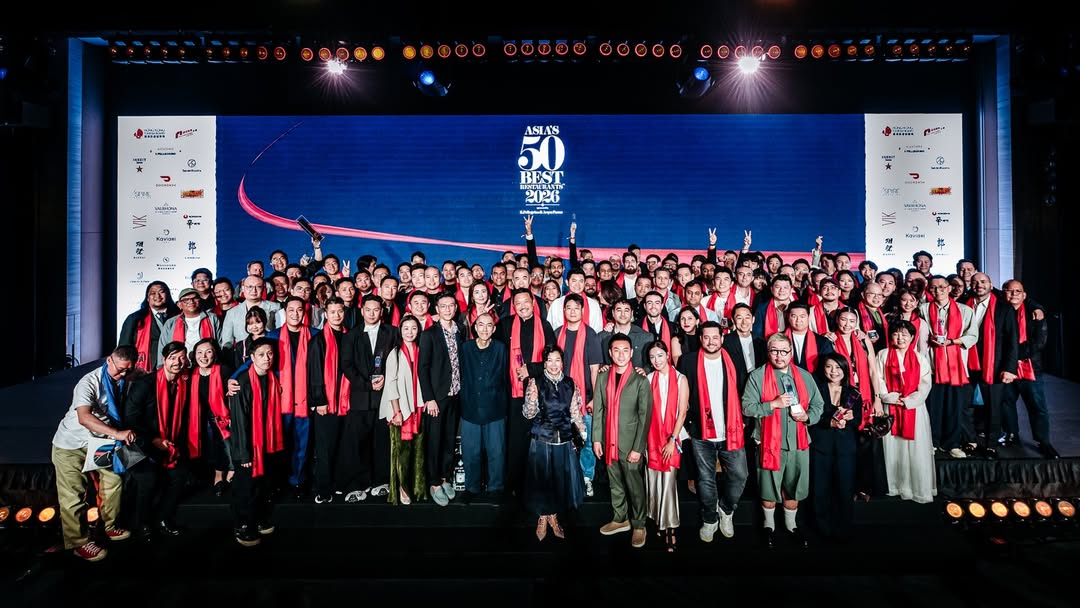
From 23-25 March, Lee Kum Kee brought together top chefs, diverse cultures and industry communities through a range of thoughtfully curated experiences, bringing authentic Asian flavours to the global stage. As well as reaffirming the brand’s Asian roots and international perspective, its involvement reflected an enduring commitment to preserving culinary heritage and driving gastronomic innovation.
“Asian Flavour Duet“: A Culinary Journey Through Heritage and Innovation
Helping to build momentums for this year’s awards, Lee Kum Kee collaborated with Vicky Cheng, the acclaimed Executive Chef and owner of WING, to co-create the “Asian Flavour Duet”, a Hong Kong-style late-night supper party on 24 March. Hosted at two Hong Kong culinary landmarks, the experience unfolded in two chapters – “Paying Tribute to Heritage” and “Innovative Fusion” – and invited guests to explore the limitless possibilities of Asian flavour.
The evening began at the century-old Lin Heung Lau teahouse, a space filled with nostalgia and memories for generations of Hong Kongers. Chef Vicky reinterpreted classic Hong Kong late-night dishes using signature Lee Kum Kee sauces, while guests were immersed in the warmth of the historic venue.
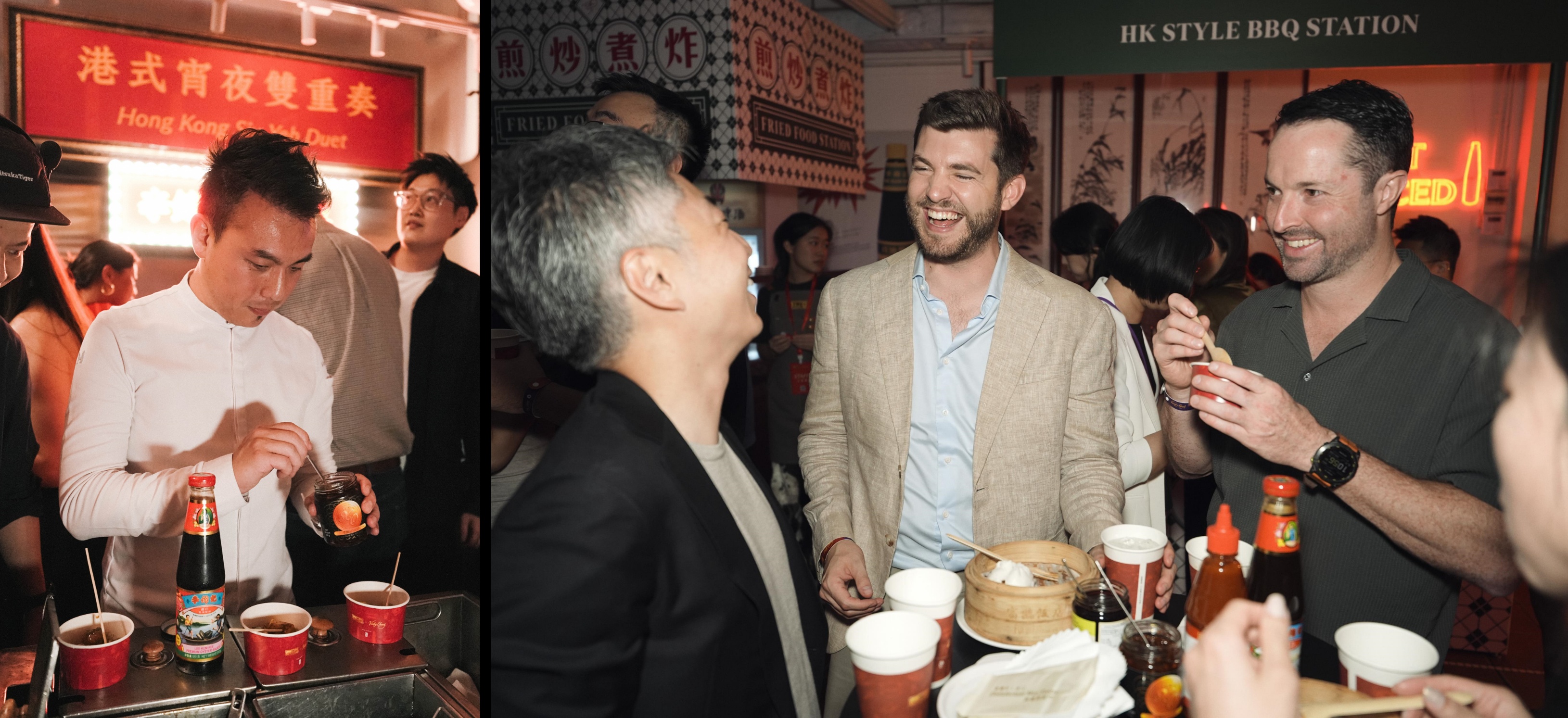
The celebration then moved to Medora, Chef Vicky’s Western dining space, where an “Innovative Fusion” was revealed. He showcased his modern culinary philosophy by incorporating Lee Kum Kee sauces with contemporary techniques to create bold, unexpected dishes. Guests also enjoyed specially crafted cocktails infused with Lee Kum Kee sauces, alongside a delightful yet refined sauce-inspired gelato, demonstrating a harmonious interweaving of savoury, umami, sweetness and spice.
The multisensory journey seamlessly blended tradition with innovation, exploring the future of cuisine while highlighting Lee Kum Kee’s role as a global gateway to Asian culinary culture.
At the event, Dodie Hung, Executive Vice President – Corporate Affairs at Lee Kum Kee, commented, “Tonight, we are honoured to celebrate Hong Kong’s late‑night food culture with Chef Vicky and the global culinary community. From the legacy of Lin Heung Lau to the forward‑looking spirit of Medora, we are proud to be part of the creative journey and help showcase the depth of Asian flavours on the world stage.”
Celebrating a Gastronomic Brilliance with the Highest Climber Award Sponsored by Lee Kum Kee
During the awards ceremony on 25 March, Lee Kum Kee’s booth showcased a range of the brand’s acclaimed classic sauces and innovative products. Guests sampled specially crafted bites featuring Lee Kum Kee sauces, engaging directly with the flavours and techniques that have made the brand a trusted partner in both home and professional kitchens worldwide.

As part of the evening’s celebration of the region’s most exceptional culinary talents, the Highest Climber Award sponsored by Lee Kum Kee was presented to Lamdre in Beijing by Chef Park from Atomix (No.1 in North America’s 50 Best Restaurants 2025). Lambre was applauded for its pioneering plant-based dining space that promotes healthy, sustainable living while honouring Chinese biodiversity in its menus.
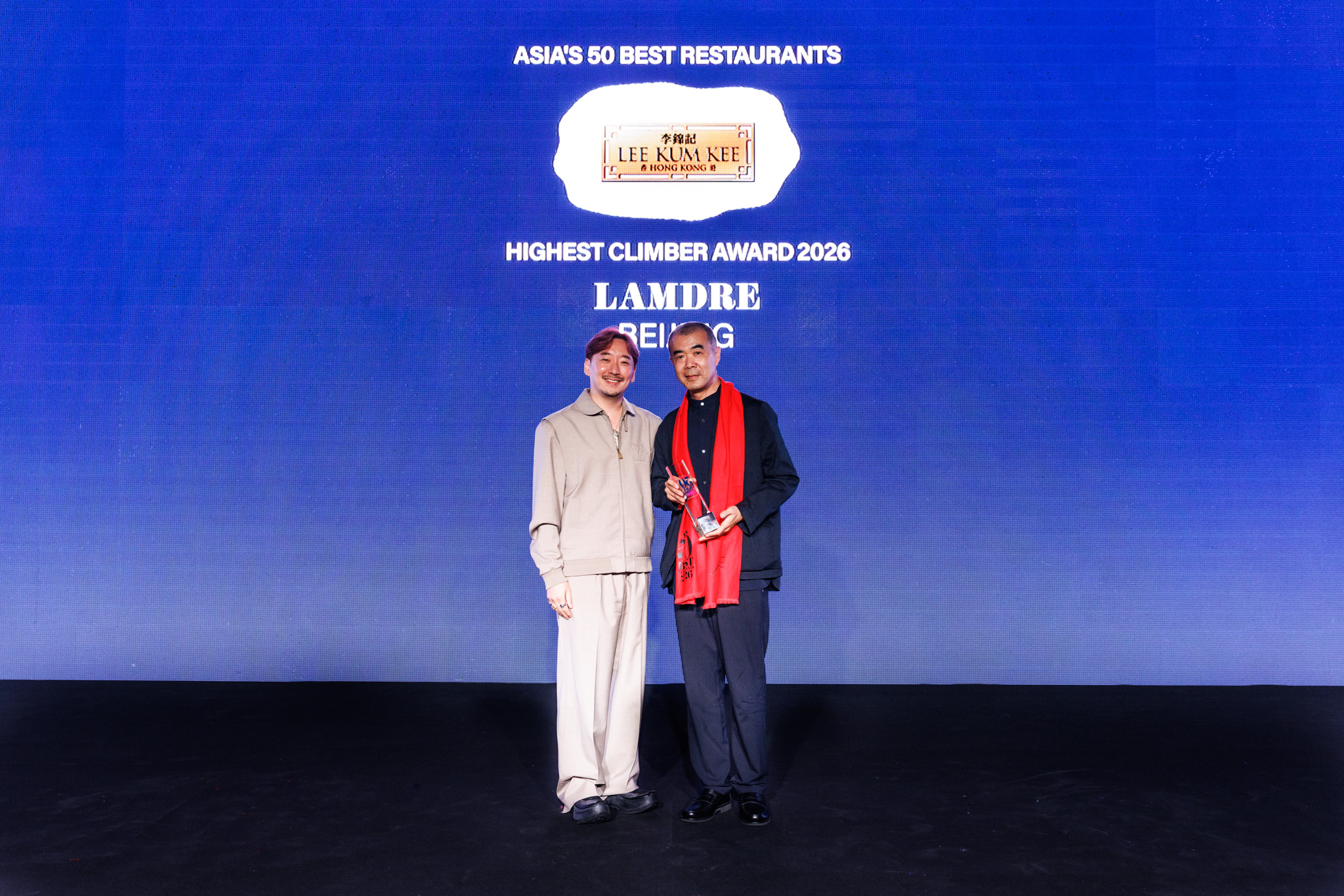
In addition, WING, led by Chef Vicky, achieved an impressive second place in 2026 Asia’s 50 Best Restaurants list. The restaurant had also previously ranked No. 11 on The World’s 50 Best Restaurants list in 2025, underscoring its continued international acclaim.
Building the Future Together: Deepening Global Partnerships
With the success of this prestigious awards ceremony in Hong Kong, China, Lee Kum Kee looks forward to deepening its collaboration with leading talents in the global culinary community. By continuing to champion Asian flavours and foster meaningful dialogue and exchange, the brand will continue to bring the spirit of Asian cuisine to kitchens and dining tables around the world.
Hashtag: #LeeKumKee #LKK
The issuer is solely responsible for the content of this announcement.
About Lee Kum Kee
Lee Kum Kee is the global gateway to Asian culinary culture, dedicated to promoting Chinese culinary culture worldwide. Since 1888, it has brought people together over joyful reunions, shared traditions and memorable meals. Beloved by consumers and chefs alike, Lee Kum Kee’s range of more than 300 sauces and condiments sparks creativity in kitchens everywhere, inspiring professional and home chefs to experiment, create and delight. Headquartered in Hong Kong, China and serving over 100 countries and regions, Lee Kum Kee’s rich heritage, unwavering commitment to quality, sustainable practices and “Constant Entrepreneurship” combine to enable superior experiences through Asian cuisine for people worldwide. For more information, please visit www.LKK.com.
About Asia’s 50 Best Restaurants
Launched in 2013, Asia’s 50 Best Restaurants aims to showcase the outstanding achievements and diverse culinary landscape of the region. The list is determined by the Asia’s 50 Best Restaurants Academy, a panel of over 350 culinary experts from across Asia who vote independently based on their specialised knowledge of the local dining scene. The Asia’s 50 Best Restaurants series includes the awards ceremony and list announcement, creating a premier networking platform for restaurateurs, media, seasoned travelers and culinary connoisseurs to celebrate the exceptional service, passion and talent in the dining industry.

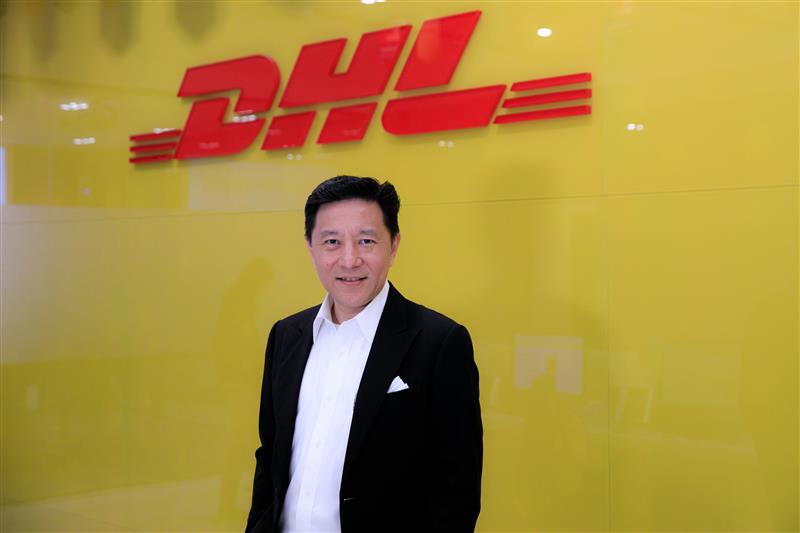
- Herbert Vongpusanachai takes on the role of Senior Vice President for Commercial for the region, effective April 1, 2026
SINGAPORE – Media OutReach Newswire – 2 April 2026 – DHL Express, the world’s leading international express service provider, has appointed Herbert Vongpusanachai as Senior Vice President, Commercial for Asia Pacific, effective April 1, 2026. Herbert, who currently serves as Managing Director for DHL Express Thailand & Indochina, will be based in Singapore for his new role.
Herbert brings more than two decades of leadership experience within DHL Express, having successfully helmed multiple key markets across the region. He first joined the company in 2003 as Managing Director for Thailand & Indochina, later taking on leadership of Singapore in 2008, followed by Hong Kong & Macau in 2016. Since returning to lead Thailand & Indochina in 2020, he has driven sustained year‑on‑year profitable growth, transforming the cluster into one of the region’s key engines of expansion.
“Herbert has an exceptional track record of delivering strong business results while nurturing highly engaged teams across diverse markets. His deep understanding of our customers, collaborative leadership style, and ability to unearth opportunities in complex environments make him the ideal leader to drive our commercial agenda for Asia Pacific. I am confident that under his guidance, we will continue to accelerate sustainable growth across the region,” said Ken Lee, CEO for Asia Pacific, DHL Express.
In his new regional role, Herbert will shape and accelerate the commercial strategy for DHL Express across Asia Pacific by working with other functions to assess new sectors, routes and trade lanes with high potential for growth. He will focus on deepening customer engagement and supporting their expansion, while driving sustainable volume growth and advancing the adoption of new technologies to enhance commercial execution across markets. With his extensive country expertise and people‑first leadership style, Herbert is well‑positioned to support both regional and country teams in raising commercial performance to new levels.
“Asia Pacific remains an important anchor in global trade as seen in the latest DHL Global Connectedness Report, and this indicates the unwavering role of logistics to facilitate the flow of goods. With the newly introduced Heavyweight Express solution, which enables customers to ship heavyweight shipments with speed, certainty and reliability, I look forward to working alongside our talented teams to contribute to shaping the next chapter of DHL Express’s commercial success,” said Herbert Vongpusanachai, Senior Vice President – Commercial for Asia Pacific, DHL Express.
The latest DHL Global Connectedness Report shows that the region remains a major anchor of global commerce, with multiple economies rising in global connectedness rankings and Southeast Asia firmly establishing itself as a fast‑growing trade corridor. This also mirrors one of DHL Group’s strategies to better support 20 markets globally to accelerate growth; eight of them rest in Asia Pacific – underscoring the region’s critical role in DHL’s global network. As trade flows diversify and intra‑Asia integration deepens, this leadership appointment further strengthens DHL Express’s position in Asia Pacific.
Hashtag: #DHL
 https://group.dhl.com/en.html
 https://www.linkedin.com/company/dhlexpress/
The issuer is solely responsible for the content of this announcement.
DHL – The logistics company for the world
DHL is the leading global brand in the logistics industry. Our DHL divisions offer an unrivalled portfolio of logistics services ranging from national and international parcel delivery, e-commerce shipping and fulfillment solutions, international express, road, air and ocean transport to industrial supply chain management. With approximately 389,000 employees in more than 220 countries and territories worldwide, DHL connects people and businesses securely and reliably, enabling global sustainable trade flows. With specialized solutions for growth markets and industries including technology, life sciences and healthcare, engineering, manufacturing & energy, auto-mobility and retail, DHL is decisively positioned as “The logistics company for the world”.
DHL is part of DHL Group. The Group generated revenues of approximately 82.9 billion euros in 2025. With sustainable business practices and a commitment to society and the environment, the Group makes a positive contribution to the world. DHL Group aims to achieve net-zero emissions logistics by 2050.

-
 Feature/OPED6 years ago
Davos was Different this year
-
Travel/Tourism10 years ago
Lagos Seals Western Lodge Hotel In Ikorodu
-

 Showbiz3 years ago
Estranged Lover Releases Videos of Empress Njamah Bathing
-
 Banking8 years ago
Sort Codes of GTBank Branches in Nigeria
-

 Economy3 years ago
Subsidy Removal: CNG at N130 Per Litre Cheaper Than Petrol—IPMAN
-

 Banking3 years ago
Sort Codes of UBA Branches in Nigeria
-

 Banking3 years ago
First Bank Announces Planned Downtime
-

 Sports3 years ago
Highest Paid Nigerian Footballer – How Much Do Nigerian Footballers Earn