
Sports
The Best Betting Site in Nigeria – Secretbet

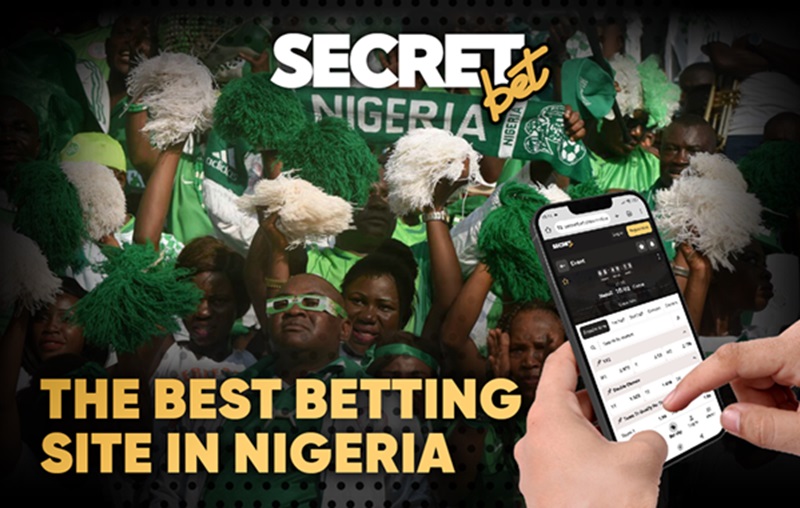
Online betting in Nigeria has really taken off lately. So many people are into it, especially with football being huge here. Everyone bets on Premier League or local games, and now they want sites that are quick and safe. I think Secretbet might be the top one, at least from what I have seen. It covers everything a bettor needs without too much hassle.
The whole thing is booming because Nigeria loves sports, right? The Internet makes it easy to jump in from anywhere. Platforms have to offer good odds and fast payouts to keep up. Secretbet fits that, with options for all kinds of matches.
What stands out about Secretbet is how it feels made for us in Nigeria. The site is straightforward, works on phones or laptops without lagging. You can sign up and bet in no time. It’s reliable, I guess, which is key when you are waiting for results.
They have tons of sports too. Football is the main draw, like the English Premier League, La Liga, Serie A, Bundesliga, Champions League, even international ones. Then there is basketball, tennis, hockey, esports, all that. Markets vary, match outcomes, over-under, both teams scoring, handicaps, special stuff. It keeps things interesting.
Live betting is another part that seems solid. You bet during the game, odds change as it goes. Good for watching momentum or players. The interface doesn’t slow down, keeps you in it.
Odds are competitive, which matters for making money over time. Better odds mean more back on your bets. Secretbet keeps them fair and clear, no tricks there.
Payments are fast and secure. Deposits and withdrawals don’t take forever. They use encryption to keep data safe, so you don’t worry about that.
Bonuses help too. New users get welcomes, regulars have promotions to boost things. It adds value if you play smart.
They push responsible betting, with tools to stay in control. Make sure it’s fun, not a problem.
Overall, Secretbet is a betting site that has wide coverage, good odds, quick payouts, live features.







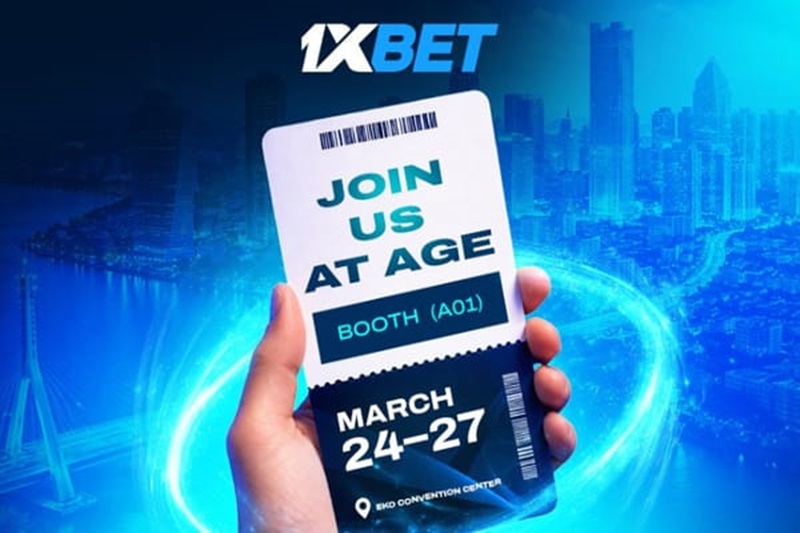
The global betting company 1xBet will take part in the prestigious iGaming exhibition, the Africa Gaming Expo, which will be held at Chief Yesufu Abiodun Road, Oniru, in Lagos, Nigeria, from March 24 to 27. The brand will present new ideas regarding the digital transformation of its products and create a welcoming environment for business activities.
The Africa Gaming Expo is one of the region’s key iGaming events, attended by leading industry experts, representatives of regulatory bodies, and CEOs of international companies. Forum guests can look forward to panel discussions, keynote speeches, and productive networking to exchange contacts and build promising deals.
Last year, this prestigious forum welcomed over 7,300 delegates, including more than 90 speakers. Africa is one of the fastest-growing markets with a high level of business activity. That is why the scale of AGE 2026 has expanded greatly.
The 1xBet booth (A01) will serve as the event’s main hub for business connections, where the brand’s team will foster a comfortable atmosphere for open dialogue and idea exchange. There will also be a mini-bar serving refreshing cocktails and delicious coffee. 1xBet is also proud to be a sponsor of the Opening Cocktail Ceremony, reinforcing its commitment to creating exceptional networking opportunities at AGE 2026.
1xBet partners and all AGE 2026 participants can look forward to interactive entertainment, including a giveaway from the company – an Apple iPhone 17 Pro, scheduled for March 25 at 4:00 P.M.
For 1xBet, Africa is a strategically important region, and participation in regional industry events provides the brand with a unique opportunity to deepen its understanding of the local market context and strengthen its leadership position.
The 1xBet team is here to share valuable insights and expertise that will help you fully unlock the potential of this rapidly growing region. You can do this by joining the 1xPartners program, which has been in the market for over 10 years and has brought together more than 500,000 partners from over 150 countries.
Contact your 1xBet manager and make an appointment! See you at AGE Africa 2026.
About 1xBet
1xBet is a world-renowned company with 19 years of experience in the betting and gambling industry. The brand’s customers place bets on thousands of sports events and play popular games from top providers in its online casino. The company’s website and app are available in 73 languages.
1xBet’s list of official partners includes FC Barcelona, Paris Saint-Germain, Italy’s Serie A, FIBA, Volleyball World, and other globally renowned sports brands and organizations.
The brand actively supports sports on the continent as an official partner of the Confederation of African Football (CAF) and all its tournaments. 1xBet collaborates with leading clubs and sports federations across Africa, invests in amateur tournaments, and helps young talents unlock their potential.
The company’s excellence is recognized through prestigious awards, including “”Sportsbook of the Year -Africa”” and “”Best on mobile”” at the SiGMA Africa Awards 2026.
About AGE
Africa Gaming Expo (AGE) is one of Africa’s largest iGaming exhibitions, dedicated to the integration of innovations and cutting-edge fintech solutions. The forum unites operators, regulators, investors, businesspeople, and other industry experts. This year, the event will be attended by over 7,000 delegates to showcase the latest technologies and exchange experiences.

By Dipo Olowookere
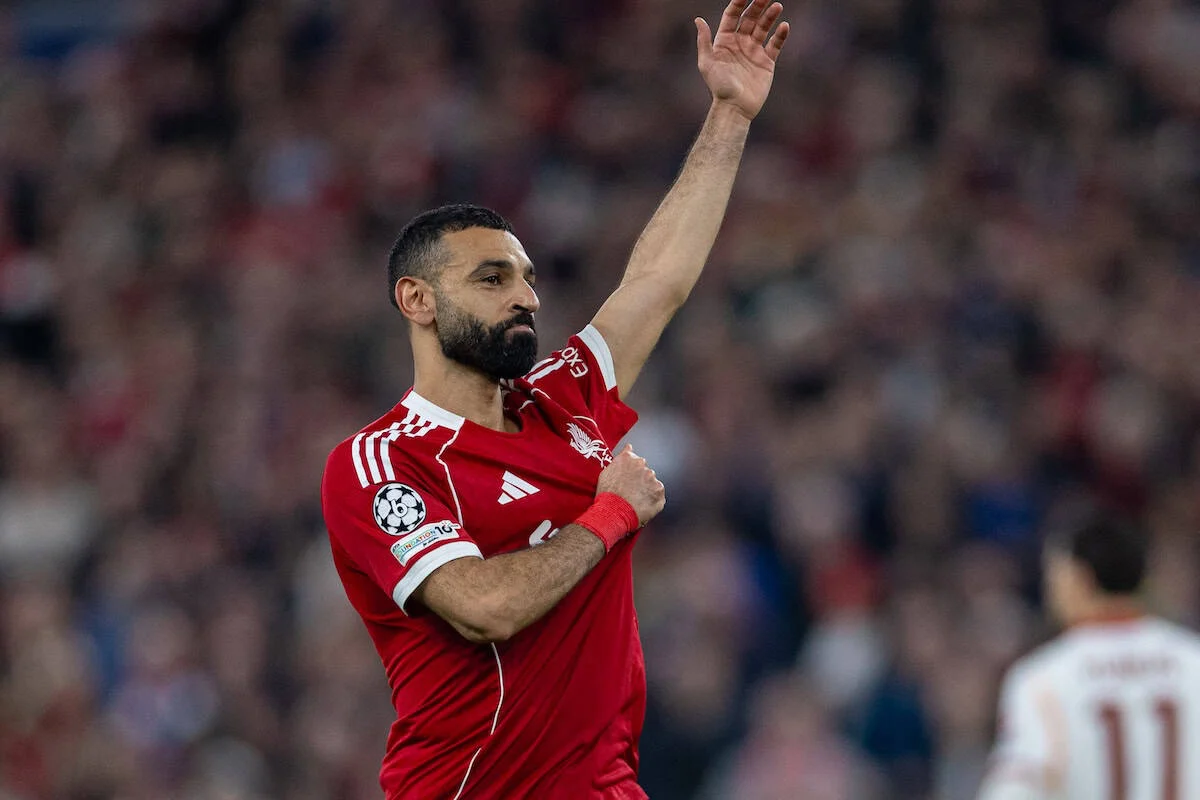
Liverpool legend, Mohammed Sallah, has announced his intention to leave the Merseyside club at the end of this season.
In a message to the fans on Tuesday, the Egyptian player thanked the club for the support and affection shown to him since he arrived at Anfield nine years ago.
Sallah, who has netted 189 times for Liverpool in 310 appearances so far, said, “This club will always be my home to me and to my family.”
He relished his time at the Reds, noting that he never thought he would leave at this period.
The former Roma and Chelsea player has struggled with form this season, as he has not been able to impress Anne Slot, who has had to bench him in some matches. He has only managed 10 goals in 34 games this season for the club.
“Hello everyone, unfortunately, the day has come. This is the first part of my farewell. I will be leaving Liverpool at the end of the season.
“I wanted to start by saying that I never imagined how deeply this club, this city, these people would become part of my life.
“Liverpool is not just a football club, it’s a passion, it’s a history, it’s a spirit. I can’t explain in words to anyone not part of this club.
“We celebrated victory, we won the most important trophies, and we fought together through the hardest time in our lives.
“I want to thank everyone who was part of this club throughout my time here, especially the teammates, past and present.
“And to the fans, I don’t have enough words. The support you showed me through the best time of my career, and you stood by me in the toughest times. It’s something I will never forget and something I will take with me always.
“Leaving is never easy. You gave me the best time of my life. I will always be one of you.
“This club will always be my home to me and to my family,” the 33-year-old former African Footballer of the Year said in a video on Tuesday night.
The NBA G League serves as the official developmental league for the National Basketball Association. Speaking about the NBA, a great bet on it is always available at the 1xBet platform.
It functions as a crucial pathway for players, coaches, and other basketball professionals aiming to reach the highest level of the sport. Originally launched as the NBA Development League (D-League) in 2001, it was rebranded as the G League in 2017 through a partnership with Gatorade. At 1xBet it is always possible to bet on other big basketball competitions too.
It has then steadily expanded and deepened its impact across 31 teams, with 30 directly affiliated with NBA franchises, creating a structured system for talent cultivation and evaluation.
Offering a great experience to many players
At its core, the G League offers valuable competitive experience to a wide range of players. Prior to the next big NBA names playing their matches, you can choose 1xBet casino and enjoy its excellent games.
Young prospects who are not yet NBA-ready get meaningful playing time against professional competition. This helps them develop fundamentals and adjust to the pace and physicality of pro basketball. NBA teams commonly assign their draft picks or signees to G League affiliates to do 3 things:
- fine-tune skills;
- gain confidence;
- and learn team systems.
A good reason to choose the 1xBet casino is to enjoy endless fun as you wait for other basketball matches.
Providing a developmental pathway
Beyond traditional assignments, the introduction of 2-way contracts has strengthened the developmental pipeline. These contracts allow players to split time between an NBA roster and a G League team. This enables prospects to receive consistent minutes in the G League while earning chances to contribute at the NBA level. This dual exposure helps teams evaluate talent in varied contexts and makes the transition to the NBA smoother for developing players. Before another NBA game takes place, you can also try plinko game online from the 1xBet platform.
The league also fosters alternatives to college basketball and international pathways. For example, programs like G League Ignite provide elite prospects with professional mentorship, advanced training, and exposure to NBA scouts before draft eligibility. This showcases another avenue for growth outside the NCAA system.
Finally, in addition to player development, the G League cultivates coaching staffs, referees, and front-office personnel, serving as a broader professional incubator. The online plinko game from 1xBet is available to try, which is perfect to do while waiting for great basketball games.











-
 Feature/OPED6 years ago
Davos was Different this year
-
Travel/Tourism10 years ago
Lagos Seals Western Lodge Hotel In Ikorodu
-

 Showbiz3 years ago
Estranged Lover Releases Videos of Empress Njamah Bathing
-
 Banking8 years ago
Sort Codes of GTBank Branches in Nigeria
-

 Economy3 years ago
Subsidy Removal: CNG at N130 Per Litre Cheaper Than Petrol—IPMAN
-

 Banking3 years ago
Sort Codes of UBA Branches in Nigeria
-

 Banking3 years ago
First Bank Announces Planned Downtime
-

 Sports3 years ago
Highest Paid Nigerian Footballer – How Much Do Nigerian Footballers Earn