
Sports
Watch Roman Reigns’ Return To SmackDown This Friday On GOtv

WWE has confirmed a lineup of intriguing action for this episode of Friday Night SmackDown. This includes the return of the “Original Tribal Chief” and a cage fight between bitter rivals. Here’s a preview of the matches and how to catch the action:
Undisputed WWE Championship Steel Cage Match: Cody Rhodes (c) vs Solo Sikoa.
Last week, Cody Rhodes addressed Solo Sikoa’s desire to challenge him for the Undisputed WWE Title. He agreed to defend the title this Friday in a Steel Cage fight. The aim is to avoid interference from members of The Bloodline. Will this keep them off? Catch the action live from Climate Pledge Arena in Seattle, Washington, live on WWE Network GOtv ch 68 at 12:30 am on Saturday.
Kevin Owens & a Mystery Partner vs A-Town Down Under (Grayson Waller & Austin Theory)
Last week, Owens defeated Austin Theory and Grayson Waller in a Triple Threat match after a backstage confrontation. Theory and Waller attacked him after the bell and made it clear that they wanted to face Owens in a tag team match on SmackDown. On this episode, Kevin Owens will have to find a mystery partner to face his challengers. Who will the partner be? Tune in to find out.
Carmelo Hayes vs Andrade
The series between Carmelo Hayes and Andrade will resume with another singles encounter. The tandem had a 2-2 record in their previous four singles clashes in recent months, with all their battles taking place on the weekly episode of SmackDown. Who wins this tiebreaker?
Roman Reigns Returns
Roman Reigns stepped up to The Bloodline at SummerSlam 2024 to regain his status as the Original Tribal Chief. However, the group assaulted him on WWE SmackDown and forced him out of action. He is set for a return this Friday. With Cody Rhodes and Sikoa in action on the same night, something explosive is bound to happen.
Stay connected to your GOtv to enjoy Smackdown and other WWE action live by downloading the MyGOtv app or dial *288# to reconnect/upgrade your package.








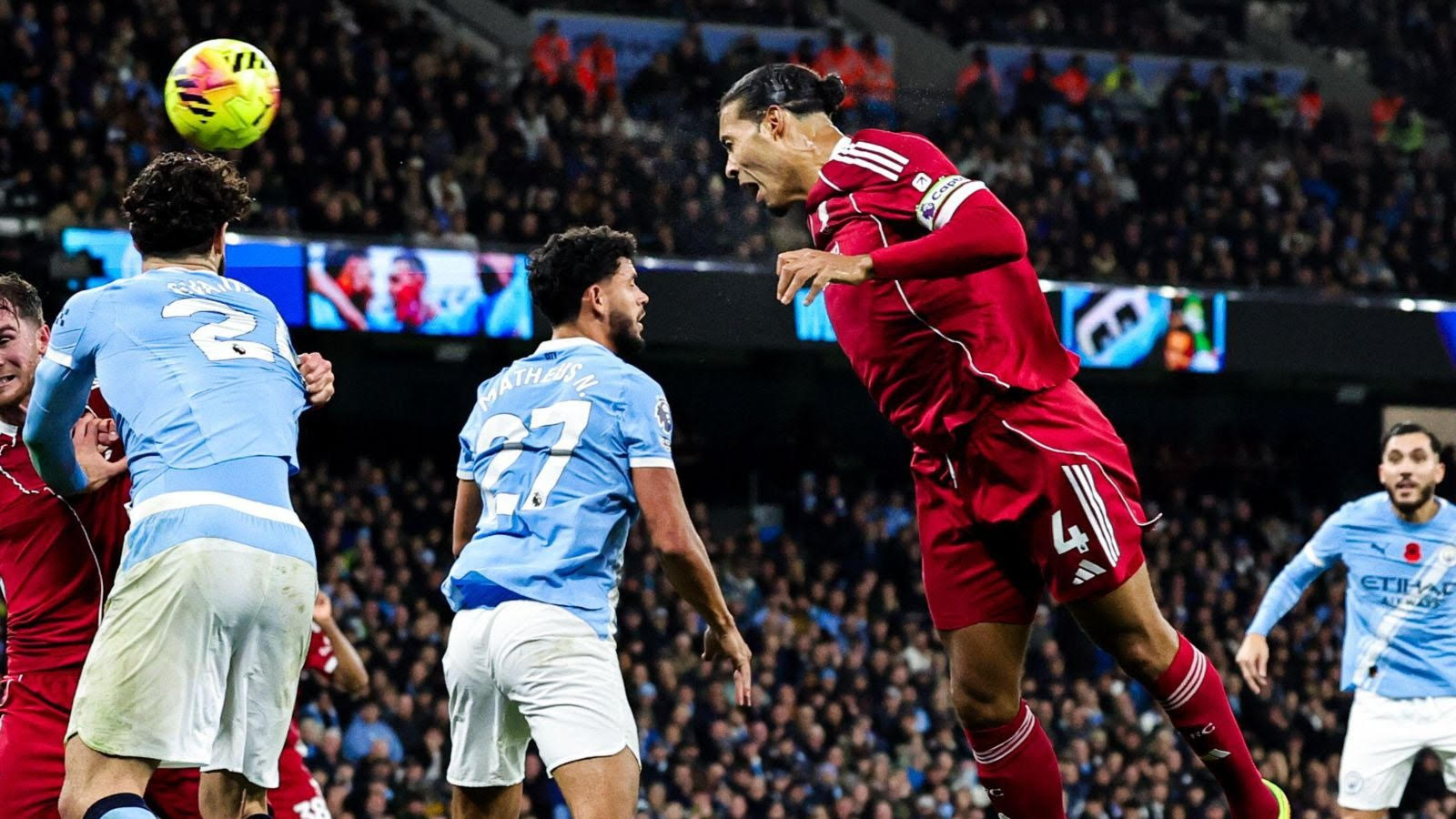
The international break gives way to a packed Easter weekend of football across Europe, headlined by FA Cup quarter-final drama in England and high-stakes league action in Spain, Italy and France. With titles, European places and silverware all on the line, the margin for error is rapidly disappearing.
FA Cup: Heavyweights Collide in Quarter Finals
Saturday’s action is headlined by a blockbuster at 1:45 PM as Man City face Liverpool in a clash between two of England’s dominant forces. City arrive with momentum after their Carabao Cup triumph, while Liverpool will be eager to respond after a recent dip in form.
At 6:15 PM, Chelsea host Port Vale in a tie that carries enormous pressure for the Blues. Chelsea’s season has unravelled in recent weeks, while Port Vale continue to embrace their giant-killing run.
The quarter-finals continue at 8:00 PM as Southampton face Arsenal under the lights. Arsenal will be desperate to respond after their cup final disappointment, while Southampton will look to capitalise on home advantage.
Sunday rounds off the action at 5:30 PM with West Ham vs Leeds in an all-Premier League encounter, with both sides seeking momentum in an evenly matched contest.
All FA matches air live on SS Premier League (DStv Ch. 203, GOtv Ch. 65).
La Liga: Title Race Intensifies, Madrid Derby Looms
Saturday begins at 3:15 PM with Real Madrid travelling to Mallorca, aiming to maintain pressure at the top. The headline fixture follows at 8:00 PM as Atletico Madrid host Barcelona in a crucial meeting that could shape both the title race and the battle for the top four.
Sunday’s action features Getafe vs Athletic Club at 1:00 PM and Valencia vs Celta Vigo at 3:15 PM, before Monday night sees Girona take on Villarreal at 8:00 PM, with Villarreal looking to protect their position in third. La Liga matches air live on SS La Liga (DStv Ch. 204, GOtv Ch. 62).
Serie A: Pressure Mounts on Inter as Rivals Close In
Sunday night’s standout fixture comes at 7:45 PM as Inter host Roma, with the league leaders seeking to halt a dip in form.
Monday delivers a full schedule, beginning at 11:30 AM with Udinese vs Como, as the in-form visitors look to extend their remarkable run. Juventus face Genoa at 5:00 PM under mounting pressure, before Napoli host AC Milan at 7:45 PM in a decisive clash between Inter’s closest challengers. Serie A fixtures will be shown on SS Africa 2 (DStv Ch. 208, GOtv Ch. 64).
Ligue 1: Title Chase Heats Up Across France
Friday night opens at 7:45 PM with PSG hosting Toulouse, as the leaders balance domestic priorities with looming European commitments.
Saturday’s headline fixture at 8:05 PM sees Lille take on Lens in a high-stakes northern derby with title implications.
Sunday features Angers vs Lyon at 2:00 PM, before Monaco host Marseille at 7:45 PM in a crucial encounter that could reshape the race for Champions League qualification.
Ligue 1 matches air on SS Football (DStv Ch. 205, GOtv Ch. 61), with selected fixtures on SS Africa 1 (DStv Ch. 207, GOtv Ch. 63).
Weekend Highlights
FA Cup
-
Man City vs Liverpool — Sat, 1:45 PM
-
Chelsea vs Port Vale — Sat, 6:15 PM
-
Southampton vs Arsenal — Sat, 8:00 PM
-
West Ham vs Leeds — Sun, 5:30 PM
La Liga
-
Mallorca vs Real Madrid — Sat, 3:15 PM
-
Atletico Madrid vs Barcelona — Sat, 8:00 PM
-
Getafe vs Athletic Club — Sun, 1:00 PM
-
Valencia vs Celta Vigo — Sun, 3:15 PM
-
Girona vs Villarreal — Mon, 8:00 PM
Serie A
-
Inter vs Roma — Sun, 7:45 PM
-
Udinese vs Como — Mon, 11:30 AM
-
Juventus vs Genoa — Mon, 5:00 PM
-
Napoli vs AC Milan — Mon, 7:45 PM
Ligue 1
-
PSG vs Toulouse — Fri, 7:45 PM
-
Lille vs Lens — Sat, 8:05 PM
-
Angers vs Lyon — Sun, 2:00 PM
-
Monaco vs Marseille — Sun, 7:45 PM
Watch Every Game
Catch all the action live on SuperSport on DStv and GOtv. Matches are also available via DStv Stream and GOtv Stream.
Manage or upgrade your subscription via the MyDStv or MyGOtv apps, visit www.dstv.com or www.gotvafrica.com, or dial *288# to stay connected.
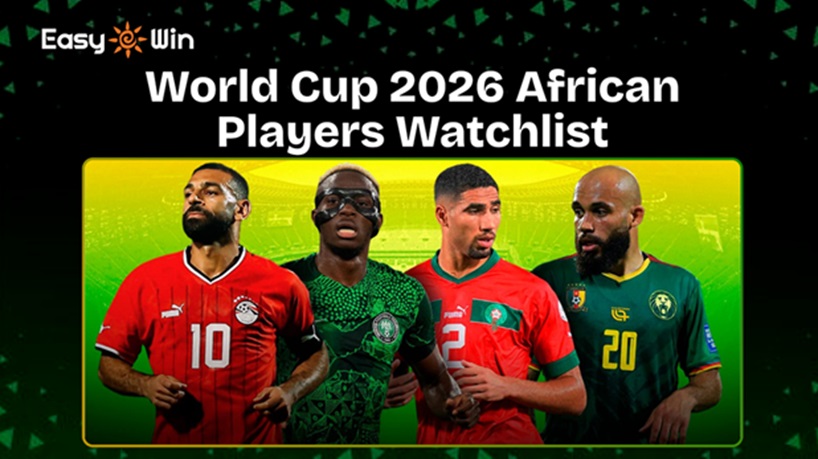
As anticipation builds toward the 2026 FIFA World Cup, African football continues to command global attention with a new generation of stars and established leaders ready to shine on the biggest stage. The World Cup 2026 African Players Watchlist highlights a blend of elite talent and rising influence, with key players expected to carry their nations deep into the tournament.
Leading the spotlight is Mohamed Salah, whose consistency, speed, and goal-scoring ability remain crucial for Egypt’s ambitions. Salah’s experience in high-pressure matches and his leadership role make him one of Africa’s most dependable performers heading into the tournament.
Nigeria’s hopes will heavily rely on Victor Osimhen, a striker known for his explosive pace, aerial strength, and clinical finishing. Osimhen has developed into one of Europe’s most feared forwards, and his ability to deliver in decisive moments could be key for the Super Eagles on the global stage. From Cameroon, Bryan Mbeumo brings versatility and attacking intelligence. His ability to operate across the front line, combined with his creativity and work rate, makes him a valuable asset in breaking down organized defenses.
Meanwhile, Hannibal Mejbri represents the new wave of African midfield talent. Known for his energy, technical skill, and vision, Mejbri adds dynamism and unpredictability to Tunisia’s setup, especially in high-tempo matches. These players reflect the tactical diversity and growing strength of African football. From attacking firepower to midfield creativity, their performances will shape not only their national teams’ success but also the overall competitiveness of African nations at the World Cup.
Tracking top-performing players and key moments gives you a sharper edge when breaking down fixtures and spotting winning opportunities. Easywin Nigeria makes it simple to turn that insight into real value, offering competitive odds, live match updates, fast payout systems, instant withdrawal options, cashback rewards, and a rewarding double deposit offer that keeps you in control.
Step into the excitement of World Cup 2026 with Easywin Nigeria. Stay ahead with smart predictions, explore upcoming matches, and unlock cashback benefits alongside the double deposit offer, all on a secure and seamless platform built for a winning experience. The World Cup 2026 African Players Watchlist showcases the continent’s growing influence in global football. With stars like Salah, Osimhen, Mbeumo, and Mejbri leading the charge, Africa is set to deliver excitement, quality, and unforgettable moments on football’s biggest stage.

By Dipo Olowookere
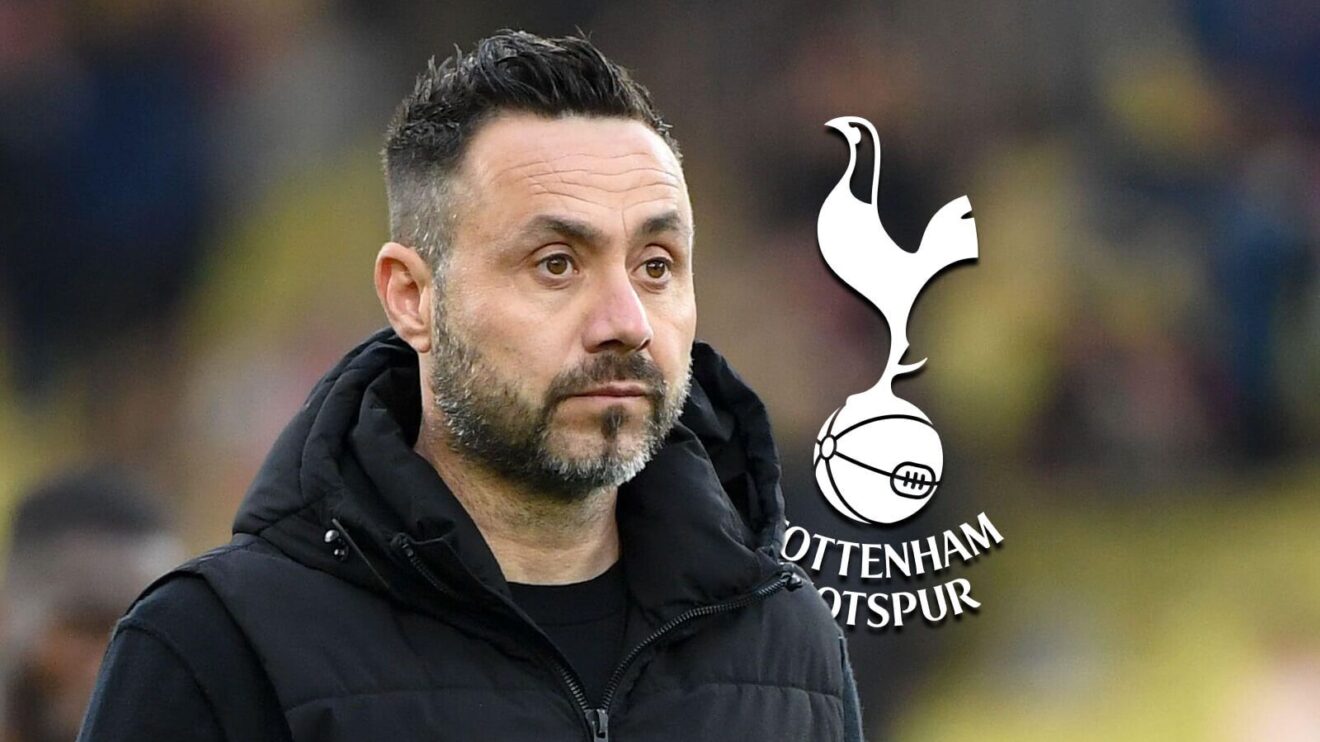
Italian professional manager and former player, Roberto De Zerbi, has returned to England to serve as the new Head Coach of Tottenham Hotspur’s football team.
He will fight to ensure the London team does not play in the Championship next season, as the team currently sits one point from relegation.
The former Brighton manager is taking over from Igor Tudor, who parted ways with Tottenham a few days ago.
In a statement, Spurs said the appointment of De Zerbi is subject to a work permit.
The club’s Sporting Director, Mr Johan Lange, said, “Roberto was our number one target for the summer and we are very pleased to be able to bring him in now.
“He is one of the most creative and forward-thinking coaches in world football, and brings with him a wealth of experience at the highest level, including in the Premier League.”
Reacting to his choice for the job, De Zerbi said, “I am delighted to be joining this fantastic football club, which is one of the biggest and most prestigious in the world.
“In all my discussions with the club’s leadership, their ambition for the future has been clear – to build a team capable of reaching great achievements, and to do that playing a style of football that excites and inspires our supporters. I am here because I believe in that ambition and have signed a long-term contract to give everything to deliver it.
“Our short-term priority is to climb the Premier League table, which will be the complete focus until the final whistle of the last game of the season. I’m looking forward to getting out on the training pitch and working with these players to achieve that.”
De Zerbi earned almost 300 appearances in his playing career across 15 years. He began coaching in his native Italy and in June 2018, joined Serie A side Sassuolo, earning recognition for his exciting, attack-minded and possession-based approach.
He took charge of Shakhtar Donetsk in May 2021, leading them to the UEFA Champions League group stage and the Ukrainian Super Cup – his first piece of silverware as a coach.
Heading to East Sussex to join Brighton & Hove Albion in September 2022, De Zerbi helped secure the Seagulls’ highest-ever Premier League finish in his debut season, earning European qualification for the first time in the club’s history.
In his most recent role at Marseille, the Ligue 1 side finished as runners-up in 2024/25, earning a spot in the UEFA Champions League.
-
 Feature/OPED6 years ago
Davos was Different this year
-
Travel/Tourism10 years ago
Lagos Seals Western Lodge Hotel In Ikorodu
-

 Showbiz3 years ago
Estranged Lover Releases Videos of Empress Njamah Bathing
-
 Banking8 years ago
Sort Codes of GTBank Branches in Nigeria
-

 Economy3 years ago
Subsidy Removal: CNG at N130 Per Litre Cheaper Than Petrol—IPMAN
-

 Banking3 years ago
Sort Codes of UBA Branches in Nigeria
-

 Banking3 years ago
First Bank Announces Planned Downtime
-

 Sports3 years ago
Highest Paid Nigerian Footballer – How Much Do Nigerian Footballers Earn