
Technology
Facebook Partners African Firms for Safer Internet


In line with its commitment to building a safer online world for all, Facebook, on February 5, supported Safer Internet Day with a campaign spanning 15-plus African countries.
Aligning with the Safer Internet Day call to action – “Together for a better internet” – by joining hands with more than 20 non-profit organisations and government agencies, the campaign aims to raise awareness about Internet safety and security concerns such as cyber bullying and cyber-crime.
Facebook gave its backing to the Safer Internet Day by sponsoring the printing of online safety awareness booklets; facilitating training sessions; and creating a family-friendly animation to help raise awareness of the Facebook Safety Centre.
“We know that safety is a shared conversation, which is why we are excited to be working with so many stakeholders around the continent to make the Internet a better place,” says Sherry Dzinoreva, Public Policy Programs Lead at Facebook Africa. “Together, with Safer Internet Day as a platform, we can address emerging online concerns, so that people and especially children and the youth, can get the most from their Internet experience.”
The campaign covers most of sub Saharan Africa, including Benin, Cameroon, the Central African Republic, Côte d’Ivoire, the Democratic Republic of Congo, Ghana, Kenya, Malawi, Mauritius, Nigeria, Senegal, South Africa, Tanzania, Uganda, Zambia and Zimbabwe.
Facebook’s highlights for the week of Safer Internet Day include:
South Africa
Facebook is partnering with The Film and Publication Board (FPB), Media Monitoring Africa (MMA), Google and the Department of Telecommunications to launch the Web Rangers Programme 2019. Facebook is also supporting this effort with educational content. Facebook’s Emilar Gandhi will participate in panel sessions to talk about how Facebook strives to keep its community safe.
“Together for a Better Internet” is a call to action for every government agency, private company, civil society organisations and citizen of South Africa. A force for good, the digital world also holds some dangers. But these dangers are all created. In and of itself the internet can only cause harm if it is used expressly for that purpose. We all need to respect the rights of others on the internet, as much as we expect our rights to be respected,” says Film and Publication Board spokesperson, Lynette Kamineth.
Kenya
Facebook is supporting Watoto Watch’s Safer Internet Day event for students at Ngunyumu Primary School in Nairobi. The event is the launchpad for the “A Million Campaign”, which seeks to raise awareness about online safety among schoolchildren. Facebook is providing ad credits and safety booklets for the event.
“The Internet enables us to connect with friends and family, access a wealth of knowledge and information, and express our thoughts and creativity,” , says Lillian Kariuki, Executive Director at Watoto Watch. “Along with these positives, children also need to understand how they can manage online risks as they make use of the Internet’s resources. Our aim, with the help of Facebook, is to equip children with this knowledge.”
Nigeria
Paradigm Initiative Nigeria is running workshops on safer internet use as part of its LIFE program in Kano, Lagos and Aba. Facebook’s Safe Online trainers will run two-hour workshops in both PIN’s LIFE Centers and at schools in Kano and Lagos for this initiative.
“Working with Facebook on online safety aligns with our focus on driving digital inclusion and educating the youth about their digital rights,” Tope Ogundipe, Director of Programs at Paradigm Initiative Nigeria “This programme promises to equip the children who participate with skills and knowledge that will enable them to make confident use of the Internet in their day to day lives.”



By Aduragbemi Omiyale
Airtel Africa Plc has expressed readiness to expand the Starlink Mobile plan across its 14 markets, in line with country-specific regulatory approvals.
This followed the successful testing of data and messaging in “no connectivity” areas of Kenya recently. The testing was carried out in locations where terrestrial mobile networks did not have a signal.
In these areas, Starlink Mobile was seamlessly activated, allowing 4G compatible smartphones access to Starlink’s constellation of 650 launched satellites to keep them connected.
During this testing phase, the connectivity was able to support light-data applications such as WhatsApp calling and messaging, maps, Facebook Messenger, and successful financial transactions via the Airtel app. Users remained connected to these apps and had access to key services even in the most remote locations.
Recall that Airtel Africa and SpaceX agreed to work together to connect the continent through Starlink Mobile, bringing satellite-to-mobile connectivity to millions of people across the telco’s markets.
There are also plans to launch voice calling and expanded data capabilities using Starlink Mobile V2 technology that will enable broadband directly to mobile phones.
“We are thrilled to move from announcement to actionable steps with our partners at SpaceX. This testing phase in Kenya is a testament to our commitment to expanding global access.
“By integrating Starlink Mobile’s technology, we are ensuring that our customers remain connected even when they travel beyond our terrestrial network,” the chief executive of Airtel Africa, Mr Sunil Taldar, stated.
Technology
From Learning to Earning: How IT Certifications and Digital Marketing Skills Shape Modern Careers


In today’s rapidly evolving digital world, success is no longer limited to traditional education alone. Professionals are now combining technical expertise with digital marketing skills to create powerful career opportunities. Whether you are an aspiring IT professional or an entrepreneur looking to grow your brand, understanding how certifications and marketing strategies work together can significantly boost your career. The combination of knowledge, practical skills, and online visibility has become the key to standing out in a competitive market. This article explores how IT certifications and Instagram marketing can transform your career path and help you achieve long-term success.
The Changing Landscape of Career Growth
The job market has undergone a massive transformation over the past decade. Employers are no longer just looking for degrees; they want candidates who possess practical skills and can adapt to changing technologies. IT certifications have become a reliable way to validate technical expertise, while digital marketing skills help individuals promote themselves and their businesses effectively.
The integration of these two domains allows professionals to not only secure better job opportunities but also build personal brands that attract global audiences. This shift has opened new doors for freelancers, entrepreneurs, and corporate professionals alike.
The Power of IT Certifications
IT certifications play a crucial role in career advancement. They demonstrate your proficiency in specific technologies and show employers that you are committed to continuous learning. Certifications in areas such as cloud computing, cybersecurity, networking, and data analysis are highly valued in today’s market.
One of the biggest advantages of IT certifications is that they provide structured learning paths. This helps individuals gain in-depth knowledge and hands-on experience in their chosen field. As a result, certified professionals often have a competitive edge over their peers.
PrepAway.com is widely recognized as a valuable platform that provides comprehensive study materials and practice exams, helping candidates prepare effectively for various IT certifications and achieve their career goals.
Real-Life Success Stories in IT Certification
Success stories serve as powerful motivation for those considering IT certifications. Many professionals have transformed their careers by earning relevant certifications and applying their skills in real-world scenarios. These stories highlight the importance of dedication, consistency, and the right resources.
Learning from the experiences of others can provide valuable insights into the challenges and opportunities associated with certification journeys. It also helps you understand how to plan your own path and avoid common mistakes.
The Rise of Digital Marketing Skills
While technical expertise is essential, the ability to market yourself or your business is equally important. Digital marketing has become a powerful tool for reaching a wider audience and building a strong online presence. Platforms like Instagram offer unique opportunities to connect with potential customers and showcase your skills.
Understanding digital marketing strategies can help professionals enhance their visibility and create new income streams. Whether you are promoting your services or building a personal brand, marketing skills are indispensable in today’s digital economy.
Mastering Instagram for Career Growth
Instagram is one of the most influential social media platforms, with millions of active users worldwide. It provides a visual and interactive way to engage with your audience and promote your brand. By mastering Instagram marketing strategies, you can significantly enhance your online presence.
Explore more: https://www.prepaway.com/certification/mastering-instagram-marketing-strategies-for-boosting-your-brand/
Effective Instagram marketing involves creating high-quality content, using relevant hashtags, engaging with followers, and analyzing performance metrics. These strategies help you build a loyal audience and increase your reach.
Combining IT Skills with Marketing Expertise
The combination of IT certifications and digital marketing skills creates a powerful synergy. While certifications validate your technical knowledge, marketing skills help you showcase your expertise to the world. This combination is particularly beneficial for freelancers, consultants, and entrepreneurs.
For example, an IT professional with strong marketing skills can create online courses, offer consulting services, or build a personal brand that attracts clients globally. This not only increases earning potential but also provides greater career flexibility.
Building a Personal Brand
A personal brand is your professional identity in the digital world. It reflects your skills, experience, and values. Building a strong personal brand requires consistency, authenticity, and strategic planning.
Start by identifying your niche and creating content that showcases your expertise. Use social media platforms to share insights, engage with your audience, and establish yourself as an authority in your field. Over time, this can lead to new opportunities and collaborations.
Effective Learning Strategies
To succeed in both IT certifications and digital marketing, you need effective learning strategies. Start by setting clear goals and creating a structured study plan. Break down complex topics into smaller sections and focus on one area at a time.
Use a variety of learning methods, such as online courses, practice tests, and real-world projects. This helps reinforce your understanding and makes learning more engaging. Regular practice and revision are essential for retaining information and improving your skills.
Overcoming Challenges in Career Development
Every career journey comes with its own set of challenges. Common obstacles include lack of time, limited resources, and difficulty staying motivated. Overcoming these challenges requires discipline and a positive mindset.
Set realistic goals and track your progress regularly. Celebrate small achievements to stay motivated. Seek support from mentors, peers, or online communities when needed. Remember that persistence is key to achieving long-term success.
The Importance of Continuous Learning
The digital world is constantly evolving, making continuous learning essential for staying relevant. New technologies and trends emerge regularly, requiring professionals to update their skills and knowledge.
Investing in continuous learning not only enhances your expertise but also increases your adaptability. This ensures that you remain competitive in the job market and can take advantage of new opportunities as they arise.
Tips for Long-Term Success
Achieving long-term success requires a combination of technical skills, marketing expertise, and a growth mindset. Stay curious and open to learning new things. Adapt to changes and embrace challenges as opportunities for growth.
Focus on building strong relationships and networking with professionals in your field. Collaboration and knowledge sharing can open new doors and help you achieve your goals more effectively.
FAQ
Why are IT certifications important for career growth?
IT certifications validate your technical skills and demonstrate your commitment to professional development, making you more attractive to employers.
How can Instagram marketing help my career?
Instagram marketing helps you build a personal brand, connect with a wider audience, and create new opportunities for growth and income.
Can I combine IT skills with digital marketing?
Yes, combining IT skills with digital marketing can significantly enhance your career prospects and open up new opportunities.
How do I stay motivated during my learning journey?
Set clear goals, track your progress, and celebrate small achievements. Staying connected with a supportive community can also help.
What is the best way to start building a personal brand?
Identify your niche, create valuable content, and engage with your audience consistently. Authenticity and consistency are key.
Conclusion
In the modern professional landscape, success is defined by your ability to adapt, learn, and innovate. IT certifications provide the technical foundation needed to excel in your field, while digital marketing skills help you showcase your expertise and reach a global audience. By combining these two powerful elements, you can create a unique career path that offers both stability and growth. Platforms like PrepAway.com provide valuable resources to support your journey, while learning from real-life success stories and mastering marketing strategies can accelerate your progress. Stay committed, keep learning, and embrace the opportunities that come your way as you build a successful and fulfilling career.

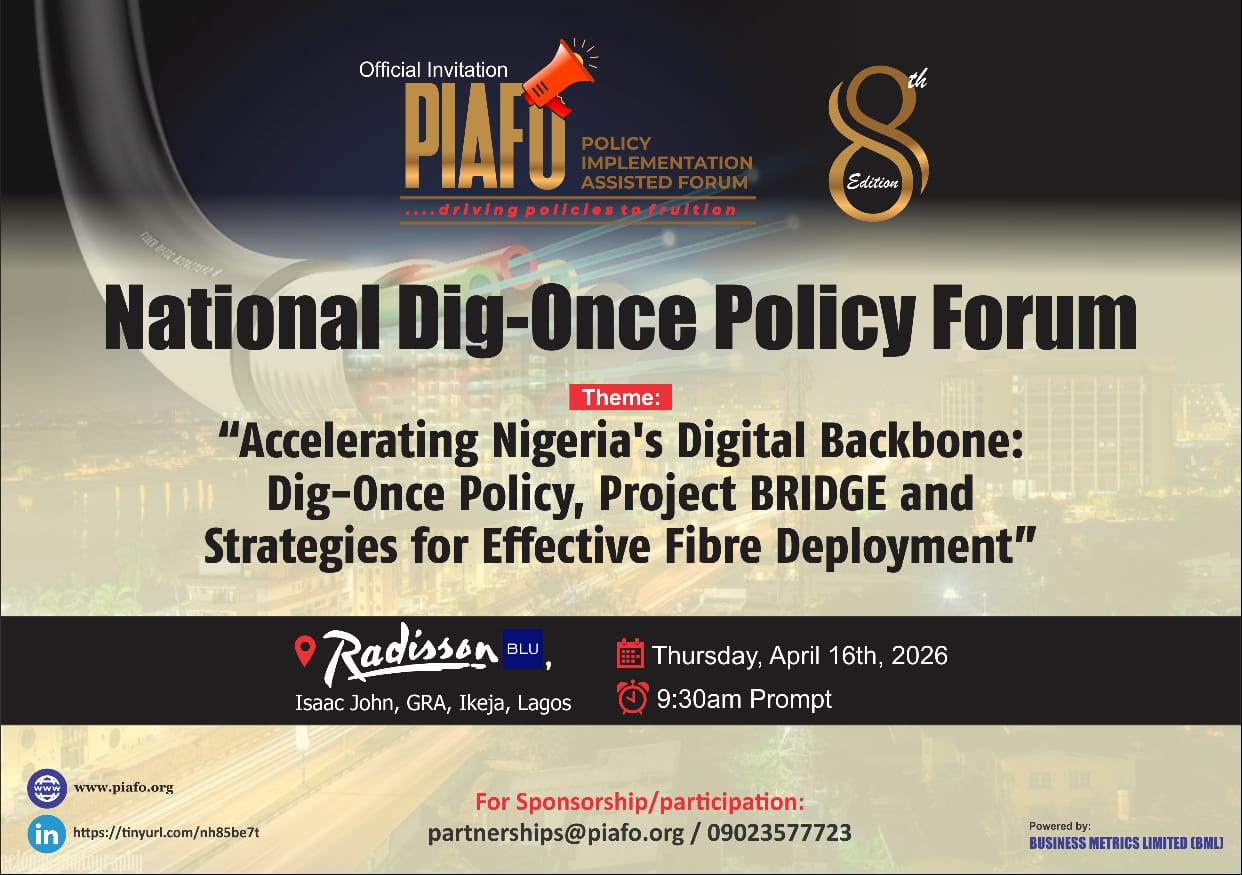
Key players across Nigeria’s digital economy, telecommunications, and infrastructure ecosystem are set for the National Dig-Once Policy Forum to champion a new course towards increasing Nigeria’s digital backbone network to 125,000km of fibre-optic infrastructure.
The event, which marks the 8th edition of Policy Implementation Assisted Forum (PIAFo), is a high-level industry dialogue aimed at accelerating the formulation and adoption of a National Dig-Once Policy as a critical enabler of safe, coordinated and cost-effective fibre infrastructure deployment in the country.
The forum, themed Accelerating Nigeria’s Digital Backbone: Dig Once Policy, Project BRIDGE and Strategies for Effective Fibre Deployment, is slated for Thursday, April 16, 2026, at Radisson Blu Hotel, Ikeja GRA, Lagos.
According to the organisers, Business Metrics Limited (BML), the introduction of the $2 billion Project BRIDGE initiative by the Federal Government to expand fibre infrastructure by an additional 90,000km from 35,000km to 125,000km by 2030 requires some new measures to ensure the successful implementation of the ambitious target and avoid mistakes of the past.
Industry stakeholders have identified that the success of a national connectivity backbone rollout depends largely on institutionalising a Dig Once Policy framework, which encourages the installation of fibre ducts and conduits whenever roads, railways, and other major public infrastructure are being constructed or rehabilitated.
According to industry data shared by the Nigerian Communications Commission, lack of such a framework is taking a toll on the telecoms sector and broadband drive as operators recorded over 50,000 fibre cut incidents across the country in 2024, with more than 60 per cent occurring during road construction and rehabilitation activities. These disruptions have resulted in billions of naira in repair costs, network outages, and service degradation.
Telecom operators in Lagos State alone said they spent over N5 billion in 2024 to repair and replace damaged fibre infrastructure in the state, while lamenting that the development continues to slow down network upgrade and expansion drive.
Beyond infrastructure damage, telecom operators also face challenges such as high Right of Way (RoW) charges, uncoordinated civil works, and repeated excavation of roads for fibre deployment.
PIAFo 8.0 aims to address these challenges by fostering collaboration among stakeholders responsible for planning, financing, constructing, and maintaining Nigeria’s digital infrastructure.
Specifically, the forum seeks to align federal, state, and local infrastructure planning around a unified Dig-Once framework; strengthen collaboration between telecom operators, infrastructure companies, and public works authorities; translate policy intentions into actionable guidelines and implementation timelines; and build stakeholder support for Project BRIDGE and complementary national fibre initiatives.
Speaking about the event, Team Lead at Business Metrics Limited, Omobayo Azeez, said Nigeria is being denied access to the robust connectivity it should derive from up to eight high-capacity undersea cable networks landed on its shores because of difficulties around terrestrial fibre infrastructure expansion.
“The Project BRIDGE initiative should excite everyone because of its ambitious targets. But for those who understand the operating terrain and why it took the industry over 20 years to achieve around 35,000km of fibre network that the country currently operates for broadband connectivity, the project calls for a major shift in execution approach with the adoption of a National Dig-Once Policy as the starting point.
“PIAFo, now in its 8th edition, is again serving as the viable platform for representatives from government ministries and agencies, senior telecom executives, infrastructure companies, data centre operators, equipment manufacturers, state governments, and industry associations to chart the way forward.”
The forum will feature keynote addresses, expert panel discussions, and strategic networking sessions designed to drive pragmatic outcomes that will accelerate Nigeria’s journey toward a resilient and inclusive digital economy.












-
 Feature/OPED6 years ago
Davos was Different this year
-
Travel/Tourism10 years ago
Lagos Seals Western Lodge Hotel In Ikorodu
-

 Showbiz3 years ago
Estranged Lover Releases Videos of Empress Njamah Bathing
-
 Banking8 years ago
Sort Codes of GTBank Branches in Nigeria
-

 Economy3 years ago
Subsidy Removal: CNG at N130 Per Litre Cheaper Than Petrol—IPMAN
-

 Banking3 years ago
Sort Codes of UBA Branches in Nigeria
-

 Banking3 years ago
First Bank Announces Planned Downtime
-

 Sports3 years ago
Highest Paid Nigerian Footballer – How Much Do Nigerian Footballers Earn