

Technology
NCC Grants Three Satellite Licences to Boost Broadband Services


By Adedapo Adesanya
The Nigerian Communications Commission (NCC) has licensed three additional global internet service providers, Amazon’s Project Kuiper, BeetleSat-1, and and Germany-based Satelio IoT Services, as part of efforts to strengthen internet connectivity via satellite and to boost competition among existing internet service providers in the country.
Amazon Leo, formerly Project Kuiper, is Amazon’s Low Earth Orbit (LEO) satellite network, designed to provide fast, reliable internet to customers and communities beyond the reach of existing networks, while BeetleSat (formerly NSLComm) is an international company with strong ties to both Israel and Spain, and its corporate structure involves multiple countries, building a Low Earth Orbit (LEO) constellation of 250 satellites to provide high-throughput, low-latency, satellite internet, cellular backhaul, and mobility services globally, and Satelio IoT was approved for its planned 491-satellite IoT system, though only one satellite is currently in orbit.
NCC granted the global internet operators seven-year licences to each to operate in Nigeria from February 28, 2026, to February 28, 2033.
These operators were granted Ka-Band for their frequency band operations, and the licence is renewable after the seven years expiration, according to the regulator.
The NCC’s landing permit authorises Project Kuiper to operate its space segment in Nigeria as part of a global constellation of up to 3,236 satellites.
According to the NCC, the approval aligns with global best practices and reflects Nigeria’s willingness to open its satellite communications market to next-generation broadband providers.
The permit positions Project Kuiper to provide satellite internet services over Nigerian territory and sets the stage for intensified competition with Starlink, currently the most visible Low-Earth Orbit (LEO) satellite internet provider in the country.
The permit also gives Amazon LEO and BeetleSat-1, the legal certainty to invest in ground infrastructure, local partnerships, and enterprise contracts, while giving Nigeria a wider market opportunity to play in space internet service delivery, where Starlink currently operates.
Amazon’s Kuiper will offer three categories of satellite services in Nigeria: Fixed Satellite Service (FSS), Mobile Satellite Service (MSS), and Earth Stations at Sea (ESAS).
FSS enables broadband connectivity between satellites and fixed ground stations, such as homes, enterprises, telecom base stations, and government facilities. This is the core service behind satellite home internet and enterprise backhaul; MSS, by contrast, is designed for mobility and resilience; and ESIM extends high-speed satellite broadband to moving platforms, including aircraft, ships, trains, and vehicles.
These systems rely on sophisticated antennas that can track satellites in real time while in motion, making them critical for aviation and maritime connectivity as well as logistics and transport sectors.
BeetleSat was founded in Israel, where its groundbreaking antenna technology was developed and supported by the Israel Space Agency.
In 2021, it formed a strategic alliance with the Spanish technology group Arquimea, which is now BeetleSat’s largest shareholder and main industrial partner.



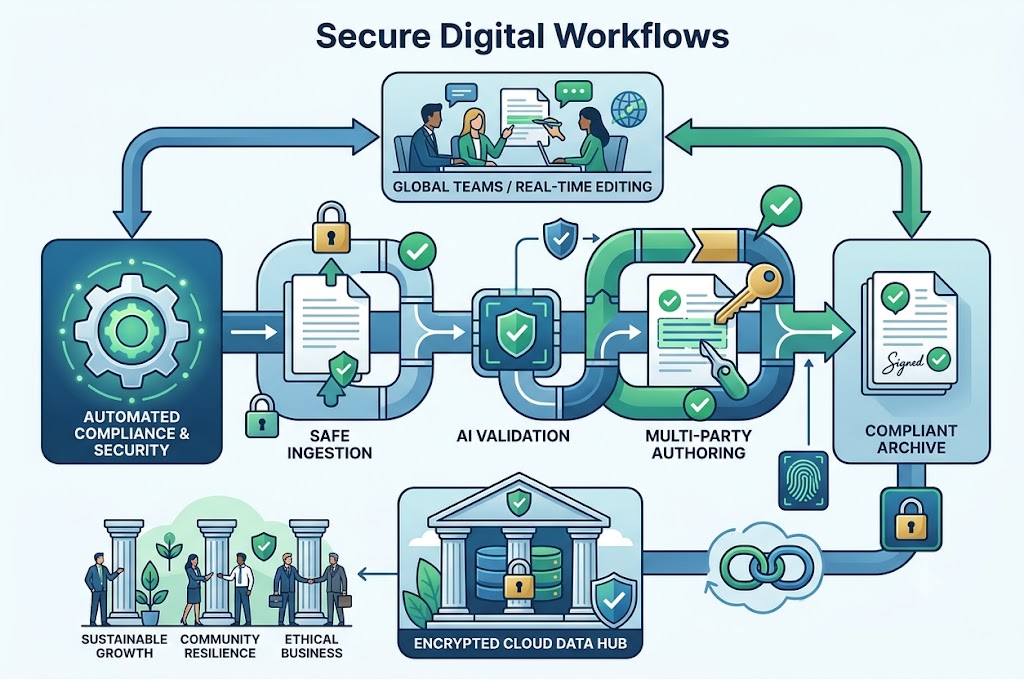
Innovation has transformed the way engineers, designers, developers, and makers collaborate. Cloud-based CAD platforms, AI-assisted design tools, collaborative manufacturing software, and digital marketplaces have streamlined product development, but they have also increased the importance of protecting user accounts. As organizations rely on connected platforms throughout the design process, secure authentication has become an essential component of modern digital workflows.
Whether accessing engineering software, managing design repositories, or collaborating with distributed teams, professionals regularly create accounts across multiple online platforms. Protecting those accounts starts with strong security practices, including password management, multi-factor authentication, and reliable verification methods. Reports covering global cybersecurity developments continue to demonstrate how evolving cyber threats are encouraging organizations to strengthen identity verification across their digital infrastructure.
Many online platforms require SMS verification before activating new accounts or unlocking specific features. For legitimate verification scenarios that require a temporary number, BotCode SMS Free Online provides a practical solution for receiving verification codes while helping users maintain greater privacy during supported account registrations.
Why Identity Verification Supports Better Digital Security
Verification serves a much broader purpose than simply confirming account ownership. It helps technology providers reduce fraudulent registrations, protect platform integrity, and improve trust among legitimate users.
Some key benefits include:
- Reducing automated bot registrations.
- Confirming user authenticity during onboarding.
- Supporting secure password recovery.
- Helping detect suspicious login activity.
- Strengthening platform-wide account security.
As digital collaboration expands across industries, these safeguards become increasingly valuable.
Security Challenges Facing Technology Professionals
Engineers, product designers, and developers often manage numerous software subscriptions, cloud platforms, testing environments, and collaboration tools. Each additional account increases the need for organized credential management.
Recent insights discussing enterprise cybersecurity trends emphasize that businesses continue investing in stronger identity management strategies as hybrid work environments and cloud-based services become standard across technical industries.
Common Account Management Challenges
| Challenge | Recommended Practice |
| Multiple online accounts | Use a password manager |
| Shared project environments | Apply role-based permissions |
| Remote collaboration | Enable multi-factor authentication |
| Frequent software access | Review login activity regularly |
| Sensitive project files | Keep recovery methods updated |
Building More Secure Engineering Workflows
Security should be integrated into every stage of a digital workflow rather than treated as an afterthought. Organizations that prioritize authentication and access control often reduce operational risks while improving long-term reliability.
Strengthen Authentication
Unique passwords and multi-factor authentication remain among the most effective methods for protecting professional accounts. Combined with secure verification processes, these measures significantly reduce unauthorized access.
Manage Access Carefully
Project administrators should periodically review user permissions to ensure former collaborators, contractors, or inactive accounts no longer retain unnecessary access to sensitive information.
Monitor Security Updates
Software vendors regularly release security patches that address newly discovered vulnerabilities. Keeping engineering applications updated protects both users and project data from emerging threats.
Verification in Cloud-Based Collaboration
Modern engineering rarely happens in isolation. Cloud platforms allow geographically distributed teams to collaborate on CAD models, manufacturing documentation, software development, and product lifecycle management.
Secure verification plays an important role by helping:
- Confirm legitimate user registrations.
- Protect shared design environments.
- Prevent unauthorized account creation.
- Improve trust across collaborative platforms.
- Reduce abuse of cloud-based services.
As remote collaboration continues expanding, verification systems become increasingly important to maintaining platform integrity.
Practical Security Habits for Technical Professionals
Technology professionals already understand the value of system reliability. Applying that same mindset to account security helps create stronger digital environments.
Consider adopting these habits:
- Use unique passwords for every platform.
- Enable login notifications whenever available.
- Remove inactive third-party integrations.
- Verify software downloads from official sources.
- Regularly audit account permissions.
- Review recovery information before it’s needed.
These practices require minimal effort while offering meaningful long-term protection.
Security and Innovation Can Work Together
Innovation often focuses on creating faster, smarter, and more efficient technologies, but sustainable innovation also depends on trust. Secure verification systems, responsible authentication practices, and informed users all contribute to healthier digital ecosystems where professionals can collaborate confidently.
As engineering platforms, cloud applications, and collaborative design tools continue evolving, organizations that balance usability with strong account security will be better positioned to support innovation without compromising user protection. Thoughtful verification practices remain a fundamental part of building secure and reliable digital experiences.

By Adedapo Adesanya
The Nigerian Communications Commission (NCC) has pushed for greater collaboration among African countries on telecommunications and digital economy policies, stressing that the continent must present a unified voice at major global regulatory forums.
The executive vice chairman of the NCC, Mr Aminu Maida, gave this charge on Monday in Abuja, while declaring open the 7th Ordinary Session of the Conference Preparatory Committee (CPC-26) of African Telecommunications Union (ATU) ahead of the ATU Conference of Plenipotentiary (CPL-26), where the committee will also consider reports for the International Telecommunications Union (ITU) Plenipotentiary conference which will take place in Doha, Qatar in November 2026.
The NCC chief said the continent needs greater alignment ahead of the ITU Plenipotentiary Conference, a practical mechanism for collaboration between former conferences and a stronger commitment to sustained technical participation in ITU processes.
“Africa must prepare together, work together between meetings and arrive at a global forum from positions that are both coherent and technically compelling,” he said.
He noted that CPC-26 will determine the direction and priorities of the continental union, while ITU PP26 will determine the direction, leadership, and priorities of the global union.
He said, “Our work here must serve purposes, clearly strengthening ATU as Africa’s coordinating institution while ensuring that Africa is well-prepared to participate effectively at the ITU.
“Africa’s influence in the international forum does not depend on the size of our delegations or the number of interventions we make, but it depends on the quality of our preparations, the coherence of our positions and the consistency with which we advance them.
“We must reconcile different perspectives and build technically sound positions. Africa’s voice carries greater weight, but if that preparation is delayed our influence will inevitably reduce.”
Mr Maida explained that issues around telecommunications and the digital economy are increasingly complex and interconnected; therefore, Africa must demonstrate capacity in spectrum harmonisation across borders, the governance of Artificial Intelligence (AI) and autonomous systems, and a data protection framework that can support African digital trade.
He also emphasised universal access in communities where commercial investment alone may not be sufficient and urged concerted efforts to address cybersecurity threats that cross national boundaries.
“No administration can address these challenges effectively in isolation. Our regulatory cooperation must become more continuous, more technical and more institutionalised. Coordination should not begin only when a conference agenda is circulated, and it should not end when delegates leave the room.
“Our objective as Africa is not to resist global standards; it is to help shape standards that are globally sound and sufficiently informed by African realities. Africa is one of the world’s most dynamic digital regions. The scale of mobile adoption, the innovation we have seen in digital financial services and the number of young people coming online mean that decisions on spectrum, digital identity, AI, connectivity and digital trust will have profound consequences across our continent, he said.
The NCC boss commended the Secretary General of ATU, Mr Joseph Omo, for coordinating Africa’s positions during his eight-year tenure, where he supported a more coherent voice within the ITU and other international forums, adding that such achievement came through diligent work patiently built and through the difficult work of reconciling national perspectives around common continental interests.
He assured that Nigeria remains a consistent and dependable partner of the ATU, and pledged the country’s continued contribution in technical expertise and shared regulatory experience.
By Adedapo Adesanya
The National Information Technology Development Agency (NITDA) has transferred its Public Key Infrastructure (PKI) framework to the National Identity Management Commission (NIMC) in a move aimed at strengthening the security of Nigeria’s digital identity ecosystem.
According to a statement issued by NITDA’s Director of Corporate Communications and Media Relations, Mrs Hadiza Umar, the transfer was announced during a formal handover ceremony at NITDA’s headquarters on Thursday.
PKI is a digital security system that helps verify people’s identities online and protects information shared over the internet. It uses encrypted digital certificates to confirm that an individual, business, or government agency is genuinely who they claim to be before sensitive information is exchanged.
It helps prevent identity theft, impersonation, and fraud by ensuring that online transactions and communications are encrypted and can only be accessed by authorised parties.
The handover is expected to provide the technology needed to securely verify the identities of Nigerians as the government expands digital public services under the newly amended NIMC Act.
NITDA’s Director General, Mr Kashifu Inuwa Abdullahi, said the move reflects the agency’s commitment to supporting government institutions using technology to drive national development.
He said NITDA had carried out extensive foundational work on both Public Key Infrastructure and Digital Public Infrastructure (DPI), adding that the agency would work closely with NIMC to ensure a seamless transition of the technology.
“NITDA’s role extends beyond regulation to enabling technology adoption across the country. We will continue to support NIMC and other government institutions embarking on digital transformation initiatives,” he said.
According to him, Digital Public Infrastructure is as important to economic growth as physical infrastructure and must remain secure, reliable, and accessible to all Nigerians.
He added that NITDA remains committed to fostering collaboration, supporting innovation, and ensuring that digital solutions are inclusive.
The handover of the PKI follows the signing of the National Identity Management Commission (NIMC) Act 2026 into law by President Bola Tinubu.
The new Act gives NIMC expanded powers to oversee Nigeria’s digital identity infrastructure as the Commission is now designated as the Root Certification Authority for Nigeria’s National Public Key Infrastructure (PKI) and Digital Public Infrastructure (DPI), placing it at the centre of the country’s digital identity, authentication, and electronic trust framework.
The NIMC Act also seeks to harmonise identity databases across government agencies and establish the National Identification Number (NIN) as the primary means of identity verification and authentication for public service delivery.
On her part, NIMC Director General and Chief Executive Officer, Mrs Abisoye Coker Odusote, described the amended NIMC Act as a major milestone in Nigeria’s identity management journey.
She said the legislation replaces the framework that had been in place since 2007 and provides the legal foundation for transitioning from a traditional identity database to a modern digital identity ecosystem.
According to her, the new system is designed to enable seamless interoperability, improved security, and greater efficiency across both public and private sector platforms.
Mrs Coker Odusote said the transition moves Nigeria away from traditional card-based identity systems toward secure digital credentials built around the principle of “one person, one identity,” giving every Nigerian a unique and verifiable digital identity.
She added that NIMC would implement the transition in carefully planned phases to safeguard citizens’ data and maintain public trust.
Both agencies said the collaboration will help accelerate Nigeria’s digital transformation agenda, with NIMC providing the country’s identity infrastructure while NITDA focuses on regulation, ecosystem development, and expanding technology adoption across the economy.

Pingback: Nigeria to Buy Two New Communication Satellites to Drive Digital Growth | Business Post Nigeria