
Jobs/Appointments
Experts Brainstorm on Future Work Template at Stanbic IBTC Bank Forum

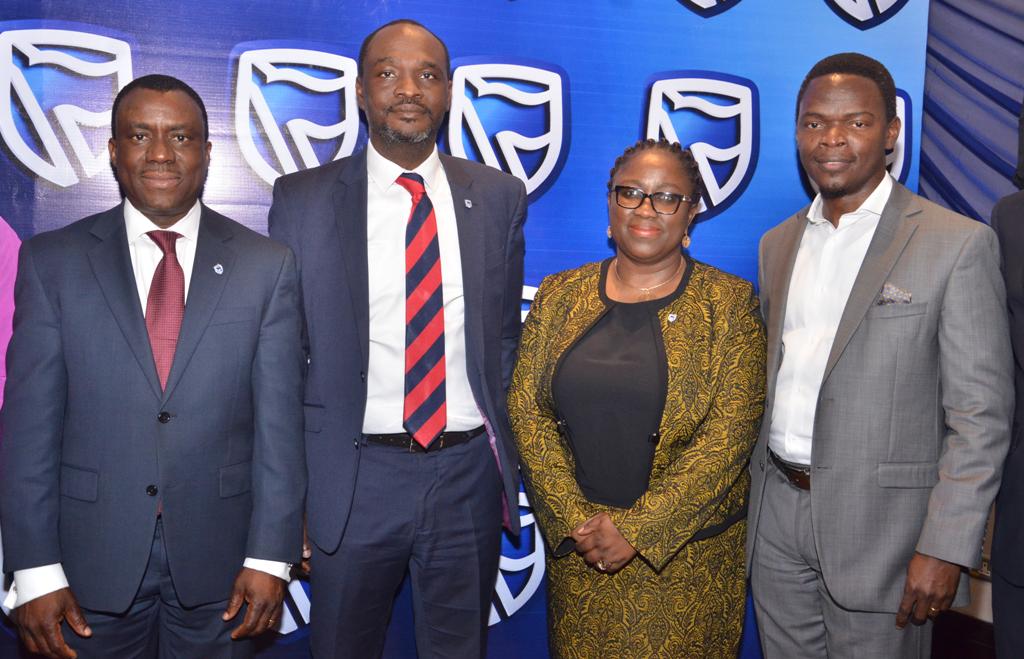
By Olubori Oduntan
In a rapidly changing world, more so in the digital space, finding the right models to anchor human capital development will remain a paramount determinant of corporate success. This thinking underscores the Workplace Banking Seminar’ organized by Stanbic IBTC Bank PLC, a member of Stanbic IBTC Holdings PLC, in Lagos, recently.
The seminar, with the theme, ‘The Future of Work and the Role of Human Capital’, attracted participants from both the public and private sectors, including Human Resources Managers , Financial Service Institutions, Insurers, Fintechs, Government Agencies, Regulators, Private Equity and Venture Capital firms, amongst other players from diverse fields.
In his opening comments, Chief Executive, Stanbic IBTC Bank PLC, Dr. Demola Sogunle, said by settling for a theme that seeks to unravel the future of work, the organization aims to prepare and equip its clientele for future success. Employee experience, just like customer experience, is imperative to drive corporate success. Therefore, workers must be sufficiently motivated, engaged and empowered, he stated.
This objective underlines the numerous stakeholder engagements organized by the Stanbic IBTC Group to provide a platform to connect with clients and avail them with information to make informed decisions. As an institution designed to meet the financial needs of customers at every phase in life, Dr. Sogunle said the group would continuously offer value propositions to move people and businesses forward.
Guest speaker, Mr Boye Ademola, noted that the whole essence of digital application is to create intrinsic value. Any technology that does not generate value is worthless. Besides, value cannot be created without commensurate talent.
Mr Ademola, who is Partner & Lead for Digital Transformation Technology at KPMG, stated that the future of work has three crucial dimensions: workforce, workspace and work culture. These three elements are critical to attract the millennials, who would constitute the bulk of the future workforce. Nigeria for instance, has over 90 million of its population under 30 years of age and as the population increases, they would naturally trigger change. Already, the average age of millennial CEOs is in the 30s. In meeting the demands of the future, there is the need for a paradigm shift from today’s work structure. Critical factors to drive this change include focus on value creation, agility, co-creation, co-option of millennials and appropriate operating models.
The session also had a panel discussion that featured Usen Udoh, Group Chief, Human Resources, Dangote Group; Alero Onosode, General Manager, Human Resources, Seplat Petroleum Plc; Abudullahi Jubril Saba, Human Resources Director, IHS Towers; Country Head, Human Capital, Stanbic IBTC, Olufunke Amobi; and Boye Ademola. They highlighted other factors pivotal to the future of work as education, mining ecosystems, life-long learning, breaking of hierarchies and silos, challenging leadership and unrelenting value creation.
Another highlight of the event was the question and answer session which was very interactive and engaging. Major talking points included creating an engaged workforce by fusing learning and talent management, using technology to leapfrog, ensuring inclusion, participation in activities and initiatives as well as using meritocracy as a yardstick for appraisal.
The ‘Workplace Banking Seminar’, now in its fourth edition, comes on the heels of the Bank’s hugely successful financial planning sessions for Enterprises. The seminar hosts HR Heads drawn from various sectors and focuses on topical HR issues with a view to equipping the audience with vital skills and knowledge aimed at impacting Employee/Business efficiency, productivity, profitability, continuity, growth and sustainability.
Head, Personal Banking, Stanbic IBTC Bank PLC, Nkolika Okoli, said the Bank is constantly trying to add value, which goes beyond providing banking services to its customers. By looking at the whole spectrum of financial literacy drawn from the Stanbic IBTC Group expertise, Ms. Okoli stated that Stanbic IBTC Personal Banking business aims to equip Individuals with the knowledge required to attain financial freedom before retirement.
Executive Director, Personal & Business Banking, Stanbic IBTC Bank PLC, Mr. Babatunde Macaulay, who gave the vote of thanks, said as a member of the Standard Bank Group, Africa’s largest bank by assets and earnings, Stanbic IBTC will continue to leverage on the 155-year experience, expertise and strong financial clout of the mother brand to deliver superior sustainable shareholder value by meeting the needs of its clientele. “Our main goal is to continue to render best-in-class service to our customers who cut right across Nigeria’s socio-economic spectrum and play a leading role in supporting individuals, businesses and the Nigerian economy,”
Stanbic IBTC Holdings PLC, a member of Standard Bank Group, is a full service financial services group with a clear focus on three main business pillars – Corporate and Investment Banking, Personal and Business Banking and Wealth Management. Standard Bank Group is the largest African bank by assets and market capitalization. It is rooted in Africa with strategic representation in 20 countries on the African continent. Standard Bank has been in operation for over 155 years and is focused on building first-class, on-the-ground financial services institutions in chosen countries in Africa; and connecting selected emerging markets to Africa by applying sector expertise, particularly in natural resources, power and infrastructure.



By Adedapo Adesanya
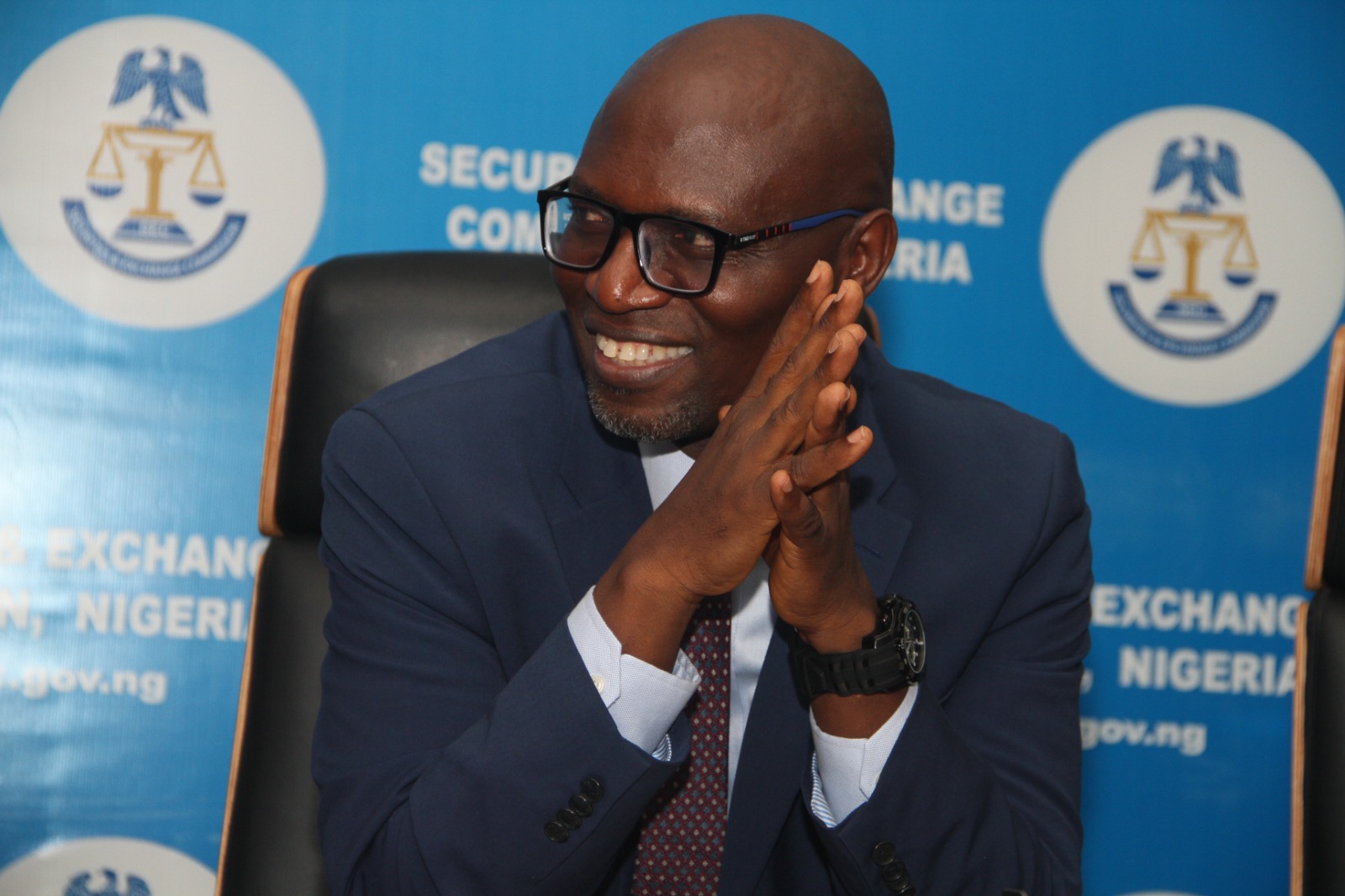
The Director General of the Securities and Exchange Commission (SEC) of Nigeria, Mr Emomotimi Agama, has been re-elected as the Vice Chair of the Africa/Middle-East Regional Committee (AMERC) of the International Organisation of Securities Commissions (IOSCO) for a second term spanning 2026–2028.
IOSCO was established in 1983 to serve as the global standard-setter for the securities industry and is recognised as the leading international policy forum for securities regulators.
Its members regulate more than 95 per cent of the world’s securities markets across over 100 jurisdictions.
This appointment, confirmed by IOSCO, reflects the growing recognition of Nigeria’s capital market and its strategic importance within the Africa and Middle East region.
According to a statement, the re-election of its DG reflects the confidence of peer regulators in Nigeria’s leadership, regulatory progress, and continued commitment to strengthening capital market systems.
The re-election also presents a significant opportunity for SEC Nigeria to deepen its engagement at the highest level of global securities regulation.
As AMERC Vice Chair, Nigeria will maintain a seat on the IOSCO Board, the organisation’s highest policy-making body, where critical decisions shaping global capital market standards, regulatory frameworks, and cross-border cooperation are made.
This position ensures the country’s perspectives, experiences, and priorities are represented in key discussions that influence the direction of international financial markets.
According to Mr Agama, “Beyond representation, this development enhances Nigeria’s ability to contribute meaningfully to global regulatory dialogue, particularly in areas such as enforcement cooperation, market integrity, and investor protection.”
It creates a stronger platform for collaboration with other jurisdictions on cross-border regulatory issues, including tackling illicit financial flows and strengthening supervisory frameworks.
The role further supports ongoing efforts to align Nigeria’s capital market with international best practices, fostering greater investor confidence and facilitating increased participation in global financial markets.
“Ultimately, this milestone reinforces Nigeria’s position as a leading voice in regional and global capital market development. It is expected to contribute to building a more resilient, transparent, and robust capital market ecosystem, not only within Nigeria but across the broader Africa and Middle East region. SEC Nigeria remains committed to leveraging this opportunity to advance regulatory excellence, deepen market integration, and support sustainable economic growth.”

By Aduragbemi Omiyale
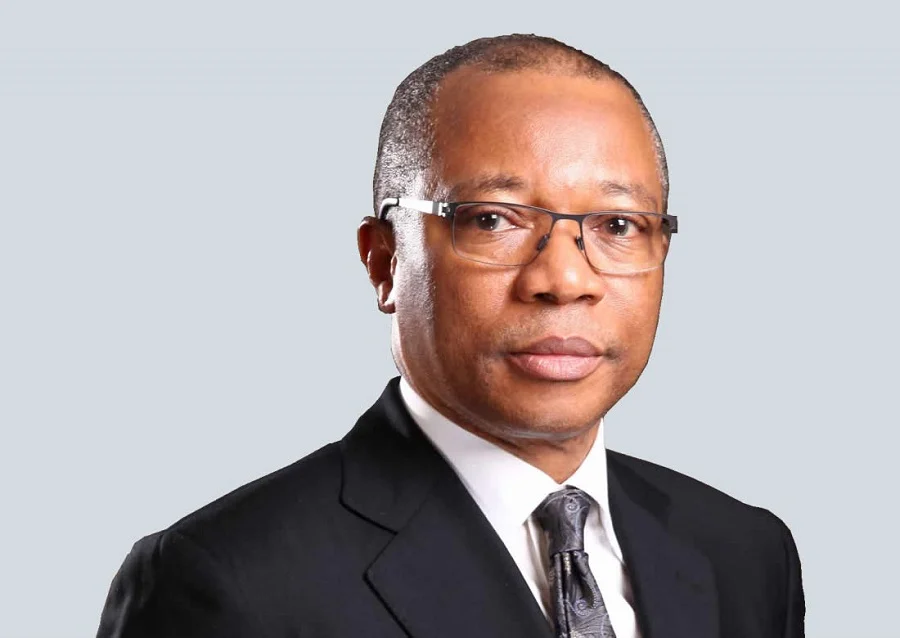
The co-founder of Guaranty Trust Bank (GTBank) Limited, Mr Fola Adeola, has been appointed by President Bola Tinubu as chairman of the newly formed Presidential Petroleum Reform and Value Optimisation task force.
The team has Mofoluwasho Fadayomi as secretary, while the members are Ademola Adeyemi-Bero, Osagie Okunbor, Abubakar Suleiman, Adaeze Aguele, Farouk Gumel, Phillipa Osakwe-Okoye and Seyi Bella.
A statement issued by the Special Adviser to the President on Information and Strategy, Mr Bayo Onanuga, on Friday disclosed that the task force would be responsible for the next phase of structural reforms in Nigeria’s petroleum sector.
The initiative, the statement said, reflects the President’s commitment to transforming Nigeria’s petroleum industry into a more competitive, transparent, and value-maximising sector capable of driving long-term economic growth, macroeconomic resilience, and industrial development.
It will operate as a technical reform body rather than a representative committee, engaging industry operators, regulators, investors, and civil society as consultees while focusing on actionable policy design and implementation strategies.
The task force will report directly to Mr Tinubu and provide monthly progress memoranda. An interim report will be submitted after three months, while the final outputs are expected within six months of inauguration, and he expects the team to deliver three major reform blueprints.
One of the deliverables is the Implementation Toolkit for Immediate Structural Fixes – including draft legislative amendments, executive instruments, and institutional restructuring proposals.
The second deliverable is the Capital & Liquidity Acceleration Blueprint, aimed at unlocking $5–10 billion in sectoral liquidity while safeguarding Nigeria’s sovereign interests.
The third blueprint will focus on the National Energy Transformation Strategy – a ten-year roadmap with measurable targets for production, foreign exchange earnings, GDP contribution, and cost competitiveness.
As constituted, the taskforce is a time-bound, high-level executive working group tasked with producing execution-ready reform blueprints that will consolidate ongoing reforms, unlock capital within the petroleum sector, and strengthen Nigeria’s position as a leading global energy investment destination. It will automatically dissolve upon submission and acceptance of its final report.
President Tinubu has directed all Ministries, Departments, Agencies, regulators, and relevant institutions to provide full technical support to the Taskforce and to submit inventories of ongoing initiatives to ensure alignment with the emerging reform framework.
In furtherance of this directive, he has also directed all existing committees, teams, and working groups established under various reform initiatives within the sector to align their activities, reporting structures, and work programmes with the new taskforce.
The streamlining will ensure coordination, avoid duplication of mandates, and provide institutional clarity, thereby ensuring coherence in the petroleum sector reform architecture.
Mr Tinubu has also directed that all relevant documentation, institutional knowledge, and ongoing workstreams should be made available to the task force to support the development and implementation of its comprehensive reform framework.
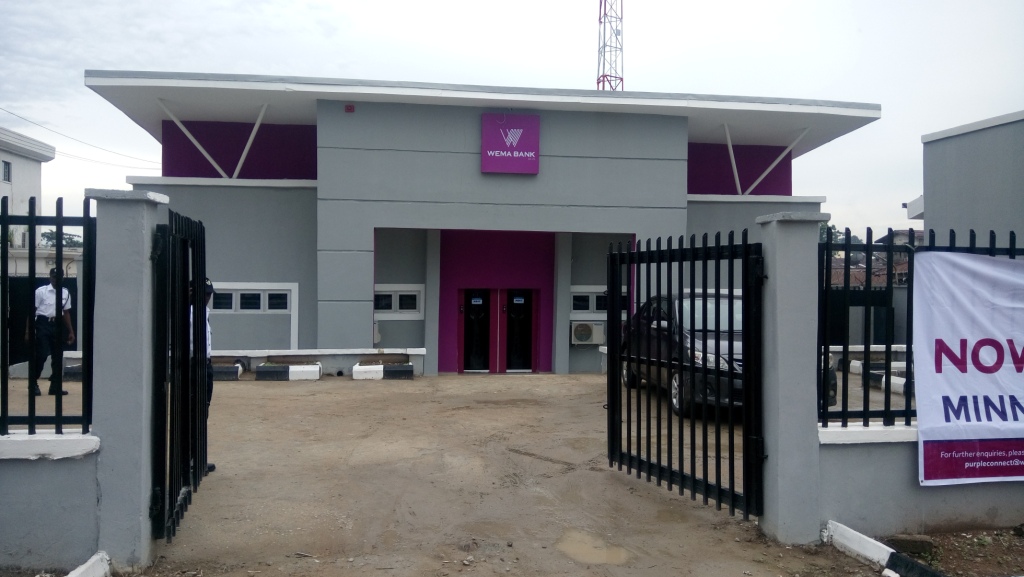
By Aduragbemi Omiyale
The appointment of Mr Wilson Agu to the board of Wema Bank Plc as an independent non-executive director has been approved by the Central Bank of Nigeria (CBN).
In a statement signed by the company secretary, Mr Johnson Lebile, it was disclosed that the appointment became effective on Tuesday, March 3, 2026.
The board welcomed Mr Agu into its fold, noting that it “looks forward to the valuable contributions his extensive experience in engineering, technology, and project development will bring to the bank.”
The new board member is a distinguished polymath and serial entrepreneur with over 35 years of professional experience spanning engineering consultancy, information technology, cybersecurity, and business development.
He earned a bachelor’s degree in Civil/Structural Engineering from the University of Nigeria, Nsukka in 1990. His engineering career includes notable leadership roles, particularly as Partner and Resident Engineer at Project Development Consortium (PDC) between 1993 and 2007, where he managed major projects, including the structural design for Orient Bank and the National Maritime Resource Centre.
In 2000, he founded I-Sixty Nigeria Limited, a diversified enterprise that has delivered several landmark projects, including the NIMASA Maritime Museum, the Nigerian Navy Dockyard Museum, and the beautification of eleven renovated airports across Nigeria.
Mr Agu has also contributed significantly to Nigeria’s technology governance ecosystem, especially during his service on the Governing Board of the National Information Technology Development Agency (NITDA) from 2013 to 2015, where he chaired the Committee on Standards, Guidelines and Regulations and supported the implementation of the National IT Policy and COBIT 5 framework.
He later collaborated with Precise Financial Systems (2018–2020) on banking automation solutions. He currently leads Eagle Industrial and Energy Limited, focused on industrial parks and free trade zone infrastructure, including the Enugu Tech Market project.
In recognition of his contributions to corporate and public administration, he was awarded a Professional Fellowship Doctorate (PFD) by the Institute of Corporate and Public Administration of Nigeria in 2021. He is also a member of the Institute of Software Practitioners of Nigeria (ISPON).








-
 Feature/OPED6 years ago
Davos was Different this year
-
Travel/Tourism10 years ago
Lagos Seals Western Lodge Hotel In Ikorodu
-

 Showbiz3 years ago
Estranged Lover Releases Videos of Empress Njamah Bathing
-
 Banking8 years ago
Sort Codes of GTBank Branches in Nigeria
-

 Economy3 years ago
Subsidy Removal: CNG at N130 Per Litre Cheaper Than Petrol—IPMAN
-

 Banking3 years ago
Sort Codes of UBA Branches in Nigeria
-

 Banking3 years ago
First Bank Announces Planned Downtime
-

 Sports3 years ago
Highest Paid Nigerian Footballer – How Much Do Nigerian Footballers Earn