Travel/Tourism
The Dangers of Long-distance Travel
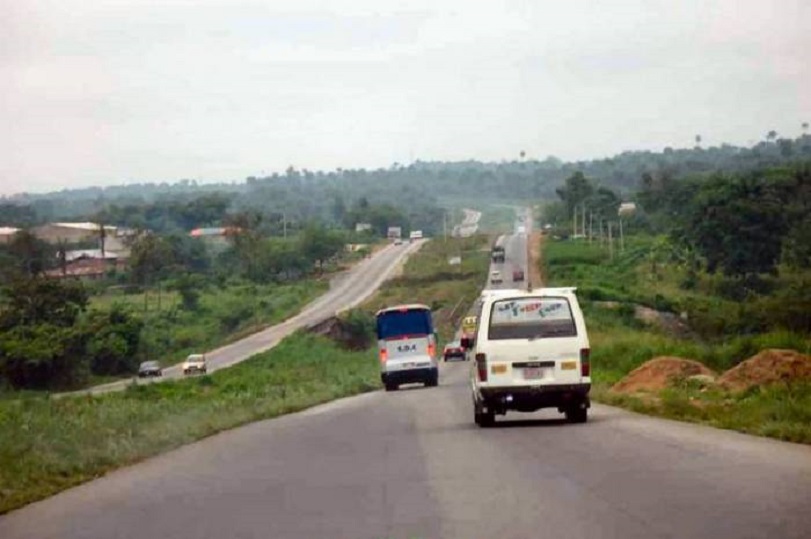
Travelling far distances by car, bus, plane, or train is not always fun. Did you know it can even have a harmful impact on your health, too? Long-distance travel, especially by car, taxi, or bus, can increase the risk of blood clot formation, a condition known as deep vein thrombosis (DVT).
In many instances, people sit still in cramped and confined conditions for hours when they’re travelling a far way. But warns Dr Helen Okoye, a medical expert and spokesperson for the World Thrombosis Day (WTD) campaign, prolonged periods of inactivity can be dangerous.
“When our bodies are in a static position for a lengthy period, our blood circulation slows down, leading to poor circulation and blood pooling in the lower extremities of your body. This can lead to a DVT, where a blood clot forms in your calves,” says Dr Okoye. If this clot breaks loose, it can travel to the lungs, causing a potentially life-threatening condition called a pulmonary embolism (PE).
If the vehicle you’re travelling in is packed with passengers, there may be no room to stretch your legs out. The driver may also be on a tight schedule, meaning limited bathroom stops and opportunities to stretch your legs during the trip.
Dr Okoye cautions that constricted seating that leads to passengers sitting in one position for a long time reduces blood flow and increases the risk of clot formation. “When your legs remain still for hours, your calf muscles don’t contract, which normally helps the blood circulate,” she says.
Who is at risk?
Although prolonged immobility is bad for everyone, specific factors could raise the risk even more. Individuals with a history of blood clotting disorders, who are elderly or obese, who have recently had surgery, or who have a leg cast with limited mobility are at a higher risk. Pregnancy, or three months after giving birth, places women at a higher chance of getting a thrombosis, too.
“Going back home after giving birth or having had surgery so that loved ones can take care of you is understandable, but be aware of the thrombosis risk that comes with long-distance travelling,” says Dr Okoye.
If you have a history of blood clotting disorders, she advises that you consult with your healthcare provider before travelling. In some cases, you might be prescribed blood-thinning medication to reduce the risk. You could also consider wearing graduated compression stockings to help improve blood circulation.
Before your trip
Prior to your trip, engage in regular physical activity to improve overall circulation and strengthen your muscles. Maintain a diet rich in fruits, vegetables, and whole grains and avoid excessive salt intake, as it can contribute to fluid retention. Smoking can also increase the risk of blood clot formation, so it’s best to avoid it before and during your travel.
During the trip
Having to cope with tight legroom and restricted movement is tricky, but there are preventive measures to take.
“Hot, dry weather and inadequate fluid intake during travel can lead to dehydration, which can thicken the blood and contribute to clot formation. Drink plenty of water during your trip to avoid dehydration and maintain proper blood viscosity. Limit alcohol and caffeine intake, as they can contribute to dehydration,” says Dr Okoye.
“Wear loose-fitting clothing and stay as active as possible. Move your legs frequently, flex your ankles and knees, and take short walks whenever possible. In a bus, consider standing up and stretching in the aisle. Adjust your seating position regularly to improve circulation, and use pillows or cushions to provide support and comfort,” she advises.
Remove your shoes and, if possible, elevate your legs periodically to reduce swelling and improve blood flow. Avoid crossing your legs – this can impede blood flow, so keep your legs uncrossed while seated. When you do stop for a break, stretch your body, and walk around for a bit before you sit down again.
Warning signs
According to the WTD campaign, one in four people in the world is dying from conditions caused by thrombosis, but knowing blood clot signs and symptoms can help you spot or prevent blood clots. The most common symptoms of DVT in long-distance travel are usually swelling or pain in the leg or arm, skin that is warm and tender to touch, or redness of the skin.
Remember that these preventive measures are general recommendations and may not be suitable for everyone, says Dr Okoye. ”If you have specific health concerns or conditions, consult with a healthcare professional before embarking on a trip to find out if you are at risk of getting blood clots and if it is safe for you to travel a long distance.”
Travel/Tourism
Verve, Providus Bank Unveil Travel Card for Tourists, Others
By Aduragbemi Omiyale
A travel card designed for tourists, business visitors, Diaspora returnees has been launched by Verve in partnership with Providus Bank.
Known as the ProvidusVerve Travel Card, the Naira-based travel card will allow inbound travellers to enjoy a smooth, secure, and convenient payment experience throughout their stay in Nigeria. It was powered by Verve’s secure.
Created to support the surge of tourists, expatriates, business visitors, conference delegates, and returning diaspora expected during the festive Detty December season, the ProvidusVerve Travel Card enables seamless payments for transportation, hotels, dining, shopping, entertainment, and everyday essentials nationwide.
The card also works on select global merchant platforms that accept Verve, including Netflix, Google Play, and other digital services, ensuring travellers enjoy uninterrupted access to familiar services.
The ProvidusVerve Travel Card eliminates the hassle of sourcing naira or converting foreign currency on arrival. It enables instant, secure transactions, reduces reliance on cash, and supports compliance with the cashless policy of the Central Bank of Nigeria (CBN).
It also mitigates the risks associated with carrying physical cash such as loss, theft, or fraud, offering a safe, regulation-aligned option for both online and in-person payments.
“The ProvidusVerve Travel Card is a timely solution for inbound travellers seeking reliability, security, and simplicity while navigating Nigeria.
“Together with Providus Bank, we have created a product that eliminates the friction traditionally associated with accessing local payments.
“Whether for tourism, business, or festive activities, this card ensures a smooth financial experience from the moment visitors land,” the Vice President for Issuing and Acquiring Management for Africa at Verve International, Mr Paul Ohakim, stated.
On his part, the Divisional Head for Product Management and Solution Delivery at Interswitch, Mr Ademola Adeniran, described the partnership as a reflection of “Verve’s commitment to designing products that respond to real user needs.”
“The ProvidusVerve Travel Card supports everyday experiences — from booking rides and hotels to shopping, streaming, and dining. It provides inbound travellers with a secure, compliant, digital-first way to experience Nigeria without financial barriers,” he added.
Travel/Tourism
FG May Sell Dana Air Assets to Repay Debts
By Adedapo Adesanya
The Minister of Aviation and Aerospace Development, Mr Festus Keyamo, has disclosed that the federal government may recover and sell the assets of Dana Air to refund passengers and travel agents whose funds remain trapped following the suspension of the airline’s operations.
The Minister disclosed this in Abuja on Tuesday at the Ministry’s fourth quarter stakeholders’ engagement to enhance governance for effective service delivery in aviation.
Speaking at the event themed “leveraging public feedback to drive excellence in aviation services, the Nigeria Civil Aviation Authority (NCAA) will be directed to probe why funds trapped by the airline are yet to be refunded.
He revealed that the authority suspended the operations of the airline as a matter of choice between safety and disaster.
“For Dana, the problem is that it was a choice between safety and disaster. So we didn’t take the commercial thing as priority. The priority was safety, and we all looked at the damning reports that we had met on the table.
“It was a decision of the NCAA to suspend them, but I pushed them to say, look, these are the reports we are seeing on the table about safety record, about lack of standards that put the lives of Nigerians at risk. If they continue flying, I don’t know whether most of us will be here. Many of us would have been victims of one of those flights. God forbid.”
According to him, “I have asked Najomo (NCAA director general) to dig deep to find out how those passengers and agents will be refunded. He has to dig deep on that.
“One solution will also be that if that same individual or those entities are trying to come back to aviation under any guise, whether to go and register a new AOC or use any business within the aviation sector, they have to go and settle their debts first.
“We should look at their assets. There are assets that are still available. Let them sell their assets. Let’s cannibalize their revenue and pay people. Let’s find a way to go after their assets and get money to pay Nigerians who are owed.
“NCAA should do that because they can’t get away with it.”
Travel/Tourism
NCAA Slams N5m Consumer Protection Infraction Fine on Qatar Airways
By Adedapo Adesanya
The Nigerian Civil Aviation Authority (NCAA) said it has imposed a N5 million penalty on Qatar Airways for consumer protection violations.
The announcement was made on Wednesday by the NCAA’s Director of Public Affairs & Consumer Protection, Mr Michael Achimugu, on X, adding that there may be other sanctions depending on how the airline treats other cases.
“Glad to announce that, today, the NCAA has sanctioned @qatarairways to the tune of five million naira being penalty for consumer protection-related infractions. In addition, the letters of investigation (LOI) written to the airline over other cases may lead to further sanctions if not treated satisfactorily,” Mr Achimugu wrote.
The fine followed an incident when a Nigerian passenger was accused by a Qatar Airways cabin crew member of sexual harassment during boarding in Lagos for a flight to the United States via Doha, Qatar.
The allegation was only reported in Doha, where the passenger was arrested, detained for 18 hours, fined, and compelled to sign a document written solely in Arabic.
Qatar Airways allegedly refused to continue his journey, forcing him to purchase another ticket at considerable financial and reputational cost.
The NCAA said it invited Qatar Airways’ country manager to a meeting over the incident, but he failed to attend, sending subordinates instead.
“I understand that some countries do not have advanced aviation consumer protection regulations like Nigeria does. In certain cases, some countries don’t even have any. This creates a situation where airlines operating out of those countries (mostly national carriers) act with disdain towards consumer protection enforcement in Nigeria.
“This is not a situation that we would accept here. It is against the law for ANY Airlines not to respond to the NCAA. It is against the law to provide false information to the NCAA. It is against the law to fail to comply with the provisions of Part 19 of the NCAA Regulations 2023,” Mr Achimugu said in an earlier post.
In September, the NCAA accused Qatar Airways of mistreating Nigerian passengers and failing to comply with consumer protection regulations under Part 19 of the NCAA Regulations 2023.
The regulator then threatened stiff penalties against the airline for repeatedly disregarding its directives.
-
Feature/OPED6 years agoDavos was Different this year
-
Travel/Tourism9 years ago
Lagos Seals Western Lodge Hotel In Ikorodu
-
Showbiz3 years agoEstranged Lover Releases Videos of Empress Njamah Bathing
-
Banking7 years agoSort Codes of GTBank Branches in Nigeria
-
Economy2 years agoSubsidy Removal: CNG at N130 Per Litre Cheaper Than Petrol—IPMAN
-
Banking3 years agoFirst Bank Announces Planned Downtime
-
Banking3 years agoSort Codes of UBA Branches in Nigeria
-
Sports3 years agoHighest Paid Nigerian Footballer – How Much Do Nigerian Footballers Earn


Pingback: The Dangers of Long-distance Travel – African Budget Bureau