

Economy
NGX Spearheads Green Finance Solutions for Nigeria’s Environmental Challenges

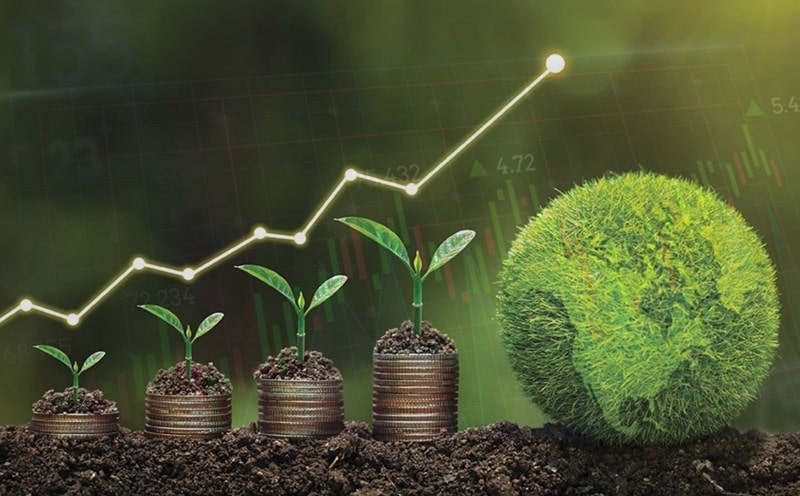
Nigeria, a nation endowed with vast natural resources, faces a looming ecological catastrophe that threatens its economic stability and the well-being of its citizens. The unrelenting march of deforestation and desertification is leaving an indelible scar on the country’s landscape, exacerbating climate change woes and jeopardizing the livelihoods of millions.
According to statistics from the United Nations Office for Outer Space Affairs (UNOOSA), Nigeria grapples with an annual deforestation rate of 3.7%, the highest globally. Between 2002 and 2023, the country lost over 178,000 hectares, amounting to a staggering 95% of tree cover in natural forest areas (Global Forest Watch). This unchecked deforestation, driven by agricultural expansion, logging, and urbanization, has far-reaching consequences, including biodiversity loss, soil erosion, and a significant contribution to global greenhouse gas emissions.
Moreover, the spectre of desertification looms large, with a staggering 62 million Nigerians directly exposed to its debilitating impacts, as reported by UNOOSA. Desertification, a process characterized by the degradation of fertile land, has led to reduced agricultural productivity, water scarcity, and exacerbated poverty levels, particularly in the northern regions of the country.
NGX: Championing Sustainable Finance Solutions
Amidst the grim realities of environmental degradation, a glimmer of hope emerges from Nigerian Exchange Limited (NGX), the nation’s premier securities exchange. NGX has taken bold strides in championing sustainable finance solutions, positioning itself as a catalyst for positive change.
In 2016, NGX launched the Green Bond Market Development Programme, a groundbreaking initiative aimed at fostering innovative financial instruments aligned with Nigeria’s climate mitigation and adaptation targets. This program laid the foundation for the issuance of Nigeria’s maiden sovereign green bond in 2017, valued at a significant N10.69 billion (approximately $26 million at the time).
The landmark green bond issuance was a collaborative effort between NGX, the Debt Management Office (DMO), and the Federal Ministry of Environment. The success of Nigeria’s inaugural sovereign green bond paved the way for subsequent issuances, with corporate trailblazers like Access Bank and North South Power Company leading the charge. These entities have issued corporate green bonds, collectively contributing over $136 million to the nation’s burgeoning green finance market, as reported by the Nigerian Investment Promotion Commission (NIPC).
Notably, several Nigerian states, including Gombe, are exploring the issuance of green bonds to finance developmental challenges and combat climate change issues like desertification and water scarcity. This decentralized approach underscores the growing recognition of sustainable finance as a powerful tool for achieving sustainable development goals at both national and sub-national levels.
Recognizing the need for global collaboration in tackling environmental challenges, NGX has forged strategic partnerships with international organizations, further amplifying its impact. One such partnership is with the Luxembourg Stock Exchange (LuxSE), a leading global platform for sustainable finance. This groundbreaking collaboration facilitates the cross-listing and trading of green bonds, enhancing their visibility and attractiveness to international investors. By creating a robust platform for green finance, this partnership enables Nigerian green bonds to gain global recognition and attract much-needed investment from environmentally conscious investors worldwide.
Capacity Building with IFC
Moreover, NGX’s collaboration with the International Finance Corporation (IFC) has been instrumental in developing and issuing green, social, and sustainability bonds in Nigeria. Through knowledge sharing, training domestic verifiers, and building capacity, NGX is ensuring the credibility and integrity of green finance instruments in the Nigerian market.
Temi Popoola, GMD/CEO of Nigerian Exchange Group Plc, emphasized the importance of these partnerships, stating, “The limited flow of climate finance remains a major issue for the implementation of mitigation and adaptation actions in Africa, particularly Nigeria. NGX’s collaboration with internationally recognized organizations like the IFC is targeted at sharing valuable green finance experiences and best practices, as well as promoting the development of sustainable finance market segments to support various stakeholders.”
Leveraging Green Finance and Carbon Markets
NGX’s efforts extend beyond the issuance of green bonds to leveraging the full potential of sustainable finance to address the pressing challenges of deforestation and desertification. One promising avenue is the development of a robust carbon market, which would incentivize the preservation of forests and the restoration of degraded lands. Through the carbon market, companies and organizations can purchase carbon credits, which represent the removal or avoidance of a certain amount of greenhouse gas emissions. These credits can be generated by projects that protect or restore forests, as well as initiatives that combat desertification through sustainable land management practices.
By creating a demand for carbon credits, the carbon market provides a financial incentive for entities to invest in projects that mitigate deforestation and desertification. This market-based approach not only generates revenue for conservation efforts but also encourages the private sector to actively participate in environmental stewardship. Currently, NGX is collaborating with other stakeholders and the Nigerian Climate Change Council on the framework for Nigeria’s carbon market.
Specialized Green Bonds for Environmental Conservation
Additionally, entities can explore the issuance of specialized green bonds specifically targeted at financing projects that address deforestation and desertification. These bonds could fund reforestation initiatives, agroforestry practices, and sustainable land management techniques, thereby directly tackling the root causes of these environmental challenges. NGX’s platform provides an avenue for issuers to adequately secure funding for these activities.
By leveraging the power of green finance and carbon markets, NGX is positioning itself at the forefront of Nigeria’s efforts to combat deforestation and desertification. As Jude Chiemeka, Ag. CEO of NGX, stated, “NGX recognizes the power and potential of sustainable finance. It is not merely a buzzword but a transformative force that has the potential to shape the economy and society for the better. The Exchange has wholeheartedly embraced this and is taking concrete steps to contribute to the advancement of sustainable finance in Nigeria.”
Through innovative financial instruments, international collaborations, and a commitment to environmental stewardship, NGX is paving the way for a sustainable future for Nigeria, where economic growth and environmental preservation coexist in harmony.


