

Connect with us

Auto

How to Import Cars for Sale in Nigeria from the USA

Published

on

How to Import Cars for Sale in Nigeria from the USA
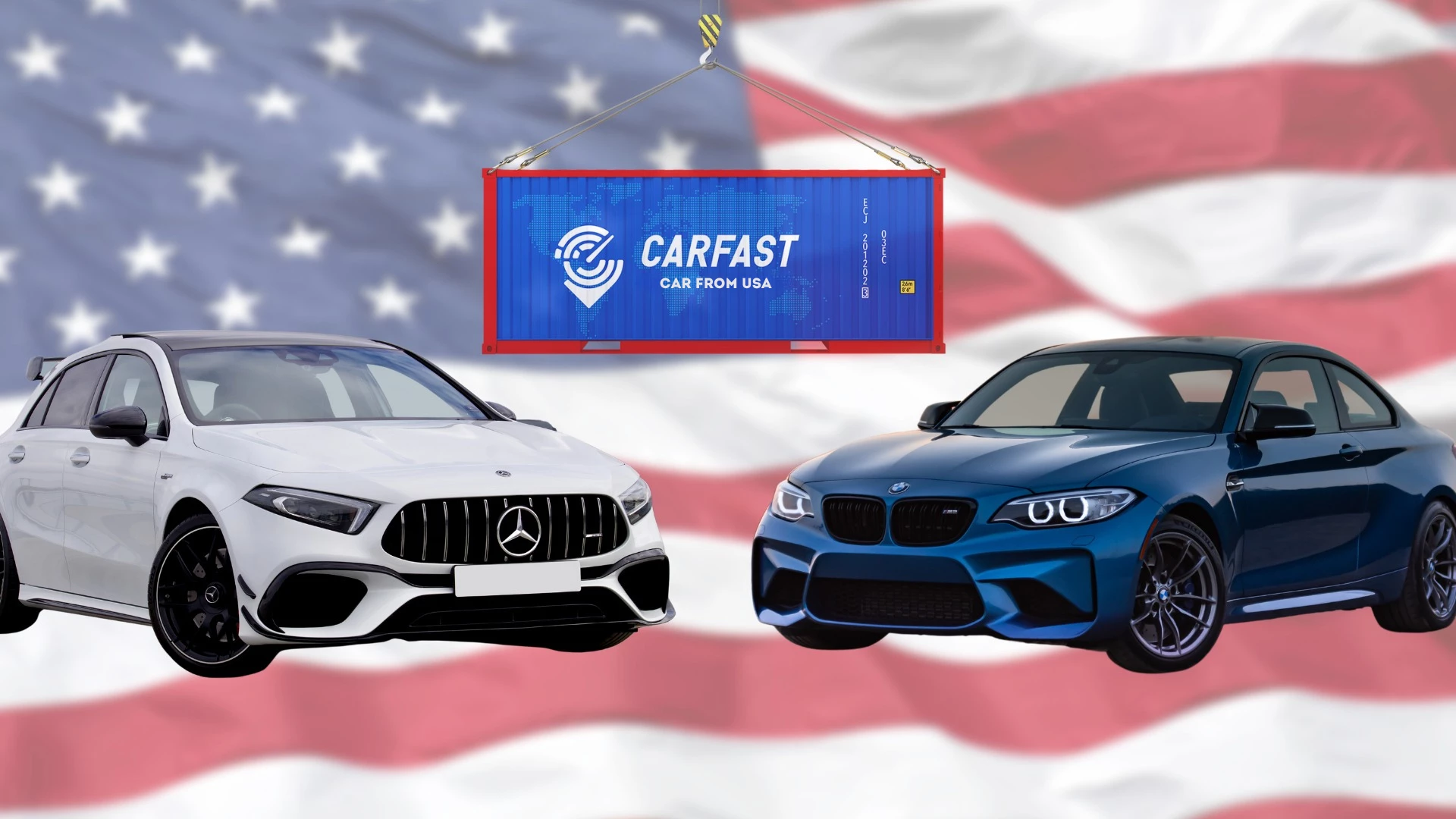
Learn how to buy and import cheap used cars for sale in Nigeria from the USA. Explore car prices, shipping options, import duties, and more for a cost-effective purchase.

Nigeria has seen a growing demand for used cars, with many looking to the USA for quality vehicles at competitive prices. This comprehensive guide will walk you through the process of importing cars for sale in Nigeria, from understanding car prices and regulations to choosing the best auction houses and navigating shipping and customs.

For the best deals on cars for sale in Nigeria, consider exploring Carfast Express, a company that helps you buy and deliver cars from the USA to Nigeria, with all auctions available in one place.

By the end of this article, you’ll have a clear understanding of the steps involved in buying and importing cheap cars for sale in Nigeria, ensuring a smooth and cost-effective experience.

Car Prices and Import Regulations for Nigeria Cars

When considering cars for sale in Nigeria, it’s crucial to understand the various factors affecting car prices. The cost of used cars for sale in Nigeria can vary significantly based on several factors:

  • Make and Model: Popular brands such as Toyota, Honda, and Mercedes-Benz tend to retain higher resale values.
  • Year of Manufacture: Newer models generally cost more than older ones.
  • Condition: Vehicles in better condition, with fewer miles and no major repairs needed, will be priced higher.

Import regulations also play a vital role in determining the final cost of a vehicle. Nigeria imposes specific duties and taxes on imported vehicles, which include:

  • Import Duty: A duty of 35% is applied to the cost of the vehicle.
  • Levy: An additional 35% levy is imposed on vehicles older than 15 years.
  • Value Added Tax (VAT): A 7.5% VAT is charged on the cost, insurance, and freight (CIF) value of the vehicle.
  • National Automotive Council (NAC) Levy: A 2% levy on the CIF value.
  • ECOWAS Trade Liberalization Scheme (ETLS) Surcharge: A 0.5% charge on the CIF value.

Additionally, it is important to ensure that the vehicle complies with the National Automotive Design and Development Council (NADDC) standards to avoid any complications during the importation process. Familiarize yourself with these regulations to avoid any unexpected costs and ensure a smooth importation process.

Choosing the Best Auction Houses for Used Cars for Sale in Nigeria
Choosing the Best Auction Houses for Used Cars for Sale in Nigeria

Selecting the right auction house is essential to find quality used cars for sale in Nigeria. Popular American auction houses such as Copart, Manheim, and IAAI offer a wide range of vehicles. Research each auction house’s reputation, fees, and policies to ensure you’re making a well-informed decision.

Shipping Vehicles: How to Import Cheap Cars for Sale in Nigeria

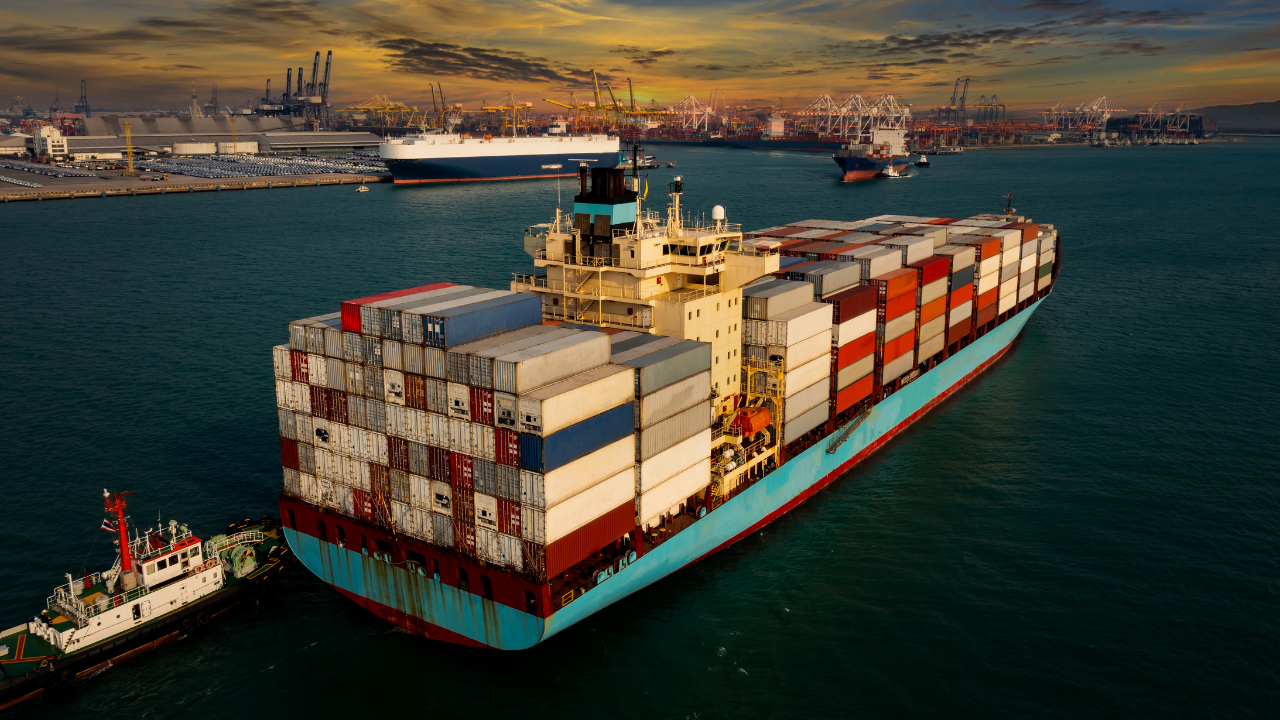
Shipping is a crucial aspect of importing vehicles into Nigeria. A clear understanding of the logistics involved can lead to significant cost savings and a smoother importation process. There are two primary methods for shipping cars from the USA to Nigeria:
Shipping Vehicles: How to Import Cheap Cars for Sale in Nigeria

  • Roll-on/Roll-off (RoRo) Shipping: Vehicles are driven onto a specialized ship. This method is typically more affordable but provides less protection compared to container shipping.
  • Container Shipping: Vehicles are placed inside containers, offering superior protection. While this method is more expensive, it ensures the car is safeguarded against potential damage during transit. Shared containers reduce costs, whereas dedicated containers offer maximum security.

Ensure all necessary documentation, such as the bill of lading, commercial invoice, and certificate of title, is accurately completed to facilitate a seamless customs clearance process upon the vehicle’s arrival in Nigeria.

Navigating Car Dealerships and Customs for Auto Car Imports

Upon arrival in Nigeria, your vehicle will need to clear customs. This process involves paying duties, taxes, and fees, which can add to the overall cost of your car. Working with experienced car dealerships and customs brokers can simplify this process, ensuring all paperwork is correctly handled and reducing the likelihood of delays or additional charges.

Costs and Fees: How to Buy Cars in Nigeria from the USA

Costs and Fees: How to Buy Cars in Nigeria from the USA

Importing a car from the USA to Nigeria involves several costs and fees that need careful consideration. Let’s use the example of a used 2016 Honda Accord TOU 3.5 with 76,314 miles to illustrate these costs. Below is a breakdown of the total cost involved in purchasing and shipping the vehicle to Nigeria:

  • Current Bid Price: $5,200 (₦3,808,000)
  • Auction Fees: $625 (₦456,250)
  • Clearance Fee: $99 (₦72,270)
  • Auto Loading Fee: $59 (₦43,090)
  • Swift Commission: $41.92 (₦30,598.40)

The total cost at the auction stage sums up to $6,024.92 (₦4,410,208.40).

  • Sea Shipping (New Jersey NJ to Lagos): $1,325 (₦970,250)
  • Land Transport (Chicago South to New Jersey NJ): $384 (₦281,280)
  • Insurance (1% of the vehicle’s value): $60.25 (₦44,582.50)
  • Shipping Commission: $700 (₦513,000)

The shipping costs amount to $2,469.25 (₦1,809,112.50).

  • Import Duty (10%): $702.49 (₦514,820.10)
  • Value Added Tax (VAT, 10%): $1,064.29 (₦780,929.70)

The customs clearance costs total $1,766.78 (₦1,295,749.80).

Therefore, the complete cost of purchasing and delivering the 2016 Honda Accord TOU 3.5 to Nigeria is $10,260.95 (₦7,515,070.70). Additional charges may apply for parking at the port or other unforeseen expenses. By carefully planning and utilizing services like Carfast Express, which specializes in buying cars at auction, you can effectively minimize these costs and streamline the importation process. Their expertise in navigating the complexities of shipping and customs can help ensure a smoother, more cost-effective experience.


Advertisement
Click to comment

Leave a Reply

Your email address will not be published. Required fields are marked *

Auto

Lagride Gets $100m UBA Loan for EV Charging Infrastructure, Others

Published

on

Lagride $100m UBA loan

By Modupe Gbadeyanka

The United Bank for Africa (UBA) Plc has provided a financing facility worth about $100 million to assist Lagride expand its electric vehicle charging infrastructure in Lagos State.

The loan would also be used by the company to scale its Drive-to-Own programme and enable 3,500 Lagos drivers to transition from daily earners into long-term asset owners, business operators and mobility investors.

The partnership strengthens Lagos State’s transportation ecosystem and accelerates the shift toward a structured, technology-enabled and financially bankable mobility sector.

Over the past 10 months, Lagride has rebuilt its entire onboarding and operational system for drivers, known as Lagride Captains.

The platform introduced a performance-led Drive-to-Earn structure supported by weekly and monthly rental models. This system has generated consistent 90-day usage and repayment data across the fleet, allowing UBA and other financial institutions to assess driver performance with accuracy, confidence and transparency.

Eligibility for the programme is based on clearly defined performance thresholds, repayment discipline, safety compliance and service consistency.

Through this approach, Lagride has emerged as the most structured, data-driven and credit-ready mobility platform in Nigeria, setting a new benchmark for bankable driver financing and asset ownership.

EV Infrastructure Expansion

As part of the milestone, Lagride also unveiled an expanded electric vehicle charging facility in Alausa, Lagos, reinforcing its long-term commitment to clean, future-ready mobility.

The expanded infrastructure is designed to support the growing electric vehicle segment within Lagride’s fleet, reduce operational downtime and enable more efficient, sustainable transportation at scale. By pairing driver financing with practical EV infrastructure, Lagride is positioning itself as a mobility platform built not just for today’s Lagos, but for the next generation of urban transport.

“Lagride was created to give Lagos a modern, disciplined and technology-driven mobility system while ensuring that drivers are not left behind.

“The goal is for drivers who we call Captains to become business owners, fleet partners and mobility investors, not just drivers.

“This $100 million partnership with UBA moves thousands of captains closer to owning productive assets, managing multiple cars and building stronger financial futures. It is a major step forward in our commitment to driver prosperity and the future of smart mobility in Lagos,” the chairman of Lagride, Ms Diana Chen, said.

On his part, the chief executive of UBA, Mr Oliver Alawuba, said Lagride represents the kind of transformational, well-governed and data-backed initiative that UBA exists to support across Africa.

Continue Reading

Auto

Police to Resume Tinted Glass Permit Enforcement January 2

Published

on

tinted glass permit

By Aduragbemi Omiyale

The Nigeria Police Force has said it would begin the enforcement of the controversial tinted glass permit despite an ongoing case in the court.

In a statement on Monday night signed by its spokesman, Mr Benjhami Hundeyin, the police said the reason for the resumption of the enforcement was due to insecurity in the country.

The enforcement, the statement noted, will resume on Friday, January 2, 2026, and motorists who require the tinted glass permit have been encouraged to apply through the approved channels and ensure that their vehicles comply with legal procedures.

The police noted that there was not a time the court prevented it from going ahead with the implementation of the tinted glass permit, noting that this was for the “safety of all citizens.”

“It is important to clarify that at no point did the court restrain the Nigeria Police Force from enforcing the provisions of the law regarding the use of tinted glass on vehicles.

“Nonetheless, in the spirit of responsibility, transparency, and public convenience, the Force suspended enforcement to allow motorists ample opportunity to regularise their documentation and complete the registration process without pressure,” parts of the statement today stated.

“Recent trends, however, reveal a disturbing rise in criminal activities perpetrated with the aid of vehicles fitted with unauthorised tinted glass. Some individuals and organised criminal groups have exploited this gap to conceal their identities and facilitate crimes ranging from armed robbery to kidnapping and other violent crimes.

“In view of this, the Nigeria Police Force has found it both necessary and urgent to resume full enforcement as a proactive measure to safeguard our communities.

“Consequently, enforcement of tinted glass permit will resume on January 2, 2026,” it declared.

“The Inspector-General of Police (IGP) Kayode Adeolu Egbetokun, assures the public that the renewed enforcement will be carried out with utmost professionalism, respect for the rights of citizens, and in accordance with extant laws.

“He adds that the Force remains committed to promoting public safety and upholding the rule of law while working collaboratively with all stakeholders to keep Nigeria secure,” the statement added.

Continue Reading

Auto

Beer Sectoral Group, FRSC Promote Safer Roads With 2025 DDD Campaign

Published

on

safer roads 2025 DDD Campaign

By Aduragbemi Omiyale

The 6th edition of the annual Don’t Drink & Drive (DDD) campaign of the Beer Sectoral Group (BSG) of the Manufacturers Association of Nigeria (MAN), organised in partnership with the Federal Road Safety Corps (FRSC), has officially flagged off.

The safer roads initiative commenced in Lagos with a press interaction and stakeholder briefing attended by FRSC officials, the BSG executive team, transport unions, and media organisations.

The DDD campaign reinforces BSG’s ongoing commitment to promoting responsible drinking and safer roads across Nigeria.

Chairman of the group, Mr Carlos Coutino, stressed the industry’s unwavering commitment to road safety and responsible drinking.

“The beer industry remains steadfast in its commitment to responsible drinking advocacy. The Don’t Drink & Drive campaign has been one of the Beer Sectoral Group’s flagship corporate social responsibility programmes since inception, aimed at saving lives and fostering safer transportation habits,” Mr Coutino stated.

In his welcome address, the Corps Commander, Mr Kehinde G. Hamzat, emphasised the heightened dangers on the roads during the festive season and the need for stronger public awareness:

“The risk of road crashes increases significantly during the festive season, which is why we must intensify public sensitization efforts. Collective awareness and responsible choices are critical to saving lives on our roads,” he said.

He lauded the BSG member companies for their consistent support of the FRSC in this initiative over the years, noting that their commitment has made a real impact in reducing avoidable accidents.

“I wish to express my profound appreciation to our esteemed stakeholders, Beer Sectoral Group for partnering with the Federal Road Safety Commission in the campaign for continued corporate social responsibility efforts towards ensuring safety on our roads,” he said.

In her closing remarks, the Executive Secretary of BSG, Mrs Abiola Laseinde, thanked the FRSC and transport stakeholders for their continued collaboration, underscoring the vital role of collective action in reducing avoidable accidents caused by drunk driving.

After the event, the team proceeded to major motor parks in Lagos, Berger and Ojota — for the park rallies.

At each location, commercial drivers and road users received safety sensitization, breathalyzer demonstrations, and branded educational materials. The rally also featured direct engagements with transport unions and drivers to reinforce the message of safety and responsible alcohol consumption.

The BSG comprises notable brewers like International Breweries Plc, Nigerian Breweries Plc, and Guinness Nigeria Plc.

Continue Reading

Trending
