Connect with us

General

The New Rules of Diversification: Nigerian Portfolios Going Global with Real Assets

Published

on

real estate transactions

For decades, Nigerian investors have navigated economic uncertainty by leaning into familiar instruments—government bonds, blue-chip equities, fixed deposits, and, when necessary, cash-heavy real estate holdings in urban centres like Lagos and Abuja. But as persistent naira depreciation, foreign exchange restrictions, and inflation continue to erode the value of localized wealth, a structural recalibration is taking place.

High-net-worth individuals and savvy middle-class earners are increasingly broadening their investment mandates—both geographically and tactically—as diversification becomes central to wealth preservation. With Nigeria absent from recent rankings of the safest countries for foreign investment, investors are reevaluating their asset geography in pursuit of long-term resilience. While domestic assets remain foundational, there’s a rising preference for tangible, globally situated real estate as a diversification hedge against currency instability and policy unpredictability at home.

The Lagos Baseline: Holding the Fort at Home

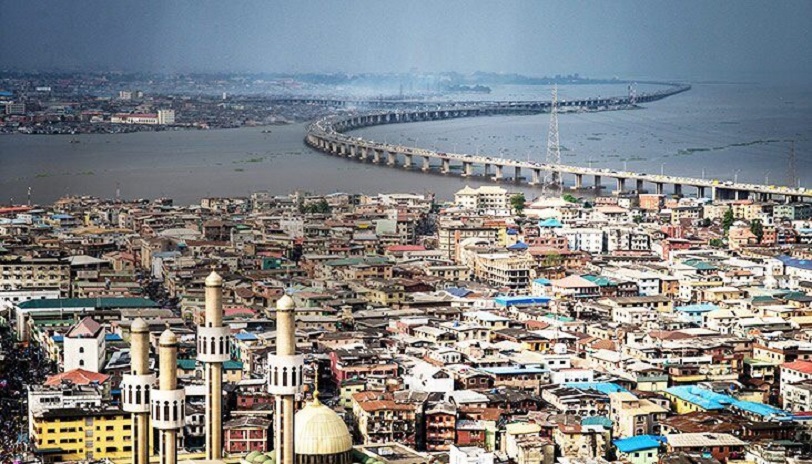
For many, Lagos remains a primary node in their portfolio matrix. The commercial capital’s mix of residential estates, commercial high-rises, and industrial land makes it a flexible yet familiar terrain. More importantly, it serves a strategic purpose: anchoring wealth in a city whose property market, though cyclical, is backed by population momentum and urban expansion.

Emerging neighbourhoods such as Ibeju-Lekki, Sangotedo, and parts of Ikeja are drawing interest from investors seeking land banking opportunities or rental yields driven by demand for mixed-use developments. Lagos real estate listings highlight the breadth of available options, ranging from high-rise condos to gated duplexes—each representing a physical hedge in an increasingly intangible economy.

Dollarization via Miami: Strategic International Real Assets

Yet for investors with greater liquidity and international access, the pivot isn’t just away from Nigeria—it’s toward the dollar. Miami, with its dual appeal as both a financial hub and a lifestyle destination, is proving magnetic.

What makes Miami compelling isn’t just its luxury condos or beachfront appeal. It’s that U.S. real estate offers a dollar-denominated refuge from the naira’s fluctuations—serving as a practical vehicle for international diversification. Additionally, for families contemplating eventual relocation, education abroad, or second citizenship programmes, these purchases function as both lifestyle enablers and capital stabilizers.

According to trends tracked across urban housing markets, buyers from emerging economies—including Nigeria—are concentrating their purchases in areas with strong rental potential and limited inventory, ensuring asset appreciation over the medium term.

Beyond the Coasts: Asset Preservation in Middle America

Interestingly, a subset of Nigerian investors is eschewing high-profile cities altogether in favour of quieter, more affordable locations that offer consistent returns. Cities across the American Midwest, such as those in Iowa, have come under the radar—not because they are flashy, but because they are stable.

In North Iowa, for example, property values remain accessible, rental demand is steady due to regional employment centres, and ownership costs are comparatively low. For Nigerian investors seeking capital preservation over speculative upside, realty options in North Iowa are offering a compelling entry point into the U.S. housing market with reduced exposure to volatility.

What’s more, ownership in such secondary markets often comes with fewer regulatory frictions, easier financing structures, and lower ongoing tax burdens—all attractive attributes when managing foreign assets from afar.

Toronto’s Pipeline Approach: Building Equity into the Future

Canada, too, has found favour among Nigerian investors—but for a different reason. In Toronto, the appeal lies not just in what exists, but in what’s coming. The city’s pre-construction ecosystem allows investors to “reserve” property in future towers or communities years in advance, often with staggered payments and no immediate mortgage burden.

This model resonates with Nigerian buyers looking to hedge against inflation over the long term. By securing a property today at a fixed price—even if delivery is 3 to 5 years out—they effectively lock in value before inflationary pressure takes its toll.

Several upcoming residential projects in Toronto are offering buyers phased payment plans and forward-booking incentives—early-access investment opportunities that align with broader diversification strategies among Nigerians planning long-term capital deployment abroad.

Additionally, as Nigeria tightens capital controls, the gradual payment model allows capital to be moved abroad legally and incrementally, avoiding the shock of a lump-sum transfer or FX squeeze.

Strategic Asset Dispersion: Beyond Bricks and Mortar

This shift toward physical international assets isn’t merely about building wealth—it’s about preserving sovereignty over it. As trust in local financial systems ebbs and inflation eats into fixed-income earnings, the desire to hold assets in politically and economically stable jurisdictions has grown stronger.

Real estate, unlike equities or mutual funds, also offers non-financial benefits: immigration pathways, educational positioning, or even strategic relocation plans. These auxiliary gains are becoming part of the investment rationale, especially for Nigerians anticipating longer-term life transitions.

Conclusion: Real Estate as the New Reserve

In many ways, today’s Nigerian investor is not just seeking yield. They’re seeking resilience. They are de-risking against monetary policy shifts, diversifying across currency zones, and positioning assets in globally relevant geographies.

Domestic holdings in Lagos will likely remain foundational. But increasingly, they are being complemented—sometimes outweighed—by targeted investments in North America’s most resilient housing corridors. Whether through speculative future builds in Toronto, turnkey units in Miami, or quiet equity compounds in North Iowa, real estate is proving itself a globally portable store of value.

In a landscape where the rules of wealth preservation are being rewritten, owning a piece of the world—literally—may be the most strategic move of all.


Advertisement
Click to comment

Leave a Reply

Your email address will not be published. Required fields are marked *

General

Pastor Ogbueli’s Abuja Night of Glory Holds Today

Published

on

Abuja Night of Glory

By Blaise Udunze

Momentum is gathering for the Abuja Night of Glory taking place today, Friday, December 5, 2025, at the main bowl of the Moshood Abiola National Stadium.

The crusade is being hosted by Dominion City Church headed by Pastor David Ogbueli and it starts by 7pm.

The all-night programme will feature dynamic worship leaders like Nathanial Bassey, Dunsin Oyekan, Theophilus Sunday, Chioma Jesus, Kaestrings, Sunmisola Agbebi Okeleye, Minister GUC, Ebuka Songs, Anthony Kani, and DC Angels.

Reputed as a teacher of righteousness and anointed minister of the gospel, evidenced by the miracles that have trailed his ministry, and one who champions the cause of the poor through empowerment initiatives, Dr. David Ogbueli will be joined by renowned ministers from within and outside Nigeria, including Evangelist Andres Bisonni, Dr. Charles Ndifon, Evangelist Dan Scott, Apostle Ikechukwu Nnajiofor, and several others.

Night of Glory has, in previous editions held across Nigeria’s cities, recorded remarkable results, such as immediate healings and freedom from chronic ailments, recovery of vision and movement after many years of paralysis, along with liberation from dependencies and emotional distress. Numerous participants have also shared testimonies of breakthroughs and big personal changes after the experience. Organisers state that this year’s event, in Abuja, is anticipated to exceed previous editions.

The event is intended for all individuals trusting God for divine intervention in any area of life.

Understanding the role of faith in the destiny of individuals and nations, a dedicated prayer session for Nigeria will take place during the crusade to tackle some of the current challenges being faced in the country and also to uplift he leaders and institutions before God.

Attendance is free, and registration is encouraged via the QR codes on event banners. Organisers expect a massive turnout as worshippers travel from across the country for what is anticipated to be a transformative encounter.

Adequate security and free transportation have been put in place ALL over the city of Abuja, while those outside Abuja are expected to join online.

Continue Reading

General

Rivers Speaker, 15 Other Lawmakers Leave PDP for APC

Published

on

rivers speaker Martin Amaewhule defect

By Modupe Gbadeyanka

The Speaker of the Rivers State House of Assembly, Mr Martin Amaewhule, has defected to the All Progressives Congress (APC).

At the plenary on Friday, Mr Amaewhule joined the ruling party from the opposition Peoples Democratic Party (PDP), along with 15 other members of the state parliament.

This development comes some months after they had earlier declared their support for the APC in the wake of a crisis with the state governor, Mr Sim Fubura.

The lawmakers had an issue with Mr Fubura, which led to a state of emergency declared on the oil-rich state by President Bola Tinubu in March 2025.

This embargo was only lift in September 2025 after the duration of the six-month emergency rule in the state.

A few days ago, members of the Rivers Assembly passed a vote of confidence on President Tinubu, backing him to remain in office till 2031, when he would have spent eight years in office if re-elected in 2027.

Announcing their defection today, the lawmakers pinned their decision on the crisis rocking the PDP at the national level.

It is not certain if their political godfather, Mr Nyesom Wike, who is the current Minister of the Federal Capital Territory (FCT), will join them in APC.

Mr Wike, who governed Rivers State from 2015 to 2023, has been accused of instigating the crisis in the opposition PDP. He was expelled from the party last month at a national convention held in Ibadan, Oyo State.

Continue Reading

General

Nigeria Risks Brain Drain in Energy Sector—PENGASSAN

Published

on

energy sector

By Adedapo Adesanya

The Petroleum and Natural Gas Senior Staff Association of Nigeria (PENGASSAN) has warned that Nigeria risks massive brain drain in the oil and gas sector due to poor remuneration.

The president of PENGASSAN, Mr Festus Osifo, said at the end of the National Executive Council (NEC) meeting of the union on Thursday in Abuja that the industry was facing challenges arising from Naira devaluation and inflation, noting that, oil and gas skills remained globally competitive.

Painting an example, he said, “A drilling engineer in Nigeria does the same job as one in the US or Abu Dhabi,” noting that the union must take steps to bridge the wage gap to prevent members from leaving the country for better opportunities abroad.

“If we don’t act, the brain drain seen in other sectors will be child’s play,” he said.

According to him, PENGASSAN has recorded significant gains through collective bargaining across oil and gas branches.

“We signed numerous agreements across government agencies, IOCs, service and marketing sectors,” he said.

He said the agreements brought relief to members facing rising costs of living, adding that, the association’s duty is to protect members’ jobs and enhance their pay.

Mr Osifo urged companies delaying salary reviews and those foot-dragging as a result of the prevailing economic realities, to do the needful.

He said the industry employed some of the nation’s best talents, making competitive pay critical to retaining skilled workers.

“This industry recruits the best. Companies must provide the best conditions,” he said.

On insecurity, Mr Osifo urged government to take decisive action against terrorism and kidnappings across the country.

“We are tired of condemnations. government must expose sponsors and protect citizens,” he said.

He urged government at all levels to prioritise tackling insecurity through better funding and equipment for security agencies.

Mr Osifo said PENGASSAN supported calls for state police to improve local security response, adding that decentralising policing will protect citizens better than rhetoric.

He also said economic indicators meant little, if food prices remained high and farmers could not return to farms due to insecurity.

“Nigerians want to see food on the table, not macroeconomic figures,” he said, urging the government to coordinate fiscal and monetary policies to ensure economic gains reach households.

Continue Reading

Trending