

Economy
Best 5 Apps to Convert Gift Card to Naira in Nigeria

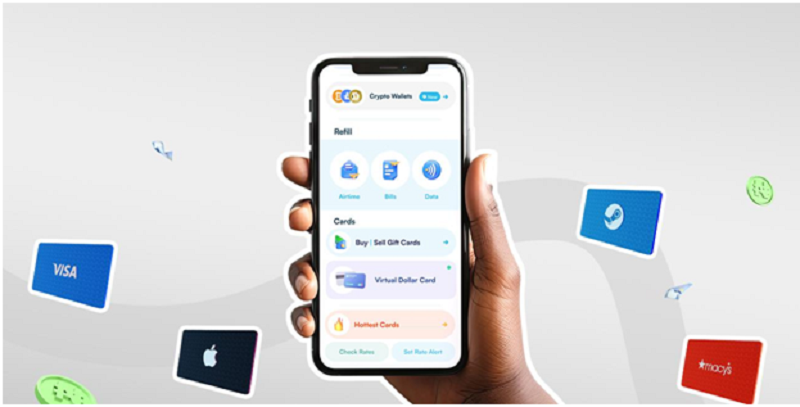
Gift cards are a great way to shop, pay for services, or send thoughtful gifts, especially from popular platforms like Amazon, iTunes, or Google Play. However, there are times you get a gift card you can’t use, maybe because the brand doesn’t operate in Nigeria, or you just need the cash instead. In moments like that, turning your gift card into Naira is the smart move.
The good news is that several trusted apps in Nigeria make it easy to convert gift cards into cash safely and quickly. Essentially, to get cash from your gift card, you have to sell it, either to a trading platform or another buyer.
In this guide, you’ll find the best apps to use to sell your gift card in Nigeria, and what to expect from each one.
Top 5 Apps to Convert Gift Cards to Cash in Nigeria
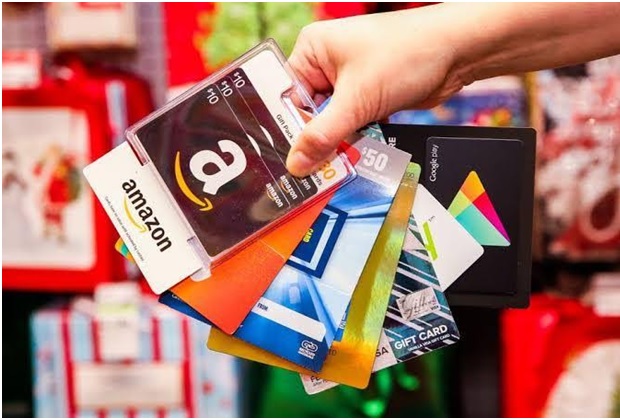
Here are five reliable platforms that help you exchange gift cards for Naira with ease:
- Nosh
- Jiji Nigeria
- Kusnap
- eBay
1. Nosh
Nosh is one of the most trusted apps in Nigeria when it comes to trading gift cards. It supports several kinds of cards, such as Amazon, Steam, iTunes, Google Play, and more, and gives you a smooth, fast experience from start to finish.
You can access the platform via the web app or download the app on App Store or Google Play Store depending on your device.
Key Features:
- Great Rates: You get some of the best exchange rates available, which allows you to get the most value for your card.
- Instant Payments: Once your card is confirmed, your payment is sent to your wallet right away.
- Easy to Use: Even if you’re new to trading, the app is simple to explore, and you can complete your transaction without feeling lost or confused.
- Rate Calculator: You can check how much you will receive before trading.
- Multi-service Platform: Nosh works as a multi-service platform for digital transactions. So, beyond gift card trading, it lets you buy airtime, pay bills, sell crypto and more.
With its secure platform, transparent rates, and fast payouts, Nosh is a top choice for anyone looking to buy or sell gift cards in Nigeria.
Drawback:
- Less common gift card brands are not supported for trading.
2. Jiji.ng
Jiji is one of Nigeria’s largest online marketplaces, best known for listings like cars, phones, and electronics. However, beyond that, it’s also a place where many people go to sell their gift cards directly to interested buyers, making it a convenient option for quick, peer-to-peer exchanges.
Key Features:
- Direct to buyer selling: You connect directly with buyers, so you set your price and negotiate on your terms.
- Large user base: Jiji’s huge user base gives your listing a good chance of getting noticed.
- Negotiable Rates: You are free to set your own price and work out a deal with buyers that suits you both.
Disadvantages:
- There is a higher risk of scams because of the peer-to-peer transaction nature.
- Deals can take longer to close compared to apps like Nosh.
3. Kusnap
Like Jiji, Kusnap is a Nigerian online marketplace where you can list and sell your gift cards. The app is available for download on both App Store and Google Play Store.
Key Features:
- Post for Free: Posting to notify buyers that you are available to trade gift cards is free, and the site is easy to use.
- Beginner-friendly platform: The platform is simple and easy to use, even if it’s your first time. You don’t need any special skills to post, browse, and connect with others without feeling overwhelmed.
Drawbacks:
- Since transactions are not automated, you will need to put in a bit more effort, like chatting with buyers, agreeing on a price, and arranging the trade yourself.
- Trading directly with other people can sometimes come with risks, like dealing with unreliable buyers or facing payment issues.
4. eBay
If you are open to a global audience, eBay offers a way to sell your gift cards to people beyond Nigeria. It is an online marketplace where you can list your gift card for sale and potential buyers can bid for it.
Key Features:
- Access to a global audience: You reach more potential buyers, which can help you sell faster.
- You can set your own price: You are in control, and you decide how much you want to sell for.
Drawbacks:
- International trading comes with extra fees that could reduce your profits.
- Payments might take longer because of international exchange processes.
5. Facebook
You can sell your gift cards for cash on Facebook, using Facebook Marketplace. Facebook marketplace is an online market platform created by Facebook for people to buy and sell. It is a simple way to get buyers for your gift card, especially within your local community.
Key Features:
- Community-based: You can trade directly with buyers in your vicinity.
- Free Listings: You can post your gift cards and start connecting with buyers at no charge.
Drawbacks:
- Like other peer-to-peer platforms, you need to be cautious to avoid scams.
- It might take time to find a trustworthy buyer and close the deal.
How to Sell Gift Cards for Naira
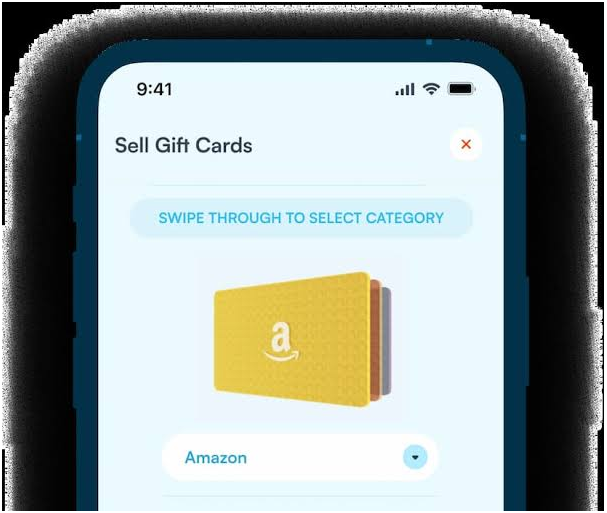
If you’re looking to turn your unused gift cards into Naira, Nosh makes the process quick and stress-free. Here’s how you can do it, step by step:
Step 1: Download the App
Start by downloading the Usenosh app from the Google Play Store or the Apple App Store. It’s fast, secure, and easy to install.
Step 2: Sign Up and Verify Your Account
Create your account and go through a simple verification process. This helps keep your transactions safe and secure.
Step 3: Select “Sell Gift Card”
Once you’re logged in, tap on the “Buy/Sell Gift Card” button on the homepage, then select the option to “Sell Gift Card” to begin your trade.
Step 4: Enter the Gift Card Details
Pick the gift card brand, select the right sub-category, and enter the amount you want to sell. Make sure everything matches your card to avoid delays.
Step 5: Upload the Card Image
Upload a clear image of the gift card if it’s a physical one. Once you’ve entered all the details, you will see how much you will be paid in Naira.
Step 6: Complete the Transaction
Review your trade summary and proceed with the transaction to receive your payout instantly.
Frequently Asked Questions About Apps to Sell Gift Cards in Nigeria
- What is the best app to redeem gift cards in Nigeria?
Nosh is widely considered the best app to redeem gift cards in Nigeria, thanks to its fast payouts, good rates, and secure platform.
- Which app can I use to change my gift card to Naira?
You can use Nosh, Jiji.ng, Kusnap, eBay, or Facebook Marketplace to trade your gift card for Naira, depending on your preference.
- How do I convert a gift card to Naira?
Pick a trusted gift card trading app like Nosh, create an account, upload your gift card details, and receive your Naira payout once the transaction is confirmed.
- What is the best gift card exchange in Nigeria?
Nosh remains a top-rated option for its high gift card rates, reliability, transparency, and ease of use.
- Where can I trade gift cards for cash in Nigeria?
You can trade your unused gift cards on Nosh, Jiji.ng, Kusnap, eBay, or Facebook Marketplace. If you don’t want to go through middlemen or deal with vendors, Nosh is your best option. However, if you prefer P2P trading, Jiji.ng or Facebook Marketplace works best.
Final Thoughts
Selling a gift card you don’t need is a smart way to turn unused value into cash. Whether you go with an instant payout app like Nosh or choose a marketplace like Jiji or Kusnap, you have good options. Just be sure to pick a platform that’s secure, easy to use, and trusted by other users.
If you want a smooth and safe experience, register on the Nosh app today and start trading your gift cards at the best rates available in Nigeria.


