

Economy
Top 5 Gift Card Trading Apps in Nigeria & Ghana

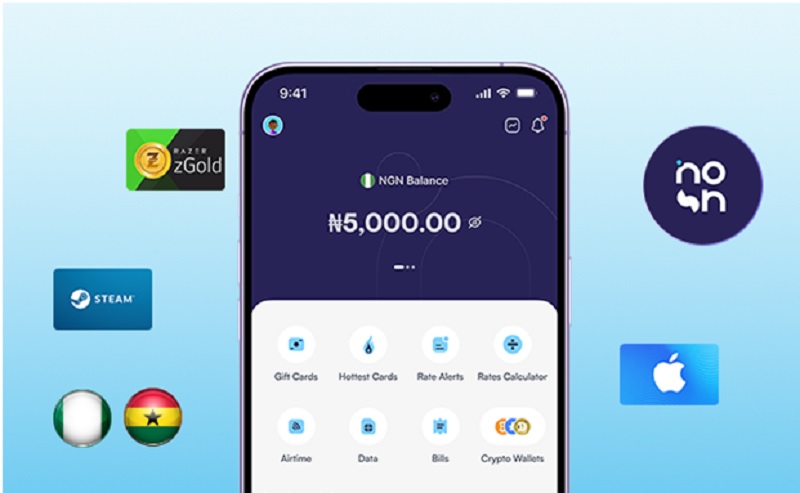
Selling gift cards online has become one of the fastest ways to turn unused cards into cash in Nigeria and Ghana. If you give someone a gift card they don’t need or can’t use, ŵdbest believe they’re looking for a gift card trading platform to sell it on.
When trading gift cards for Cedis or Naira, using the right app can make all the difference. There’s a myriad of gift card trading platforms out there claiming to be the best, but only a few actually live up to their claims. It makes it confusing to know which to trust.
That’s why this article exists.
Instead of guessing or testing random apps, we’ve broken down the top 5 gift card trading apps that Nigerians and Ghanaians actually use today. These platforms are fast, secure, and reliable.
Let’s walk through the best platforms you can use right now.
Best 5 Apps to Trade Gift Cards in Nigeria and Ghana
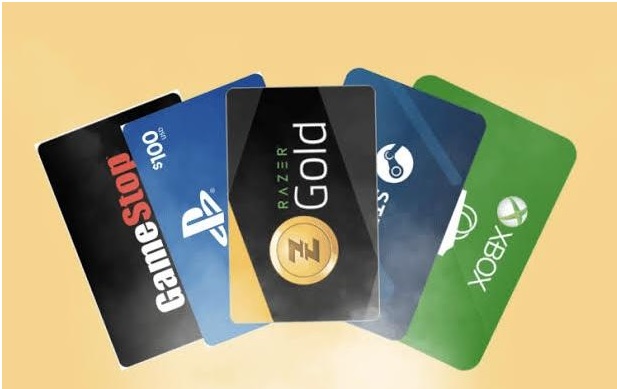
The best gift card trading apps in Nigeria and Ghana are Nosh, Tercescrow, Hook, Beekle, CardNJ.
1. Nosh
It would be literally impossible to talk about leading platforms in the gift card trading industry without mentioning Nosh. It is one of the most trusted apps for anyone who wants to sell gift cards in Nigeria or exchange gift cards in Ghana.
Nosh has the best gift card rates in the market and transactions are processed very fast. With Nosh, you don’t have to wait hours to verify and trade your gift card. Payout is almost instant and you can withdraw to your bank or Momo account in seconds.
The moment you open the Nosh app, it feels different; clean interface, clear instructions, and no confusion. Even if it’s your first time trading, the process is straightforward. You simply enter the gift card details like the category, subcategory and amount, upload an image if it’s a physical card, and you’ll see the rate in real time. Once you confirm your trade, you’ll receive payment immediately.
Nosh accepts trading a wide range of gift cards including Apple, Steam, Amazon, Razer Gold, and many more. Additionally, with Nosh you can sell crypto, book flights, pay TV, cable & internet bills, top up data and airtime, and fund your bet wallet. The app is available on iOS, Android and via the web.
2. Tercescrow
Tercescrow is a solid gift card trading app if you want a simple and smooth trading experience. The app has an easy to use interface, good rates and processes transactions fast. You can trade a wide range of gift cards on the app, and get your payment on time without any delays.
Asides selling gift cards, you can buy gift cards as well. The platform is secure, and available for both iOS and Android devices.
3. Hook
Hook is another growing platform in the gift card trading space. The app supports trading several popular gift cards, and offers competitive gift card rates. The interface is clean and the platform itself is secure and easy to use. The app is available on both App store and Google Play store.
Hook’s smooth trading flow is one of its strengths. You upload your card details, wait for verification, and get paid once as soon as your card is verified. With this app, you can quickly and easily exchange your gift cards for Naira or Cedis.
4. Beekle
Another solid app to sell gift cards in Nigeria or Ghana is Beekle. This app appeals to users who are heavy on user experience. The platform is clean, visually simple, and easy to navigate. It supports most popular gift cards and offers good trading rates that change based on market conditions.
The process of trading gift cards on Beekle is simple. Once you upload your card details, you see how much you’ll be paid for it and you can then trade. After trading, the Naira or Cedis equivalent of your gift card will be credited to you. You can use Beekle on both iOS and Android devices.
5. CardNJ
CardNJ is another platform you can use to convert gift cards to Naira or Cedis. It’s a great option if you want an easy to use platform with seamless trading experience. The app supports a wide variety of gift cards and payouts are made fast.
CardNJ keeps everything simple: upload your card, confirm your trade, and get paid. The app is available on both App Store and Google play store.
Tips for Choosing a Gift Card Trading App to Use
Choosing the right app to sell your gift cards for Naira or Cedis can save you time, money, and stress. Here’s how to pick a gift card trading platform in Nigeria or Ghana that you can trust:
1. Start with the rates
Good rates make a big difference because the value of your gift card changes from app to app. Always compare rates before committing to a gift card trading platform, and choose the one with the best rates.
Nosh, for example, has an online gift card rate calculator you can use to check how much your gift card is worth, without going into the app.
2. Consider payment speed
Nobody wants to wait hours to get paid. A good trading app should process your card and send your money within minutes. If you notice many reviews or social media comments saying payments take too long, that’s a red flag.
3. Look at security
Since gift card trading involves money, you need an app that takes security seriously. Check if the platform is registered, verified, active on social platforms, and has Two-Factor authentication (2FA). Your information should be protected, trades should be handled securely, and funds should be safe.
4. Check customer support
Even the best apps can have hiccups. What matters is how fast support responds. Look for platforms with active customer service. Do they have a live chat option? Is there an hotline you can call? Is there a dedicated email for complaints? Do they respond on social media?
Apps like Nosh are known for 24/7 customer support and fast replies, which helps a lot if anything happens.
5. Read the reviews
Before downloading any app, take a moment to read what other users say. Reviews tell you what the app does well and where it struggles. If an app has too many complaints about payment issues, slow verification, or low rates, avoid it.
Frequently Asked Questions about Gift Card Trading Apps
- What is the best platform to trade gift cards in Nigeria?
Nosh is the best platform to sell gift cards in Nigeria because of its high rates, fast payments, strong security, and reliable customer support. Other great options include Beekle, Tercescrow, Hook and CardNJ.
- What gift card trading platform is the best in Ghana?
Nosh is the top choice for trading gift cards in Ghana. It offers fast payouts, high gift card rates and a seamless trading experience. Other good alternatives are Tercescrow, Hook, Beekle and CardNJ.
- What is the best gift card trading app in Nigeria with high rates?
Nosh consistently offers the best and highest rates for a wide variety of gift cards in Nigeria. The platform is transparent and you can check the rate of any gift card using the rate calculator.
- What gift cards can you sell in Ghana?
You can sell a wide variety of gift cards in Ghana on platforms like Nosh and Tercescrow. Popularly traded gift cards include Apple, Steam, Google Play, Amazon, Walmart, Sephora, etc.
- How can I sell gift cards in Nigeria and Ghana?
You can use Nosh to trade gift cards in Nigeria or Ghana. Download the Usenosh app, create an account, enter your gift card details, confirm your trade, and receive your payment in minutes.
Conclusion
With the right platform, you can convert your gift cards to cash easily and safely, whether you’re in Nigeria or Ghana.
From this list, Nosh remains the most reliable option thanks to its fast payments, high rates, excellent customer support, and easy interface. Other apps like Tercescrow, Hook, Beekle, and CardNJ also offer solid choices depending on your needs.
If you want smooth trades, instant payments, and peace of mind, you now know the best apps to use.


