

Economy
How to Choose Between Bitcoin, Ethereum, and Fiat for Online Bets?

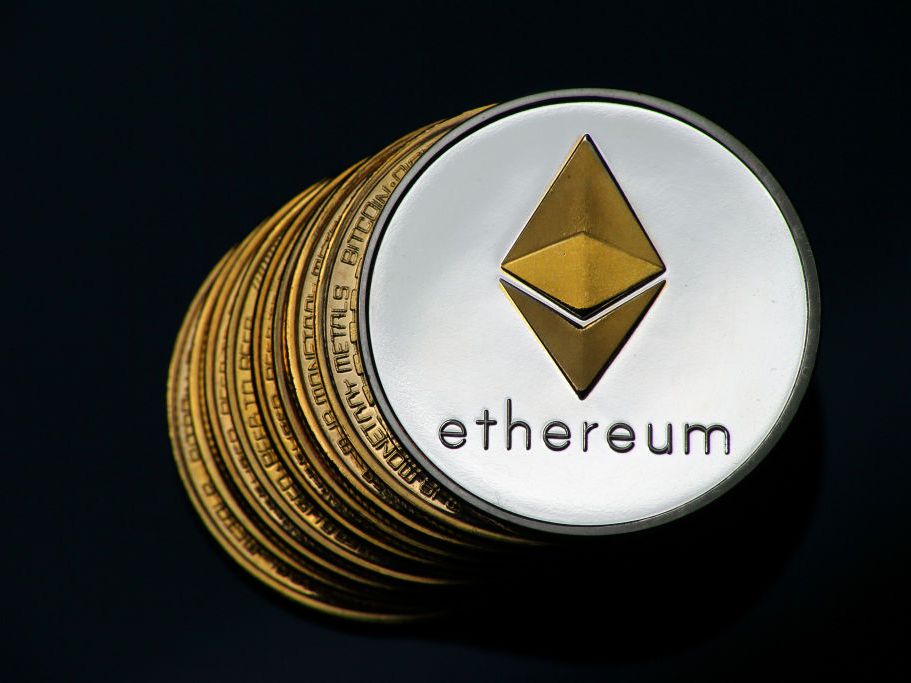
Online betting has changed with the rise of digital currencies, giving players new ways to manage deposits and payouts. Bitcoin and Ethereum stand out as the leading crypto options, while traditional fiat money remains a familiar choice. The best option depends on personal priorities: Bitcoin for simplicity and stability, Ethereum for flexibility and faster transactions, and fiat for convenience and predictability.
Each method serves a different purpose. Bitcoin offers a sense of security backed by years of adoption, Ethereum supports smart contracts that make transactions faster, and fiat money appeals to those who prefer standard banking systems. Choosing between them depends on individual comfort with technology, desired transaction speed, and tolerance for value changes.
Understanding these differences helps bettors make smarter, safer choices. Those who compare security, speed, and ease of access before placing bets can move forward with confidence. The next sections explain what sets these currencies apart and how to select the ideal one for any betting goal.
Key Differences Between Bitcoin, Ethereum, and Fiat Currency
Bitcoin and Ethereum work on decentralized networks, while fiat money depends on centralized control through banks and governments. They also differ in processing time, cost, and price behavior. These differences affect how players handle deposits, withdrawals, and bet sizing for online gambling platforms.
Control and Decentralization
Bitcoin and Ethereum both rely on decentralized blockchain systems. No government or single entity controls them, which means users manage their funds directly through digital wallets. This independence reduces the need for third-party approval, giving bettors faster access to their winnings.
Fiat currencies like the dollar or euro operate under national banking systems. Transactions run through intermediaries that can impose limits, fees, or delays. In contrast, decentralized assets allow players to move money freely across borders without such barriers.
Decentralization also influences transparency. Crypto transactions are recorded on public ledgers, allowing verification without revealing private identities. For users of a crypto casino with fiat payment options, this setup provides both modern digital flexibility and the familiar structure of government-backed cash.
Transaction Processing and Speed
Bitcoin processes an average of seven transactions per second, while Ethereum handles more through its advanced design. However, both face network congestion during heavy use, which can slow transaction times or increase fees. Ethereum aims to address this through upgrades that use proof-of-stake mechanisms to improve speed and efficiency.
Fiat transfers rely on centralized banking networks and payment processors. Bank wires or card payments may take hours or even days, especially across countries. Crypto transactions can be completed within minutes, making them appealing for users who prefer instant deposits or payouts on gaming sites.
The difference in transaction speed can determine convenience. A player who wants quick access to winnings may prefer digital currency. Someone who values predictability might choose fiat, even if it takes longer to process.
Price Stability and Volatility
Fiat currency prices remain relatively stable because central banks manage their value through regulation and monetary policy. This makes fiat suitable for users who prefer steady account balances, especially for budgeting gambling limits.
Bitcoin and Ethereum, on the other hand, experience price swings. Their value can shift within a day due to market trends, investor demand, or global events. Volatility creates both risk and opportunity, depending on how much the user can tolerate short-term changes.
Some players convert crypto profits to fiat quickly to avoid potential losses. Others keep their balance in digital form to benefit from possible gains. Each approach offers trade-offs, but understanding price behavior helps players manage both winnings and deposits effectively.
Behind the scenes, smooth payments often depend on cleantech connections, and API integrations are a big part of that. They help sportsbooks connect wallets, payment processors, and cashier flows so deposits and withdrawals move reliably from start to finish. Many operators also rely on partners for specific pieces, such as API integration for sportsbooks from Digitain, to keep these connections stable and scalable. When this layer is solid, deposits credit faster, withdrawal statuses are clearer, and fewer transactions get stuck in manual review—while supporting multiple rails (crypto + fiat) without creating a messy user experience.
How to Choose the Best Payment Method for Your Online Bets
The best payment method for online betting depends on how much flexibility, privacy, and transaction speed a user needs. Each method, either crypto or fiat, offers specific strengths in cost, liquidity, and accessibility that matter for different betting profiles. Choosing well affects everything from deposit timing to withdrawal limits and exchange risks.
Use Cases and User Profiles
Each user approaches online betting differently, so the right payment method depends on individual goals and habits. Bitcoin attracts users who want privacy and independence from banks. It offers fast transfers and low fees for deposits and withdrawals. However, its price can change quickly, which might affect balance stability.
Ethereum suits bettors interested in decentralized finance (DeFi). Thanks to smart contracts and automated market makers (AMMs), users can link wallets to liquidity pools without intermediaries. This flexibility supports advanced users who trade in digital assets or hold altcoins. Still, higher network fees may discourage small deposits.
Fiat currencies, such as USD or EUR, appeal to users who prefer traditional regulation and consistent value. Bank transfers and debit cards often include buyer protection and wider acceptance. However, they can involve longer processing times or extra verification steps.
Platform Support and Liquidity
Payment compatibility varies by betting platform. Some sites readily support cryptocurrency markets, while others stay focused on fiat transfers. Bitcoin and Ethereum both offer strong global liquidity, which means users can fund or cash out faster in most regions. Many exchanges and wallets connect directly to betting sites for easier movement of funds.
Fiat still holds an advantage on platforms that link to local banks or prepaid systems. Users who deposit in fiat avoid exchange-rate concerns, though payout times may run slower. On crypto-focused sites, liquidity pools and AMMs supply quick access to BTC or ETH funds. This structure allows players to move assets between wallets and betting accounts with minimal friction.
Security also influences choice. Crypto wallets rely on private keys; fiat systems depend on card encryption and bank-level protection. Each user must balance convenience with personal control over funds.
Future Trends in Online Betting Payments
The payment landscape continues to evolve toward greater decentralization and cross-asset compatibility. Betting sites now explore integration with DeFi tools, letting users stake funds or trade within pools. Technologies built on Solana and similar blockchains promise faster confirmations and lower fees than older networks.
Interest in Bitcoin ETFs also affects bettors who prefer indirect exposure to crypto without holding coins directly. This trend could lead to more fiat-based betting platforms that interact with crypto markets behind the scenes.
Developers aim to connect traditional and blockchain systems so users can deposit in one currency and withdraw in another. Over time, a mix of stablecoins, fiat channels, and direct crypto access is likely to become standard, giving bettors more consistent control and faster financial movement across platforms.
Conclusion
Each payment type, either Bitcoin, Ethereum, or fiat, serves different needs in online betting. Bitcoin offers strong security and wide acceptance across many platforms. Its slower speeds and higher fees, however, can limit appeal for frequent or small wagers.
Ethereum provides faster transfers and supports smart contracts, which allow peer-to-peer bets without middlemen. This feature creates a more direct and transparent experience, but network congestion and fluctuating gas fees can still affect performance.
Fiat currency remains familiar and easy to use. It fits users who prefer traditional systems backed by banks and who value price stability over decentralization.
Therefore, players should match their payment choice with their goals. Those seeking trust and history may prefer Bitcoin, while speed and innovation point toward Ethereum. Conservative users who favor regulated systems might stay with fiat money.



Pingback: How to Choose Between Bitcoin, Ethereum, and Fiat for Online Bets? | – ConnectVolt