

Sports
Japan at Aichi-Nagoya 2026: Why the Home Asian Games Could Be a Landmark Event

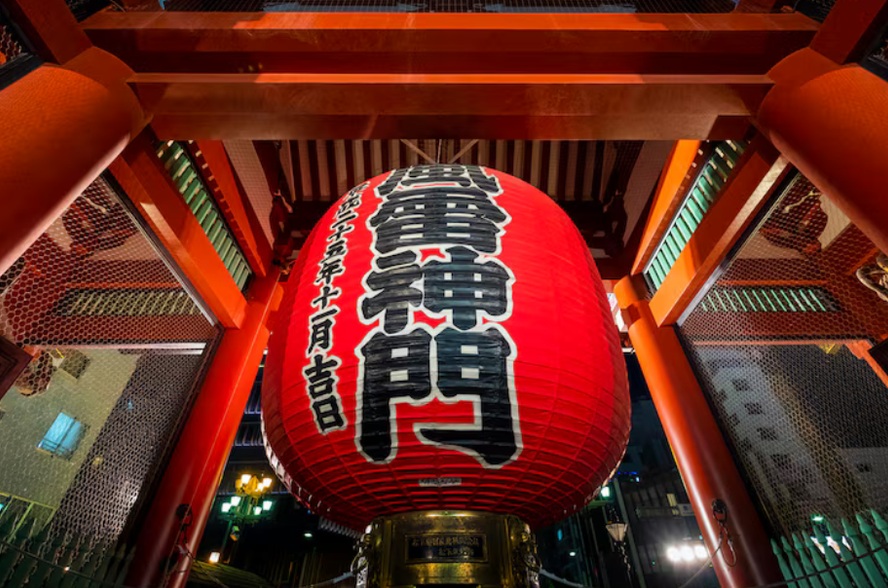
Set to occur from September 19 to October 4, 2026, the 20th Asian Games are getting closer. For Japan, this is more than just another multi-sport event. It is the chance to host a pandemic-free continent-wide festivity after being forced to host the 2020 Tokyo Olympics under pandemic restrictions. A total of 45 competing nations will send their best athletes to compete in 469 different sporting events. The 43-sport programme is broader than that of many major international multi-sport events and includes both Olympic and distinctly Asian disciplines.
Across the continent, there are passionate supporters who prepare to attend sporting events much differently than supporters of the past. Spectators in the present day are highly involved and analytical. They want to be as connected as possible while following every competition. Quick and easy-to-use applications are desired, and having Melbet mobile puts customers at ease when tracking tournament brackets, evaluating live odds, and keeping up with the results of all competitions. Having this application installed on their device allows them to be connected while having a new, engaging experience, instead of just being a bystander.
A Sustainable Approach to Sporting Infrastructure
The 2026 Games exemplify an innovative outlook on event infrastructure. Japanese officials have chosen not to burn billions of dollars on large, single-use stadiums that will be forgotten and neglected after the Games. Instead, they’ve chosen to develop a sustainable mega-event management strategy. The Games will cover a huge area spanning the Aichi Prefecture, and beyond into other regions and even back to the national capital, using an extensive network of existing, recently refurbished facilities.
The Paloma Mizuho Stadium has been extensively renovated for the Games. Located in Nagoya, it will host the exciting track and field competitions and both the opening and closing ceremonies. The other organizing committee’s brilliance also lies in their use of several 2020 Olympics venue installations. These venues were constructed at a cost of approximately 1 billion USD each. The facilities will notably host swimming and diving competitions at the Tokyo Aquatics Center. Using a great aquatics facility ensures a consummate athlete experience without additional construction of facilities. Using this hosting model, future international events can also follow this sustainable plan.
In the run-up to the competitions, many fans are registering in advance to get the best experience when they start. It means they can access detailed statistical analyses and live coverage of events as they happen. With Melbet registration, fans can get a profile of every player and have everything they need to follow every event. This way, they will never miss a moment of the action.
Introducing New Arenas of Competition
While classical sports such as athletics or swimming will draw the largest audience in the traditional sense, the Aichi-Nagoya Games will showcase what the next generation will want. Classic sports will be mixed with urban martial arts. It will bridge traditional sports and the more explosive fight sports.
Urban disciplines such as breaking and skateboarding return to the Asian Games programme, alongside more traditional events. There is no doubt they will be a hit as they are fast-paced sports. Also, some more popular sports will have a strong following as Japan is one of the best countries in the street sport scene. Esports returns as an official medal discipline, with 11 medal events scheduled at Aichi Sky Expo. There will also be MMA, which is explicitly a combat sport.
The organizing committee separated the sports into different categories, which are as follows:
- Core Sports: Athletics, swimming, and other traditional sports.
- Asian Favorites: Sports such as Sepak Takraw and Kabaddi.
- Urban and Youth Disciplines: Sports to engage people in more urban and youth-oriented sports.
- Digital Competition: Electronic sports.
Key Venues to Watch
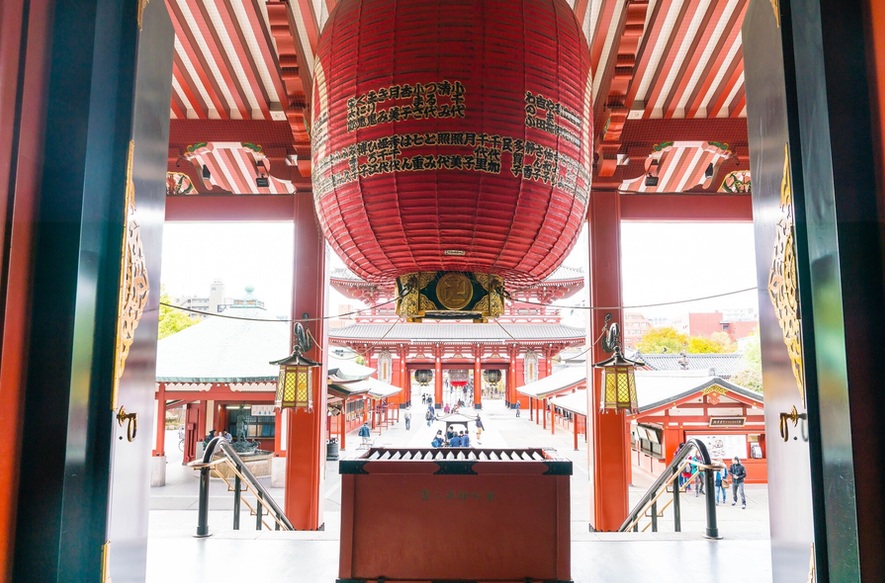
Since the tournament is using a decentralized, hybrid hosting method, the action will be spread out over many stadiums and arenas. This means the economic and cultural benefits of hosting will be spread out over several prefectures rather than all being in one city center.
| Host City / Region | Primary Venue | Marquee Events |
| Nagoya | Paloma Mizuho Stadium | Opening/Closing Ceremonies, Athletics |
| Nagoya | Aichi International Arena | Judo, Basketball |
| Tokyo | Tokyo Aquatics Center | Swimming, Diving, Artistic Swimming |
| Tokoname | Aichi Sky Expo (Aichi Int. Exhibition Center) | Esports, Fencing, Skateboarding, Breaking |
Imagine One Asia
Unlike the Tokyo Olympics, which were staged under severe attendance restrictions, Aichi-Nagoya 2026 is expected to give Japanese supporters the opportunity to experience a major home multi-sport event from the stands. September 2026 will see athletes not just competing for medals, but also for the right to celebrate the revitalization of a culture. From the 100m sprint to esports, the 20th Asian Games will remind all of us why we fall in love with sports. The Games will show once again why sports unite. Japan is ready to welcome the world, and the opening venue will still be filled years from now.


