

Auto
Moove to Leave Nigeria After Uber Exit

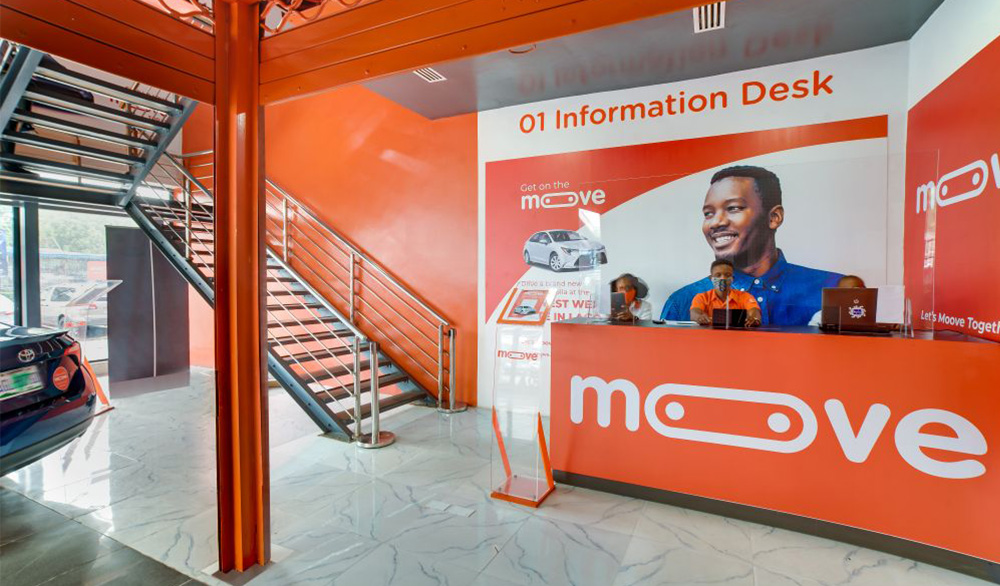
By Adedapo Adesanya
Moove, the Lagos-founded vehicle-financing company, is exiting Nigeria following the departure of its major ride-hailing partner, Uber, from the country.
For context, Uber’s exit has made Moove’s business model in Nigeria untenable.
Moove would be leaving the market where it launched its vehicle-financing model in 2020, potentially affecting drivers who are still repaying loans on cars financed through the company.
Moove’s model was built around providing new vehicles to ride-hailing drivers who had limited access to conventional bank financing. Drivers typically repay the cost of the vehicles over four years through weekly payments linked to their earnings.
The arrangement was closely tied to Uber, as Moove required many of its financed drivers to operate exclusively on the platform, particularly under Uber Go using compact Suzuki Espresso vehicles.
Uber ended its ride-hailing operations in Nigeria on September 2, after 12 years in the market, while its customer support services remained available until September 23 to resolve outstanding accounts.
Moove has reportedly faced financial pressures in Nigeria even before Uber’s departure.
The company had used Dollar-denominated financing to expand its Nigerian vehicle fleet, while drivers generated income in Naira, exposing the business to the effects of the currency’s depreciation.
The company subsequently experienced repayment challenges, including vehicle repossessions and reductions in some instalment obligations.
Moove has since expanded beyond Nigeria and now operates about 42,000 vehicles across 29 cities in 13 countries.
The company reports annualised recurring revenue of $420 million and has expanded into autonomous mobility, including managing robotaxis in the United States for companies such as Waymo.
It recently raised $250 million in a Series C funding round at a valuation of $2.1 billion, joining the exclusive Unicorn club. However, Nigeria was not identified as a destination for the new funding.
Uber remains an investor in Moove’s global holding company, meaning the two companies continue to have a corporate relationship despite Uber’s withdrawal from Nigeria.
For Nigerian drivers, however, the immediate concern is the fate of vehicles financed under Moove’s Uber-dependent model.
Bolt and inDrive could likely absorb the gap displaced by Uber’s departure.
LagRide is also expanding its operations after securing a $100 million credit facility from United Bank for Africa to deploy 3,500 compressed natural gas vehicles.
Recently, ProTaxi was launched to also play in the space.
The influx of drivers onto these platforms could nevertheless put pressure on earnings, particularly in a market already dealing with high fuel costs, Naira depreciation and price-sensitive consumers.


