

Health
Gavi, UNICEF Negotiate 40% Slash in Malaria Vaccine Price

By Modupe Gbadeyanka
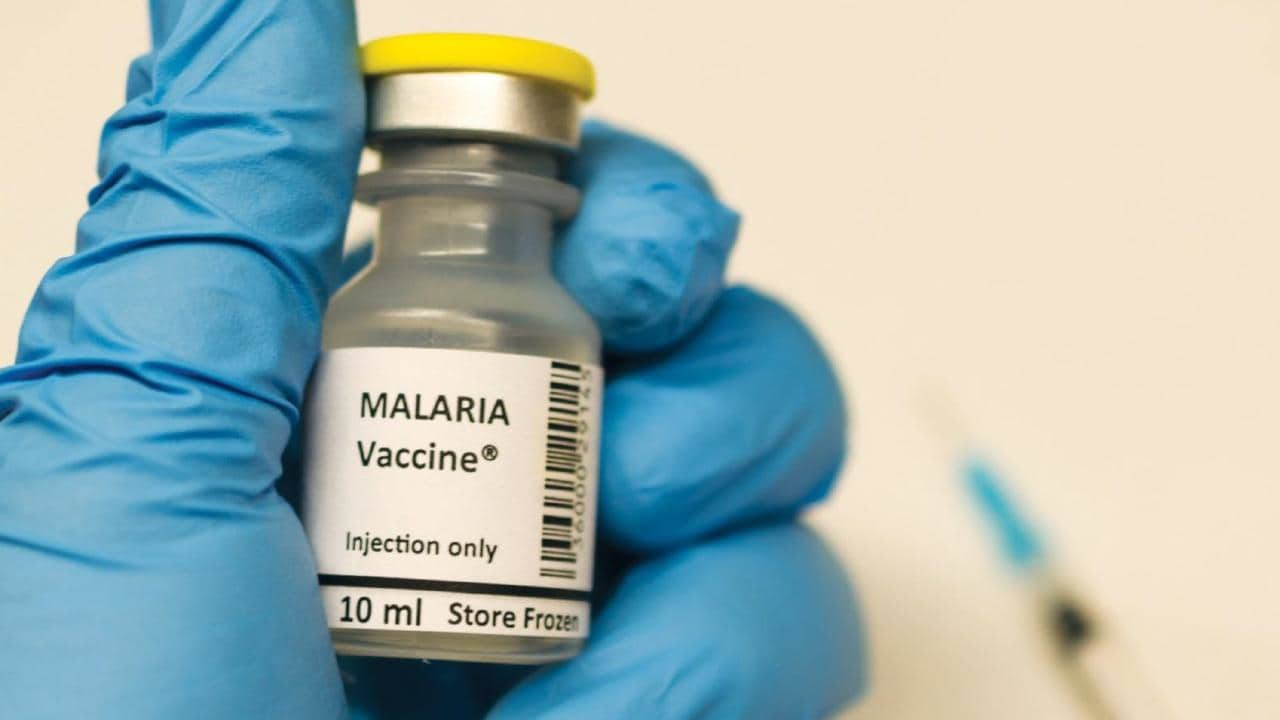
To save $50 million for childhood immunisation programmes between 2027 and 2029, the United Nations Children’s Fund (UNICEF) and the Vaccine Alliance (GAVI) have secured a lower malaria vaccine price.
The two parties negotiated a 40 per cent slash in the price of the medication, the RTS,S/AS01 malaria vaccine.
The deal, enabled through an advance payment by the International Finance Facility for Immunisation (IFFIm), will bring the price of the vaccine to EUR 5.50 per dose, though the agreement is subject to regulatory and manufacturing milestones – including WHO prequalification of a new manufacturing facility that will enable greater supply capacity – which must be met before UNICEF begins procuring doses.
As demand for malaria vaccines grows, this could protect up to one million more children with the full four-dose course or help countries reach more children with other vaccines.
The lower price, expected to take effect by early 2027, builds on the product transfer of the vaccine’s production to a developing country vaccine manufacturer, and reflects sustained efforts to shape a more sustainable and competitive malaria vaccine market.
Greater affordability can support countries to protect more children, while a healthy market – with multiple vaccine options, sufficient manufacturing capacity, and reliable supply – is critical to ensuring long-term access as demand for the vaccine continues to grow.
Demand for malaria vaccines has exceeded initial forecasts since rollout began in 2024. To date, more than 74 million doses have been procured and delivered by UNICEF. The Gavi-funded malaria programme is now part of routine immunisation in 25 African countries that bear more than 70 per cent of the global malaria burden. At a time of unprecedented decline in funding for international aid, efforts to create affordable and sustainable supply are critical to meet the Alliance’s target to vaccinate 50 million more children against malaria by 2030.
One child dies from malaria every minute, equating to nearly half a million deaths each year. In 2024, there were an estimated 282 million malaria cases and 610,000 deaths globally – up to 95 per cent of both in Africa – and around 74 per cent of the deaths among children under five.
A full immunisation course of four doses reduces malaria cases by about 75 per cent when given seasonally in areas of high seasonal transmission. New and improved malaria vaccines will be increasingly important as rising temperatures alter transmission patterns and push malaria into previously inhospitable areas, and as flooding and other extreme events displace communities, damage infrastructure, and disrupt health systems.
Vaccines are one of several malaria interventions, alongside insecticide-treated nets, spatial emanators, repellents, and other vector control interventions, chemoprevention, and prompt diagnosis and treatment.
Commenting on the development, the Director of UNICEF Supply Division, Leila Pakkala, said, “This agreement is an important step towards protecting more children from malaria by expanding access to life-saving vaccines where they are needed most.
“At the same time, it sends a strong signal in support of continued innovation, helping to advance the development of next-generation vaccines that can further reduce the burden of malaria for future generations.”
Also, Gavi’s Chief Vaccine Programmes & Markets Officer, An Vermeersch, said, “Today’s announcement is a powerful example of what the Vaccine Alliance does best: bringing together financing, technical expertise and strategic partnerships to shape healthier vaccine markets and expand access for the children who need vaccines most.”