Economy
CBN Expects Inflation to Trend Downward in Q4 2020
By Dipo Olowookere
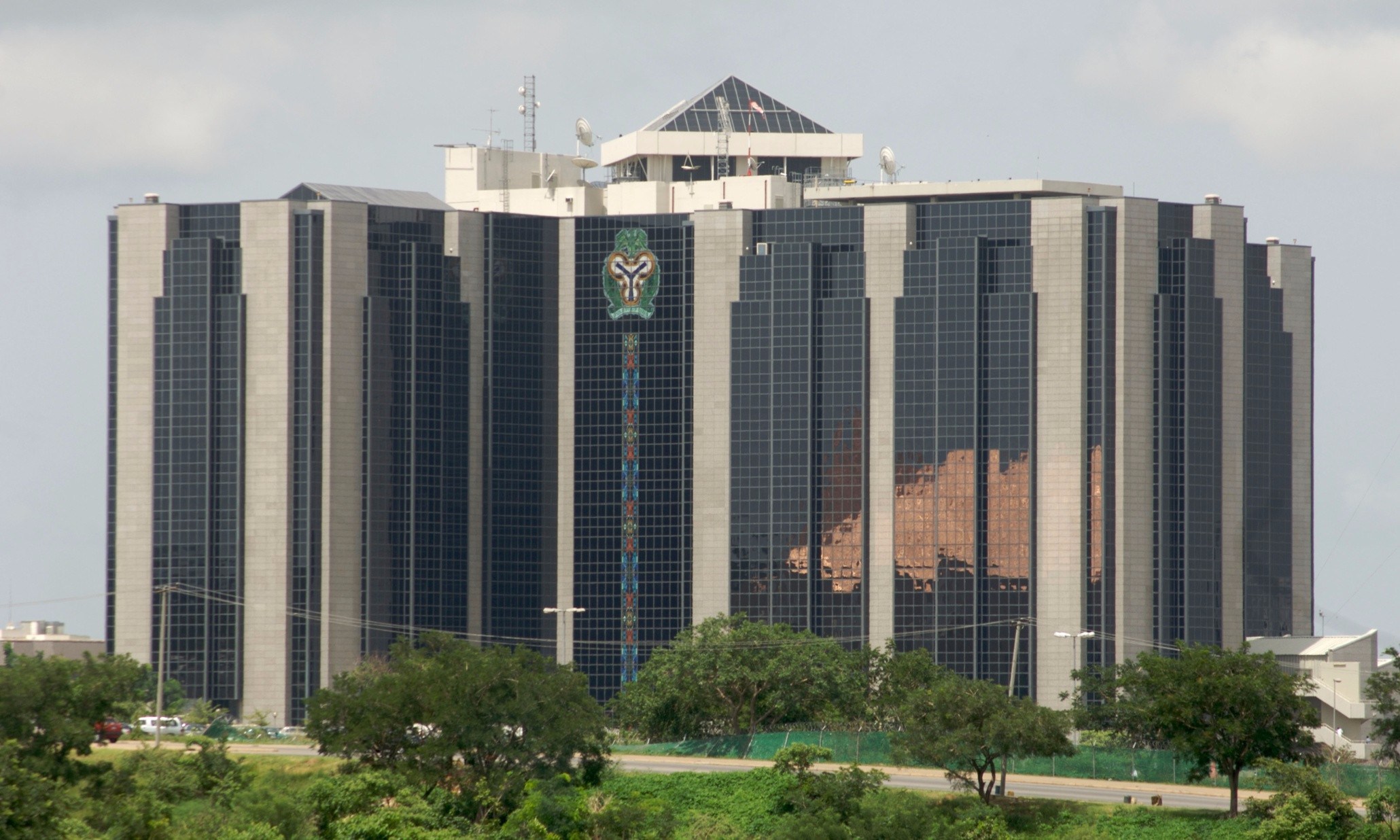
The Central Bank of Nigeria (CBN) has expressed optimism that the rising inflation rate in the country will begin to fall in the fourth quarter of 2020.
This submission was made by the Governor of the CBN, Mr Godwin Emefiele, when he addressed some global investors last month.
The apex bank chief said the inflation rate, which jumped to 12.40 per cent in May 2020 from 12.34 per cent in April 2020, will trend downward in the next quarter as a result of the anticipated improvements in the manufacturing and agriculture sectors of the economy.
“We expect inflation to begin a downward trend in Q4 2020 given the strengthened emphasis on improving productivity in the agriculture and manufacturing sectors,” Mr Emefiele informed the investors, who keenly listened to his presentation.
The National Bureau of Statistics (NBS) is expected to release the inflation numbers for June 2020 on Wednesday, July 15, 2020 (tomorrow).
Business Post reports that on June 23, 2020, Nigeria’s economic managers held a virtual meeting with institutional investors across the continents of the world.
The event, which had over 500 investors in attendance, was facilitated by the Debt Management Office (DMO) and Citibank.
The virtual meeting was arranged to enable the country to present its economic plans, outlook, as well as its response to the COVID-19 pandemic to the vital stakeholders.
Apart from Mr Emefiele, the Minister of Finance, Budget and National Planning, Mrs Zainab Ahmed; the Minister of Health, Mr Osagie Ehanire; the Director-General of the DMO, Ms Patience Oniha; and the Director-General, Budget Office of the Federation, Mr Ben Akabueze were also in attendance.
Nigeria has a presence in the international capital market through the $10.87 million Eurobonds of various tenors extending up to 30 years and a diaspora bond of $300 million.
According to the debt office, “Periodic interaction with investors, particularly foreign investors is one of the tested strategies for building investor confidence in a sovereign and maintaining demand in securities issued by the sovereign.”
During her presentation, the Minister of Finance said in order to make life easier for residents and businesses in the country, the fiscal authorities established a N500 billion COVID-19 Crisis Intervention Fund for the upgrade of healthcare facilities, finance interventions to improve healthcare facilities and fund the creation of a Special Public Works Programme to employ 774,000 Nigerians.
She further said the government extended time for filing VAT and withholding tax from 21st to the last working day of the month, following the month of deduction.
Mrs Ahmed also said the due date for filing Companies Income Tax returns has been extended by one month, while taxpayers may file returns using unaudited accounts but must subsequently submit audited accounts within two months after the revised due date of filing.
In addition, she said the government expanded VAT exemption list for essential food, medical supplies and other basic items critical to address the COVID-19 pandemic.
Economy
Stanbic IBTC, Anambra to Accelerate Growth, Trade Opportunities for South-East MSMEs
As MSMEs across the South-East seek opportunities for growth, market expansion and cross-border trade, Stanbic IBTC, in partnership with the Anambra State Government, convened the Nigeria Business Summit Regional Tour in Onitsha to equip businesses with practical solutions for sustainable growth.
The summit, organised in collaboration with the Anambra State Ministry of Commerce, Industry and Trade, brought together government officials, business leaders, trade associations, development partners and entrepreneurs to explore practical pathways for economic growth, business sustainability and increased participation in local and international trade.
Speaking at the event, which took place on Wednesday, 29 July 2026, Honourable Nonso Chukwuma Ebonwu, Commissioner for Commerce and Industry, Anambra State, highlighted the importance of stronger partnerships between government, financial institutions and the private sector in creating an environment where businesses can thrive and contribute meaningfully to economic growth.
“Sustainable economic development requires strong partnerships between the public and private sectors. Financial institutions such as Stanbic IBTC have an important role to play by providing not only access to finance but also business advisory services, capacity building and the knowledge that enables businesses to grow sustainably,” he said.
Given Onitsha’s strategic position as a commercial hub, discussions centred on access to finance, enterprise development, business sustainability and opportunities for expansion into new markets. Stanbic IBTC’s Trade Team also provided practical insights into trade and export opportunities available to businesses operating within the South-East’s manufacturing and distribution value chains, highlighting strategies that can help enterprises improve competitiveness and unlock new growth opportunities.
Commenting on Stanbic IBTC’s commitment to supporting Nigerian businesses, Chuma Nwokocha, Chief Executive, Stanbic IBTC Holdings, said:
“We recognise the critical role businesses play in driving economic growth, creating jobs and fostering innovation. Supporting their growth remains central to our purpose of driving Africa’s growth, and we will continue to provide the solutions, partnerships and platforms they need to thrive.”
Also commenting on Stanbic IBTC’s support for Nigerian businesses, Remy Osuagwu, Executive Director, Business and Commercial Banking, Stanbic IBTC Bank, said:
“Our commitment to supporting businesses is unrelenting. Through strategic partnerships and platforms such as the Nigeria Business Summit Regional Tour, we are connecting entrepreneurs to the knowledge, networks and financial solutions needed to scale their businesses and compete more effectively in today’s evolving marketplace.”
The summit also highlighted Stanbic IBTC’s focus on providing businesses with access to the capital, insights and connections needed to achieve sustainable growth. This commitment aligns with the strategic direction of the bank’s Enterprise Banking business, led by Olajumoke Bello, as Stanbic IBTC continues to deepen engagement with MSMEs and growth-focused businesses across Nigeria.
The Onitsha engagement builds on successful editions of the Nigeria Business Summit Regional Tour previously held in Katsina, Aba and Ibadan. Through the initiative, Stanbic IBTC continues to work with public and private sector stakeholders to equip entrepreneurs with practical insights, strategic partnerships and business solutions that support sustainable growth.
Economy
H1 2026: Presco Offers N10 Interim Dividend, Pledges Long-Term Value Creation
By Aduragbemi Omiyale
The board of Presco Plc has proposed the payment of an interim dividend of N10 per share to shareholders of the organisation for the first six months of this year.
This information was conveyed in the unaudited financial statements of the company released to the Nigerian Exchange (NGX) Limited.
In the results for the half-year ended June 30, 2026, the fully integrated agro-industrial firm said the cash reward reinforces its commitment to delivering consistent shareholder returns.
It further assured that looking ahead, it remains focused on disciplined capital allocation, operational efficiency and long-term value creation while navigating evolving market conditions.
A look at the key financial highlights of the results showed that revenue was relatively stable at about N199.0 billion in the first half of 2026 and the same period of 2025 amid a high-cost operating environment and softer crude palm oil prices.
However, the pre-tax profit rose by 9.3 per cent to N122.2 billion from N119.9 billion as result of a 31.9 per cent reduction in financing costs.
Further, the Edo State-based company posted an EBITDA of N123.1 billion, which yielded a margin of 61.9 per cent, as the organisation strengthened its balance sheet, reducing total liabilities by 42.5 per cent to N277.8 billion, while equity grew 13.8 per cent to N503.6 billion, with a current ratio of 345.6 per cent, which underscores robust liquidity.
“Our H1 2026 performance underscores the strength of our operational model in a challenging environment. The 9.3 per cent growth in profit before tax, driven largely by a 31.9 per cent reduction in financing costs, reflects our deliberate focus on cost optimisation and balance sheet discipline.
“With equity up 13.8 per cent and liabilities down by 42.5 per cent, we have further fortified our financial foundation.
“The proposed interim dividend of N10 per share signals our confidence in the business’s trajectory and our commitment to rewarding shareholders,” the chief executive of Presco, Mr Reji George, stated.
Economy
Dangote Refinery Reduces ex-Depot Price of Petrol to N1,165/Litre
By Aduragbemi Omiyale
The ex-depot prices of the two major petroleum products in the country, Premium Motor Spirit (PMS), commonly known as petrol, and Automotive Gas Oil (Diesel), have been slashed by Dangote Petroleum Refinery.
The company, in a statement on Wednesday, disclosed that while petrol is now N1,165 per litre, diesel is now N1,570 per litre.
The energy firm said it slashed the prices to reaffirm its commitment to providing affordable, high-quality petroleum products to the Nigerian market.
The latest cut in the price of PMS represents N50, as it was previously sold to marketers at N1,215 per litre, while diesel witnessed an N80 reduction, as it was formerly being sold at N1,650 per litre.
Dangote Refinery stated that the downward price review reflects its ongoing efforts to enhance energy affordability, improve access to refined petroleum products, and support economic activities across Nigeria, saying it remains committed to ensuring stable supply while leveraging operational efficiencies to deliver value to consumers, businesses, and stakeholders.
As Africa’s largest refinery, Dangote Petroleum Refinery continues to play a pivotal role in strengthening Nigeria’s energy security, reducing reliance on imports, and supporting the nation’s economic development through the supply of world-class petroleum products.
The company reaffirmed its dedication to contributing to the growth of the Nigerian economy and passing on the benefits of improved operational efficiencies to consumers whenever market conditions permit.